Is Split Safe? An Honest Safety Guide for Travelers
Split, Croatia is genuinely safe for most travelers, but that doesn't mean risk-free. This guide covers the real threats, from pickpockets in Diocletian's Palace to overcharging scams, so you can visit confidently and without unnecessary worry.
Plan and book this trip
Tools from our partner Travelpayouts help you compare flights and hotels. If you book through them, we may earn a commission at no extra cost to you.
Flights
Hotels map
TL;DR
- Split is safe: Croatia ranks #14 in the 2024 Global Peace Index and holds a US State Department Level 1 advisory (the lowest risk category).
- The primary threat is petty theft, particularly pickpocketing in crowded areas like Diocletian's Palace, the Riva promenade, and beaches in July and August.
- Solo female travelers consistently report feeling safe and respected, especially compared to other Mediterranean destinations. See our guide to Split's nightlife for after-dark specifics.
- Avoid gentlemen's clubs and any venue that doesn't display prices clearly — overcharging is the main financial scam.
- Public behavior rules are enforced: fines apply for shirtlessness outside the beach, public drinking, and climbing monuments.
How Safe Is Split, Croatia, Really?
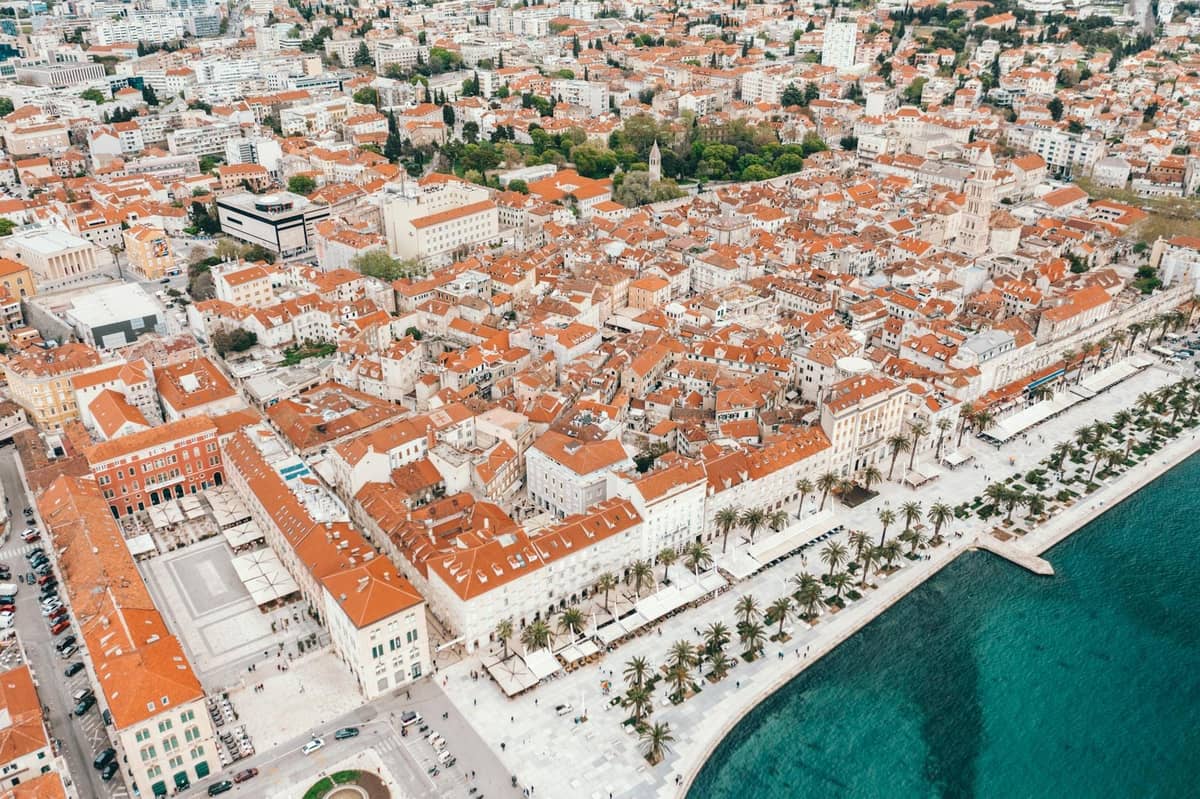
Split is one of the safer cities you can visit in the Mediterranean. Croatia placed 14th in the 2024 Global Peace Index, putting it ahead of many Western European countries. The US State Department assigns Croatia its Level 1 travel advisory, meaning 'exercise normal precautions' — the same rating given to countries like Japan and New Zealand. The UK Foreign Office and Canadian government echo this low-risk assessment.
Violent crime against tourists is extremely rare in Split. The city doesn't have no-go zones, gang activity targeting visitors, or any serious violent crime pattern that should factor into your planning. A 2025 survey ranked Croatia as the safest country in Europe for walking alone at night, which reflects what you'll actually feel walking through the old town after dark. The streets around Diocletian's Palace are well-lit, busy until late in summer, and patrolled regularly.
That said, 'safe' is not the same as 'risk-free.' Split receives well over a million visitors a year, and concentrated tourist areas create concentrated opportunities for petty crime. The threats here are predictable and manageable — they just require basic awareness rather than paranoia.
The Real Risks: Where Theft Actually Happens
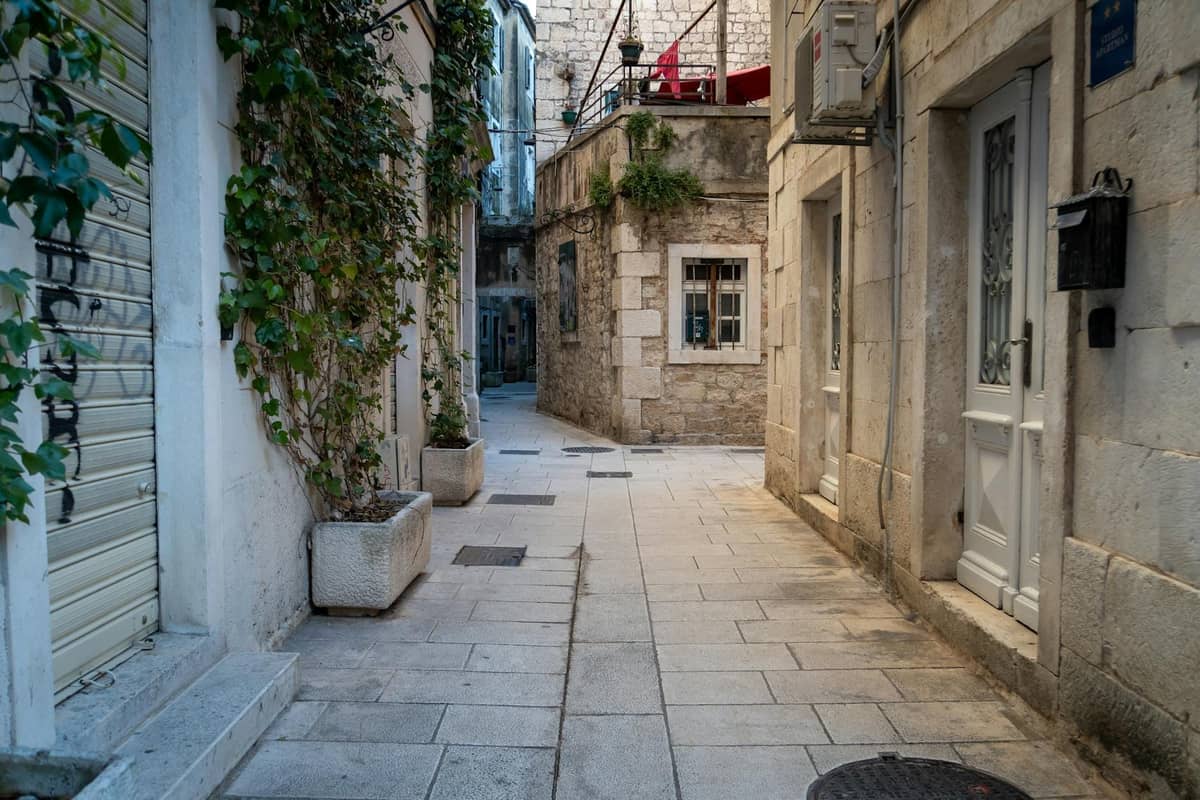
Pickpocketing is the dominant crime concern in Split, and it clusters in specific locations. Diocletian's Palace is the most common site — the narrow medieval lanes get extremely congested in July and August, creating ideal conditions for bag dipping. The same applies to the Riva promenade during evening passeggiata, ferry terminals when crowds jostle with luggage, and beaches where unattended belongings are an easy target.
- Diocletian's Palace alleys Peak risk in July-August when lanes become genuinely impassable. Keep bags in front, zip closed.
- Riva promenade evenings Crowded café terraces and evening strolls attract opportunistic thieves. Don't leave phones on tables.
- Ferry terminal and bus station Transition points with distracted travelers handling luggage are classic pickpocket hunting grounds.
- Bačvice beach and other beaches Unattended bags while swimming are regularly targeted. Use paid beach lockers where available.
- Local city buses Crowded routes during peak hours; keep bags in front of you and be aware of anyone pressing unusually close.
💡 Local tip
Use a flat crossbody bag or money belt for passports and cards in crowded areas. Leave your actual passport in your accommodation safe and carry a photo copy on your phone instead — it's accepted for most day-to-day purposes and losing a photocopy is far less disruptive than losing the original.
Scams in Split: What to Watch For
Split doesn't have the aggressive scam culture found in some larger European capitals, but a few patterns are worth knowing before you arrive.
- Gentlemen's clubs and unmarked bars The UK Foreign Office specifically warns about overcharging in Split's gentlemen's clubs. The mechanism is consistent: you're invited in, drinks arrive, and the bill is wildly inflated with no recourse. Don't enter any venue that doesn't display a price menu at the entrance.
- Taxi overcharging Unlicensed taxis near the ferry terminal and bus station sometimes quote flat rates that are double the metered fare. Use the Bolt app (widely available in Split) or confirm the meter is running before departure.
- Restaurant menu switching Some tourist-facing restaurants near the Palace present a menu with reasonable prices but charge from a different, more expensive one. Photograph the menu you ordered from if something seems off.
- Currency confusion Croatia joined the Eurozone in January 2023 and uses Euros. Some older signage or informal contexts still reference the former Kuna. If anyone quotes you Kuna, it's either outdated information or an attempt to confuse the conversion.
- 'Friendship' bracelets and street vendors Less common than in cities like Barcelona but occasionally present near the Golden Gate and tourist entry points. A firm 'no thank you' works — nobody will follow or pressure you.
⚠️ What to skip
If you're charged an inflated bill in a restaurant or bar and you believe it's incorrect, ask for an itemized receipt. In Croatia, businesses are legally required to provide one. For serious disputes, the tourist police (available in Split during summer) handle complaints specifically involving tourism-related overcharging.
Nightlife Safety in Split
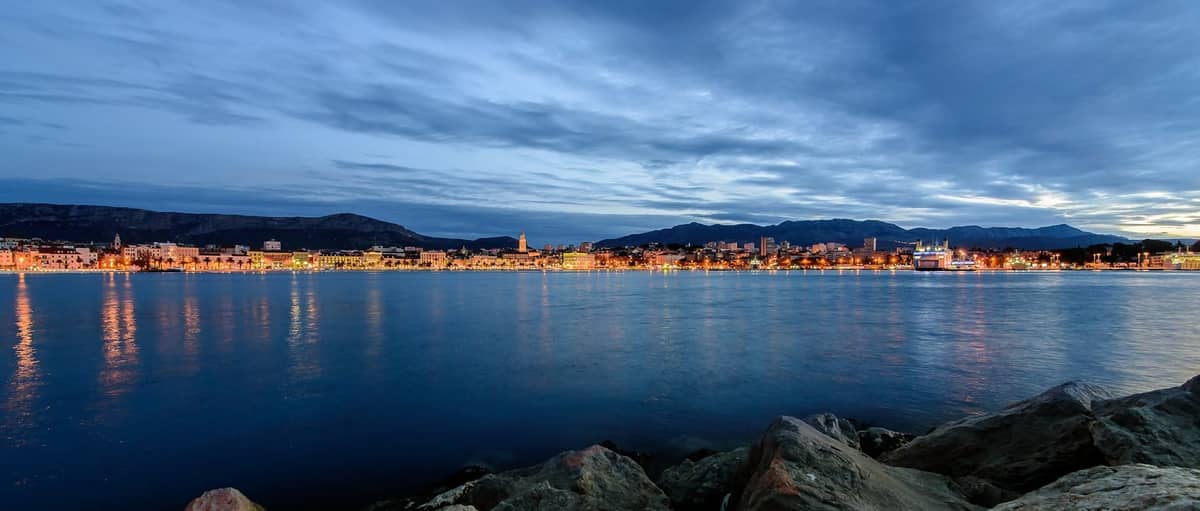
Split's nightlife is genuinely fun and relatively safe compared to other party destinations in Europe. The main bar areas around Diocletian's Palace and the Bačvice neighborhood stay lively in summer without the aggressive atmosphere found in some Croatian island party scenes. Most venues are legitimate, well-staffed, and accustomed to international visitors.
The risks that do exist are predictable: drink spiking is not a documented major issue in Split but standard precautions apply, don't accept drinks from strangers and don't leave your glass unattended. Excessive alcohol combined with the Palace's uneven ancient cobblestones causes more injuries than any crime. The streets are genuinely slippery when wet, and several tourists require medical attention each summer after falls rather than altercations.
Football match days require a separate category of caution. Hajduk Split has passionate supporters, and while matches are generally family-friendly inside Poljud Stadium, the immediate vicinity after derbies or high-stakes games can see confrontational behavior between rival fan groups. If you happen to be in Split on a match night and aren't specifically attending, sticking to the old town rather than areas near the stadium is the easier choice.
✨ Pro tip
The area around Diocletian's Palace has specific public order rules that are actively enforced in summer. Fines apply for: appearing shirtless or in swimwear away from the beach, public drinking outside licensed areas, and climbing on monuments or walls. These aren't theoretical — tourist police issue fines regularly during peak season. €50-150 is the typical range.
Safety for Solo Travelers and Solo Female Travelers
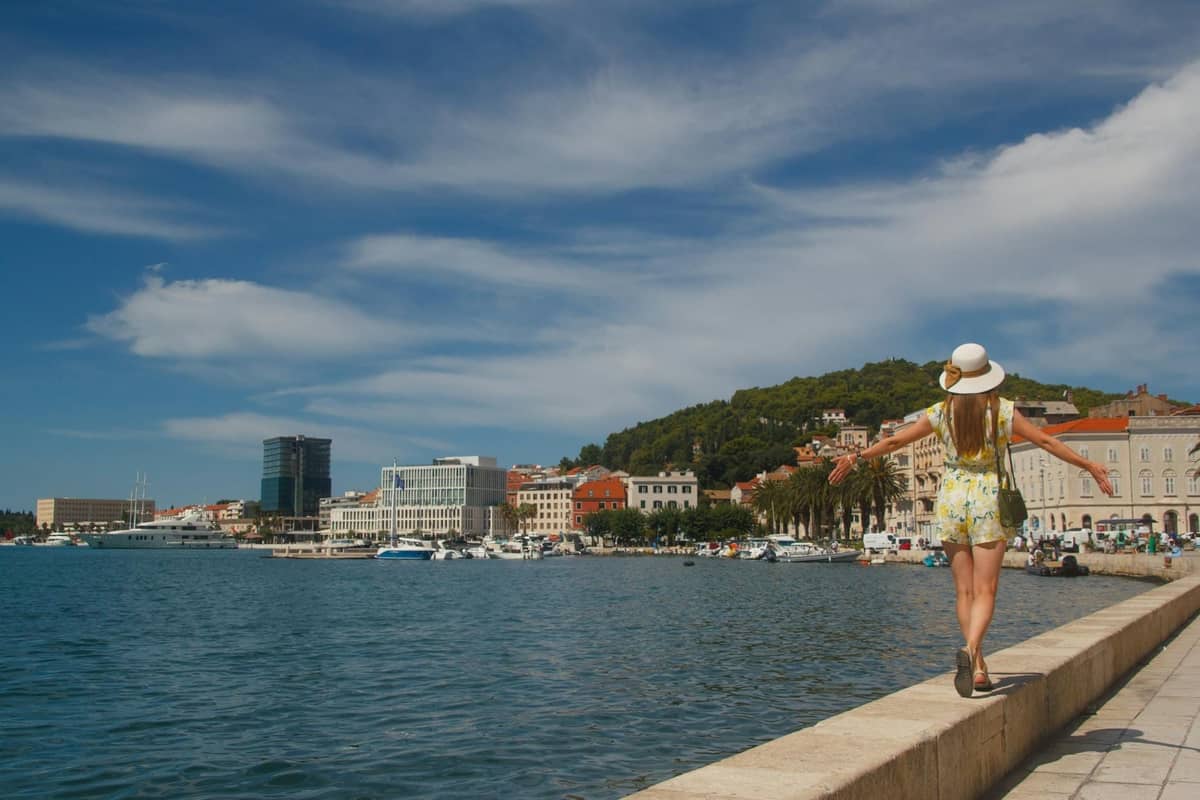
Solo travel in Split is comfortable and well-supported. The city is compact enough to navigate confidently, English is spoken widely in the tourist core, and public spaces stay populated until late at night in summer. Solo female travelers consistently rate Split highly in terms of feeling respected and not being subject to harassment, which is not a universal experience in Mediterranean destinations.
The practical reality for solo travelers: budget accommodation is widely available, the old town is entirely walkable, and the Riva functions as a natural social hub where it's easy to meet other travelers. The one genuine solo travel consideration is that the Diocletian's Palace area is dense and disorienting at first — download an offline map before wandering, as mobile data signals can be patchy inside the thick Roman walls.
Late-night solo walking in the central areas is generally fine. The main ferry port area at 3am when boats from Hvar arrive is a different story — it can get chaotic and rowdy in peak summer, with intoxicated travelers mixing with locals. It's not dangerous, but it's not particularly comfortable either. Have your onward transport or accommodation confirmed before you arrive at an odd hour.
Seasonal Safety Considerations
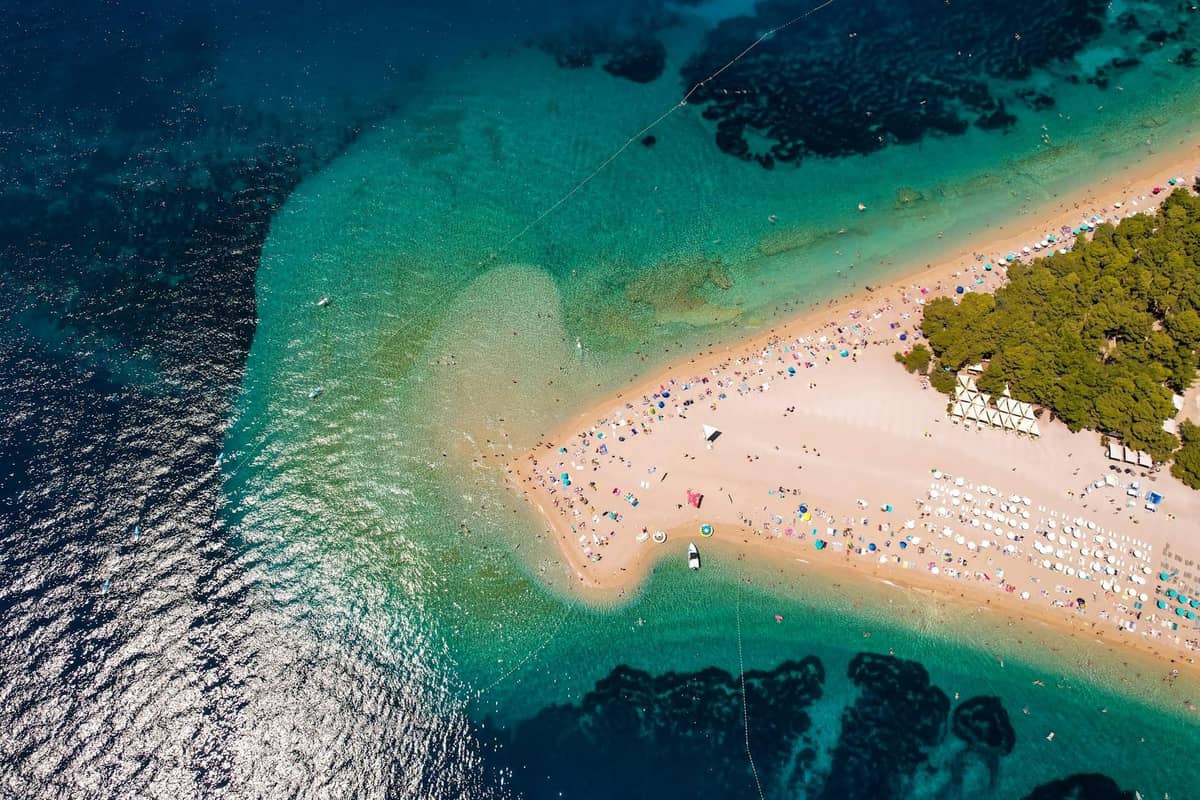
The safety profile of Split shifts noticeably by season. July and August bring the highest volume of tourists, which elevates pickpocketing risk and also strains infrastructure. Beaches are dangerously overcrowded at peak times, and heat-related illness is a genuine concern given Mediterranean summer temperatures. If you're visiting in summer, read our guide on what to expect in Split in summer for crowd management strategies.
May, June, September, and October offer the best combination of good weather and lower crowds, which means lower petty theft risk as well. Spring and early autumn are also when you're most likely to find restaurant menus at face value and taxis that don't try to negotiate flat rates. Winter in Split is quiet, safe, and occasionally rainy — the old town is almost entirely given back to locals, and the security environment is as relaxed as it gets.
- July-August: highest pickpocket risk, enforce all bag and beach locker precautions
- May-June and September-October: lower crowds, lower theft risk, most comfortable balance
- November-March: minimal tourist crime, quieter city, some venues and attractions closed
- Ultra Europe Festival period (usually July): large influx of international party-goers, increased general vigilance advisable around festival venues
Emergency Information and Practical Basics
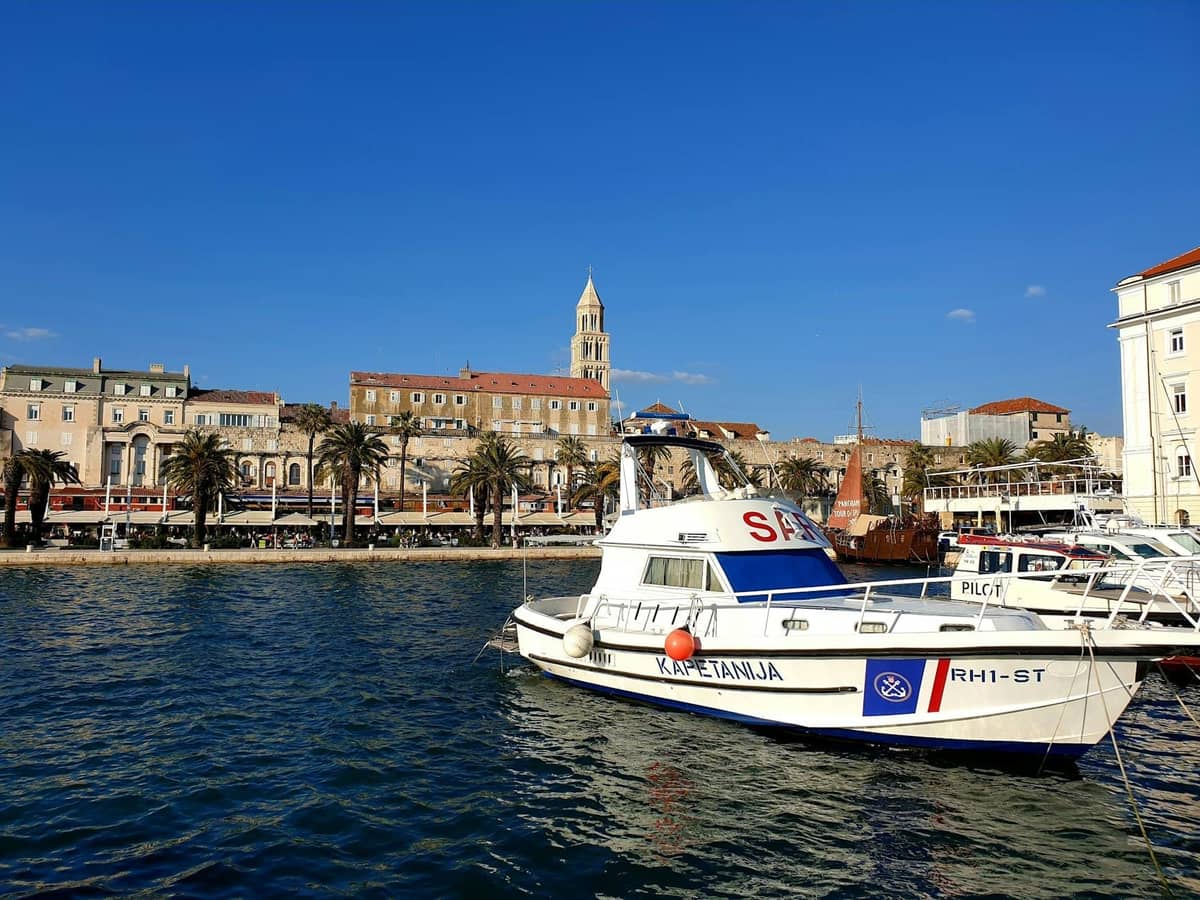
Croatia's general emergency number is 112 for police, fire, and ambulance; 192 also connects directly to the police. For non-emergency police matters including theft reports (which you'll need for insurance claims), you can go to the nearest police station or use the tourist police that operate in Split during summer months. Keep your travel insurance documentation accessible, and report any theft promptly — Croatian police are efficient with incident reports.
- Emergency services: 112 (all services)
- Police non-emergency: 192
- Tap water: safe to drink throughout Split
- Electricity: Type C/F plugs, 230V (same as most of continental Europe)
- Currency: Euro (EUR) — Croatia adopted the Euro in January 2023
- Language: Croatian officially; English widely spoken in all tourist areas
- Healthcare: Croatia has public hospitals; EU citizens with an EHIC card receive reciprocal treatment; all others should carry private travel insurance
ℹ️ Good to know
Croatia joined the Schengen Area in January 2023, which means EU passport holders no longer face border checks when entering from other Schengen countries. For non-EU visitors, standard Schengen entry rules apply: typically 90 days within a 180-day period for passport holders from the US, UK, Canada, Australia, and many other countries. Always verify current visa requirements through official sources before travel.
FAQ
Is Split safe for tourists?
Yes. Split is consistently rated one of the safer tourist destinations in Europe. Croatia ranks 14th in the 2024 Global Peace Index and carries the US State Department's lowest risk advisory (Level 1). Violent crime targeting tourists is extremely rare. The primary concern is petty theft, particularly pickpocketing in crowded areas during peak summer season.
Is Split safe at night?
Generally yes. The central areas around Diocletian's Palace and the Riva promenade remain busy and reasonably safe well into the night during summer. Croatia ranked among the safest countries in Europe for solo nighttime walking in a 2025 survey. Standard precautions apply: stick to lit areas, keep valuables secure, and avoid venues that don't display prices clearly.
Is Split safe for solo female travelers?
Solo female travelers consistently report positive experiences in Split. Street harassment is significantly less common here than in many other Mediterranean destinations. The city is compact and walkable, English is spoken widely, and public spaces stay populated in the evenings. Normal awareness — particularly around nightlife areas and late-night ferry arrivals — is sufficient.
What are the most common scams in Split?
The most significant scam is overcharging in unmarked bars and gentlemen's clubs, which the UK Foreign Office specifically warns about. Other patterns include unlicensed taxis quoting flat fares near the ferry terminal, and occasional restaurant menu switching near the Palace. Use the Bolt app for taxis, only enter venues displaying a price menu, and photograph menus if you're uncertain.
What should I do if my wallet or passport is stolen in Split?
Report the theft to the police immediately — you'll need the report for insurance purposes. The non-emergency police number in Croatia is 192, or visit the nearest police station. For a stolen passport, contact your country's embassy or consulate. Tourist police operate in Split during summer and are specifically equipped to handle visitor-related incidents. Keep digital copies of all important documents in your email or cloud storage before you travel.