Yuntai Garden: Guangzhou's Grand Flower Garden at Baiyun Mountain
Covering 250,000 square meters at the southern foot of Baiyun Mountain in Baiyun District, Yuntai Garden (云台花园) is one of Guangzhou's largest purpose-built flower gardens. Themed zones, seasonal blooms, and sculpted landscapes make it one of the city's most photogenic green spaces, conveniently reached via Metro Line 11 at nearby Yuntai Garden Station.
Quick Facts
- Location
- Guangyuan East Road, Baiyun District, Guangzhou (southern foot of Baiyun Mountain)
- Getting There
- Metro Line 11, Yuntai Garden Station (Exits A, C1, C2, E); or bus to Yuntai Garden Bus Terminal or Baiyun Cable Way Stop
- Time Needed
- 2 to 3 hours
- Cost
- Full ticket about 10 yuan; half ticket about 5 yuan (higher combo prices such as 25/17 yuan apply when bundled with Yunluo Botanical Garden or special flower shows; verify before visiting as prices may change)
- Best for
- Garden lovers, photographers, families, weekend walkers
What Yuntai Garden Actually Is
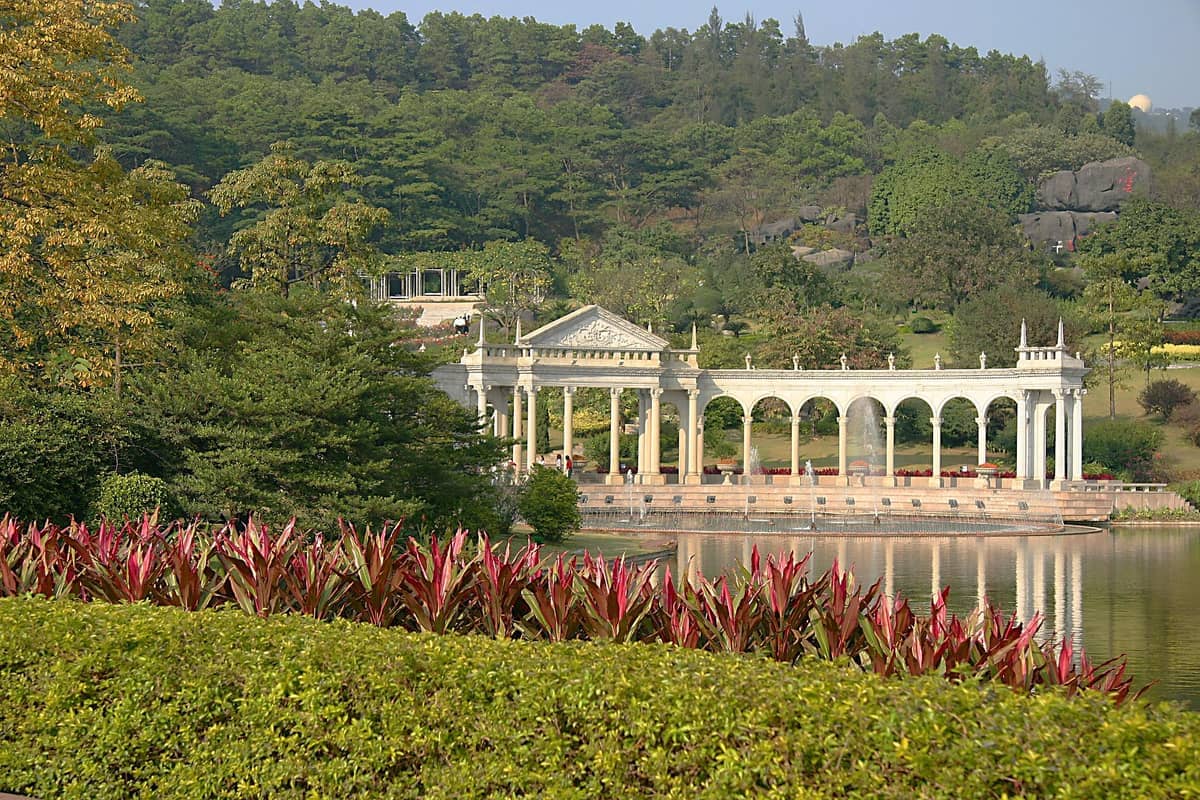
Yuntai Garden, known in Chinese as 云台花园, is a large-scale ornamental garden covering 250,000 square meters at the southern foot of Baiyun Mountain in Guangzhou's Baiyun District. It is not a wild park or a heritage site in the traditional sense. It is a deliberately designed landscape built around flowers, topiary, water features, and themed planting zones. Think along the lines of a European-style botanical garden merged with a Cantonese sense of occasion: bright colors, wide paved pathways, sculpted hedgerows, and seasonal displays that the city takes genuine pride in.
The garden sits beside the Baiyun Cable Way on Guangyuan East Road, which puts it at the transition point between urban Guangzhou and the greener terrain of Baiyun Mountain above. This geographic position gives the garden a backdrop that most city flower parks cannot match: looking upward from certain sections, the wooded slopes of the mountain rise above the formal plantings. It is a contrast that works in the garden's favor, particularly in the cooler months when the air is clearer.
ℹ️ Good to know
Opening hours are generally 8:00–18:00 according to Guangzhou municipal and tourism sources, though some platforms list slightly later closing times such as 19:00; verify before your visit, especially if you plan to arrive in the late afternoon.
The Layout and What to Expect Inside
The garden is organized into distinct themed zones rather than a single continuous landscape. Visitors moving through the space encounter cascading water features, formal rose and flower beds, sculpted topiaries, and open lawns at different points. Pathways are broad and generally flat in the lower sections, which makes the space easier to navigate than a mountain trail while still offering genuine visual variety.
One of the most recognizable features is the large stepped floral displays that use massed seasonal plantings to create bold color blocks visible from a distance. These change through the year: spring brings tulips and cherry blossoms, summer shifts to tropical and subtropical species, and autumn offers chrysanthemums and other cool-season flowers. Winter in Guangzhou is mild enough that the garden rarely looks bare, which sets it apart from flower gardens in northern China where cold months mean empty beds.
The water features, including fountains and small reflecting pools, provide both visual anchors and cooler microclimates that become noticeably welcome on hot days. For context on what Guangzhou's summers feel like, see the best time to visit Guangzhou guide, which covers the heat and humidity visitors should prepare for between June and August.
How the Garden Changes Through the Day
Morning visits, from opening at 8:00 until around 10:00, draw a noticeably different crowd from the afternoon. Early in the day the pathways fill with local residents doing their morning exercise routine: stretching near the fountains, walking the perimeter paths at pace, and gathering in small groups near shaded benches. The light in the morning is also softer and more flattering for photography, particularly for flower close-ups where the color saturation is higher before the midday sun washes things out.
By late morning, organized tour groups and families with young children arrive. The paved walkways handle the volume reasonably well, but popular focal points like the main floral terraces and the central fountain area can feel congested during national holidays and on weekends between March and May. If you visit during a peak bloom weekend, expect people to queue at certain photo spots.
Late afternoon, particularly in the hour before closing, sees the crowds thin and the light shift to something warmer. The garden's elevated plantings catch late sun at angles that make the colors glow. This is arguably the best light for wide-angle photography of the full garden layout. Weekday afternoons outside of school holiday periods offer the most relaxed experience overall.
💡 Local tip
Visit on a weekday morning between October and December for the best combination of comfortable temperatures, thinner crowds, and sharp photographic light. Spring weekends during peak bloom are crowded but visually rewarding if you arrive at opening time.
Getting There: Metro Line 11 to Yuntai Garden Station
Yuntai Garden Station on Guangzhou Metro Line 11 serves the garden directly, with Exits A, C1, C2, and E all usable depending on which section you want to approach from.
Bus services also run to Yuntai Garden Bus Terminal and the Baiyun Cable Way Stop on Guangyuan East Road, giving additional flexibility. For a broader overview of moving around the city, the Guangzhou transport guide covers Metro lines, bus options, and ride-hailing in detail.
The proximity to the Baiyun Cable Way is worth noting if you plan a longer day out. The cable car gives access to Baiyun Mountain above, meaning it is possible to combine a garden walk with a mountain visit. The two attractions together make for a full half-day or full-day outing without needing to change neighborhood.
Practical Considerations Before You Go
Admission is generally set at about 10 yuan for a full ticket and about 5 yuan for a half ticket according to recent Guangzhou tourism information, with higher combo prices such as 25 yuan (full) and 17 yuan (half) applying when tickets are bundled with Yunluo Botanical Garden during special events; prices should be confirmed at the gate as they can be adjusted.
Footwear matters more than it might seem. The main pathways are paved and manageable in any shoes, but some of the garden's upper sections and connecting paths toward the mountain terrain involve uneven surfaces and inclines. Comfortable walking shoes are preferable to sandals or fashion footwear, especially if you plan to explore the full perimeter.
Sun protection is essential between May and September. The garden is open-air with limited shade coverage in the formal planting zones. Sunscreen, a hat, and water are practical necessities in summer. Guangzhou's humid subtropical climate means that even overcast days in summer carry significant UV exposure. The autumn in Guangzhou guide explains why October and November are particularly comfortable months for outdoor attractions like this one.
No specific wheelchair accessibility data was found in official sources at the time of writing. The main pathways in the lower garden sections are wide and paved, which suggests reasonable accessibility for the core areas, but visitors with mobility requirements should contact the garden directly before visiting to confirm step-free routes throughout.
Where Yuntai Garden Fits in Baiyun District
Baiyun District is the large urban-to-suburban zone north of central Guangzhou, and it is home to both the city's main airport and some of its most accessible natural terrain. Yuntai Garden occupies a logical middle ground between the dense urban city and the slopes of Baiyun Mountain, which rises directly behind it. Visitors who want more than a garden walk can use the Baiyun Cable Way nearby to ascend the mountain itself, extending the visit into genuine hillside terrain.
For those interested in green spaces across the city, Yuntai Garden represents a more curated, flower-focused experience compared to places like Yuexiu Park in the historic center, which mixes history, monuments, and natural landscape in a different proportion. The two parks suit different moods and itinerary types.
Who Should Think Twice
Travelers who prioritize historical depth over aesthetics may find Yuntai Garden less engaging than Guangzhou's cultural sites. The garden has no significant historical narrative attached to it. It is a visual and sensory experience, not a place that rewards deep reading of a destination's past.
Those who prefer wild or ecologically complex green spaces over formal landscaping may also find the manicured layout limiting. The garden is designed to look a particular way, and that design ethos is evident throughout. It is beautiful on its own terms, but it is not a naturalistic environment.
Visitors on very tight schedules who are trying to cover multiple neighborhoods in a single day should weigh the Baiyun District trip time against alternatives. The garden works best when paired with Baiyun Mountain or treated as a dedicated morning outing. If you are building a full Guangzhou itinerary, the 3-day Guangzhou itinerary can help you decide how to allocate time across neighborhoods.
Insider Tips
- Arrive within the first 30 minutes of opening on weekday mornings between October and December. You will have the main floral terraces almost entirely to yourself, the light is ideal for photography, and the air temperature is comfortable enough to walk without stopping.
- The area near the Baiyun Cable Way entrance is where the garden connects to mountain access. If you plan to combine both in one day, start with the garden walk first while energy is high and use the cable car afterward rather than the reverse.
- Seasonal displays are coordinated with major Chinese holidays and festivals, meaning the garden is at its most elaborate during Spring Festival, the Guangzhou Flower Fair period, and National Day in early October. These are also the most crowded times, so go early or accept company.
- Bring a portable water bottle. Cafes and vendors inside large city parks in Guangzhou can be priced above street rates, and the walk through an around 250,000-square-meter garden generates real thirst in warmer months.
- The garden's upper sections near the mountain boundary are less visited and often quieter than the formal lower zones. If the main entrances look busy, a short walk toward the higher paths usually leads to calmer territory.
Who Is Yuntai Garden For?
- Photography enthusiasts chasing seasonal flower displays and scenic landscape compositions
- Families with young children who want a safe, spacious, and visually engaging outdoor space
- Couples and weekend walkers looking for a relaxed half-day outing away from central Guangzhou
- Visitors combining a garden visit with a Baiyun Mountain hike or cable car ride in a single day
- Travelers visiting during spring bloom season who want Guangzhou's most concentrated floral spectacle
Nearby Attractions
Other things to see while in Baiyun District:
- Baiyun Mountain
Baiyun Mountain, known in Chinese as 白云山 (White Cloud Mountain), is Guangzhou's major urban scenic area, covering 20.98 square kilometers of forested ridges, temple ruins, and panoramic viewpoints in Baiyun District. With a mountain admission fee of just 5 CNY, it draws a cross-section of the city: early-morning tai chi practitioners, weekend hikers, and families looking for fresh air without leaving the city limits.
- Moxing Ridge
Moxing Ridge (摩星岭) is the highest point of Baiyun Mountain, sitting at 382 metres above Guangzhou's urban sprawl. Once known as Biyun Peak, this summit rewards hikers and sightseers alike with sweeping city panoramas, cooler air, and a rare sense of elevation in an otherwise flat Pearl River Delta city.