Tāwharanui Regional Park: Auckland's Best Kept Coastal Sanctuary
Tāwharanui Regional Park is a 588-hectare peninsula sanctuary about 80 minutes north of Auckland, combining pest-free native bush, a sweeping surf beach, and one of the country's most successful open conservation projects. It offers something genuinely rare: a place where kiwi roam free within earshot of a picnic area.
Quick Facts
- Location
- 1181 Takatu Road, Tāwharanui Peninsula, approx. 80 km north of Auckland CBD
- Getting There
- Self-drive only (no direct public transport): SH1 north to Warkworth, then via Matakana and Takatu Road. Approx. 80-minute drive from central Auckland.
- Time Needed
- Half-day minimum; a full day is ideal for beach, walks, and wildlife watching
- Cost
- Day entry is free; overnight parking is NZ$8 (verify current charges with Auckland Council)
- Best for
- Wildlife watching, hiking, uncrowded beaches, family day trips, birdwatching
What Is Tāwharanui Regional Park?
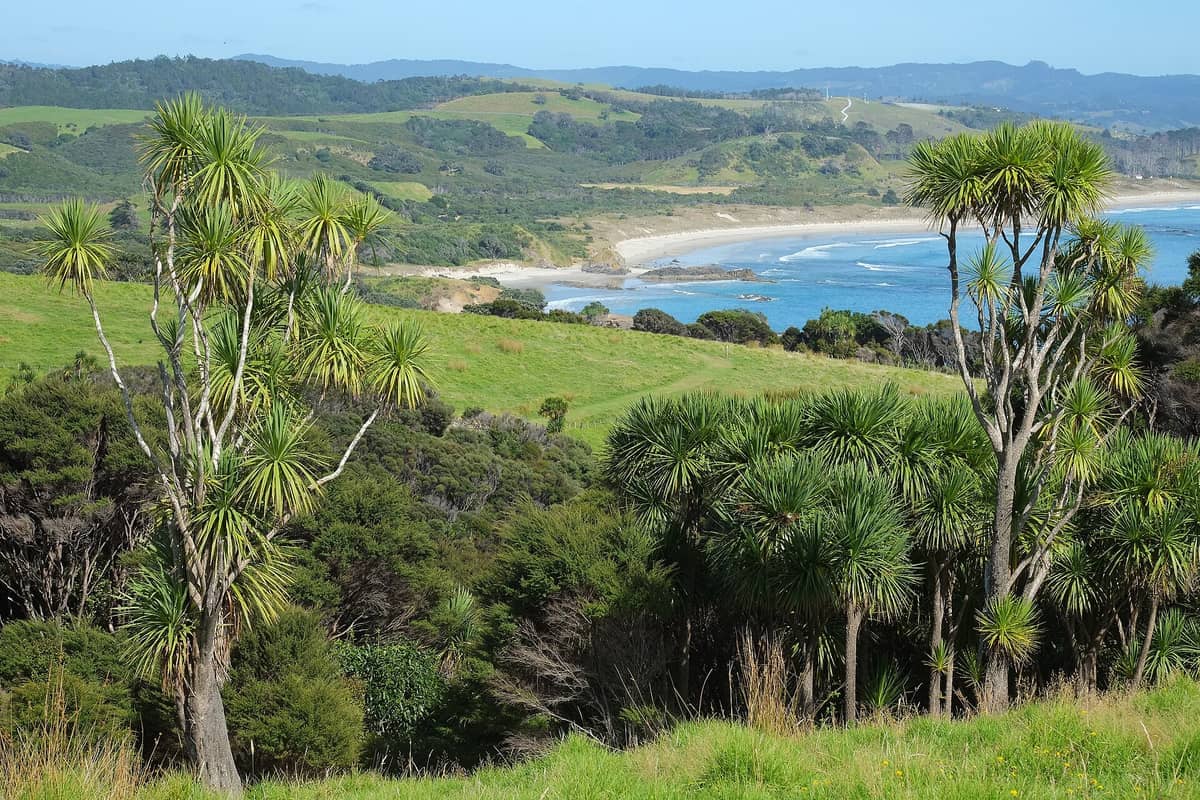
Tāwharanui Regional Park sits at the tip of a long peninsula jutting into the Hauraki Gulf, roughly 80 kilometres north of Auckland. It covers 588 hectares of coastal farmland, regenerating bush, wetlands, and headland — all enclosed since 2004 by a 2.5-kilometre pest-proof fence that runs across the neck of the peninsula. That fence changed everything. Before it, the land was managed farmland with limited native wildlife. Since it was installed, Auckland's parks team and community volunteers have released kiwi, kākāriki, tīeke (saddleback), pāteke (brown teal), and other species that had been absent from the area for generations.
The result is that Tāwharanui is now recognised as New Zealand's first integrated open sanctuary, meaning it combines active conservation with full public access. There are no entry locks, no booking systems for daytime visits, and no sense of being in a controlled zoo environment. You walk in, and the wildlife simply exists around you.
ℹ️ Good to know
Vehicle access: The park gate is open from 6am to 9pm during daylight saving time, and 6am to 7pm at other times. The park itself is listed as open 24 hours for pedestrians. Plan your departure accordingly — the gate closure is enforced.
Anchor Bay: The Centrepiece Beach
Anchor Bay is the park's main beach and the feature that draws most first-time visitors. It faces northeast, catching a clean swell from the Hauraki Gulf, and stretches for roughly a kilometre of sand flanked by low headlands covered in regenerating pohutukawa. In summer, the water is clear enough to see the sandy bottom in the shallows, and the surf is usually gentle enough for swimming, though there are no lifeguards. Always check conditions before entering the water.
Mornings at Anchor Bay before 9am feel almost private. The light comes in low and golden from the northeast, hitting the water at an angle that turns it a pale jade. By midday on weekends in January and February, the car park fills and families spread across the sand, though the beach is wide enough that it rarely feels cramped. Late afternoon brings the best photography conditions: the western hills cast long shadows over the bush, and the pohutukawa canopy glows when the trees are in flower through December and January.
Sand ladders provide the main access point from the picnic area down to the beach. The descent is gentle and manageable for most visitors, including those with young children. Prams can be used around the flat picnic areas near Anchor Bay and Jones Bay, though the sand itself is soft and pushchair access onto the beach is limited.
⚠️ What to skip
Tāwharanui has no surf lifesaving patrol. Swim between the flags at patrolled beaches if water safety is a concern, or treat this as an unpatrolled coastal environment and assess conditions carefully.
Tickets & tours
Live prices and dates from our booking partner. If you book, we may earn a commission at no extra cost to you.
Luggage Storage in Auckland
From 5 €Instant confirmationFree cancellationNew Zealand West Coast discovery tour
From 100 €Instant confirmationFree cancellation13,000ft skydiving experience in Auckland
From 195 €Instant confirmationFree cancellationDiscover Auckland City Tour
From 88 €Instant confirmationFree cancellation
Wildlife Watching: What to Realistically Expect
The conservation work at Tāwharanui has produced genuine results, and a careful visitor with patience can expect encounters here that simply aren't possible in most Auckland parks. Brown teal (pāteke) are among the easiest to spot: small, reddish-brown ducks that forage in and around the wetland areas near the road and picnic zones, often in the open during the day. They're one of New Zealand's rarest waterfowl, and seeing them so casually here is a reminder of what the fence has made possible.
Kiwi are present but are nocturnal and rarely seen during the day. If you're camping overnight, listening after dark is a different experience entirely. The thin, rising call of the North Island brown kiwi carries a long distance through still air, and hearing it from a campsite on the peninsula is genuinely startling if you've never encountered one before. Don't expect to see them on a daytime visit.
Tīeke (North Island saddleback) are more reliably encountered on the bush tracks, particularly the Ecology Trail and the upper sections of the Tāwharanui Track. They're bold birds and tend to move through the undergrowth noisily, often approaching quite close. Tūī, kererū (New Zealand wood pigeon), and fantails are common throughout. The kererū in particular are hard to miss: heavy-bodied birds that crash through the canopy with a loud wingbeat and perch prominently in the fruit-bearing trees.
💡 Local tip
Bring binoculars and arrive early on weekday mornings for the best birdwatching. The first two hours after the gate opens tend to be the quietest, and bird activity is highest at that time.
Walking Tracks: A Practical Overview
The park has several marked tracks ranging from short, flat walks to longer routes that cross the full length of the peninsula. The Ecology Trail near the main car park is the most popular short option: The Ecology Trail near the main car park is the most popular short option: a loop of roughly 2 hours through regenerating bush with interpretive signage about the sanctuary programme. with interpretive signage about the sanctuary programme. It's suitable for most fitness levels and gives a solid sense of the native vegetation that has returned since farming stopped.
For those wanting a longer day, the Tāwharanui Track runs along the ridge of the peninsula and connects to views across both the Hauraki Gulf and the Mahurangi Harbour. The coastal track sections involve some elevation gain and exposed terrain, so proper footwear matters. Bring water — there are no facilities on the longer tracks.
The park connects naturally with a broader interest in Auckland's regional parks and coastal geography. If you're planning a multi-day itinerary of natural sites north of the city, Tāwharanui pairs well with Goat Island Marine Reserve, which is about 20 minutes further north and offers some of New Zealand's best accessible snorkelling.
Getting There: The Drive and What to Know Before You Leave Auckland
There is no direct public transport to Tāwharanui Regional Park. The standard route from central Auckland heads north on State Highway 1, exits at Warkworth, then follows signs through Matakana before turning onto Omaha Flats Road and continuing along Takatu Road to the park entrance at 1181 Takatu Road. The drive takes approximately 80 minutes under normal conditions, though weekend traffic on SH1 through the northern suburbs can add time.
The Matakana section of the route passes through one of Auckland's small wine-producing areas. It's worth timing the trip to stop briefly in Matakana village, which has a weekend farmers' market, a cinema, and several cafés. There are no shops or food outlets inside the park itself, so stocking up in Matakana before the final 15-minute stretch to Tāwharanui is sensible.
For context on Auckland's wider range of natural day-trip options, the day trips from Auckland guide covers the range of destinations accessible by car and ferry from the city.
💡 Local tip
Fill your tank before leaving Warkworth. Petrol stations thin out considerably once you turn off toward Matakana, and there is nothing near the park entrance.
Camping and Overnight Visits
Tāwharanui has a basic campsite managed by Auckland Council. Overnight parking charges and booking conditions should be verified with Auckland Council before you go. The campsite offers toilets and cold water facilities; it is not a powered or luxury camping setup. The campsite offers toilets and cold water facilities; it is not a powered or luxury camping setup. The appeal is the setting, not the amenities: waking up inside a pest-free sanctuary before day visitors arrive is a different experience from the standard daytime visit.
Camping here during summer school holidays fills quickly. Book through the Auckland Council website well in advance if you plan to visit in December or January. The shoulder periods — March to May and September to November — are quieter and often have better weather stability for camping.
For those building a longer itinerary around outdoor Auckland, the best hikes in Auckland guide and the Auckland west coast beaches guide offer useful context for combining Tāwharanui with other natural sites.
Who Should Skip It (and Who Will Love It)
Tāwharanui is not suited to visitors looking for a quick or passive attraction. The park is 80 minutes from the city, requires a car, and offers no cafés, no interpretive centre, and no structured tours. If you have only a day in Auckland and want to cover multiple urban highlights, the park will consume most of it in travel time alone.
It's also not a great choice in heavy rain. The tracks become muddy and the views across the gulf disappear. Auckland's weather can change quickly year-round, so checking the forecast the night before is worthwhile.
For visitors primarily interested in Auckland's urban coastline, Long Bay Regional Park on the North Shore is more accessible by public transport and has a similar mix of beach and bush walking without the long drive.
On the other hand, for anyone with a genuine interest in New Zealand's conservation story, in native birdlife, or in finding a coastal environment that hasn't been shaped by development, Tāwharanui is exceptional. It is one of the very few places within a day trip of a major New Zealand city where you can walk through bush that actively harbours kiwi, hear saddlebacks in the canopy, and watch brown teal wade through a wetland — all without a tour guide, a fee, or a queue.
Insider Tips
- Arrive at gate opening on a weekday morning. The hour between 6am and 7am sees almost no other visitors, and the birdlife is at its most active. The difference between a weekday morning and a Saturday afternoon in January is significant.
- Walk the Ecology Trail clockwise. The signage is oriented that way and the best bush sections come early, before the track opens onto farmland views.
- Pack everything in. The park has no shop, no café, and no vending machines. Cold water, sunscreen, snacks, and a rubbish bag are all your responsibility.
- If you want a realistic chance of hearing kiwi, book a campsite and stay the night. Daytime visits will not produce a kiwi sighting. The calls typically begin after dark and can continue through the early hours.
- The pohutukawa trees along Anchor Bay flower through December and January. If you're visiting Auckland during that window, timing a trip to coincide with peak flowering makes the beach visually exceptional.
Who Is Tāwharanui Regional Park For?
- Birdwatchers and anyone with a specific interest in New Zealand's native species
- Families with older children who can manage the tracks and appreciate wildlife
- Campers wanting a conservation-focused overnight experience near Auckland
- Photographers looking for unspoiled coastal landscapes and native bird subjects
- Travellers spending several days in the wider Auckland region and willing to make the drive north
Nearby Attractions
Combine your visit with:
- Auckland Botanic Gardens
Spread across 64 hectares in Manurewa, the Auckland Botanic Gardens offer free entry every day of the year, with themed garden collections, 10 hectares of native forest, and a visitor centre on site. It sits south of the city centre and rewards a longer visit than most people initially plan for.
- Auckland Zoo
Auckland Zoo has been part of the city's fabric since 1922, sitting in the Western Springs precinct with a collection that spans native New Zealand wildlife and international species. This guide covers everything from ticket prices and transit options to the best time of day to arrive and which exhibits deliver the most.
- Bastion Point (Takaparawhau)
Takaparawhau, known widely as Bastion Point, is a grassy headland in Ōrākei where Māori history, colonial conflict, and sweeping Waitematā Harbour views converge. It costs nothing to visit, carries centuries of significance, and rewards visitors who take time to understand what they are standing on.
- Bethells Beach (Te Henga)
Bethells Beach, officially Te Henga (Bethells Beach), is a raw, dramatic stretch of black-sand coastline about 45 minutes west of central Auckland. With rolling dunes, a freshwater lagoon, strong surf, and zero phone coverage, it delivers a genuine wilderness experience rare for a city of 1.6 million people.
Planning a trip? Discover personalized activities with the Nomado app.