Tapalpa Pueblo Mágico: The Mountain Escape Near Guadalajara
Perched in the highlands of southern Jalisco about 140 km from Guadalajara, Tapalpa is a whitewashed colonial town designated as a Pueblo Mágico in 2002. It draws visitors with pine-scented air, volcanic rock formations, cool temperatures, and a slow pace that contrasts sharply with city life.
Quick Facts
- Location
- Southern Jalisco, Mexico — approx. 140 km from Guadalajara city center
- Getting There
- By car or bus from Guadalajara's Central Camionera (Nueva Central de Autobuses); approx. 2 hours by road
- Time Needed
- Full day minimum; overnight stay recommended to experience evenings and early mornings
- Cost
- No entrance fee for the town itself; fees may apply for specific outdoor attractions nearby
- Best for
- Nature lovers, couples, weekend escapers from Guadalajara, hikers, and anyone wanting a slower pace
What Tapalpa Actually Is
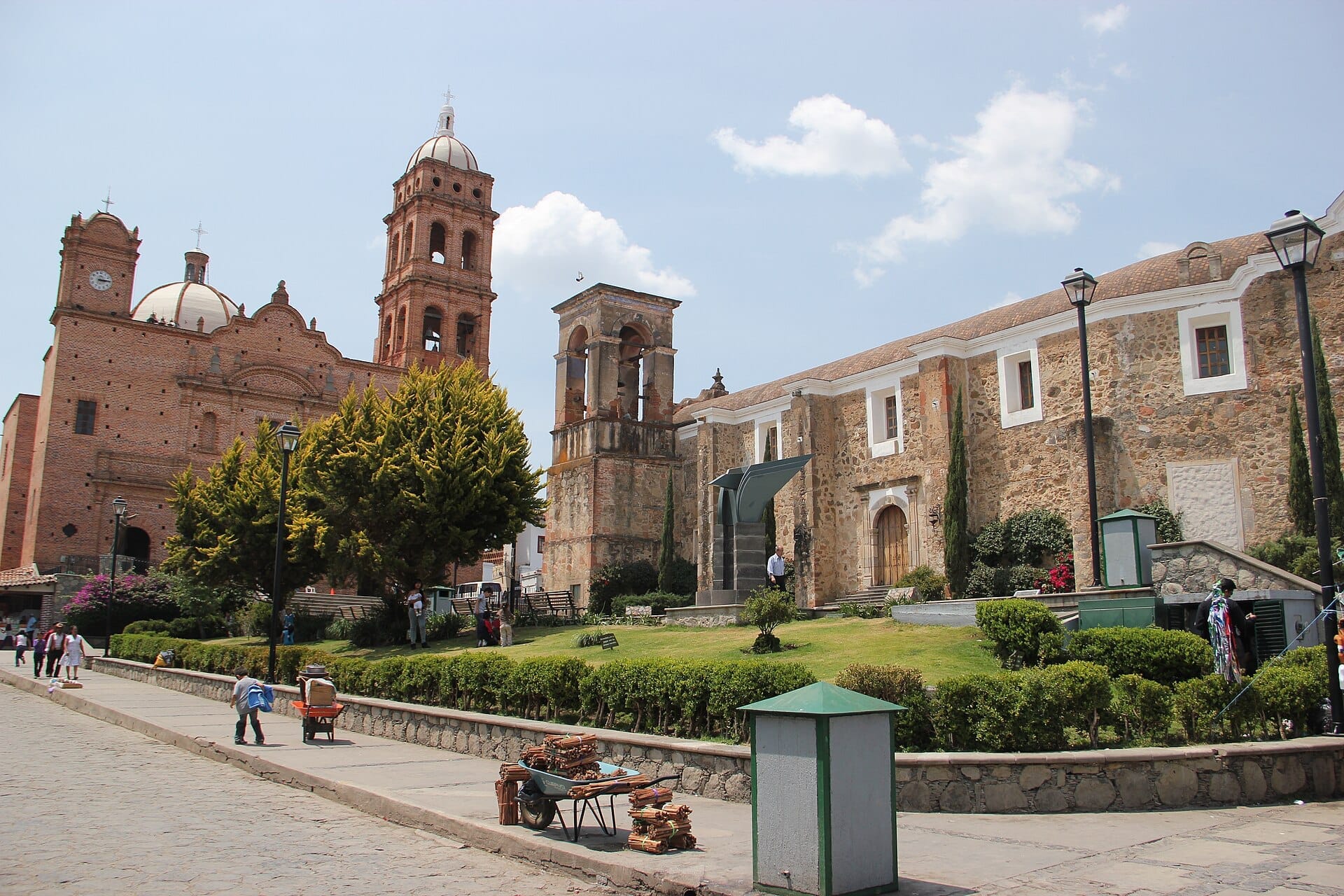
Tapalpa Pueblo Mágico is a small colonial town in the highlands of southern Jalisco, sitting at roughly 2,000 meters above sea level in a landscape of oak and pine forests. It received the Mexican government's Pueblo Mágico designation in 2002, one of the first towns in the country to earn that distinction, which recognizes communities with notable historical, cultural, or natural significance.
The town itself is compact, its center anchored by a simple white church and a plaza lined with low whitewashed buildings trimmed in red or brown. The streets are cobblestone, the sidewalks are narrow, and the overall atmosphere is one of deliberate quietness. People come here specifically to slow down. There are no major museums, no nightlife worth speaking of, and no landmark that demands three hours of your attention. The appeal is cumulative: the cool mountain air, the smell of wood smoke in the evening, the sound of church bells, the view from the edge of town over pine-covered ravines.
ℹ️ Good to know
Tapalpa sits at approximately 2,000 m above sea level. Temperatures are noticeably cooler than Guadalajara year-round, and winter nights can drop close to freezing. Always bring a jacket, even if you're visiting on a warm day.
Getting There from Guadalajara
The most practical way to reach Tapalpa is by car. The drive from Guadalajara takes roughly two hours under normal conditions, heading south via highway 54D toward Acatlán de Juárez and then into the sierra. The final stretch involves winding mountain roads with significant elevation gain, so if you're prone to motion sickness, sit in the front and keep your eyes on the road ahead.
Buses to Tapalpa depart from Guadalajara's main long-distance bus terminal. Journey time is similar to driving, though connections may require a transfer. If you prefer a guided experience with transport included, several operators in Guadalajara run day trips to Tapalpa. For more transport options around the region, see the guide to getting around Guadalajara.
Parking in the town center is available but limited on weekends and holiday weekends when Guadalajara residents descend in numbers. Arriving before 10 a.m. on a Saturday makes a real difference.
⚠️ What to skip
The mountain road into Tapalpa can be foggy in the early morning, especially during the June-September rainy season. Drive cautiously, and check road conditions if you're traveling after heavy rain.
Tickets & tours
Hand-picked options from our booking partner. Prices are indicative; availability and final rates are confirmed when you complete your booking.
Lake Chapala and Ajijic guided tour from Guadalajara
From 68 €Instant confirmationFree cancellationGuadalajara and Tlaquepaque guided tour
From 73 €Instant confirmationFree cancellation
The Town: What to Expect on Foot
Tapalpa's central plaza is small enough to cross in under two minutes, but it rewards unhurried attention. The parish church on the north side of the square is the visual anchor of the town, its white facade catching the light differently at different hours. In the morning it glows clean and sharp; in the late afternoon, the facade takes on a warm golden tone as the sun drops behind the hills to the west.
The streets radiating from the plaza contain a mix of local life and tourist infrastructure: small restaurants serving birria and pozole, craft shops selling textiles and wooden items, and a few cafes where you can sit with a cup of coffee and watch foot traffic slow to a comfortable crawl. On weekday mornings the town belongs mostly to locals, and it's worth arriving then if you want that version of it.
Weekend afternoons bring a different crowd: families from Guadalajara, groups of friends, couples. The plaza fills with vendors selling local sweets and antojitos. The energy is festive rather than overwhelming, but if you came for quiet contemplation, weekday visits are clearly better suited to that.
Las Piedrotas and the Surrounding Landscape
The most visually striking feature near Tapalpa isn't the town itself. It's Las Piedrotas, a field of massive volcanic basalt boulders sitting in an open meadow a short drive or long walk from the town center. The boulders are ancient, some reaching several meters in height, and their scale relative to the surrounding grassland creates an almost surreal composition. Photography here is particularly good in the early morning when mist sometimes lingers over the meadow.
The terrain around the boulders is uneven and requires sturdy footwear. This is not a paved attraction with guardrails. Visitors scramble over and between the rocks at their own discretion, and children tend to enjoy the physical freedom that entails. Adults who prefer level ground may find the experience less comfortable.
Beyond Las Piedrotas, the municipality includes waterfalls, forest trails, and viewpoints over deep ravines. Distances and trail conditions vary, and some of these require a local guide or at minimum specific directions from town. Ask at your accommodation or at a restaurant in the plaza for current trail conditions, especially after rain.
💡 Local tip
Visit Las Piedrotas first thing in the morning before other day-trippers arrive. The light is better and you'll often have the meadow largely to yourself for the first hour after sunrise.
Staying Overnight vs. Day Trip
Tapalpa can technically be done as a day trip from Guadalajara, and many people do it that way. You'll see the plaza, walk to Las Piedrotas, eat birria for lunch, and be back in the city by evening. That itinerary is reasonable and covers the main draws.
But the town is different after the day-trippers leave. Evenings in Tapalpa are quiet and cool, with wood smoke in the air from fireplaces in the older posadas and restaurants. Stars are visible in a way they rarely are from Guadalajara. If the point of coming is to actually decompress, one night changes the experience considerably. The town has small hotels and guesthouses at various price points. For context on how Tapalpa compares to other short escapes, see the day trips from Guadalajara guide.
Weather, Seasons, and When to Go
Tapalpa's elevation means temperatures stay cool year-round. During the rainy season from roughly June through September, the forests around town are intensely green but the mountain roads can become hazardous, trails get muddy, and fog reduces visibility. The waterfalls are at their most dramatic in this period, which is a trade-off worth considering.
October through February brings dry, clear days and cold nights. This is when the scenery is crisp and the walking conditions are best, though you'll need a warm layer even at midday. Weekend holiday periods (Mexican national holidays, Christmas week, Semana Santa) bring large crowds from Guadalajara and surrounding cities. If your travel dates are flexible, weekdays in November, December, or February offer the clearest skies with the fewest people. More context on seasonal patterns across the region is in the best time to visit Guadalajara guide.
Honest Assessment: Is It Worth It?
Tapalpa is a genuinely pleasant place, but it's worth being clear about what it offers and what it doesn't. The town has no world-class museum, no single landmark that justifies a long journey on its own, and no culinary scene beyond solid regional Mexican food. The Pueblo Mágico designation generates expectations that sometimes outpace the reality for international travelers used to more densely packed attractions.
What Tapalpa does well is atmosphere and natural setting. For visitors spending several days in Guadalajara who want a break from urban density, the contrast alone makes it worthwhile. It pairs particularly well with a visit to Lago de Chapala if you're planning multiple day trips from Guadalajara.
Travelers who are not drawn to mountain towns, who don't find cobblestone streets and pine forests particularly interesting, or who are hoping for a rich cultural or culinary program, may find that the two-hour drive each way doesn't pay off. That's a legitimate conclusion, and it's worth weighing before committing a full day of a short trip.
Insider Tips
- Arrive on a Friday evening rather than Saturday morning. You'll get the town before the weekend rush and can explore the plaza at night when it's lit and nearly empty.
- Birria is the local specialty and is served at several unpretentious spots near the market. Avoid the tourist-facing restaurants on the main plaza for food and look one or two blocks in from the square for better value.
- If you're driving, fill your tank in Guadalajara or in one of the larger towns before the final mountain approach. Gas stations become scarce once you're in the sierra.
- The meadow around Las Piedrotas is used for grazing cattle. Watch your step, and be aware that the ground is uneven throughout. Ankle-supporting footwear matters more here than it does in town.
- Cell coverage is inconsistent in parts of the surrounding countryside. Download offline maps of the area before leaving Guadalajara, particularly if you plan to explore trails beyond the town center.
Who Is Tapalpa (Pueblo Mágico) For?
- Guadalajara residents and visitors wanting a weekend or day-trip escape from the city
- Couples looking for a quiet, atmospheric overnight destination within easy driving distance
- Hikers and outdoor enthusiasts interested in volcanic landscapes, forest trails, and waterfalls
- Photographers drawn to colonial architecture, dramatic rock formations, and mountain light
- Families with children who can handle cobblestones and enjoy open outdoor spaces
Nearby Attractions
Combine your visit with:
- Ajijic (Lake Chapala Village)
Ajijic sits on the north shore of Lake Chapala, about an hour south of Guadalajara. With pre-conquest roots, cobblestone streets lined with art galleries, and one of Mexico's largest expat communities, it offers a completely different pace from the city. There is no admission fee to visit, and the town is accessible year-round.
- Bosque de La Primavera
Just 12 km west of Guadalajara, Bosque de La Primavera is a 30,500-hectare protected forest area offering hiking, birdwatching, hot springs, and rare ecological zones. It is one of the few places near a major Mexican city where you can genuinely disconnect from urban noise within 30 minutes.
- Bosque Los Colomos
Spanning roughly 92 hectares in northwestern Guadalajara, Bosque Los Colomos is a protected urban forest with ponds, pine-scented trails, and a Japanese garden donated by the city of Kyoto. Admission is free, and the park draws everyone from pre-dawn joggers to Sunday families.
- Japanese Garden — Bosque Los Colomos
Tucked inside the 93-hectare urban forest of Bosque Los Colomos, the Jardín Japonés is a formal Japanese-style garden donated by the people of Kyoto in 1994. It offers koi ponds, stone lanterns, arched bridges, and the kind of deliberate stillness that is genuinely hard to find in a city of over 1.5 million people.