Superblue Miami: What It's Actually Like Inside the Immersive Art Center
Superblue Miami is a 50,000-square-foot immersive art center in the Allapattah neighborhood, where large-scale installations by artists like teamLab dissolve the line between viewer and artwork. It is one of the most technically ambitious cultural venues in South Florida, and nothing quite prepares you for the scale of it until you walk through the first room.
Quick Facts
- Location
- 1101 NW 23rd Street, Allapattah, Miami, FL 33127
- Getting There
- Short ride from MiamiCentral (Brightline); metered street parking and valet available on-site Monday–Sunday
- Time Needed
- 2 to 3 hours; longer if you do the guided tour or the teamLab add-on
- Cost
- Adults from $32 (Mon–Thu) to $39 (Fri–Sun); children (3–12) $17; Florida residents from $29 online (Mon–Thu) and $36 on Fridays; teamLab add-on $12
- Best for
- Contemporary art fans, couples, curious teens, design and tech enthusiasts
- Official website
- www.superblue.com/miami
What Superblue Miami Actually Is
Superblue Miami opened in 2021 in a converted warehouse in Allapattah, a working-class neighborhood west of Wynwood that has quietly become one of the more interesting corners of Miami's art world. The venue concept was developed under the working name PaceX, a collaboration between the global art dealer Pace Gallery and the Emerson Collective-backed experiential art venture that became Superblue, with the aim of creating a permanent home for large-scale immersive work that could not exist in a traditional gallery.
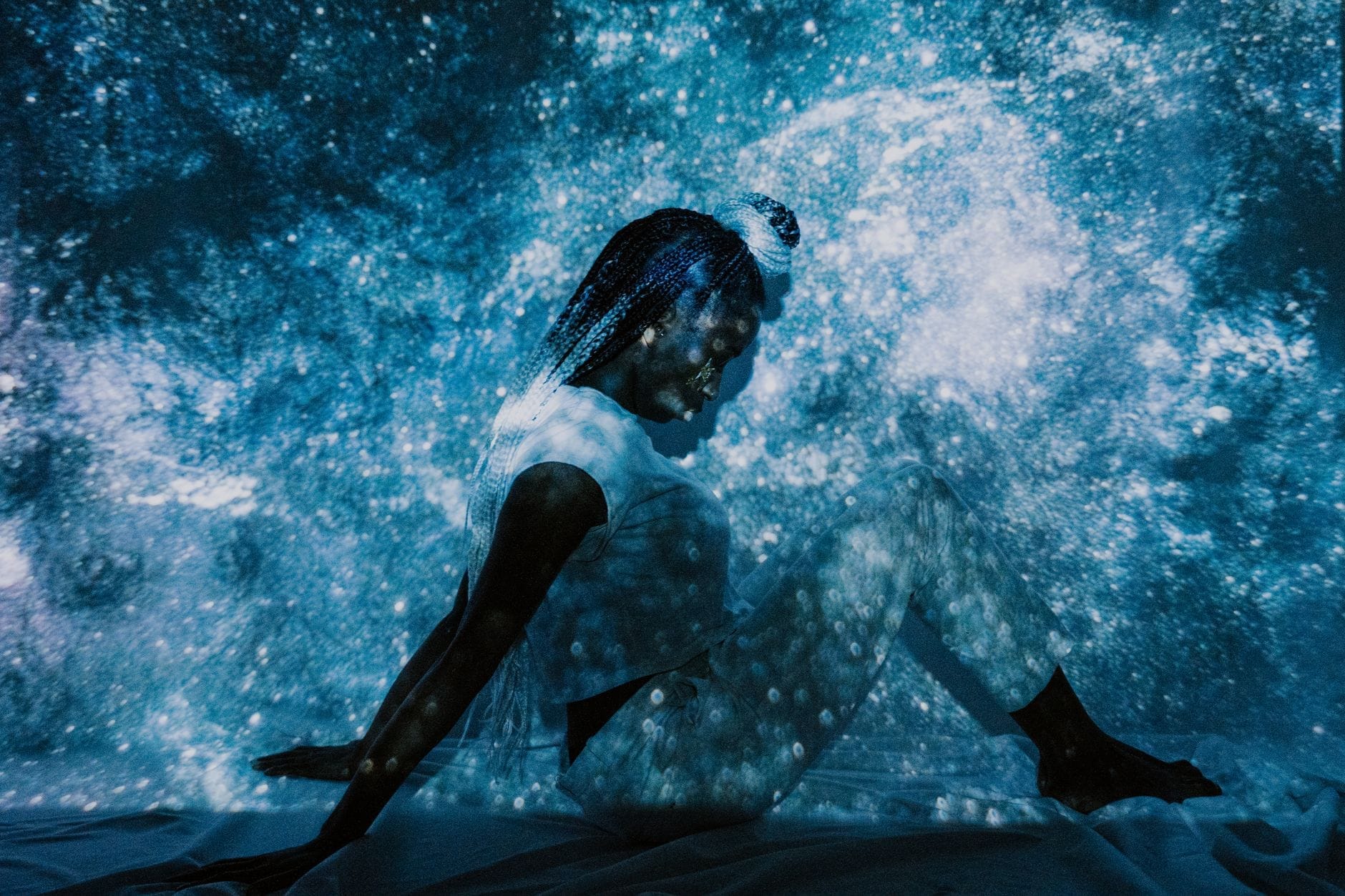
The result is a 50,000-square-foot building that functions less like a museum and more like a physical encounter with art. Installations here are not hung on walls or placed behind barriers. You move through them. Sound, light, water vapor, and projection technology combine to create environments that respond to your presence. The cumulative effect ranges from meditative to genuinely disorienting, depending on which room you are in.
ℹ️ Good to know
Superblue operates timed-entry ticketing, so purchasing in advance is strongly recommended, especially on weekends. Walk-in tickets are sometimes available but not guaranteed.
The Installations: What You Will Encounter
The anchor experience at Superblue Miami is the work of teamLab, the Tokyo-based art collective known for immersive digital environments that simulate natural phenomena: waterfalls, cellular growth, seasonal change, and light behavior in water. Their rooms at Superblue are not static displays. The visual content evolves continuously and responds to how many people are inside and where they move. Stand still in one of the projection rooms and the imagery will shift around you differently than if you walk through it.
The teamLab 'massless clouds' add-on experience, available for $12 on top of general admission, takes place in a separate room filled with a dense fog of illuminated water vapor. Visibility drops to a few feet in every direction. The sounds shift. It is, frankly, strange in the best way, and worth the extra cost if you have any tolerance for sensory immersion.
Beyond teamLab, Superblue has hosted large-scale commissions from other internationally recognized artists. The programming rotates, so what you encounter on one visit may differ from a visit six months later. Before you go, it is worth checking the current exhibition lineup on the official site so you know exactly what is showing during your window.
Tickets & tours
Hand-picked options from our booking partner. Prices are indicative; availability and final rates are confirmed when you complete your booking.
Double Decker sightseeing bus tour of Miami
From 34 €Instant confirmationFree cancellationMiami private sunset airplane tour with champagne
From 127 €Instant confirmationFree cancellationBest of Miami tour with airboat ride at the Everglades
From 170 €Instant confirmationFree cancellationMiami beach private plane tour with drinks
From 85 €Instant confirmationFree cancellation
How the Experience Changes by Time of Day
The venue opens to the public at 11:00 Monday through Thursday, at 10:00 on Fridays and Saturdays, and at 10:00 on Sundays. Early entry, particularly on weekday mornings, makes a noticeable difference. The projection rooms feel more powerful when you are one of ten people inside rather than forty. The sound design, which is a significant part of how each installation works, becomes clearer. You also get more opportunity to photograph without other visitors in frame.
Midday on weekends is the most crowded window. Families with children, larger groups, and tourists from nearby South Beach tend to arrive between noon and 3:00 pm. The experience is still worthwhile during these hours, but some of the quieter, more contemplative rooms lose their atmosphere when they fill up. Late afternoon on a Friday is a reasonable compromise: fewer school-age visitors, and the reduced weekend crowd is still manageable.
💡 Local tip
Superblue offers sensory-friendly sessions on select dates with reduced lighting intensity, lower sound levels, and smaller crowd caps. If you or someone in your group is sensitive to intense sensory environments, check the official calendar for these sessions before booking.
Getting There and the Surrounding Neighborhood
Superblue sits at 1101 NW 23rd Street in Allapattah, directly across from the Rubell Museum, one of Miami's most significant private contemporary art collections. The two venues make a logical pairing for a full cultural afternoon, though they require separate tickets. The area around them is still largely industrial and residential, with few tourist amenities on foot, so plan accordingly for meals.
The most straightforward public transit-style route is via Brightline to MiamiCentral station in Downtown Miami, then a short Brightline+ or rideshare ride from there. Ride-hailing via Uber or Lyft is the most practical option for most visitors. Metered street parking is available on NW 23rd Street and surrounding blocks, and valet parking is offered at the venue for a fee. For a broader look at how to move around the city, Miami's transportation guide covers the full range of options including Metrorail, Metromover, and ride-hailing.
Allapattah is west of Wynwood, and the two neighborhoods are close enough that combining them in a single day is straightforward. Wynwood's street art and gallery scene provides a sharp contrast to Superblue's controlled interior environment, and the walk between the two areas, while possible, is better covered by car or rideshare given Miami's heat.
Tickets, Hours, and Practical Details
General admission is priced at $32 Monday through Thursday and $39 Friday through Sunday. Florida residents can access a discounted rate of $29 (Monday through Thursday) or $36 (Friday), but this requires booking online in advance and presenting valid proof of Florida residency at entry; the resident rate does not apply on Saturdays or Sundays. Students, seniors aged 65 and over, military members, and frontline healthcare workers also qualify for the $29/$36 rate. Children aged 3 to 12 pay $17 every day of the week. Children under 3 enter free.
Opening hours are 11:00 to 19:00 Monday through Thursday, 10:00 to 20:00 on Fridays and Saturdays, and 10:00 to 19:00 on Sundays. Hours may vary around public holidays and special events. A guided tour in both English and Spanish departs at 1:00 pm and is included with general admission, which makes it worth planning around if you want interpretive context rather than free exploration.
- Wear comfortable shoes with flat soles — some rooms have uneven or soft flooring surfaces
- Avoid bringing large bags; storage is limited and lockers may not be available for all group sizes
- Photography is permitted in most installations but flash is prohibited and tripods are generally not allowed
- The venue includes a concept store and a cafe, which are accessible without a ticket from the entrance area
Who Will Get the Most Out of Superblue, and Who Might Not
Superblue Miami works best for visitors who approach it with some patience and genuine curiosity about how space, light, and sound can function as artistic material. If you come in the right frame of mind, even a single room can hold your attention for fifteen or twenty minutes. People with a background or interest in contemporary art, digital media, or design tend to engage most deeply. It pairs well with a visit to the Pérez Art Museum Miami or the Institute of Contemporary Art Miami for a full day of serious contemporary programming.
Young children between roughly five and twelve often respond with genuine delight to the interactive light rooms, so it can work as a family outing, but toddlers and infants may find the dark, loud environments unsettling. The sensory-friendly sessions mentioned above are specifically designed for visitors who need a lower-intensity version of the experience.
Some visitors leave feeling the ticket price is steep relative to what they got, and that criticism is worth acknowledging honestly. If you have no particular interest in digital or immersive art and are primarily looking for something to do on a rainy afternoon, Superblue may feel overpriced. But for the right visitor, it is one of the more technically remarkable cultural experiences currently available in South Florida. The scale of the teamLab work in particular is difficult to encounter anywhere else in the region.
⚠️ What to skip
Some of the projection rooms are very dark, and several feature strobing or rapidly shifting light. Visitors with photosensitive epilepsy or severe light sensitivity should review the current exhibition details and contact the venue at +1-786-697-3405 before booking.
Photography Tips
Superblue is an excellent photography location, but the technique that works in daylight fails here. The rooms are dark and the light sources move. To get sharp images of projection environments, use your smartphone's portrait or night mode, keep your phone steady against your body, and shoot during a moment when the projection is at peak brightness. Dedicated cameras benefit from a wide-aperture prime lens and ISO settings between 1600 and 3200. Burst mode helps capture the exact frame where the light and your position align.
For the teamLab fog room, auto-focus struggles with the thick vapor. Switch to manual focus, set it to roughly arm's length, and shoot close to your subject. The results in that environment are genuinely striking. Superblue's installations are among the most distinctive photo opportunities in Miami, easily distinguishable from the beach and street-art shots that dominate coverage of the city. If you are looking for context on Miami's broader photography and art scene, the Wynwood neighborhood guide covers some complementary outdoor options nearby.
Insider Tips
- Book the Monday or Tuesday 11:00 am slot for the emptiest rooms. The weekday morning window is a qualitatively different experience compared to a Saturday afternoon.
- The guided tour at 1:00 pm is included with your ticket and typically runs in both English and Spanish. Even if you prefer free exploration, joining it for the first fifteen minutes of a room gives you context that changes how you read the rest of it.
- Florida residents get a meaningful weekday discount but must book online in advance. The resident rate is not available at the door or on weekends, so if you qualify, do not skip this step.
- The concept store near the entrance does not require a ticket, so if you are curious about the venue before committing, you can walk through the entrance area and get a sense of the scale and atmosphere before purchasing.
- Combine your visit with the Rubell Museum directly across the street. Both venues have separate admission, but together they form one of the most concentrated doses of serious contemporary art anywhere in Miami.
Who Is Superblue Miami For?
- Contemporary art and design enthusiasts who want to move through the work rather than observe it from a distance
- Couples looking for an unusual and visually striking shared experience
- Teenagers and older children who engage well with technology-driven interactive environments
- Photographers seeking distinctive, non-beach Miami imagery
- Visitors combining a cultural day with Wynwood's street art scene or the Rubell Museum
Nearby Attractions
Combine your visit with:
- Aventura Mall
Aventura Mall is Florida's largest enclosed shopping center, spanning roughly 2.7 million square feet with more than 300 stores, dozens of restaurants, and a growing collection of public art. Positioned between Miami and Fort Lauderdale, it draws shoppers from across South Florida and beyond. Whether you are hunting flagship luxury brands or simply escaping the afternoon heat, the mall delivers a surprisingly complete half-day experience.
- Biscayne National Park
Biscayne National Park protects one of the largest coral reef ecosystems in North America, about 35 miles south of downtown Miami. With 95% of its 172,971 acres underwater, this is not a typical roadside park — it rewards those who come prepared to snorkel, dive, kayak, or sail.
- Deering Estate
The Deering Estate is a 444-acre historic preserve in South Miami-Dade that combines 1920s-era architecture, fossil-rich limestone terrain, coastal mangroves, and a surprisingly ambitious arts program. It rewards slow exploration and offers a side of Miami most visitors never see.
- Everglades National Park
Everglades National Park protects the largest subtropical wilderness in the United States, just an hour from Miami. From alligator-lined boardwalks to silent sawgrass prairies stretching to the horizon, it rewards visitors who prepare — and humbles those who don't.