Springs Preserve: Las Vegas's Birthplace, 180 Acres Removed from the Strip
Springs Preserve is a 180-acre cultural and educational attraction in Las Vegas dedicated to the city's natural and human history. With botanical gardens, interactive museums, desert trails, and rotating exhibits, it offers a genuine counterpoint to the Strip's artificial glitter.
Quick Facts
- Location
- 333 S. Valley View Blvd, Las Vegas, NV 89107
- Getting There
- Accessible by car or RTC bus; limited public transit options, so a rideshare is practical
- Time Needed
- 2–4 hours for a thorough visit; half a day if you explore all exhibits and trails
- Cost
- Non-residents: $18.95 adults, $10.95 children (3–17), $17.95 seniors, $8.95 military; Nevada residents pay $9.95 adults, $4.95 children (3–17), $8.95 seniors and military; children 2 and under free.
- Best for
- Families, nature lovers, history buffs, and anyone wanting a break from casino floors
What Is Springs Preserve?
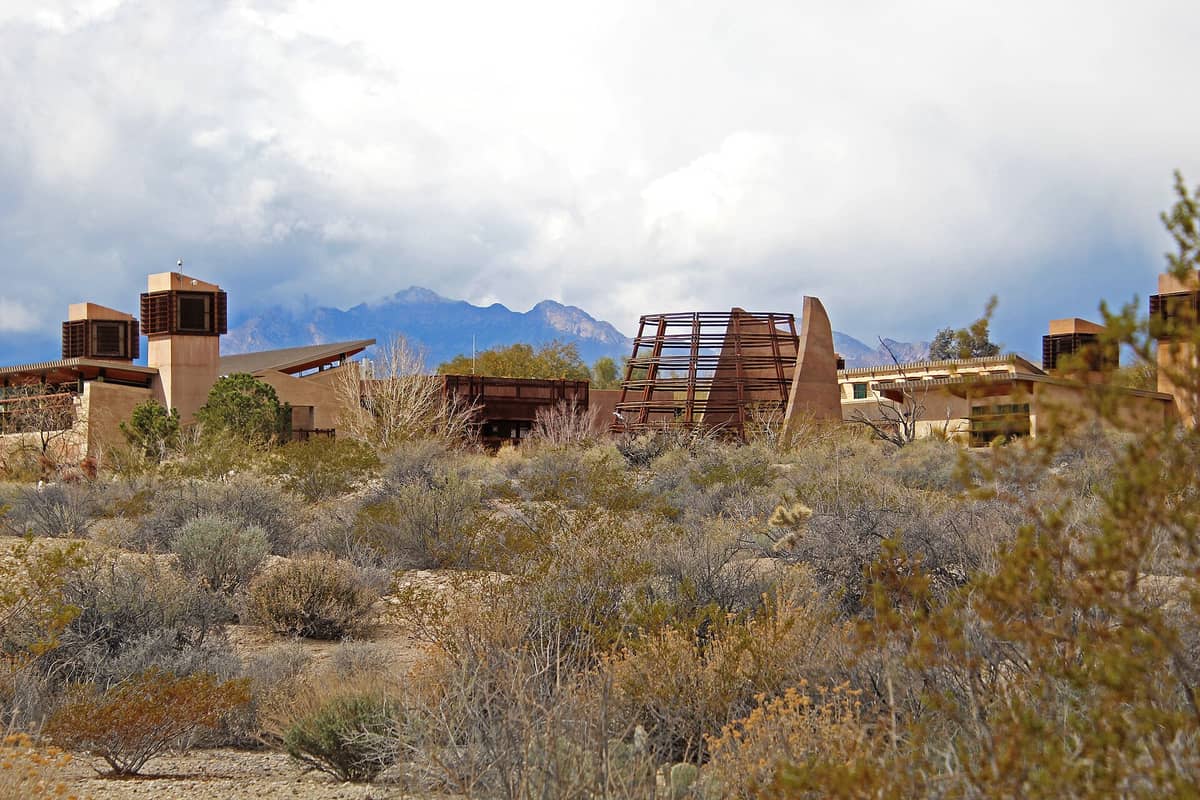
Springs Preserve is a 180-acre cultural institution in Las Vegas built around the natural springs that first made human settlement in this stretch of the Mojave Desert possible. The site is formally described as the birthplace of Las Vegas, and that framing holds up. Long before casino resorts existed, indigenous peoples and later Mexican traders and American settlers stopped here for water along the Old Spanish Trail. The springs that surfaced at this location eventually drew the railroad, which in turn seeded the city.
Today the preserve blends outdoor desert trails, a botanical garden, indoor exhibit galleries, and event programming into a single campus. It is operated by the Las Vegas Valley Water District, with the Nevada State Museum sharing the site, giving it an institutional seriousness that distinguishes it from purely commercial attractions.
ℹ️ Good to know
Springs Preserve is open Thursday through Monday, 9:00 a.m. to 4:00 p.m., with last entry at 3:00 p.m. It is closed Tuesday, Wednesday, Thanksgiving Day, and Christmas Day. Members receive early entry to the outdoor natural areas from 8:00 a.m.
The Historical Weight of This Site
The springs that give this preserve its name once flowed freely at the surface, creating a rare desert oasis that supported plant life, wildlife, and eventually people. For indigenous communities of the region, this water source was a landmark. Spanish and Mexican traders passing through the Mojave recognized it as a reliable stop on what became the Old Spanish Trail connecting New Mexico to California.
By the mid-19th century, Mormon missionaries established a short-lived fort here, and the arrival of the Union Pacific Railroad in 1905 transformed the springs from a waypoint into the nucleus of a new city. Groundwater pumping through the 20th century eventually caused the springs to stop flowing naturally, which is part of the story the preserve tells honestly: this is also a site of ecological loss, not just founding mythology.
That self-critical perspective gives the attraction intellectual substance. The exhibits inside the Nevada State Museum on site and in the Wolfgang Puck-designed Origen Museum engage with Las Vegas's water history in a way that connects directly to present-day desert sustainability challenges. If you want deeper context on the region's geography and formation, the Red Rock Canyon Scenic Drive offers a complementary geological lens on the same Mojave landscape.
Tickets & tours
Hand-picked options from our booking partner. Prices are indicative; availability and final rates are confirmed when you complete your booking.
Go City | Las Vegas All-Inclusive Pass
From 140 €Instant confirmationFree cancellationGolden Eagle West Rim helicopter tour with Hoover Dam and Lake Mead
From 401 €Instant confirmationFree cancellationGrand Canyon 6-in-1 tour
From 417 €Instant confirmationFree cancellationHighlights Over the Grand Canyon air tour from Las Vegas
From 195 €Instant confirmationFree cancellation
What You Actually Experience on the Ground
Walking into Springs Preserve from the parking area, the temperature shift is immediate. Desert plantings along the entry paths cast thin shade, and the absence of neon and engine noise creates a sensory reset that Las Vegas rarely offers. The air smells of dry earth and faint desert sage, especially on mornings when the overnight temperature has dropped into the 60s.
The campus divides roughly into indoor and outdoor zones. The indoor galleries, including the Origen Museum and the Nevada State Museum, handle the interpretive and historical content. Outside, you find the Botanical Garden, desert wetlands habitat, and several miles of trail winding through native plant communities. The trails are mostly flat and compacted gravel, making them accessible to visitors with strollers or limited mobility, though they are exposed to full sun for much of their length.
Morning visits, particularly in spring and autumn, give you the best combination of comfortable temperatures and bird activity. Quail, hummingbirds, and various desert songbirds are reliably present near the wetland areas in the early hours. By early afternoon in summer, the outdoor areas become genuinely uncomfortable, with temperatures regularly exceeding 100°F (38°C), so visitors without a heat tolerance strategy should plan accordingly.
⚠️ What to skip
Summer afternoon heat on the outdoor trails is serious. Bring at least 16 oz of water per person, wear sun protection, and plan to be indoors by 11:00 a.m. if you visit between June and September. The exhibits are air-conditioned and worth retreating to.
The Exhibits and Galleries Up Close
The Origen Museum is the centerpiece indoor experience. Its permanent exhibits trace Las Vegas's geological and cultural evolution from ancient lake bed to modern city, using diorama-style displays, artifact collections, and interactive media. The writing and curation are notably honest about environmental trade-offs, which makes the experience feel substantive rather than promotional.
The Nevada State Museum component focuses on natural history, with mounted specimens, fossil displays, and exhibits on Mojave Desert ecology. Families with children who have done any school work on desert animals will find satisfying depth here. Interactive stations are scattered throughout, calibrated for kids roughly in the 6–12 age range, though younger children tend to engage well with the tactile elements.
Rotating temporary exhibits and seasonal programming expand the calendar. The Halloween-season Haunted Harvest event and the winter holiday lighting draw locals more than tourists. If you're visiting Las Vegas with children and want structured indoor educational content alongside outdoor play space, Springs Preserve competes favorably with the Discovery Children's Museum downtown, though the two attractions serve slightly different age ranges and interests.
The Botanical Garden and Trails
The botanical garden occupies a significant portion of the outdoor campus and features curated plantings of native Mojave Desert species alongside demonstration gardens showing water-efficient landscaping techniques. This is practical education for Nevada residents facing mandatory water conservation, but visitors from wetter climates often find it visually surprising. Agave, Joshua trees, desert willows, and various cacti species are labeled and arranged in ecologically themed sections.
The trails extend through areas of restored desert wetland habitat, where interpretive signage explains the history of the springs and the ongoing effort to support native wildlife. In early spring, after any winter rain, the desert floor produces brief but striking wildflower blooms. In late afternoon, the golden light on the sandstone and terracotta tones of the desert plantings produces excellent photographic conditions without the midday harshness.
For visitors who want to extend their desert experience beyond the preserve's curated environment, Calico Hills at Red Rock Canyon is about 20 minutes west by car and offers a dramatically wilder version of the same Mojave landscape.
Getting There and Practical Logistics
Springs Preserve sits at 333 South Valley View Boulevard, approximately 10 minutes by car from the Las Vegas Strip. Rideshare is the most practical option for visitors without a rental car, as direct public transit connections are limited. The preserve has free on-site parking for those driving.
Ticket pricing follows a two-tier structure: Nevada residents pay roughly half the non-resident rate. Non-resident adult tickets run approximately $18.95, with children aged 3–17 at $10.95, seniors 65 and over at $17.95, and military personnel at $8.95. Children two and under enter free, though tickets are still technically required. Tickets can be purchased online in advance or at the on-site ticketing office. Buying online eliminates the possibility of a sold-out entry window on busy weekend days.
If your Las Vegas trip includes multiple cultural stops, Springs Preserve pairs naturally with the Mob Museum in downtown Las Vegas for a full-day focus on the city's layered history — one natural, one decidedly human.
💡 Local tip
Photography tip: The wetland areas photograph best in the two hours after opening. Bring a mid-range zoom lens if you have one — bird activity near the water is genuine and the natural light is soft before 11:00 a.m.
Who This Attraction Suits and Who It Does Not
Springs Preserve works well for families with school-age children, nature-focused travelers, history enthusiasts, and anyone who wants a half-day counterpoint to the Strip's entertainment density. The combination of air-conditioned museums and outdoor trails gives it flexibility across weather conditions.
Visitors looking for thrills or nonstop spectacle will find Springs Preserve too quiet. The pace is reflective, not adrenaline-driven. If Las Vegas's outdoor attractions are your priority and you want more physical challenge, consider pairing this visit with a hike — our guide to hiking near Las Vegas covers options ranging from accessible walks to serious canyon trails within an hour of the city.
Travelers on very tight budgets may weigh the ticket price against the free or low-cost alternatives in the city. Springs Preserve justifies its admission through sheer volume of content, but if your time and budget are limited, it rewards those who actually engage with the exhibits rather than those who walk through quickly.
Insider Tips
- Visit on a Thursday morning after the Tuesday-Wednesday closure. The grounds are freshly maintained and crowds are noticeably lighter than on weekends.
- The Nevada State Museum component is often overlooked by visitors who focus on the Origen Museum. The natural history fossil and specimen collections are worth a dedicated 45 minutes.
- If you're a Nevada resident, bring your state ID. The resident discount is significant and requires proof at the ticketing window.
- The demonstration gardens near the botanical garden entrance contain water-wise landscaping ideas that Nevada locals find genuinely useful for home gardens. Pick up the printed plant guide at the entry kiosk.
- Seasonal evening events, particularly the autumn and winter programming, draw a local crowd and offer a completely different atmosphere from the daytime educational visit. Check the official website calendar before your trip.
Who Is Springs Preserve For?
- Families with children aged 5 and up who want hands-on educational content alongside outdoor space
- History and culture travelers seeking context beyond casino architecture
- Nature and desert ecology enthusiasts, particularly birders during morning hours
- Visitors wanting a low-key half-day that doesn't involve gambling or loud environments
- Las Vegas locals looking for seasonal events and membership-level early access
Nearby Attractions
Combine your visit with:
- Antelope Canyon
Antelope Canyon is a series of sculpted slot canyons carved into Navajo Sandstone near Page, Arizona, and one of the most visually striking natural formations in the American Southwest. Accessible only on guided tours led by licensed Navajo guides, it requires advance planning but rewards visitors with an experience unlike anywhere else within day-trip range of Las Vegas.
- Area 51 & Extraterrestrial Highway
Nevada State Route 375, officially designated the Extraterrestrial Highway in 1996, is a 98-mile desert drive skirting the perimeter of the most famous restricted military installation on Earth. It costs nothing to drive, demands serious preparation, and delivers a genuinely remote American landscape that few Strip visitors ever see.
- AREA15 Immersive Entertainment Complex
AREA15 is a 35-acre immersive entertainment and events district just off the Las Vegas Strip, packed with art installations, bizarre interactive experiences, bars, and ticketed attractions like Omega Mart. Daytime entry is free, but the real substance costs extra — and it's worth understanding the pass tiers before you arrive.
- Death Valley National Park
Just two hours from the Las Vegas Strip, Death Valley National Park is the hottest, driest, and lowest national park in the United States. From the salt flats of Badwater Basin to the sculpted dunes of Mesquite Flat, it rewards early risers and well-prepared visitors with landscapes found nowhere else on Earth.