Sirkeci Station: Where the Orient Express Met the East
Sirkeci Train Station in Eminönü is one of Istanbul's most storied buildings, built in 1890 as the Istanbul terminus of the Orient Express. Today it serves Marmaray commuters while its ornate façade and tiled halls quietly narrate a century of continental travel.
Quick Facts
- Location
- Hoca Paşa, Sirkeci, Eminönü, Istanbul
- Getting There
- T1 tram to Sirkeci stop; Marmaray to Sirkeci station; Eminönü ferry piers a 3-minute walk
- Time Needed
- 30–60 minutes for the building; combine with Eminönü waterfront for a half-day
- Cost
- Free to enter the building; Marmaray/tram fares paid via İstanbulkart
- Best for
- History lovers, architecture admirers, rail enthusiasts, and Eminönü walkers
- Official website
- www.tcddtasimacilik.gov.tr
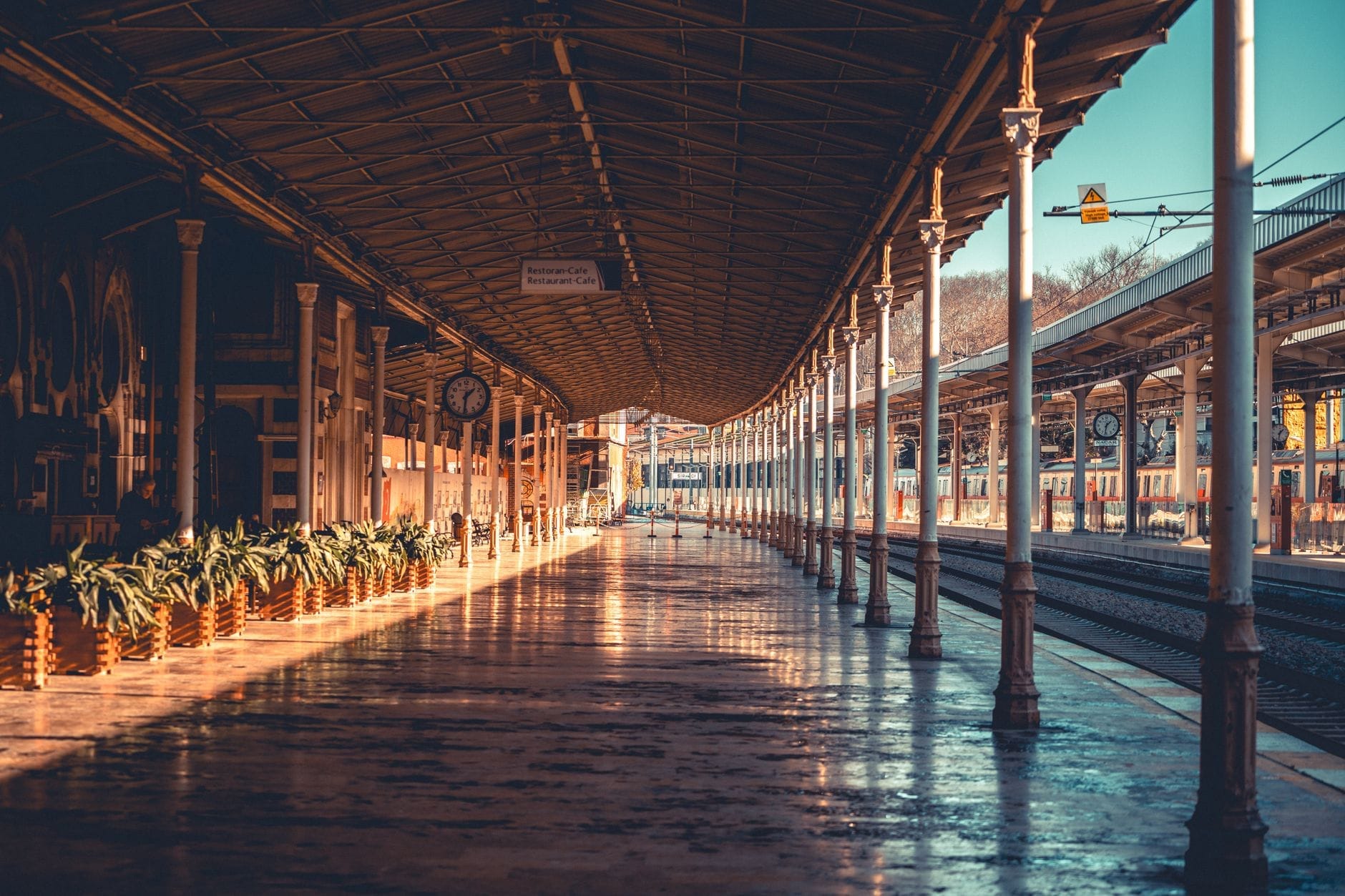
A Station at the Edge of Two Worlds
Sirkeci Train Station stands at one of the most symbolically loaded addresses in the world, a wedge of waterfront in Eminönü where the Golden Horn meets the Sea of Marmara and Europe technically ends. For much of the late 19th and early 20th centuries, this building was the final stop for passengers who had ridden for days across the continent on the Orient Express from Paris. The train that defined romantic travel in the European imagination always terminated here, at the edge of Asia. That backstory gives the building a weight that outlasts its current role as a commuter rail hub.
The station is officially known as Eminönü's İstanbul Sirkeci Garı. It sits within easy walking distance of the Spice Bazaar, the waterfront ferry piers, and the edge of Sultanahmet. In practical terms, that means you can fold a visit into almost any itinerary centered on the historic peninsula without going out of your way.
💡 Local tip
Entry to the station building is free. You only need an İstanbulkart if you are catching a Marmaray train. Come simply to look at the architecture and you won't spend a lira.
The Building: Orientalist Architecture Done with Precision
Sirkeci Station was designed by August Jasmund, a Prussian architect working for the Oriental Railway company, and its current terminal building was inaugurated on 11 February 1890 during the reign of Sultan Abdülhamid II. Jasmund's brief was essentially to design a European station that would feel at home in Ottoman Istanbul, and the result is a building that pulls from both traditions without awkwardly forcing them together.
The façade is organized around a large central rose window flanked by two towers, but the details are unmistakably drawn from Ottoman and Moorish sources: pointed horseshoe arches frame the main entrance, colored ceramic tiles in geometric patterns cover sections of the exterior, and stained glass fills the upper windows with warm amber and green light. On a sunny morning, that stained glass throws colored patches across the floor of the main hall in a way that no amount of photography quite captures.
The interior concourse is smaller than you might expect for such a historically significant station. The vaulted ceiling and tiled walls give it a quieter, more intimate atmosphere than a major terminus. Commuters move through quickly; most do not look up. That indifference actually works in your favor if you come to study the architecture, because you can stand in the middle of the hall examining the details without being in anyone's way.
Tickets & tours
Hand-picked options from our booking partner. Prices are indicative; availability and final rates are confirmed when you complete your booking.
Bosphorus sunset cruise on luxury yacht with guide
From 55 €Free cancellationIstanbul and Bosphorus cruise on private boat - half day afternoon tour
From 40 €Instant confirmationFree cancellationWhirling Dervishes live show and exhibition
From 29 €Instant confirmationBasilica Cistern fast-track entry ticket and optional audio guide
From 34 €Instant confirmation
The Orient Express Legacy
From 1889 until the mid-20th century, Sirkeci was the Istanbul terminus for international rail services from Europe, including the legendary Orient Express; until March 2013 it remained the terminus for other international trains. The Compagnie Internationale des Wagons-Lits operated sleeping cars on this route, and the journey from Paris through Vienna, Budapest, Bucharest and Sofia to Istanbul became one of the defining travel experiences of the early 20th century. Agatha Christie wrote 'Murder on the Orient Express' while staying in Istanbul, and the station itself appears in the story.
In March 2013, international and mainline rail services were shifted to Halkalı station on the western edge of the city as part of the Marmaray project's reconfiguration of Istanbul's rail network. Sirkeci lost its role as an international terminus and became a stop on the Marmaray suburban line. For rail history enthusiasts, that shift was bittersweet. For visitors, it means the building is now calm enough to appreciate properly. Pair a visit here with a walk along the Galata Bridge for a sense of how this waterfront district connects across the Golden Horn.
What to Expect at Different Times of Day
Early morning, roughly 7 to 9am, is when the station is at its most functional and least touristic. Commuters stream through the Marmaray turnstiles, vendors sell tea and simit on the pavement outside, and the low-angle light catches the colored tilework on the façade with particular clarity. The smell of baking bread from a nearby bakery usually drifts through the entrance at this hour. It is an efficient, workday atmosphere with little romance, but photographically it is excellent.
Midday brings a steadier mix of tourists from the nearby Sultanahmet cluster and locals running errands. The stained glass effect is strongest between roughly 10am and noon when sunlight enters from the south-east. By early afternoon the hall can feel warm and slightly close in summer, with the crowds from the adjacent ferry piers adding to foot traffic on the surrounding streets.
Late afternoon, particularly in autumn and spring, is when the exterior looks its best. The low western sun catches the tiles and the carved stonework in a warm raking light. The surrounding plaza fills with people finishing their day, and the Bosphorus ferries departing from Eminönü create a backdrop of water and minarets visible from directly in front of the station entrance. Evenings are quieter; the building remains accessible but the architectural details are harder to read under artificial light.
ℹ️ Good to know
The station building and historic concourse are generally accessible only during limited daytime opening hours rather than 24 hours; plan your visit for roughly late morning to early evening, and check current information. Marmaray timetables should be checked on the official TCDD Taşımacılık or İstanbul transport authority websites before travel.
Getting There and Getting Around the Area
The T1 tram line, which runs from Bağcılar through Sultanahmet and along the waterfront to Kabataş, stops directly in front of the station at the Sirkeci tram stop. This is the most straightforward way to arrive from Sultanahmet (one stop) or from the Karaköy and Galata area (a short tram ride across the bridge). The Marmaray suburban line serves the underground Sirkeci Marmaray station nearby, connecting it to points east and west along the Marmara coast and through the Bosphorus tunnel to the Asian side.
Eminönü ferry piers are a three-minute walk. From there you can catch city ferries to Kadıköy, Üsküdar, Beşiktaş, and the Bosphorus villages. The Spice Bazaar is about a five-minute walk inland, and the edge of Sultanahmet with Hagia Sophia is roughly ten minutes on foot. Everything here is compact; Sirkeci Station works well as an orientation point for the entire lower historic peninsula.
All public transport in Istanbul uses the İstanbulkart contactless smart card. Single-use tokens are available at station machines, but the card gives a lower per-journey fare. Accessibility: the station has elevators and ramp access to platforms, making it usable for travelers with mobility requirements.
Is It Worth Your Time?
Frankly, Sirkeci is not a destination attraction in the way that Topkapı Palace or Hagia Sophia is. There is no permanent museum inside dedicated to the Orient Express, and the interior, while genuinely beautiful, takes perhaps twenty minutes to study properly. What the station offers is something more subtle: a very physical reminder that Istanbul was, for almost a century, the end of Europe as travelers understood it. The building was designed to make that moment feel significant, and in some ways it still does.
If you are building an itinerary around Istanbul's layered history, Sirkeci fits naturally into a morning that begins at Sultanahmet and works its way down toward the waterfront. If you are simply passing through on the T1 tram or Marmaray, step off for half an hour and look at what was built here. It earns the detour.
Travelers who are primarily interested in active sightseeing, interior exhibits, or grand spectacle may find the visit thin. The building's appeal is architectural and atmospheric rather than programmatic. There are no ticketed galleries, no interactive displays, and no guided tours operating from within the station itself.
Photography Notes
The exterior façade photographs best in the late afternoon from the plaza directly in front, using the station as a frame with the tram tracks in the foreground. For the interior stained glass, arrive between 9 and 11am when direct sunlight enters through the south-facing windows and creates the colored-light effect on the floor. A wide-angle lens is useful inside given the relatively modest size of the hall. Tripods may draw attention from security staff; a steady hand or small support works better.
The stretch of waterfront immediately east of the station, looking toward the Bosphorus with the Asian shore in the background, provides one of the less crowded foreground options for the classic Istanbul skyline shot. For more elevated perspectives on the city, Istanbul's best viewpoints covers the full range of options across both sides of the city.
Insider Tips
- The best stained glass light effect happens when the sun is low and coming from the south-east, roughly 9 to 11am on a clear day. Arrive before the tourist rush from Sultanahmet to have the hall to yourself.
- The tea vendor who sets up on the pavement outside the main entrance in the early morning sells very good çay at local prices. It is a far better deal than anything in the cafes facing the ferry piers.
- If you want to ride the Marmaray for the experience rather than just transit, the short journey toward Yenikapı takes you through the Marmaray tunnel and stops near the excavated Byzantine harbor ruins at Yenikapı, which were uncovered during construction.
- The tram stop and station entrance can be seriously congested at morning and evening peak hours (8 to 9am and 6 to 7pm). If you are visiting for architecture rather than transport, avoid those windows.
- Combine the station visit with a walk along the Eminönü waterfront toward the Galata Bridge for a compact hour-long circuit that takes in the ferry traffic, the fishermen on the bridge, and the mosque-and-minaret skyline from the water's edge.
Who Is Sirkeci Train Station For?
- Architecture and design enthusiasts interested in 19th-century Orientalist building styles
- Rail history fans and anyone with a connection to the Orient Express story
- Travelers building a walking tour of the lower historic peninsula
- Photographers wanting an early-morning architectural subject before Sultanahmet crowds arrive
- Transit users who want to understand Istanbul's Marmaray network and European rail legacy
Nearby Attractions
Other things to see while in Eminönü & the Golden Horn:
- Galata Bridge
Galata Bridge spans the Golden Horn between Eminönü and Karaköy, carrying trams, traffic, and dozens of rod-wielding anglers at any hour. It costs nothing to cross, takes about 15 minutes to walk, and offers some of the most layered views in the city. This guide tells you what to expect at each time of day, and how to make the most of the lower deck.
- Yeni Cami (New Mosque)
Standing at the edge of the Golden Horn where ferries, trams, and the Spice Bazaar converge, Yeni Cami is one of Istanbul's most recognizable Ottoman mosques. Construction began in 1597 and the mosque was completed in 1663, making it centuries old despite its misleading name. Entry is free, the architecture is impressive, and the surrounding square is one of the city's great people-watching spots.