Mandai Singapore Zoo: What to Expect, What's Worth It, and How to Plan Your Visit
Mandai Singapore Zoo is one of Asia's most thoughtfully designed wildlife parks, built across 28 hectares of rainforest on the edge of Upper Seletar Reservoir. With over 4,200 animals from more than 315 species in open, moat-separated habitats, it rewards visitors who arrive early, move slowly, and stay curious.
Quick Facts
- Location
- 80 Mandai Lake Rd, Singapore 729826 (Mandai Wildlife Reserve)
- Getting There
- Take MRT to Springleaf (TE6), then bus 926 directly to Mandai Wildlife Reserve
- Time Needed
- 3 to 5 hours for a thorough visit; half-day minimum recommended
- Cost
- Paid admission; prices vary by age and residency. Check mandai.com for current rates. Singapore residents qualify for WildPass discounts.
- Best for
- Families with children, wildlife photography, nature lovers, first-time Singapore visitors
- Official website
- www.mandai.com/en/singapore-zoo.html
What Kind of Zoo Is This, Exactly?
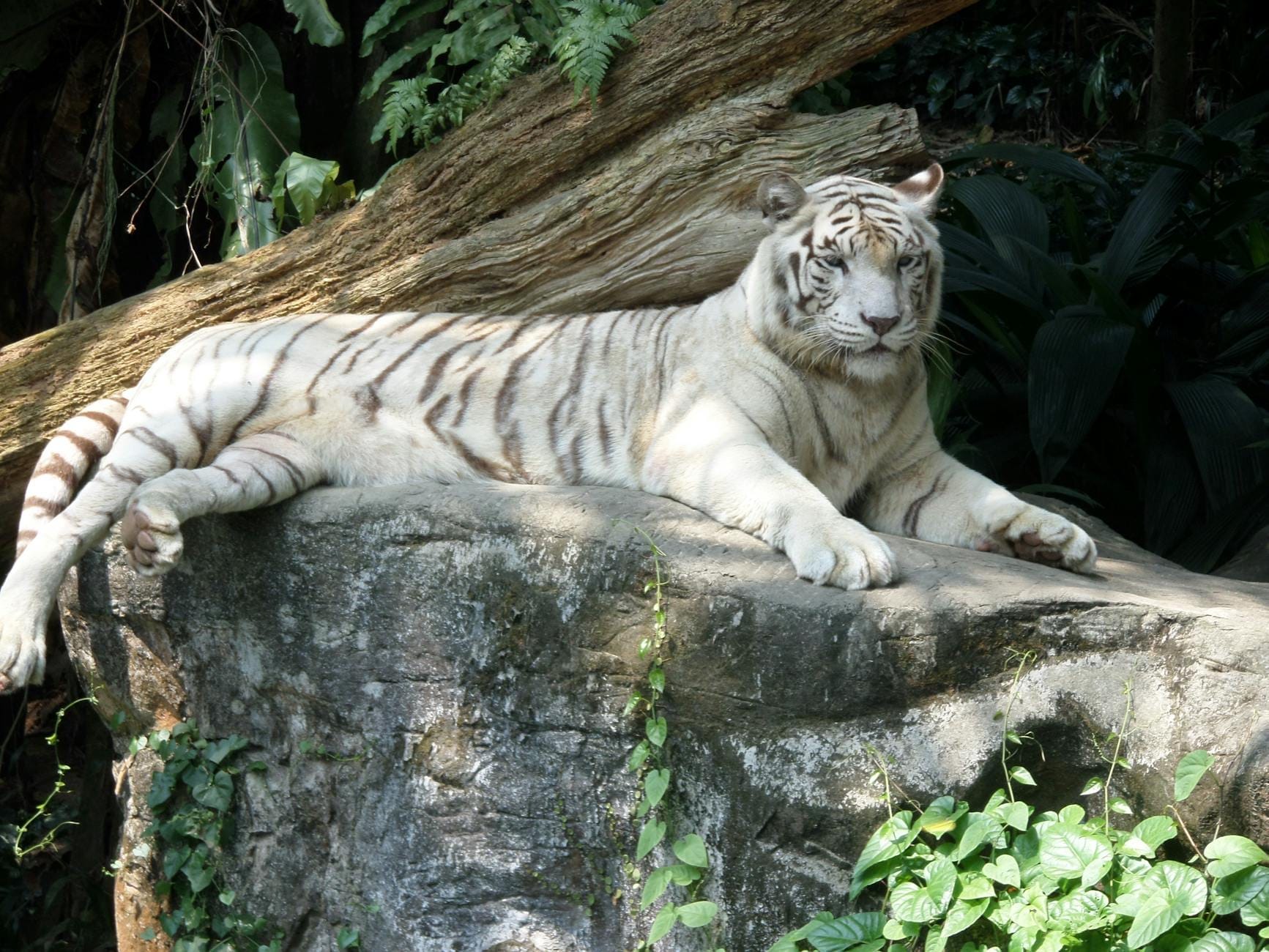
Mandai Singapore Zoo opened in 1973 as the Singapore Zoological Gardens, a name it held until 2006, and joined the Mandai Wildlife Reserve branding in 2021 as part of the broader Mandai Wildlife Reserve development. What has stayed constant over five decades is the core design philosophy: open-concept habitats where barriers are mostly concealed by moats, vegetation, and gentle terrain changes. Animals are not behind bars. You stand at the edge of a naturalistic enclosure, and the separation between you and the inhabitants is less obvious than you'd expect.
The zoo sits on 28 hectares (roughly 69 acres) of land bordering Upper Seletar Reservoir, surrounded by secondary rainforest. The canopy is tall enough that birds of prey occasionally circle overhead, and the air has a particular density to it — humid, green-smelling, and noticeably cooler under the tree cover than in Singapore's open urban areas. This is not a concrete zoo with a few potted plants. The landscape itself is part of the experience.
💡 Local tip
Book tickets online before you arrive. Walk-in queues at the entrance booths can be slow on weekends, and online booking typically saves time even if it does not always save money.
The Experience at Different Times of Day
The zoo opens at 8:30am, and the first hour is the best of the day without exception. Animals are most active before the equatorial heat peaks, keepers are beginning morning feeding routines, and the crowds are thin. The paths are still damp from overnight moisture, bird calls are loudest, and you can stand at an enclosure for five minutes without anyone pushing past you for a photograph.
By mid-morning, the atmosphere shifts. Tour groups arrive in waves, families with young children fill the tram lines, and popular exhibits like the Orangutan Habitat and the Rainforest KidzWorld section develop queues. The animal activity also slows — many species retreat to shade or simply become less visibly active as temperatures climb past 30°C (86°F). This is a good time to break for food at one of the zoo's restaurants or to attend one of the scheduled animal presentations if they align with your timing.
Late afternoon, from around 4:00pm onward, brings a second surge of animal movement as temperatures ease. The light also changes: the low afternoon sun filters through the canopy at a lower angle, which is flattering for photography. The trade-off is that last entry is at 5:00pm and the zoo closes at 6:00pm, so you need to be strategic about where you are at this point. Those who arrive early and pace themselves well often find the last hour genuinely rewarding.
⚠️ What to skip
Midday visits from roughly 11:00am to 2:00pm are the least rewarding. The heat is intense, animals are inactive, and crowd density is at its highest. If you can only visit then, wear light clothing, carry water, and use the indoor sections as natural breaks.
Tickets & tours
Hand-picked options from our booking partner. Prices are indicative; availability and final rates are confirmed when you complete your booking.
Singapore Zoo Entrance Ticket Including Tram
From 33 €Instant confirmationLion City bike tour in Singapore
From 55 €Instant confirmationFree cancellationLuggage Storage in Singapore
From 7 €Instant confirmationFree cancellationSingapore Little India self-guided walking audio tour
From 13 €Instant confirmationFree cancellation
Key Areas and What to Prioritize
The zoo is divided into themed zones that flow into one another without hard boundaries. The Fragile Forest is arguably the most distinctive section: a large bio-dome where free-roaming butterflies, giant fruit bats, ring-tailed lemurs, and other small animals share space with visitors on a walking path. The bats hang from overhead frames within arm's reach. It is slightly unnerving at first, and then quietly remarkable. This section works well at almost any time of day because it is shaded and climate-controlled.
The Great Rift Valley of Ethiopia exhibit recreates an African highland landscape and houses Hamadryas baboons, African wild dogs, and meerkats in adjacent open areas. The baboon colony is genuinely entertaining to watch, with complex social dynamics playing out continuously. The Orangutan Habitat is the zoo's most photographed area, and the Bornean and Sumatran orangutans are often visible swinging between platforms or foraging. Morning again gives the best chance of seeing active behavior.
Rainforest KidzWorld is designed for young children and includes splash zones and animal shows. It is well-executed, but adults visiting without children can safely deprioritize this section unless they have specific interest in the smaller domestic and farm animals housed there.
The zoo tram runs a loop around the park and can save time or tired legs, but it does move past some exhibits too quickly for proper observation. Use it strategically rather than as a primary way to see the zoo. If you are planning a full day at Mandai Wildlife Reserve, note that the Night Safari and River Wonders are adjacent and can be combined into a longer visit with separate admission.
Photography Practical Notes
The open-habitat design is genuinely better for photography than traditional caged zoos. There are no bars to blur foregrounds, and natural light reaches most exhibits. A telephoto lens of 70-200mm covers most situations well. The Orangutan Habitat and the African savannah section offer the clearest sightlines. The Fragile Forest is challenging because of low, shifting light and the presence of mesh netting at certain angles.
The reservoir-facing sections of the zoo, particularly near the Primate Kingdom, give views of water and forested hills behind the enclosures. On clear mornings before 9:30am, these backgrounds have soft light and a slight mist off the water that photographs well. This combination of timing and location is not widely flagged in mainstream visitor guides.
💡 Local tip
Flash photography is prohibited throughout the zoo and can stress animals. Most smartphones handle the ambient light adequately in open sections, but low-light indoor enclosures are genuinely difficult without a camera that performs well at higher ISO settings.
Getting There and Practical Logistics
The zoo's address is 80 Mandai Lake Road, and it is not walkable from the nearest MRT station. The standard route is to take the North-South MRT line to Khatib station (NS14), then board bus 927, which runs directly to Mandai Wildlife Reserve. The bus journey takes roughly 15 to 20 minutes depending on traffic. Taxis and ride-hailing apps (Grab is the dominant platform in Singapore) are straightforward from the city, though the distance from central Singapore means fares add up, especially if you are traveling with a group.
If you are staying in the Marina Bay or Orchard Road areas, factor in at least 30 to 40 minutes of travel time each way. The location in the north of the island means this trip works best as a dedicated half-day or full-day outing rather than a quick stop.
Mandai Wildlife Reserve as a whole is one of the more practical anchors for a day trip if you are already building a Singapore itinerary around multiple parks. The adjacent Night Safari opens in the evening and can extend the day without requiring extra travel.
ℹ️ Good to know
Opening hours: Daily 8:30am to 6:00pm. Last entry is at 5:00pm. These hours apply year-round with no noted seasonal variations, but confirm at mandai.com before your visit as operational details can change.
Accessibility and Family Considerations
The zoo's paths are paved throughout, and the terrain is mostly flat with some gentle inclines. Stroller and wheelchair access is practical across the main routes, though some secondary paths near the reservoir edge can be uneven. The zoo rents strollers at the entrance for families who prefer not to bring their own.
For families with young children, the zoo is genuinely well-designed. Sightlines at many exhibits are low enough for children, and the open habitats mean animals are not perpetually hiding at the back of a small cage. The variety of species and habitats also holds attention for longer than a more conventional facility would.
The zoo makes the most sense as part of a broader Singapore trip that includes outdoor experiences. Pairing it with Gardens by the Bay or a day at Singapore Botanic Gardens gives a rounded view of how Singapore engages with its tropical natural environment. For families specifically, the guide to Singapore with kids covers several complementary options.
Who Should Reconsider This Visit
The zoo is well-run and genuinely better than most zoos in the region, but it is not without limitations. Visitors who have already spent time at world-class wildlife institutions in San Diego, Taronga, or Rotterdam may find the scale modest. The 28-hectare footprint means the animal collection, while broad, is not as deep as larger parks. Some sections feel more compressed than the open-concept branding implies, particularly for larger mammals like elephants that require significant space to move.
Budget-conscious travelers should weigh the admission cost carefully against the time available. If you have only two days in Singapore, the zoo competes with a long list of other experiences that are cheaper or free. It is most worth the investment when you have at least three hours to spend and a genuine interest in wildlife rather than a cursory tick-off of a city landmark.
Insider Tips
- Arrive at 8:30am when the zoo opens. The first 90 minutes offer the most active animals, the thinnest crowds, and noticeably cooler temperatures. This is not marginal advice; it genuinely transforms the experience.
- The reservoir-facing section near the Primate Kingdom has views of forested hills and water in the background of enclosures. On clear mornings before 9:30am, the light and mist make for unusually clean wildlife photographs that do not look like they were taken in a zoo.
- Check the feeding and keeper-talk schedule at the entrance when you arrive. These sessions are time-specific, free with admission, and position you close to animals in a way that passive observation rarely achieves. Plan your route around the ones that interest you most.
- If you plan to visit both the zoo and the Night Safari on the same day, buy tickets for both in advance and confirm re-entry policies. The gap between zoo closing (6:00pm) and Night Safari opening gives time for dinner at the on-site Ulu Ulu Safari Restaurant without requiring you to leave the Mandai Wildlife Reserve campus.
- Wear closed shoes rather than sandals. The paths can be damp, and some sections near water or animal habitats have terrain that is slippery or uneven. Sandals work, but trainers or light hiking shoes are noticeably more comfortable over three or four hours of walking.
Who Is Singapore Zoo For?
- Families with children aged 3 to 12, who get the most from the open habitats and the variety of visible animal activity
- Wildlife photographers looking for bar-free, open-habitat shooting conditions with natural backgrounds
- First-time visitors to Singapore who want a full-day nature experience away from the city's urban core
- Travelers combining the zoo with the adjacent Night Safari for a full Mandai Wildlife Reserve day
- Anyone with a specific interest in Southeast Asian and African primate species, including orangutans, proboscis monkeys, and baboons
Nearby Attractions
Combine your visit with:
- Boat Quay
Boat Quay stretches along the south bank of the Singapore River, its two- and three-storey shophouses packed with restaurants, bars, and cafes. Once the beating commercial heart of colonial Singapore, the strip today offers one of the city's most atmospheric settings for an evening meal or a morning walk with history underfoot.
- Clarke Quay
Clarke Quay lines the Singapore River with five blocks of conserved warehouses and shophouses, now packed with restaurants, rooftop bars, and clubs. Free to enter and active from dusk until well past midnight, it rewards visitors who arrive after dark when the neon reflects off the water and the crowds find their rhythm.
- Fort Canning Park
Standing 48 metres above the city centre, Fort Canning Park packs more history per square metre than almost anywhere else in Singapore. From ancient Malay royalty to British colonial command, the hill has shaped this island for over seven centuries — and today offers a genuinely peaceful escape just minutes from Orchard Road.
- Henderson Waves
Henderson Waves is Singapore's tallest pedestrian bridge at 36 metres above Henderson Road, connecting Mount Faber Park and Telok Blangah Hill Park along the Southern Ridges trail. Free to access at any hour, the 274-metre-long structure is equally rewarding at dawn, midday, and after dark.