Rate Field: A Complete Visitor's Guide to the White Sox Ballpark
Rate Field, located on Chicago's South Side at 333 W. 35th Street, is the home of the Chicago White Sox and one of the most accessible Major League Baseball venues in the country. Whether you're a die-hard fan or a first-time visitor using a baseball game as a reason to explore the South Side, here's what to expect.
Quick Facts
- Location
- 333 W. 35th Street, Armour Square, Chicago, IL 60616
- Getting There
- CTA Red Line: Sox–35th station (direct access); CTA Green Line: 35th–Bronzeville–IIT
- Time Needed
- 3–4 hours for a full game; arrive 60–90 min early to explore the park
- Cost
- Tickets vary by game and seat; check MLB.com for current dynamic pricing
- Best for
- Baseball fans, sports tourists, families, South Side neighborhood explorers
- Official website
- www.mlb.com/whitesox/ballpark
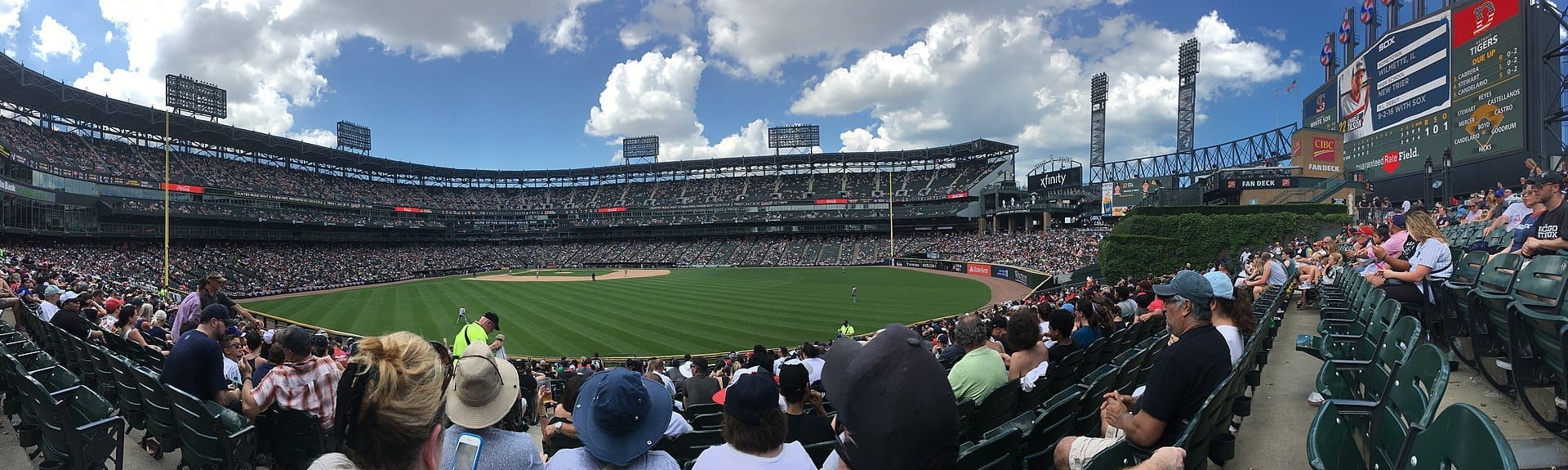
What Rate Field Is, and Why It Matters
Rate Field is the home ballpark of the Chicago White Sox, one of Major League Baseball's American League franchises and one of two current MLB teams calling Chicago home. Opened on April 18, 1991, as the new Comiskey Park at an announced construction cost of $167 million, the stadium has gone through several naming changes over the decades: U.S. Cellular Field in 2003, Guaranteed Rate Field in November 2016, and Rate Field in December 2024 when the naming sponsor rebranded. Whatever you call it, the physical address stays the same: 333 W. 35th Street, on the South Side in the Armour Square neighborhood.
The ballpark sits just west of the Dan Ryan Expressway, close enough that you can hear the drone of highway traffic during quieter innings. The original Comiskey Park stood directly across the street, and a small diamond marker embedded in the parking lot on the north side marks where home plate once was. It's the kind of detail that baseball history buffs appreciate and most visitors walk right past.
ℹ️ Good to know
Rate Field is located in Armour Square, a compact South Side neighborhood that also borders Chinatown. Before or after a game, the restaurants along Wentworth Avenue are a 10–15 minute walk northeast.
Getting There: Transit Is Genuinely Easy
This is one of the few major American sports venues where public transit is not just a viable option but probably the better one. The CTA Red Line stops at Sox–35th station, which is directly adjacent to the ballpark. On game days, the station is staffed for crowd management and trains run frequently. From downtown, the ride from State/Lake or Jackson takes roughly 12–15 minutes. The CTA Green Line's 35th–Bronzeville–IIT station offers another approach from the east side.
If you're staying in the Loop or the South Loop, the Red Line is the fastest option. Rideshare drop-off works, but expect significant surge pricing after games end, when several thousand people are all requesting rides simultaneously. Driving and parking is available on-site, but it adds time on both ends of your trip. For a broader look at getting around the city, the Chicago transit guide covers CTA passes, fares, and route logic in more detail.
💡 Local tip
Load a Ventra card or use the Ventra app before game day. The CTA fare gates at Sox–35th handle large crowds well, but fumbling with cash or a new card purchase at the machine slows everything down behind you.
Tickets & tours
Hand-picked options from our booking partner. Prices are indicative; availability and final rates are confirmed when you complete your booking.
Chicago Bears football game ticket at Soldier Field
From 278 €Instant confirmationField Museum of Natural History tickets and audio tour
From 44 €Instant confirmationGo City | Chicago All-Inclusive Pass
From 127 €Instant confirmationFree cancellationiFLY Chicago Lincoln Park indoor skydiving experience
From 126 €Instant confirmationFree cancellation
Arriving at the Park: What You'll See and Feel
Approaching Rate Field from the Red Line, the stadium rises quickly into view as you descend the station steps. The exterior is functional rather than ornate: a concrete and steel structure that reflects its early-1990s construction era. It lacks the retro-brick aesthetic of Camden Yards or Wrigley Field, but it's clean, well-maintained, and easy to navigate.
Gates typically open 90 minutes before first pitch for most regular-season games, and getting there early pays off. The lower concourse runs all the way around the field, and early arrivals can watch batting practice from the lower seats without the obstruction of standing crowds. The smell of popcorn and grilled sausages moves through the concourses almost immediately after gates open, mixing with the faint cut-grass scent that drifts in whenever someone opens a tunnel toward the field level.
The upper deck is notably steep by modern ballpark standards, a legacy of the original design that was criticized when the park first opened. If you have a choice between upper deck seats closer to the field versus lower deck seats farther back in the corners, the lower deck usually offers a better sightline. That said, the upper deck behind home plate provides a sweeping view of the Chicago skyline to the north on clear evenings, particularly at dusk when the light softens.
Game-Day Atmosphere by Time of Day
Afternoon games on weekends have a different energy than weeknight evening starts. Afternoon games tend to draw more families with younger children and casual fans; the concourses feel looser, less intense. Evening games, especially against division rivals, pull in more committed fans and the crowd noise builds faster once the sun goes down. The stadium lights wash the field in a clean, high-contrast brightness that makes the game easy to follow from almost any angle.
Friday night games are typically the most festive, with promotional giveaways common at the gate and the southside crowd at its most vocal. Check the White Sox schedule for bobblehead nights, fireworks postgame shows, and theme nights, which occur throughout the season and can significantly affect crowd size and atmosphere.
💡 Local tip
Postgame fireworks shows are scheduled for select Friday and Saturday night games throughout the MLB season. These are popular and the park stays full through the final out. Check the official schedule before buying tickets if fireworks are a priority.
Food, Drinks, and What's Worth Your Money
Concession options at Rate Field lean toward the expected: hot dogs, nachos, pizza, burgers. The ballpark hot dog is worth ordering simply because eating a hot dog at a baseball game in Chicago carries its own logic. The White Sox serve a Chicago-style dog at several concession points, and the quality is consistently solid for ballpark food.
Beyond the standard fare, look for the specialty food stands on the main concourse level, which have rotated over the years to include local food vendors and regional items. Beer options include domestic staples and a rotating craft selection. Prices, as at all MLB venues, are higher than you'd pay at a bar outside the park. If you're visiting Chicago specifically for the food scene, the Chicago food guide will point you toward the neighborhoods where the real eating happens.
Practical Details: Tickets, Accessibility, and What to Bring
Tickets are sold through the official MLB ticketing platform and use dynamic pricing, meaning costs shift based on opponent, day of week, and demand. Weekday games against non-rivalry opponents tend to be the most affordable entry points. Premium games, particularly against the Cubs or division rivals in a playoff race, can see prices jump significantly. Always check the official site for current availability and pricing rather than relying on secondhand estimates.
Rate Field has comprehensive accessibility infrastructure: elevators connect all levels, ramps are present throughout, accessible seating is available in multiple sections, and assistive listening devices are available upon request. The MLB.com accessibility page for the White Sox details the full range of available accommodations. If you need specific seating arrangements, contacting the box office directly before game day is the most reliable approach.
For what to bring: clear bags are effectively required under the venue’s bag policy, which limits what you can carry in. Small clutch bags and clear plastic bags up to 12 by 6 by 12 inches are permitted. Binoculars, sunscreen, and a layer for evening games in spring and fall are all worth having. Chicago's South Side weather in April and September can shift sharply after sunset, dropping into the low 50s Fahrenheit even on days that felt mild at noon.
⚠️ What to skip
The White Sox bag policy, which heavily favors clear bags, applies at all gates. Non-compliant bags will not be admitted, and there is no bag check facility. Plan accordingly before leaving your hotel.
The Broader South Side Context
Rate Field sits within walking distance of Chinatown, which occupies the Armour Square neighborhood to the northeast along Wentworth Avenue. Post-game visits to Chinatown for dim sum or late-night noodles have become something of a local tradition for White Sox fans. The Chinatown Wentworth Avenue corridor is especially convenient if you're taking the Red Line back north anyway, since the Cermak–Chinatown station is one stop south of Sox–35th.
The South Side as a whole is often underexplored by visitors who spend the bulk of their time in the Loop and the North Side. The Museum Campus and South Loop area is a short drive or ride north and includes the Field Museum, Shedd Aquarium, and Adler Planetarium, making it possible to combine a museum morning with an evening game on the same day.
For a direct comparison between Chicago's two baseball experiences, it's worth knowing that Wrigley Field on the North Side offers a very different atmosphere: older, more intimate, embedded in a dense residential neighborhood where bars and restaurants are woven into the game-day experience in a way that doesn't exist at Rate Field. Neither is objectively better, but they are genuinely different. If you're planning a full Chicago sports trip, the Chicago sports guide breaks down the full landscape of venues and teams.
Who Should Probably Skip This
If you have no interest in baseball and are looking for a reason to visit Rate Field beyond the sport itself, the ballpark doesn't offer much as a standalone architectural or cultural attraction. Unlike some stadiums that have developed significant non-game programming, tours, or landmark status, Rate Field is primarily a functional sports venue. Visitors who prioritize architecture should note that the 1991-era design is workmanlike rather than distinguished.
Travelers with very limited time in Chicago who are trying to cover major landmarks will likely find that the Museum Campus, Millennium Park, and the lakefront offer more concentrated return per hour. Rate Field is best appreciated as a game-day experience, not a sightseeing destination.
Insider Tips
- The original Comiskey Park's home plate location is marked in the parking lot north of the current stadium. It's a small concrete marker and easy to miss, but worth a look if you're arriving early by car.
- Seats in the lower deck along the third-base line (roughly sections 155–165) offer a clear view of the Chicago skyline beyond the left field scoreboard as the sun sets, making them among the more scenic spots in the park.
- If you're taking the Red Line after the game, let the first wave of the crowd clear before heading to the station. Waiting 10–15 minutes at a concourse bar or outside the gates usually means a less crowded train ride back downtown.
- Promotional giveaway items are distributed to the first ticketed entrants through the gates, not all ticketholders. Arrive close to gate-opening time if a specific giveaway item is why you chose that game.
- Chinatown's Wentworth Avenue restaurants typically stay open late enough to catch a post-game meal. The walk from the stadium's northeast exits takes roughly 12–15 minutes at a comfortable pace.
Who Is Rate Field (formerly Guaranteed Rate Field) For?
- Baseball fans who want to see an American League game in a less crowded, more local atmosphere than Wrigley
- Families with children who find MLB games more manageable than larger, more frenetic event venues
- Visitors combining a South Side day with Museum Campus attractions in the same trip
- Sports tourists checking off MLB ballparks
- Anyone curious about Chicago beyond the tourist-heavy North Side and Loop
Nearby Attractions
Other things to see while in Museum Campus & South Loop:
- Adler Planetarium
Opened in 1930 as the first planetarium in the Western Hemisphere, the Adler Planetarium combines immersive sky shows, serious astronomy collections, and one of the best unobstructed views of the Chicago skyline. Perched at the tip of a peninsula on Museum Campus, it rewards both science enthusiasts and casual visitors who stumble onto its lakefront terrace.
- Buddy Guy's Legends
Opened in 1989 by the legendary guitarist himself, Buddy Guy's Legends on South Wabash Avenue is the city's most historically significant blues club. This is where raw Chicago blues plays out in real time, where the walls are covered in signed memorabilia, and where any given Tuesday night can turn into a master class in American music.
- Field Museum of Natural History
One of the largest natural history museums in the world, the Field Museum of Natural History sits at the heart of Chicago's Museum Campus with over 20 million specimens spanning ancient Egypt, dinosaur fossils, and indigenous cultures from every continent. Whether you have three hours or a full day, this guide helps you make the most of it.
- Glessner House Museum
The Glessner House Museum is a surviving residential commission by architect H.H. Richardson in Chicago, completed in 1887 and now a National Historic Landmark. Guided tours of the granite fortress on Prairie Avenue reveal one of the most thoughtfully designed domestic interiors in American architectural history.