Preston Park, Brighton: What to Expect at the City's Largest Green Space
Preston Park is Brighton's largest public park, spanning 63 acres north of the city centre and open every day at no charge. Opened officially in 1883, it offers sports facilities, formal gardens, open lawns, and a rare sense of genuine local life away from the tourist trail.
Quick Facts
- Location
- Preston Park ward, north Brighton, near Preston Park railway station
- Getting There
- Preston Park railway station (Southern/Thameslink) — the park is directly accessible on foot from the station
- Time Needed
- 45 minutes for a stroll; 2+ hours if using sports facilities or visiting Preston Manor
- Cost
- Free — no admission charge, no booking required
- Best for
- Local park life, cycling, sports, family picnics, escaping the seafront crowds
What Preston Park Actually Is
Preston Park is Brighton's largest municipal park, covering 63 acres (25 hectares) in the Preston Park ward, roughly a mile and a half north of the seafront. It was officially opened on 8 November 1883, making it one of the oldest public parks in the south of England. Despite its size and history, it draws a consistently local crowd rather than a tourist one — which is precisely what makes it worth understanding before you visit.
The park sits in a long, gently sloping valley between London Road and the railway line. That geography shapes the experience: the open lawns stretch wide enough that you can lose sight of surrounding streets entirely, and on a clear day the South Downs are visible to the north. The setting is quieter and more spacious than the seafront, though you're never more than ten minutes from a bus or train.
ℹ️ Good to know
Preston Park railway station (Southern/Thameslink) sits right at the park's edge, making this one of the easiest green spaces in Brighton to reach by train from London or Gatwick without passing through Brighton city centre.
A Brief History Worth Knowing
The land that became Preston Park was purchased by Brighton Corporation in 1883 and formally opened to the public the following year. It was developed partly as a response to public health concerns of the Victorian era — the idea that working people needed accessible open space within reach of urban areas. That civic intent is still legible in the park's design: broad, open grass areas suited to large gatherings, formal planting along the perimeter, and facilities for organised sport.
The park is listed alongside Preston Manor under the Historic England register as Preston Manor and Preston Park, a recognition of the combined heritage value of the estate. Preston Manor itself, the historic house sitting at the park's northern edge, is a separate attraction with its own visiting arrangements.
That heritage designation doesn't translate into a manicured, hands-off experience. Preston Park is an active, well-used public space. Cricket, cycling, tennis, and bowls all take place here regularly. The park has hosted major events including the annual Brighton Pride parade route and the start of the Brighton Marathon, both of which use the park's open layout to handle large numbers of people.
Tickets & tours
Hand-picked options from our booking partner. Prices are indicative; availability and final rates are confirmed when you complete your booking.
Brighton city lights flight with welcome drink
From 21 €Instant confirmationCycle along the beachfront with Brighton Beach Bikes hire
From 7 €Instant confirmationFree cancellationTour Brighton's highlights with an exploration game mobile app
From 10 €Instant confirmationFree cancellationExplore Brighton self-guided walking tour using an app
From 11 €Instant confirmation
How the Park Feels at Different Times of Day
Early mornings at Preston Park are genuinely peaceful. Runners circle the outer perimeter, dog walkers cut across the open lawns, and the main facilities areas are quiet. The light falls long and flat across the grass, and the city noise stays low. If you want the space to yourself, arriving before 9am on a weekday is consistently effective.
By mid-morning on weekends, the character shifts noticeably. Families with children arrive, the cycle track draws riders, and the cafe areas pick up. Summer weekends between noon and 4pm bring the densest crowds — particularly if an event is scheduled. The lawns fill with picnic groups, the sports facilities are in use, and the noise level reflects a genuinely active local park rather than a quiet retreat.
Late afternoons in spring and summer offer one of the better windows for a visit. The worst of the midday heat has passed, the light is warmer, and the crowds thin without the park feeling abandoned. Autumn mornings, particularly in October, are when the tree cover along the paths turns reliably well, adding colour to a park that can feel plain in midsummer.
💡 Local tip
Avoid visiting during the Brighton Marathon (typically April) or Brighton Pride weekend (August) unless you are attending the event. The park and surrounding streets see extremely high footfall on both occasions, and the park itself may have restricted access during setup and breakdown.
What to Do Here: Facilities and Layout
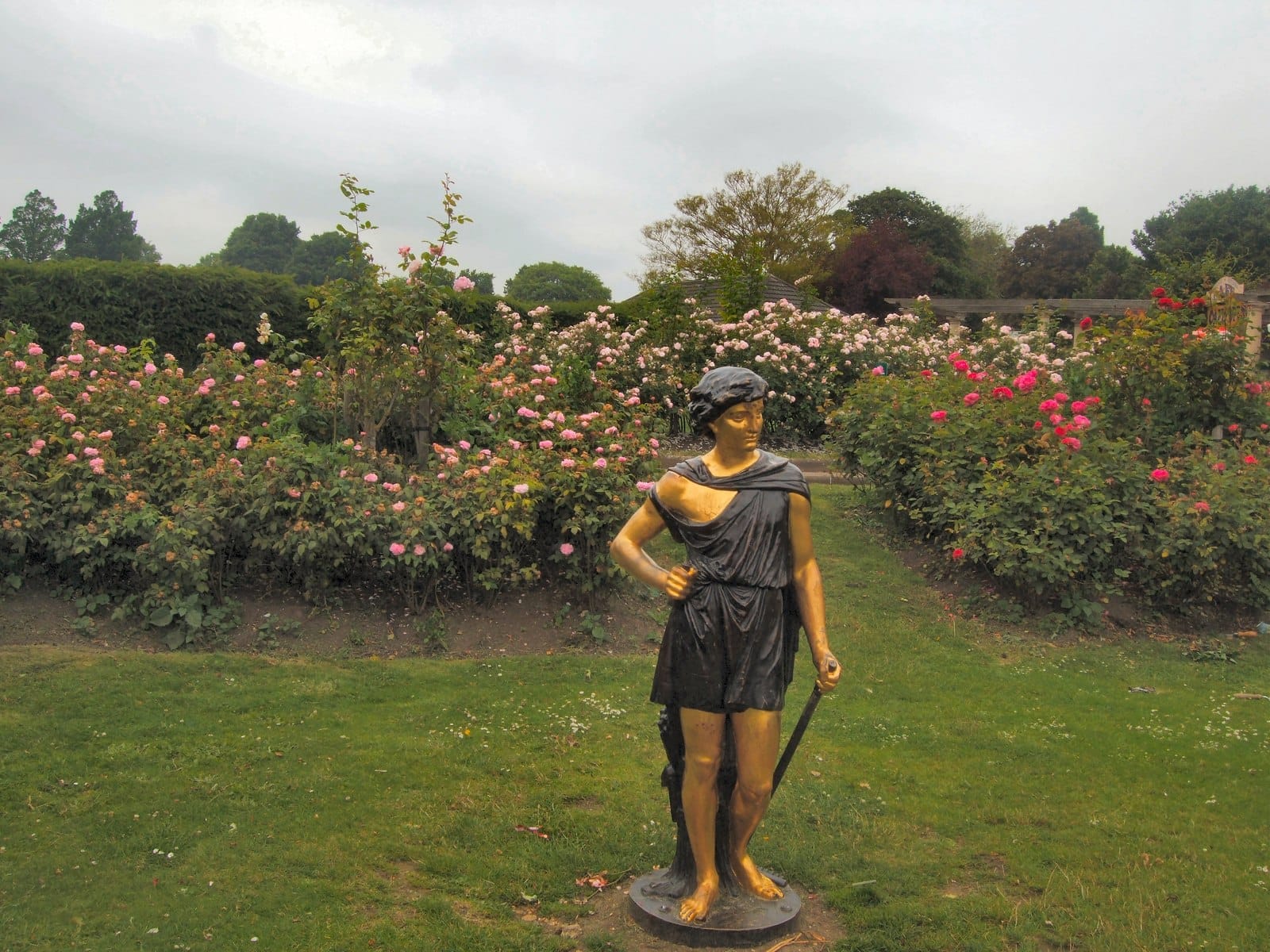
The park's central open lawns are the dominant feature — large enough for informal ball games and picnics, and maintained to a standard that makes them usable across most of the year. The formal garden areas near the southern section include rose beds, which are most impressive in June when the roses are in full bloom. The scent on a warm, still morning in that section is one of the more underrated sensory details of any Brighton green space.
The cycle track circles a section of the park and is one of the few dedicated cycling circuits in central Brighton. It draws cyclists of all ages, and on weekend afternoons families with young children learning to ride are a common sight. The track is separate from the main pedestrian paths, which makes it practical for both cyclists and walkers.
Tennis courts, a bowls green, and cricket facilities are available within the park. Use of sports facilities may require booking or fees — the Brighton and Hove City Council parks page has current arrangements, and these should be verified before visiting if you plan to use them. There is also a children's play area, which is well-maintained and tends to be busy on weekend mornings.
The park is large enough to combine with a visit to nearby Preston Manor, the historic house at the northern boundary. The manor operates independently with its own opening hours and admission, so check those separately. The combination of both within a single half-day is straightforward if you plan it in advance.
Getting There and Getting Around Inside
Preston Park railway station is the most convenient arrival point. Southern and Thameslink services connect here from Brighton city centre (one stop, a few minutes), London Victoria, and London Bridge. Gatwick Airport is also directly connected on the same line, making it possible to stop here en route from the airport without going into Brighton first. The walk from the station platform to the park entrance takes under two minutes.
If you prefer buses, several Brighton and Hove Buses routes serve the London Road corridor adjacent to the park. The Getting Around Brighton guide covers current route options in detail. Walking from Brighton city centre takes around 25 to 30 minutes on a flat, straightforward route north along London Road.
Inside the park, the paths are level across most of the site, with gentle gradients toward the northern end. The main surfaces are tarmac and compacted gravel, which are broadly accessible for pushchairs and wheelchairs, though specific accessibility facilities should be confirmed with Brighton and Hove City Council before visiting if this matters for your group.
⚠️ What to skip
There is limited parking near the park on weekends, and the surrounding residential streets operate permit schemes. If driving, allow extra time to find a space or use public transport instead.
Photography and What to Bring
For photography, the most productive areas are the rose garden in June, the northern tree lines in autumn, and the open lawns at golden hour in late summer. The park doesn't have a single dramatic focal point — no iconic structure or view — so the most interesting images tend to come from the park's activity: cyclists, informal cricket games, dog walkers against the open sky.
Bring layers regardless of season. Brighton's maritime climate means temperatures can drop quickly when cloud cover comes in, even in July. If you're planning a picnic, the park has enough open lawn that finding a spot is rarely difficult outside of major event days. There are public toilets within the park, though their exact locations and condition should be checked on arrival.
Is This Worth Your Time as a Visitor?
That depends entirely on what you're looking for. Preston Park does not offer the drama of the seafront, the novelty of the Royal Pavilion, or the concentrated activity of the Lanes or North Laine. What it offers is space, quiet (at the right hours), genuine local life, and a setting that feels significantly different from Brighton's more photographed areas.
Visitors who come to Brighton primarily for the beach and its associated attractions will find little that is unique to Preston Park specifically. If you are spending several days in the city, it is a genuinely good counterpoint to the seafront — particularly when Brighton Beach is packed and the sun is out. The combination of fresh air, space to move, and no admission charge makes it easy to justify.
Those interested in the city's Victorian civic history, or who want to combine a green space visit with a heritage house, will find the Preston Manor combination particularly worthwhile. The park's heritage listing gives it a context that goes beyond amenity — it's part of how Brighton understood itself as a city in the 1880s. For more on Brighton's historical layers, the Brighton Regency architecture guide provides useful background on the Victorian and Regency development of the city.
Insider Tips
- The rose garden near the southern end of the park peaks in June — early morning visits before 9am give you the scent and colour without competition from other visitors.
- Preston Park station is one stop north of Brighton station on the London mainline. You can arrive directly from Gatwick without going into the city centre first, which is useful if the park is your first stop.
- The park hosts the Brighton Marathon start and finish, and Pride route activity, both of which cause significant disruption to surrounding streets. Check event dates before planning a visit around April or August.
- The cricket ground within the park is a proper recreational facility, not a tourist spectacle, but if you arrive on a summer Sunday afternoon when a match is on, it adds genuine atmosphere to a visit.
- For the most useful pairing, combine Preston Park with Preston Manor (the historic house on the northern edge) and allow at least two and a half hours for both. The manor has separate opening arrangements, so verify those in advance.
Who Is Preston Park For?
- Families with children who need outdoor space and play facilities without admission costs
- Visitors spending multiple days in Brighton who want a break from the seafront and tourist areas
- Cyclists looking for a dedicated track in a central location
- Anyone arriving into Brighton from Gatwick who wants a quiet, open-air stop before heading into the city centre
- Visitors with an interest in Victorian civic history, particularly when combined with a Preston Manor visit
Nearby Attractions
Combine your visit with:
- Booth Museum of Natural History
Founded in 1874 by naturalist Edward Thomas Booth, the Booth Museum of Natural History is Brighton's free natural history collection housed in a Grade II listed Victorian building on Dyke Road. With over 525,000 specimens, from British birds to butterfly drawers and dinosaur bones, it is one of the most significant natural history collections in southern England. Note: closed to the public since 20 April 2025 for essential works; special event days only, with reopening targeted for later 2026 or early 2027.
- Brighton Racecourse
Perched on Whitehawk Hill roughly a mile from the coast, Brighton Racecourse is one of England's most unusual flat racing venues. The horseshoe-shaped track, open from April to October, offers panoramic views across the city and out to the English Channel, alongside a race day atmosphere that ranges from relaxed midweek afternoons to packed summer festivals.
- Devil's Dyke
Perched around 215 metres above sea level on the South Downs, Devil's Dyke is a National Trust countryside site just north of Brighton. Claimed to be the longest, deepest and widest dry valley in Britain, it offers panoramic views stretching from the English Channel to the Surrey Hills, free access year-round, and walking routes ranging from a gentle ridge stroll to a steep valley descent.
- Preston Manor
Preston Manor is a Grade II* listed historic country house museum in Brighton, open seasonally beside Preston Park. With rooms preserved as they were in 1905 and a history recorded in the Domesday Book, it offers a rare glimpse into upper-middle-class Edwardian life — a world away from the seafront crowds.