Monkey Jungle Miami: Where Humans Are Caged and Monkeys Run Free
Monkey Jungle is a 30-acre subtropical primatarium in southwestern Miami-Dade County where the roles are reversed: visitors walk through screened tunnels while hundreds of monkeys move freely through the forest canopy above. Open since 1935, it offers a genuinely unusual wildlife encounter outside the typical zoo format.
Quick Facts
- Location
- 14805 SW 216th St, Miami, FL 33170 — southwestern Miami-Dade County
- Getting There
- Car strongly recommended; from Florida Turnpike take Exit 11 (SW 216 St), then drive west approx. 4 miles
- Time Needed
- 2 to 3 hours for the full experience including shows
- Cost
- Adults US$20 + tax; Children (ages 3–9) US$10 + tax. Premium encounters extra. Verify current prices before visiting.
- Best for
- Families with kids, wildlife enthusiasts, visitors looking for something beyond standard zoo formats
- Official website
- www.monkeyjungle.com
The Concept: Humans in the Cage, Monkeys in Charge
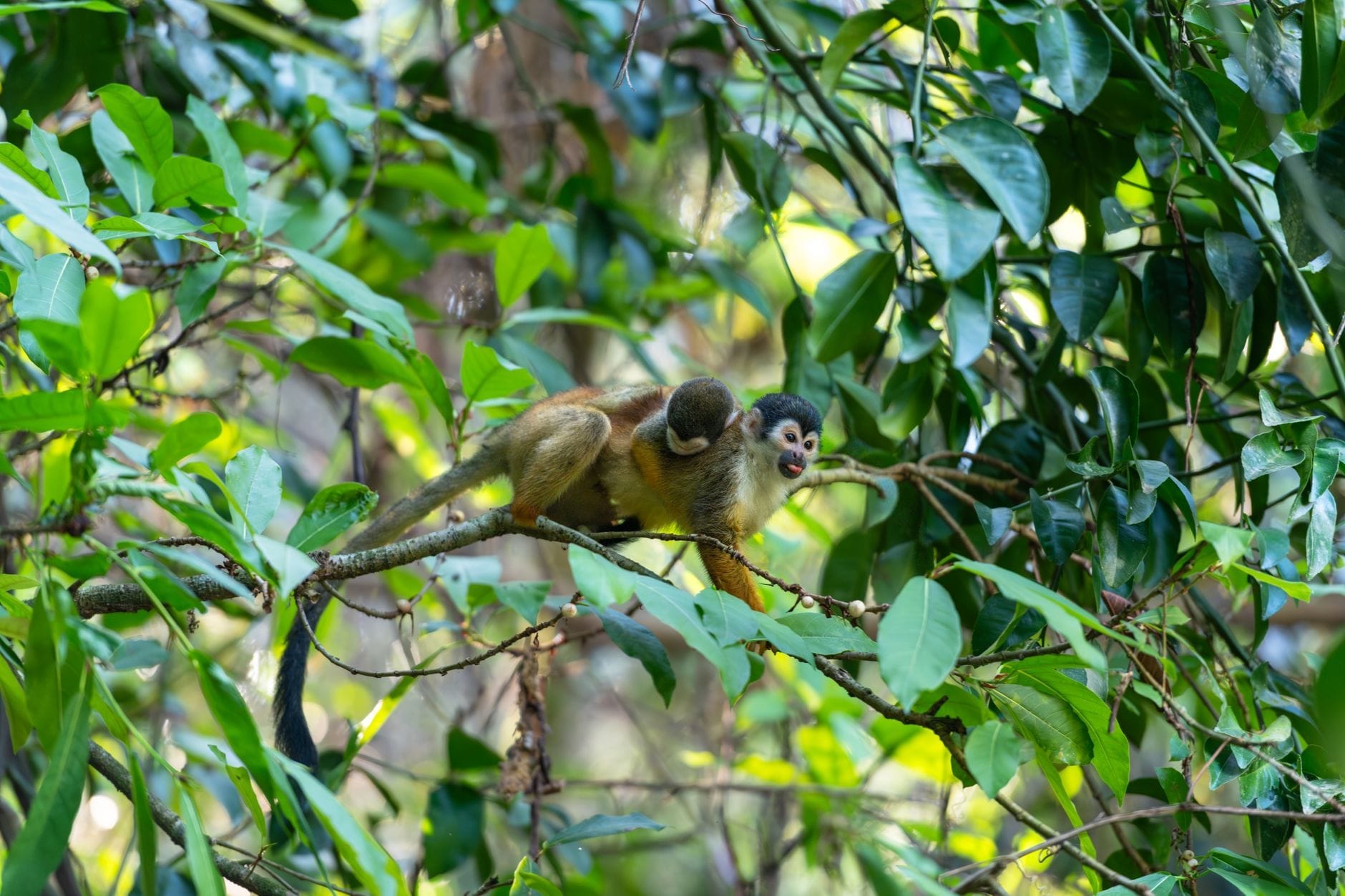
Monkey Jungle does something almost no other attraction in Florida does: it flips the zoo dynamic entirely. Rather than watching animals pace inside enclosures, you walk through screened tunnel pathways while free-ranging monkeys move overhead, around, and occasionally directly above you through the subtropical tree canopy. The netting is overhead and on the sides of the walkways, not around the animals. That inversion is not a marketing gimmick but the original design of the park, which dates to the early 1930s, with 1933 as its founding and 1935 cited as its formal opening to the public.
The result is a sensory experience unlike anything in a conventional zoo. There is movement everywhere. Monkeys drop from branches with surprising speed, screech across the canopy, and occasionally peer directly down through the mesh at eye level. The ambient noise is constant: a layered chorus of calls, rustling leaves, and the thud of animals landing on the tunnel roof above your head. It can be startling for young children on first arrival, and genuinely thrilling once you settle in.
ℹ️ Good to know
The box office normally closes at 3:00 PM and the park closes at approximately 4:00 PM daily. Guided shows typically run at 10:00 AM, 12:15 PM, and 2:30 PM. Arriving by 10:00 AM lets you catch the first show and gives you the cooler part of the day before Florida's midday heat sets in.
The History Behind the 30 Acres
The park occupies 30 acres (about 12 hectares) of subtropical forest in southern Miami-Dade County, a landscape shaped by South Florida's characteristic mix of hardwood hammocks, palmettos, and dense vine cover. It was originally created as a primate research and behavioral observation site before evolving into a tourist attraction, which explains the unconventional layout. The free-roaming setup allowed scientists to observe primate social dynamics in a semi-natural environment rather than in controlled laboratory cages.
That scientific origin matters to understanding what Monkey Jungle actually is. It is described officially as a historic eco-show park and discovery center, a designation that sits somewhere between wildlife sanctuary, zoological park, and living research facility. Over the decades it evolved to include guided shows and special encounter programs while retaining its original free-range design. The trees throughout the property are genuinely old and tall, giving the canopy a depth and density you do not find at purpose-built wildlife parks.
For context on how Monkey Jungle fits into Miami's broader landscape of unusual attractions, the things to do in Miami guide covers the full range of the city's wildlife, nature, and cultural experiences worth planning around.
Tickets & tours
Hand-picked options from our booking partner. Prices are indicative; availability and final rates are confirmed when you complete your booking.
Everglades admission ticket with airboat ride and wildlife show
From 24 €Instant confirmationFree cancellationKey West day trip with glass bottom boat ride
From 110 €Instant confirmationFree cancellationEverglades airboat ride with Biscayne Bay boat tour and transportation
From 67 €Instant confirmationFree cancellationGrand Bahama tour with optional Pig Beach visit
From 309 €Instant confirmationFree cancellation
What You Actually See and Do Inside
The primary experience is the walkthrough of the tunneled pathway system beneath and alongside free-roaming primates. Species present at the park have included Java macaques, squirrel monkeys, spider monkeys, and others, with different areas of the property housing different populations. The close-range visibility is exceptional, often within a meter or two, because the monkeys have no reason to retreat from visitors and frequently approach the mesh out of curiosity.
Feeding stations positioned along the tunnel route attract concentrated monkey activity at predictable intervals. Watching groups gather, compete, and disperse over food is one of the more behaviorally interesting parts of the visit, far more revealing of primate social structure than passive observation at a conventional enclosure. The smells here are real and earthy: wet vegetation, tropical soil, and the unmistakable animal presence of a large primate population.
Guided shows run three times daily and are worth planning your visit around. They typically involve handler-led demonstrations of primate behavior, feeding interactions, and educational commentary. Arrive a few minutes early to secure a good viewing position, especially on weekends when attendance is higher. Premium close-encounter experiences, which involve more direct interaction in smaller groups, are available at significantly higher prices. These are not posted as fixed rates and should be confirmed directly with the park when booking.
Timing Your Visit: When to Go and What to Expect
Morning arrivals before 11:00 AM are consistently better for two reasons: animal activity and temperature. Monkeys are most energetic in the earlier part of the day before the midday heat peaks. Miami's subtropical climate means that from May through October, afternoon temperatures frequently reach 89 to 91 degrees Fahrenheit (32 to 33 degrees Celsius) with high humidity. Walking outdoor woodland paths in that heat for two hours is genuinely draining, especially for young children or older visitors.
The dry season window from December through April offers the most comfortable outdoor conditions, with average highs in the upper 70s Fahrenheit (around 25 to 26 Celsius) and lower humidity. Weekday visits are noticeably less crowded than weekends and school holidays. During Florida's public school breaks, the park can fill to capacity with family groups, which affects both queuing at the shows and the general feel of moving through the tunnels.
⚠️ What to skip
Monkey Jungle is an outdoor park in a working subtropical forest. Wear closed-toe shoes, as paths can be uneven and occasionally muddy after rain. Bring sun protection, water, and insect repellent, particularly during the wet season (May through October). Afternoon thunderstorms are common in summer and can interrupt outdoor activities without much notice.
If you are planning a visit during the hotter months and want a full picture of what Miami's summer weather involves, the Miami in summer guide explains what to prepare for across the city.
Getting There: This One Requires a Car
Monkey Jungle sits at 14805 SW 216th Street in the southwestern reaches of Miami-Dade County, beyond the reach of Miami-Dade Transit's Metrorail and not conveniently served by Metrobus routes in a practical sense. A car is the realistic way to get there. From Miami Beach, take the 836 West to the Florida Turnpike South, exit at Exit 11 (SW 216th Street/Cutler Ridge Boulevard), then head west approximately four miles. From Fort Lauderdale or northern Miami-Dade, the Florida Turnpike Extension south to the same Exit 11 is the most direct route.
Uber and Lyft operate in Miami and are an option, though the one-way fare from central Miami to this location will be substantial, and securing a return ride from a remote suburban address is not always instant. If you are relying on ride-hailing, build extra time into your departure window. There is on-site parking available. Driving time from Miami Beach runs approximately 45 minutes to an hour depending on Turnpike traffic.
Monkey Jungle pairs well with other nature destinations in Miami's southern tier. Zoo Miami is located in the same general area of southwestern Miami-Dade, making it feasible to plan both in a single day or on consecutive days.
Photography, Accessibility, and Practical Notes
Photography through the mesh tunnels is possible but requires some adjustment. Wide-angle shots will capture the netting pattern if you are not careful; pressing the lens or phone camera close to the mesh and shooting between the grid openings produces cleaner results. The forest light is dense and dappled, particularly in the shaded walkways, so automatic exposure on smartphones tends to underexpose the animals against bright sky patches. Manual exposure adjustment or HDR mode helps. Early morning light before 11:00 AM gives the best conditions before the canopy shadows go flat under high sun.
Accessibility details are not comprehensively published on the official site. The park consists of outdoor paths and caged walkways through natural subtropical terrain, which means uneven surfaces, tree roots, and potentially narrow passages. Visitors with mobility needs or wheelchair users should call the park ahead of time to discuss current conditions and any available accommodations. Do not assume full ADA-compatible access without confirming directly.
For travelers planning a day that combines natural attractions in southern Miami-Dade, the Fairchild Tropical Botanic Garden is another strong option in the same southern arc of the county, offering a very different but equally immersive outdoor experience.
Honest Assessment: Is It Worth Your Time?
Monkey Jungle is not a polished, high-production attraction. The infrastructure is aging in places, the facilities are modest, and the overall presentation lacks the scale or resources of major zoological parks. If you are comparing it to Zoo Miami or expecting an immersive, high-tech experience, you will be disappointed. What it offers instead is something more unusual: a genuinely rare free-range primate environment that has existed in essentially the same form for close to 90 years. That authenticity has value.
Families with children between roughly five and twelve years old tend to get the most out of it. The proximity of the animals and the novelty of the reversed enclosure dynamic captures attention in a way that a standard zoo often does not. Wildlife photographers and primate behavior enthusiasts will also find it worthwhile purely for access quality. Solo travelers or couples without children who prefer polished visitor experiences and are not specifically interested in primates may find it underwhelming relative to the drive and admission cost.
If you are weighing this against other Miami experiences on a limited schedule, the Miami with kids guide provides a fuller ranking of family attractions across the city to help you prioritize.
Insider Tips
- Arrive for the 10:00 AM show on a weekday morning. You will have the tunnels largely to yourself for the first 30 minutes, which is when animal activity is highest and photography is easiest without other visitors in frame.
- Bring small bills. There is a feeding station where you can purchase fruit or food to attract monkeys directly to the mesh in front of you, creating better close-up interaction than passive observation alone.
- The covered tunnel sections offer some shade, but exposed sections of the walkway have no overhead protection from sun or rain. A compact rain poncho takes up no space and is genuinely useful during Florida's afternoon thunderstorm season.
- If premium animal encounters are a priority, call ahead rather than expecting to book on arrival. Availability is limited and group sizes are small, so walk-in access is not guaranteed.
- The park's location near the Turnpike means post-visit lunch options in the immediate vicinity are limited to fast food along US-1. If you want a proper meal, plan to drive back toward Cutler Bay or further north toward Coral Gables rather than expecting good dining within walking distance.
Who Is Monkey Jungle For?
- Families with children aged 5 to 12 looking for hands-on wildlife interaction
- Primate behavior enthusiasts and wildlife photographers wanting close, unobstructed access
- Travelers combining a day of southern Miami-Dade nature attractions
- Visitors who prefer outdoor, non-urban experiences away from Miami's coastal crowds
- Anyone specifically interested in the history of primate research and conservation in Florida
Nearby Attractions
Combine your visit with:
- Aventura Mall
Aventura Mall is Florida's largest enclosed shopping center, spanning roughly 2.7 million square feet with more than 300 stores, dozens of restaurants, and a growing collection of public art. Positioned between Miami and Fort Lauderdale, it draws shoppers from across South Florida and beyond. Whether you are hunting flagship luxury brands or simply escaping the afternoon heat, the mall delivers a surprisingly complete half-day experience.
- Biscayne National Park
Biscayne National Park protects one of the largest coral reef ecosystems in North America, about 35 miles south of downtown Miami. With 95% of its 172,971 acres underwater, this is not a typical roadside park — it rewards those who come prepared to snorkel, dive, kayak, or sail.
- Deering Estate
The Deering Estate is a 444-acre historic preserve in South Miami-Dade that combines 1920s-era architecture, fossil-rich limestone terrain, coastal mangroves, and a surprisingly ambitious arts program. It rewards slow exploration and offers a side of Miami most visitors never see.
- Everglades National Park
Everglades National Park protects the largest subtropical wilderness in the United States, just an hour from Miami. From alligator-lined boardwalks to silent sawgrass prairies stretching to the horizon, it rewards visitors who prepare — and humbles those who don't.