Jamaica Bay Wildlife Refuge: NYC's Wild Backyard
Tucked into the southern edge of Queens, Jamaica Bay Wildlife Refuge is the only wildlife refuge in the National Park System managed by the National Park Service. Free to enter and open year-round, it offers salt marshes, brackish ponds, and migratory bird sightings just a subway ride from Midtown Manhattan.
Quick Facts
- Location
- Cross Bay Boulevard, Broad Channel, Queens, NY 11693
- Getting There
- A train (Rockaway-bound) to Broad Channel Station, then approx. 0.75 mi walk south to Visitor Center
- Time Needed
- 2 to 4 hours for the main trails; a full day for serious birders
- Cost
- Free — no admission fee, free parking (lot open 06:00–21:00 daily, trails open 06:00–21:00 rather than strictly dawn to dusk)
- Best for
- Birders, nature photographers, families seeking open space, anyone needing a break from the city grid
- Official website
- www.nps.gov/gate/planyourvisit/jamaica-bay-unit.htm
What Jamaica Bay Wildlife Refuge Actually Is
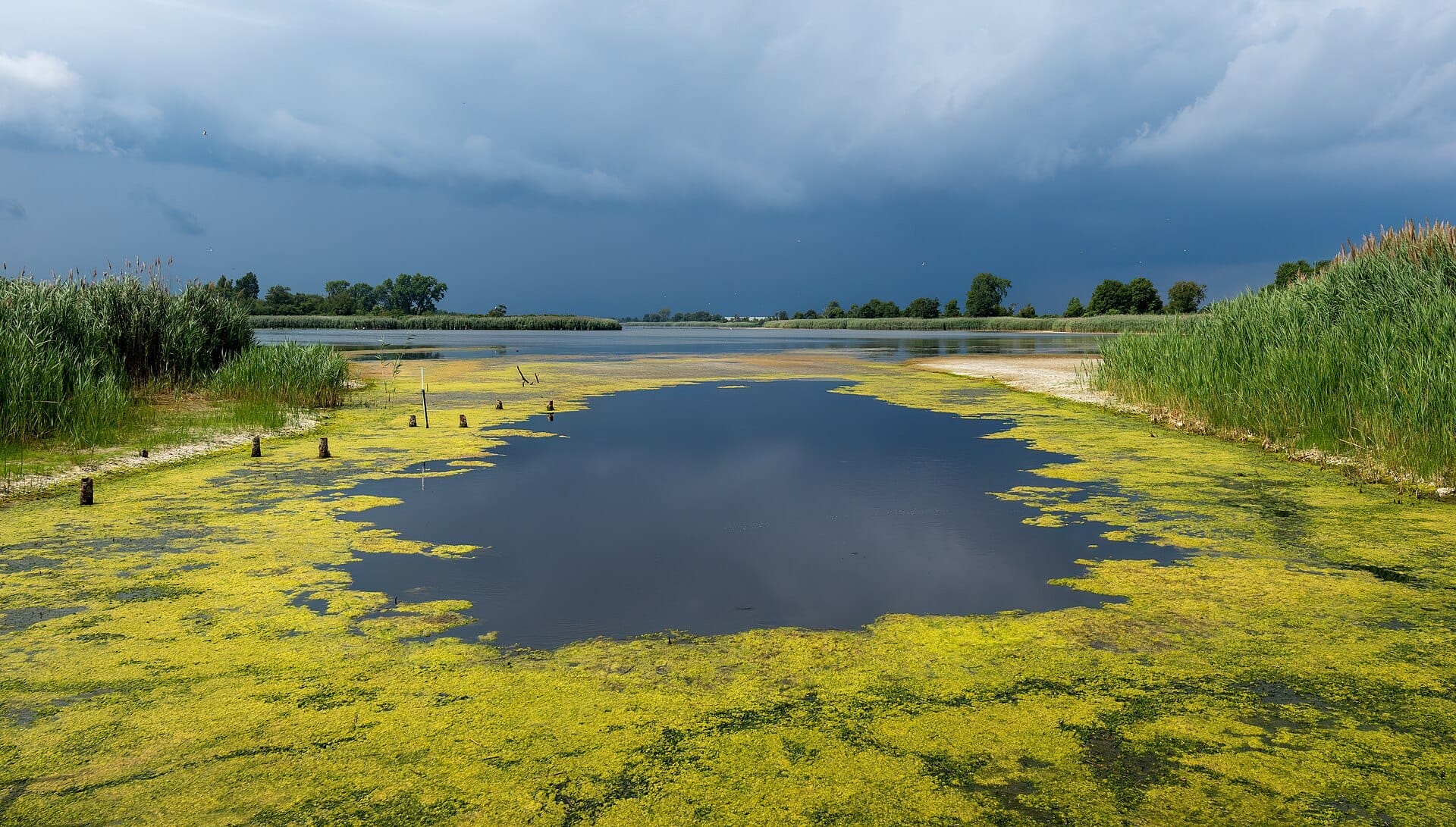
Jamaica Bay Wildlife Refuge is a stretch of coastal wilderness in the middle of New York City that most residents have never set foot in. Administered by the National Park Service as part of Gateway National Recreation Area (established 1972), it is the only wildlife refuge in the National Park System managed by the NPS rather than the U.S. Fish and Wildlife Service. That bureaucratic distinction matters less than this one: the refuge covers somewhere between 9,155 and 12,600 acres of open bay, salt marsh, mudflat, upland field, scrub woodland, and two large brackish ponds, all surrounded by the flight paths of JFK Airport and the low skyline of the Rockaways.
The landscape is flat and wide-open, which gives it a quality unlike anything else in the five boroughs. Standing at the edge of the West Pond on a clear morning, with egrets picking through the shallows and the Manhattan skyline barely visible to the northwest, the refuge delivers a dissonance that is genuinely striking. This is not manicured parkland. The trails are unpaved, the vegetation is low and scrubby, and the wind off the bay can be serious. That rawness is exactly the point.
ℹ️ Good to know
Trails and the parking lot are open 06:00–21:00 year-round. The Visitor Center (with restrooms, exhibits, and staff) is typically open Friday through Monday, 10:00–16:00, but hours can vary seasonally. Confirm current hours via the NPS website before visiting.
The Trails: What to Expect Underfoot
The refuge has roughly five miles of marked trails. The two most-used routes circle the West Pond and East Pond respectively. The West Pond Trail is a 1.75-mile loop around the larger of the two brackish ponds and is the best starting point for first-time visitors. The path is compacted earth and gravel, passing through low shrubland, reed beds, and open sightlines over the water. The East Pond Trail is less groomed and more demanding, especially in late summer when vegetation encroaches on the path and the footing can be soft near the pond edges. It rewards the extra effort with closer access to shorebird habitat.
Between the trails and the bay edge, there are several observation blinds, wooden structures that let you watch birds without disturbing them. These are particularly useful during peak migration, when patience at a blind can produce sightings that a casual walk-by would miss entirely. Bring binoculars. The distances across the ponds are significant, and the naked eye misses most of the action.
💡 Local tip
Wear shoes with ankle support and expect mud near the pond edges after rain. In summer, pack insect repellent — the salt marsh breeds mosquitoes at scale, and the trail near the East Pond can be genuinely unpleasant without it.
Tickets & tours
Hand-picked options from our booking partner. Prices are indicative; availability and final rates are confirmed when you complete your booking.
Statue of Liberty, Ellis Island, and Brooklyn Bridge Happy Hour Cruise
From 49 €Instant confirmationFree cancellationSpirit of New York Dinner Cruise
From 161 €Instant confirmationFree cancellationNew York City Highlights bike tour
From 70 €Instant confirmationFree cancellationNew York Statue of Liberty and Ellis Island tour by ferry
From 55 €Instant confirmation
Birdwatching: The Real Reason to Come
Over 330 bird species have been recorded at Jamaica Bay Wildlife Refuge, making it one of the most productive birding sites on the entire Atlantic Flyway. The flyway is the migratory corridor running along the Eastern Seaboard, and the refuge sits directly in its path. That means spring (April to early June) and fall (August through October) deliver the highest species counts and the most dramatic concentrated sightings. Shorebirds pile up along the East Pond mudflats in late summer. Warblers move through the woodlands in May. Snowy owls occasionally appear near the bay edges in winter.
Year-round residents include great blue herons, great egrets, brant geese, American oystercatchers, and various duck species. In summer, nesting colonies of common and least terns occupy the islands in the bay. The refuge has also supported nesting osprey for decades. The NYC Bird Alliance (formerly NYC Audubon) runs organized birding walks here and publishes current sighting lists, which are worth checking before you go to calibrate expectations for the season.
Non-birders often underestimate how much there is to observe. Even a visitor with no binoculars and no field guide will encounter close-up sightings of herons, terrapins in the pond shallows, and horseshoe crabs on the bay beaches in late spring. The scale of the place, and the absence of competing noise (aside from the occasional JFK departure overhead), creates a meditative quality that surprises people who come expecting a modest urban park.
How the Experience Changes by Time of Day and Season
Dawn is the most productive time for birds, especially songbirds and raptors, and the light across the West Pond at sunrise is worth the early start. The air smells of salt and low-tide mud, which is either appealing or off-putting depending on your relationship with coastal marshland. By mid-morning on weekends, the Visitor Center parking lot fills up and the West Pond Trail gets moderate foot traffic. Families with children, joggers, and dog walkers (note: dogs must be on leash) share the trail with serious birders in full kit. It rarely feels crowded in the way that city parks do, because the space is vast enough to absorb the numbers.
Midday in midsummer is the hardest time to visit. The flat, open terrain offers almost no shade, the humidity combines with direct sun to make the marsh crossings genuinely draining, and bird activity slows sharply in the heat. Late afternoon recovers some of the morning's energy, especially near the water. In fall, the low-angled afternoon light across the bay is extraordinary for photography.
Winter visits are underrated. The crowds thin to almost nothing, the salt marsh takes on a pale gold color, and cold-weather waterfowl species appear that are absent in summer. Pair a winter refuge walk with a stop at the Rockaway Beach area nearby for a full coastal afternoon, though check conditions in advance as wind chill near the bay can be brutal.
Getting There: By Subway or by Car
The A train (Rockaway-bound) stops at Broad Channel Station, which is on the small island community that sits at the edge of the refuge. From the station, it is approximately 0.75 miles south along Noel Road to Cross Bay Boulevard and then to the Visitor Center. The walk is flat and straightforward, past modest residential streets that have a quiet, end-of-the-line quality. The total journey from Midtown Manhattan by subway typically takes around 60 to 75 minutes, making this one of the more accessible wilderness experiences within the city, despite the distance.
By car, take the Belt Parkway to Exit 17S onto Cross Bay Boulevard, cross the Joseph Addabbo Memorial Bridge, and continue approximately 1.5 miles to the Visitor Center parking lot on the right. Parking is free and the lot opens at 06:00. For broader context on navigating the city to reach destinations like this, the guide to getting around New York City covers subway, bus, and ride-hailing options in detail.
Historical and Ecological Context
Jamaica Bay has a layered human and ecological history that predates the refuge designation by centuries. The bay was a significant site for the Lenape people, who harvested shellfish and fish from these waters. By the late 19th and early 20th centuries, Jamaica Bay was targeted for major port development, with proposals that would have converted it into a commercial shipping hub to rival the Port of New York. Those plans were never fully realized, and the bay retained much of its natural character, though decades of pollution, dredging, and landfill eroded its salt marshes severely.
The formal creation of Gateway National Recreation Area in 1972 brought federal protection to the bay and its surrounding lands. Since then, restoration efforts have focused on stabilizing the salt marsh islands, which were disappearing at an alarming rate due to erosion and sea-level rise. Projects run by organizations like the Jamaica Bay Rockaway Parks Conservancy have replanted marsh grass and attempted to reverse some of the habitat loss. The science of how much has been recovered, and how much remains at risk, is ongoing, and the refuge sits at the center of serious climate-related conservation research.
The juxtaposition of this ecological fragility with the density of the surrounding city is what makes Jamaica Bay a genuinely important place, not just a pleasant outing. For travelers interested in the full picture of New York City's natural spaces, the free things to do in New York City guide includes several other natural and open-space destinations worth combining into a broader itinerary.
Practical Notes and Accessibility
The Visitor Center is wheelchair-accessible and contains interpretive exhibits about the refuge's ecology and history. Restrooms are located there, which is worth noting since trail facilities are essentially nonexistent once you leave the center. Carry water, particularly in warm months. The flat terrain of the West Pond Trail is manageable for most mobility levels, but the surface is unpaved and can be uneven in spots. The East Pond Trail is not recommended for visitors with mobility concerns without prior reconnaissance.
Photography conditions are best in the first two hours after sunrise and the last hour before dusk. The West Pond offers good light in the morning (eastern exposure), while the bay-facing sections of trail catch better evening light. A telephoto lens of at least 300mm is useful for bird photography across the ponds. The flat, unobstructed landscape also makes this a reasonable location for wide-angle landscape work when conditions are clear.
⚠️ What to skip
There is almost no shade on the main trails. Sunscreen, a hat, and at least one liter of water per person are non-negotiable in summer. The nearest food or drink purchase option is back in Broad Channel village, a 15-minute walk from the Visitor Center.
Who Should Skip This
Visitors with a packed city itinerary and limited days in New York should weigh the 45-plus-minute transit commitment carefully. The refuge is not a quick stop. If you have only two or three days in the city, other natural spaces closer to the major neighborhoods — Prospect Park in Brooklyn or the wilder northern sections of Central Park — offer greenery with far less travel overhead.
Visitors who need urban amenities close at hand (cafes, restrooms, shelter from sudden weather) will find the refuge's remoteness uncomfortable. The same goes for anyone expecting a manicured park experience. Jamaica Bay is genuinely wild by New York standards, which is both its appeal and its limiting factor for certain travelers.
Insider Tips
- The East Pond Trail is at its best in August and September when the water level drops and expanses of mudflat are exposed, concentrating large numbers of migratory shorebirds. This is one of the top shorebird spectacles in the northeastern United States during those weeks.
- Check the NYC Bird Alliance website for recent sighting reports before visiting. The reports are updated frequently by local birders and tell you exactly what species are present and which part of the refuge they have been seen in.
- The parking lot gate opens at 06:00. Arriving by car at first light on a weekend in spring or fall puts you on the West Pond Trail before the subway-dependent crowd arrives, and the birding in that first hour is substantially better.
- Horseshoe crabs come ashore to spawn on the bay beaches in late May and early June, typically around the full and new moons. Timing a visit to coincide with a high tide during this window can produce one of the stranger and more memorable wildlife encounters in the city.
- The refuge sits directly under one of JFK's flight paths. If jet noise in otherwise quiet surroundings bothers you, this is worth factoring in. Mornings typically have fewer departures than afternoons.
Who Is Jamaica Bay Wildlife Refuge For?
- Birders and wildlife watchers of any level, from novice to expert
- Photographers looking for natural light and coastal landscapes within the city
- Families with children who can handle a 2-mile walk and will engage with wildlife sightings
- Travelers seeking a deliberately slow, screen-free half-day away from Manhattan's pace
- Anyone researching urban ecology, climate resilience, or coastal conservation
Nearby Attractions
Combine your visit with:
- Brooklyn Navy Yard
A roughly 225-acre former U.S. Navy shipyard turned urban manufacturing campus, the Brooklyn Navy Yard blends two centuries of American industrial history with a living community of makers, artists, and innovators. Access is controlled, but for curious visitors willing to plan ahead, it offers one of the most distinctive experiences in New York City.
- SoHo Shopping District
SoHo is Lower Manhattan's grid of 19th-century cast-iron loft buildings, now home to flagship retail, independent boutiques, and art galleries spread across roughly 26 blocks. Free to enter and walkable in an afternoon, it rewards visitors who come curious about both shopping and architectural history.