High Bridge: New York City's Oldest Bridge and Best-Kept Waterway Walk
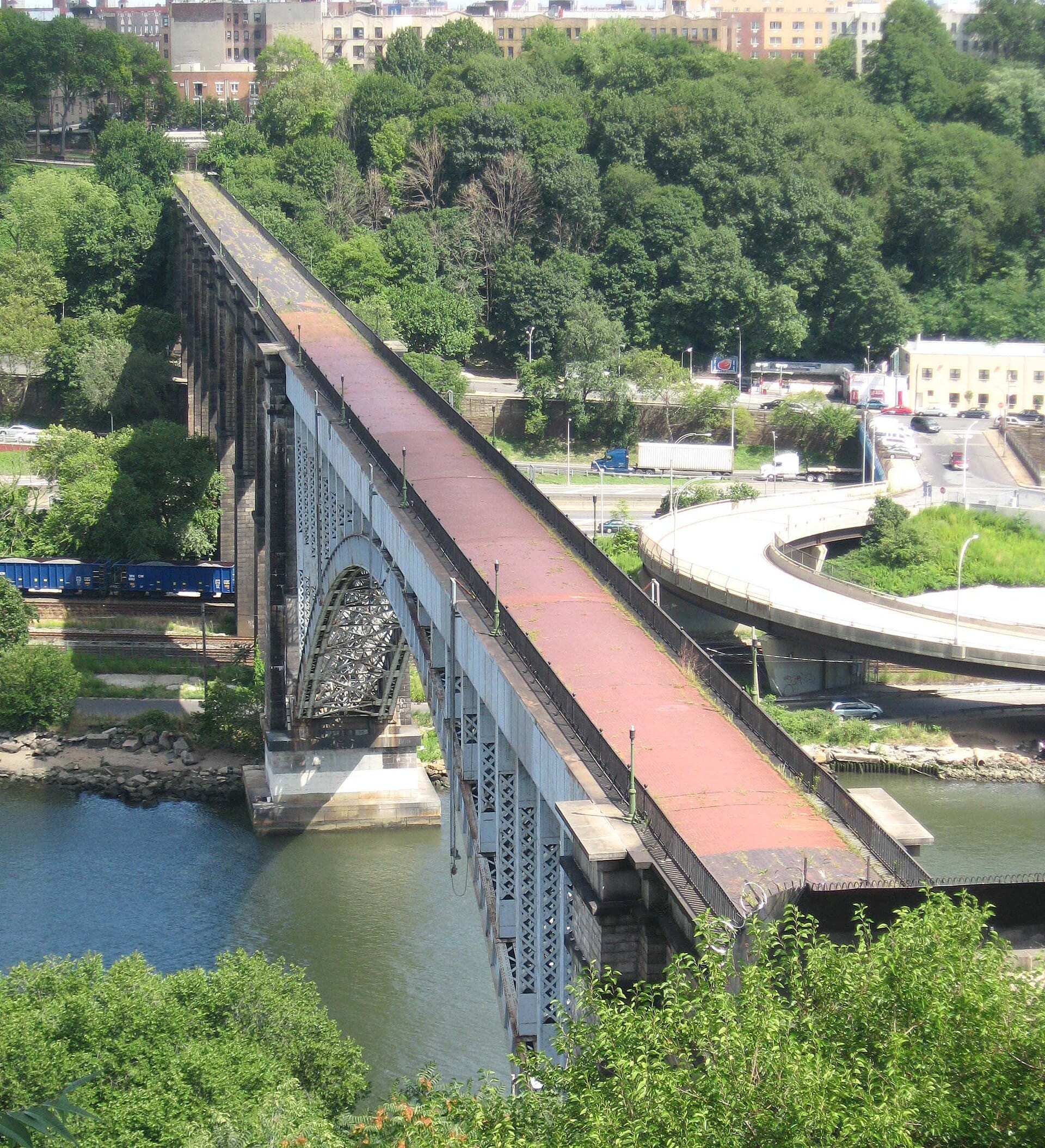
High Bridge is New York City's oldest standing bridge, a 1,450-foot pedestrian and bicycle span connecting Washington Heights in Manhattan to the Highbridge neighborhood in The Bronx. Free to cross daily, it offers river views, genuine history, and a calm that most of the city simply does not offer.
Quick Facts
- Location
- Spanning the Harlem River between Washington Heights, Manhattan and Highbridge, The Bronx
- Getting There
- Manhattan: 1 or A/C trains to 168th St. Bronx: 4 or B/D trains to 170th St, then walk to bridge entrance
- Time Needed
- 45 minutes to 1.5 hours depending on how far you walk into Highbridge Park
- Cost
- Free. No tickets, no reservations required
- Best for
- History buffs, cyclists, photographers, and anyone wanting calm city views without crowds
- Official website
- www.nycgovparks.org/park-features/highbridge-park/planyc
What Is High Bridge, and Why Does It Matter?
The High Bridge is New York City's oldest standing bridge, and it has the kind of resume that most structures can only dream about. Built in 1848 as a load-bearing component of the Old Croton Aqueduct system, it carried fresh water from Westchester County into Manhattan across the Harlem River for decades, solving the city's chronic water shortage problem at a time when New York's population was surging past half a million. It is not a decorative bridge. It was built to work.
Stretching approximately 1,450 feet (440 meters) and rising 140 feet (43 meters) above the river, the bridge is a designated New York City Landmark and is listed on the National Register of Historic Places. A pedestrian walkway was added in 1864, turning it into a popular promenade for New Yorkers who came to take in the river views. The bridge then fell into disuse in the 1970s, closed to the public for over four decades, before a 2012 rehabilitation project brought it back. It reopened in June 2015 and has been quietly drawing walkers and cyclists ever since.
ℹ️ Good to know
High Bridge is open daily from 7:00 a.m. to 10:00 p.m. (NYC Parks hours). Admission is free. No advance booking is needed.
The Walk Across: What You Actually See and Feel
The crossing itself takes around ten minutes at a relaxed pace, though most people slow down considerably once they reach the river views. The bridge deck is wide enough for cyclists and pedestrians to share comfortably, with a smooth surface suitable for strollers and wheelchairs. Stone railings line both sides, worn and solid, carrying the texture of a structure that has been standing since before the Civil War.
Looking south from the bridge, you get a clean, unobstructed view of the Harlem River, framed by elevated expressway structures in the distance and tree-lined banks below. It is not a skyline panorama, and it would be misleading to compare it to the view from the Empire State Building. What it offers is something rarer in New York: a feeling of being suspended above the city's edges, in a place that feels genuinely off the tourist circuit. The sound of water traffic below mixes with birdsong from Highbridge Park behind you.
On the Manhattan side, the approach runs through Highbridge Park, one of the city's underused green spaces. The path here is shaded by mature trees, and in warmer months the park feels almost dense with foliage. On the Bronx side, you emerge near University Avenue and West 170th Street, a working residential neighborhood with bodegas and bakeries within easy walking distance.
Tickets & tours
Hand-picked options from our booking partner. Prices are indicative; availability and final rates are confirmed when you complete your booking.
Statue of Liberty, Ellis Island, and Brooklyn Bridge Happy Hour Cruise
From 49 €Instant confirmationFree cancellationNew York City Highlights bike tour
From 70 €Instant confirmationFree cancellationChelsea Market, High Line and Meatpacking food and history tour
From 48 €Instant confirmationFree cancellationNew York Brooklyn Bridge and DUMBO food-tasting guided tour
From 89 €Instant confirmationFree cancellation
Morning, Afternoon, and Evening: How the Experience Changes
Early morning, before 9:00 a.m., is when High Bridge is at its quietest and most atmospheric. The light hits the stone arches from low angles, and the few people you share the bridge with tend to be joggers and dog walkers from the surrounding neighborhoods, not tourists. The park access paths are cool and shaded, and the Harlem River below reflects the morning sky without the midday glare.
Midday on weekends brings more visitors, including families and cyclists, but the bridge never gets uncomfortably crowded. This is not a place where you will be jostled or have to queue. Afternoon light falls at a good angle for photography of the stone arches when shooting from the Bronx side looking back toward Manhattan.
Evening visits before the 10:00 p.m. closing are worth considering in summer. The heat drops, the light turns golden, and the views of the river take on a softer quality. However, the park approaches can feel isolated after dark, particularly on the Manhattan side. Visiting as a pair or small group after sunset is reasonable; solo visitors should use their own judgment depending on comfort level.
💡 Local tip
Photography tip: Position yourself on the Bronx approach and face back toward the Manhattan side in late afternoon. The arches catch warm light and frame the water tower clearly against the sky.
Historical Context: Engineering That Built a City
The Croton Aqueduct project was one of the most ambitious public works efforts in nineteenth-century America. New York City had been relying on wells and cisterns that were repeatedly contaminated, contributing to cholera outbreaks and chronic illness. The aqueduct, completed in 1842, brought clean water from the Croton River in Westchester, but it needed to cross the Harlem River to reach Manhattan. High Bridge was the solution.
The original design featured fifteen masonry arches spanning the river, an engineering approach that echoed Roman aqueduct construction. In the 1920s, the original masonry arches over the water were replaced with a single steel arch to allow taller river traffic to pass through. That steel arch is still what you see spanning the main channel today, flanked by the surviving stone arches on either bank. The High Bridge Water Tower on the Manhattan side, completed in 1872, still stands in Highbridge Park and remains a recognizable landmark in the neighborhood.
The bridge is a concrete example of how infrastructure and public space can coexist, a point that resonates when you consider the later history of projects like the High Line, another piece of repurposed infrastructure turned into a public walkway, though built a century and a half later and in a very different part of the city.
Getting There: Transit and Approach Details
From the Manhattan side, take the 1 train to 168th Street or the A/C trains to 168th Street-Washington Heights. From either station, walk east toward Amsterdam Avenue, then north toward Highbridge Park. The accessible ramp approach runs from 167th Street and Edgecombe Avenue, connecting to the Highbridge Access Trail and the bridge level. There is signage, but it is modest; allow a few extra minutes to orient yourself on the first visit.
From the Bronx side, the 4 train stops at 170th Street, and the B and D trains also stop nearby. The bridge entrance is a short walk from University Avenue and West 170th Street. The accessible ramp on this side is located just north of that intersection.
⚠️ What to skip
Street parking near both bridge entrances is extremely limited. Do not plan to drive. Public transit is the practical option.
If you are combining the High Bridge visit with a broader look at upper Manhattan, the Harlem and Washington Heights area has plenty to explore before or after the crossing. The neighborhood is also within reasonable distance of Fort Tryon Park and the Met Cloisters, making it possible to build a full half-day in northern Manhattan.
Practical Notes for Visitors
The bridge deck is fully accessible for wheelchairs, strollers, and bicycles. Comfortable walking shoes are fine; no specialist footwear is needed. In wet weather, the stone approaches can become slippery, so shoes with grip are worth wearing if rain is expected. There are no cafes, restrooms, or vendors on the bridge itself. The closest facilities are back in the surrounding neighborhoods.
Cyclists should know that the bridge is open to bikes, but the park paths on the Manhattan side are narrower and shared with pedestrians, so slower riding is appropriate there. The crossing itself offers enough width to pass comfortably.
For visitors interested in the city's broader collection of free outdoor attractions, the free things to do in New York City guide covers options across all five boroughs.
Weather matters more here than at indoor attractions. The bridge is entirely exposed, so a sunny summer afternoon means full sun with no shade on the span itself. A hat and water are worth bringing between May and September. Winter crossings are possible and dramatic, with bare tree lines and good visibility up and down the river, but wind on the bridge can be sharp.
Who Should Skip High Bridge
High Bridge is not the right stop for visitors expecting a classic New York skyline view. The Manhattan midtown towers are not visible from here. If you have limited time and prioritize iconic panoramas, the observation decks at the Empire State Building or One World Observatory will serve that purpose more directly.
Similarly, if your itinerary is focused tightly on central Manhattan landmarks, getting to Washington Heights requires a meaningful subway ride. For first-time visitors with only two or three days in the city, the first-time visitor guide to New York City can help prioritize what fits realistically into a short trip. High Bridge rewards visitors who have a bit more time and want to see the city at a different register.
Insider Tips
- Walk the Manhattan side of Highbridge Park beyond the bridge access path to find the High Bridge Water Tower up close. It is rarely crowded and offers a different perspective on the aqueduct history.
- The Bronx side of the crossing is more interesting to explore than most visitors expect. Walk a few blocks along University Avenue for local bakeries and coffee shops that reflect the neighborhood rather than the tourist circuit.
- If you are visiting in spring, the park path on the Manhattan approach is lined with flowering trees in April that make the walk to the bridge considerably more scenic than at other times of year.
- Bring a bike if you can. The bridge and surrounding greenway feel different at cycling pace, and combining the crossing with a ride along the Harlem River shoreline on either side extends the experience significantly.
- The bridge is technically part of a longer trail network connecting to the Old Croton Aqueduct Trail in Westchester. Dedicated walkers can research the full aqueduct trail for a multi-hour or multi-day route heading north.
Who Is High Bridge For?
- History and infrastructure enthusiasts who want to see the engineering that gave New York its modern water supply
- Cyclists looking for a car-free crossing between Manhattan and The Bronx with scenic river views
- Photographers seeking stone arch perspectives and river light away from midtown crowds
- Travelers who want to experience a genuine upper-Manhattan neighborhood rather than the city's tourist core
- Budget visitors who want a genuinely rewarding outdoor experience at zero cost
Nearby Attractions
Other things to see while in Harlem:
- Apollo Theater
The Apollo Theater at 253 West 125th Street has shaped American music for over 90 years, launching careers from Ella Fitzgerald to James Brown. While the historic theater is undergoing a multi-year renovation, the free gallery and active programming make it worth the trip to Harlem.
- Cathedral Church of St. John the Divine
Rising above Morningside Heights at near Harlem, the Cathedral Church of Saint John the Divine is one of New York City's most extraordinary architectural spaces. Construction began in 1892 and continues to this day, making every visit a glimpse into a living, unfinished monument. At 601 feet long with a nave vaulting 124 feet overhead, the scale alone justifies the trip.
- El Museo del Barrio
Founded in East Harlem in 1969, El Museo del Barrio stands as the United States' leading museum dedicated to Latino, Caribbean, and Latin American art and culture. Positioned at the northern tip of Fifth Avenue's Museum Mile, it offers a distinct and often underappreciated counterpoint to the larger institutions that dominate the strip.
- Fort Tryon Park
Fort Tryon Park is a 67-acre public park in Upper Manhattan, designed by the Olmsted Brothers and gifted to New York City by John D. Rockefeller Jr. in 1931. It sits on one of the borough's highest natural ridges, offering sweeping views of the Hudson River, eight miles of winding paths through wooded slopes, and the landmark Met Cloisters museum. Entry to the park is free.