Georges Island: Boston Harbor's Civil War Fortress Worth the Ferry Ride
About seven miles offshore from downtown Boston, Georges Island is home to Fort Warren, a massive granite Civil War fortress that served as both a Union training ground and a Confederate prison. Reached by seasonal ferry from Long Wharf, the 39-acre island offers harbor panoramas, free fort exploration, and a genuine half-day escape from the city.
Quick Facts
- Location
- Boston Harbor, approximately 7 miles offshore from downtown Boston
- Getting There
- Seasonal ferry from Long Wharf, downtown Boston (no car access)
- Time Needed
- 3 to 5 hours including ferry travel
- Cost
- No island admission fee; round-trip ferry starting around US$30 per adult (verify current fares)
- Best for
- History enthusiasts, families, photographers, anyone needing distance from the city
- Official website
- www.bostonharborislands.org/georges-island
What Georges Island Actually Is
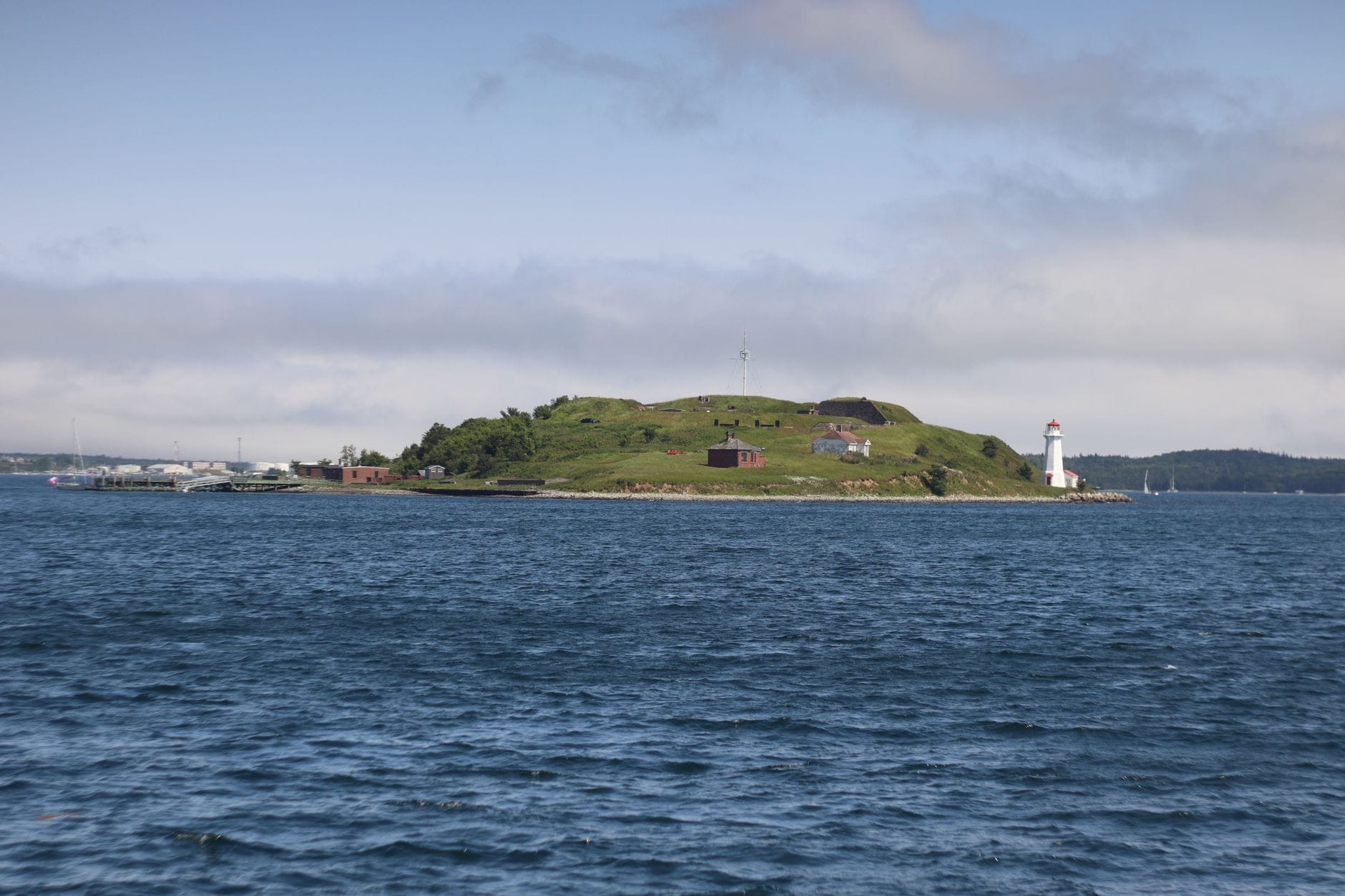
Georges Island sits in the middle of Boston Harbor, about seven miles from Long Wharf, and it is a centerpiece site of Boston Harbor Islands National and State Park. The island covers roughly 39 acres of land, with another 14 acres of intertidal zone ringing its edges, and rises to about 50 feet above sea level at its highest point. That elevation, modest as it sounds, is enough to give sweeping 360-degree views across the harbor, back toward the Boston skyline, and out toward the outer islands.
The island's defining feature is Fort Warren, a pentagonal granite fortification built as part of the United States' ambitious Third System of coastal defense. Construction began in 1833 and the fort was substantially complete by 1851, a decade before the Civil War began. The federal government had purchased the island in 1825 to build a coastal defense fortification. The result is one of the most intact examples of 19th-century American military engineering in New England, and unlike many historic fortifications, Fort Warren is explorable rather than roped off behind barriers.
ℹ️ Good to know
There is no separate admission fee to enter Fort Warren or walk the island. Your only ticket cost is the seasonal round-trip ferry from Long Wharf. Confirm current ferry fares at bostonharborislands.org before you go, as prices are updated seasonally.
The Fort Warren Experience: What You'll Actually See
Walking into Fort Warren for the first time produces a specific kind of surprise: the scale of the place. From the ferry dock, the fort's earthen ramparts and granite walls appear solid but not enormous. Once you pass through the main sally port, the interior parade ground opens up and the true footprint of the structure becomes clear. The granite walls are thick enough to walk on top of, the casemates run in long barrel-vaulted corridors, and the staircases descend into chambers that smell faintly of salt and stone even on warm summer afternoons.
During the Civil War, Fort Warren held Confederate prisoners of considerable rank, including Confederate Vice President Alexander H. Stephens and Confederate Postmaster General John H. Reagan. The fort had served first as a training facility for Union regiments from Massachusetts and beyond before its conversion to a prison. This dual history is what makes the place more than a military curiosity: it was both a staging ground for men going to war and a holding pen for the Confederacy's leadership, all within sight of Boston Harbor.
After the Civil War, the fort remained part of the harbor defense network through World War II, though its role shifted with changing military technology. It was decommissioned in 1947, and Massachusetts purchased the island from the federal government in 1958. The fort was subsequently designated a National Historic Landmark and now falls under the management of the Massachusetts Department of Conservation and Recreation.
If Boston's military and colonial past is a thread you want to pull further, the Freedom Trail on the mainland covers a different but complementary period of that history, while Charlestown Navy Yard and the USS Constitution offer a look at naval history across the harbor.
Tickets & tours
Hand-picked options from our booking partner. Prices are indicative; availability and final rates are confirmed when you complete your booking.
Boston Summer Night Trolley Tour and River Cruise
From 27 €Instant confirmationFree cancellationLEGOLAND Discovery Center Boston tickets
From 26 €Instant confirmationFree cancellationGhosts and Gravestones tour of Boston
From 39 €Instant confirmationFree cancellationBest of Boston tour
From 182 €Instant confirmationFree cancellation
How the Island Changes Through the Day
The first ferry of the morning tends to bring the most dedicated visitors: history-focused adults, birdwatchers, and families who planned ahead. The island is quiet in the early hours. The fort's corridors are cool and dim, the parade ground is largely empty, and the views from the ramparts are sharpest before the afternoon haze builds over the harbor. Morning light falls across the stone walls at a low angle that makes the texture of the granite almost tactile from a distance.
By midday in summer, particularly on weekends, the ferries deposit enough visitors that the picnic areas fill and the main paths around the island get busy. A seasonal snack bar is typically open during peak season, which makes the island more manageable for families but also means you should not count on solitude after about 11am in July or August. The wind off the harbor is usually reliable, which keeps temperatures comfortable even when the city is humid and hot.
Late afternoon shifts the atmosphere again. Day-trippers who came on the noon ferry start heading back, and the light over the harbor turns warmer and softer. If you can time a later ferry departure, the walk along the island's perimeter in the hour before your boat leaves is well worthwhile. The Boston skyline across the water is best photographed facing southwest in the late afternoon.
Getting There: Ferries and Practical Logistics
Georges Island is only reachable by water. Seasonal passenger ferries depart from Long Wharf in downtown Boston, which is walking distance from the Aquarium stop on the MBTA Blue Line. The ferry crossing takes roughly 30 to 45 minutes each way, The island is open to the public from about mid-May through mid-October, with the season tied directly to ferry service availability.
Private boaters can also reach Georges Island, with public moorings available off the west side of the island. This is a less common approach for most visitors but worth knowing if you have access to a vessel.
💡 Local tip
Book ferry tickets in advance for weekend trips in July and August. Boats do sell out, and there is no alternative way to reach the island if you miss your sailing. Weekday visits in June or September are noticeably less crowded and the experience is measurably better.
The ferry from Long Wharf also connects to other islands in the park. Boston Harbor Islands includes Spectacle Island, which has a beach and higher elevation views, reachable on the same ferry system. If you want a beach component to your day, consider checking the Spectacle Island schedule alongside your Georges Island trip.
What to Bring and Wear
The island has no shelter from rain beyond the fort's casemates, and Boston Harbor weather shifts faster than city forecasts suggest. A light rain layer is worth packing even on clear mornings. The wind on the ferry crossing and along the ramparts is consistent and can feel cold even in June or September, so a mid-layer is not excessive.
Footwear matters more than most visitors expect. The paths around the island are unpaved in sections, the fort's interior floors are uneven granite and brick, and the staircases within the casemates are steep. Sneakers or walking shoes with closed toes are the baseline. Sandals are technically manageable on the easier paths but become awkward inside the fort.
- Water and snacks (the seasonal snack bar is limited; do not rely on it as your only food source)
- Sun protection (the harbor reflects UV and the island has minimal tree cover)
- A light jacket or wind layer regardless of air temperature in the city
- A flashlight or phone torch for the darker interior corridors of Fort Warren
- Cash or card for the snack bar if you want food on the island
Photography and Accessibility Notes
Georges Island is one of the more photogenic spots in Boston Harbor, largely because the granite fort sits against open water on all sides. The rampart walk provides unobstructed sightlines to the Boston skyline, the harbor shipping channels, and other islands in the park. Shooting back toward the city in the late afternoon, with the fort's walls in the foreground, produces images that look nothing like standard Boston travel photography.
Inside the fort, the casemates create natural framing opportunities: long arched corridors with light entering from the ends. A wide-angle lens or a phone camera with a wide setting does better in these spaces than a telephoto. Bring more storage than you think you need.
On accessibility: Georges Island is described as one of the easiest islands in the park to access because of its regular ferry service and visitor facilities including restrooms. However, Fort Warren's interior involves uneven surfaces, steep stairs, and low clearances in some areas. Visitors with mobility limitations should check directly with the Massachusetts Department of Conservation and Recreation or Boston Harbor Islands visitor services for current ADA accommodation details before planning a visit.
Who This Is For — and Who It Is Not
Georges Island works well as a half-day or full-day trip for people who want a genuine break from the city paired with substantive historical content. The fort is real, the setting is striking, and the combination of harbor air, open space, and 19th-century military architecture is hard to replicate anywhere closer to downtown Boston.
Visitors who are primarily interested in beaches should know that Georges Island does not have a swimming beach. For that, Spectacle Island or, on the mainland, Revere Beach are better choices.
Visitors who expect a polished museum experience with interpretive displays at every turn may find the fort somewhat raw. Much of Fort Warren is open for self-guided exploration without extensive signage. This is part of its appeal for some visitors and a frustration for others. Rangers and seasonal staff are present during peak months, but the island is not set up as a heavily curated exhibit.
Anyone prone to seasickness should factor in the 45-minute crossing each way. On calm days the harbor is relatively flat, but summer storms can make the crossing rough, and there is no alternative route if conditions deteriorate during your visit.
For context on planning your broader Boston trip, the Boston outdoor activities guide covers how Georges Island fits into a broader set of outdoor options across the city and surrounding region.
Insider Tips
- The fort's so-called 'Corridor of Dungeons' is the darkest interior section and one of the most atmospheric. Bring a torch: the ambient light from corridor entrances does not reach the middle, and photographs without supplemental light come out nearly black.
- Ferries from Long Wharf sometimes stop at multiple islands on a single route. Check the posted schedule carefully so you board the direct Georges Island service rather than one that makes several stops and adds significant time to your crossing.
- If you want the parade ground and ramparts largely to yourself, take the first ferry out on a weekday in late May or September. The island feels different with fewer than a dozen people on it.
- The island's perimeter path around the outside of the fort takes about 20 minutes at a relaxed pace and gives the best overall perspective on the fort's scale. Most visitors skip it and go straight inside, which means the outer walk is almost always uncrowded even on busy weekend days.
- The Boston skyline photograph that most people attempt from the ferry is actually better from the fort's seaward ramparts, with the granite parapet visible in the lower third of the frame. The ferry shot has no foreground interest.
Who Is Georges Island For?
- History enthusiasts who want to explore Civil War-era military architecture without a tour group
- Families with older children who can handle uneven terrain and dim interior spaces
- Photographers looking for harbor and skyline compositions well away from the standard city vantage points
- Anyone who wants a half-day outdoor escape from Boston without driving
- Visitors combining Georges Island with other harbor islands in a single ferry-day itinerary
Nearby Attractions
Combine your visit with:
- Arnold Arboretum
Founded in 1872, the Arnold Arboretum is the oldest public arboretum in North America — a free, 281-acre landscape in Jamaica Plain managed by Harvard University. With over 15,000 accessioned plants and sweeping hillside views, it draws botanists, dog walkers, and curious visitors in equal measure across all four seasons.
- Blue Hills Reservation
Ten miles south of downtown Boston, Blue Hills Reservation spreads across more than 7,000 acres of forested hills, rocky ridgelines, and glacial wetlands. Free to enter and open year-round from dawn to dusk, it offers 125 miles of trails ranging from easy pond-side loops to a genuine summit climb at 635-foot Great Blue Hill.
- Boston Duck Tours
Boston Duck Tours puts you aboard a replica World War II DUKW amphibious vehicle for an 80-minute circuit of the city's most historic landmarks, finishing with a splash into the Charles River. Running seasonally from late March through late November, it's one of the few tours in Boston that covers both street-level sights and a Charles River perspective in a single trip.
- Boston Harbor Islands
Boston Harbor Islands National and State Park puts 34 islands and peninsulas within easy ferry reach of downtown Boston. From Civil War earthworks on Georges Island to the oldest lighthouse station in the United States on Little Brewster, the park rewards visitors who are willing to trade the city's brick sidewalks for salt air and open water.