San Diego to Las Vegas: Best Ways to Get There
The San Diego to Las Vegas route is one of Southern California's most popular road trips, but driving isn't always the best choice. This guide breaks down every realistic option, from the 5-hour I-15 drive to sub-90-minute flights, with a clear take on cost, convenience, and when each mode makes sense.

TL;DR
- The drive from San Diego to Las Vegas covers roughly 330 miles via I-15 North, typically 4 hours 45 minutes to 5 hours under normal conditions.
- Nonstop flights between SAN and LAS take about 1 hour 25 minutes, but door-to-door time is often 4+ hours once you factor in airport logistics.
- Bus options from Greyhound, FlixBus, and others run daily, with fares starting around $37-45 and journey times of 5.5 to 9.5 hours depending on the service.
- The drive is the most flexible option and works well for groups; check getting around San Diego if you need a car rental or transit info before you leave.
- Summer desert heat on the I-15 corridor routinely exceeds 100°F, so plan hydration and vehicle checks before departing in July or August.
The Drive: I-15 North and What to Expect
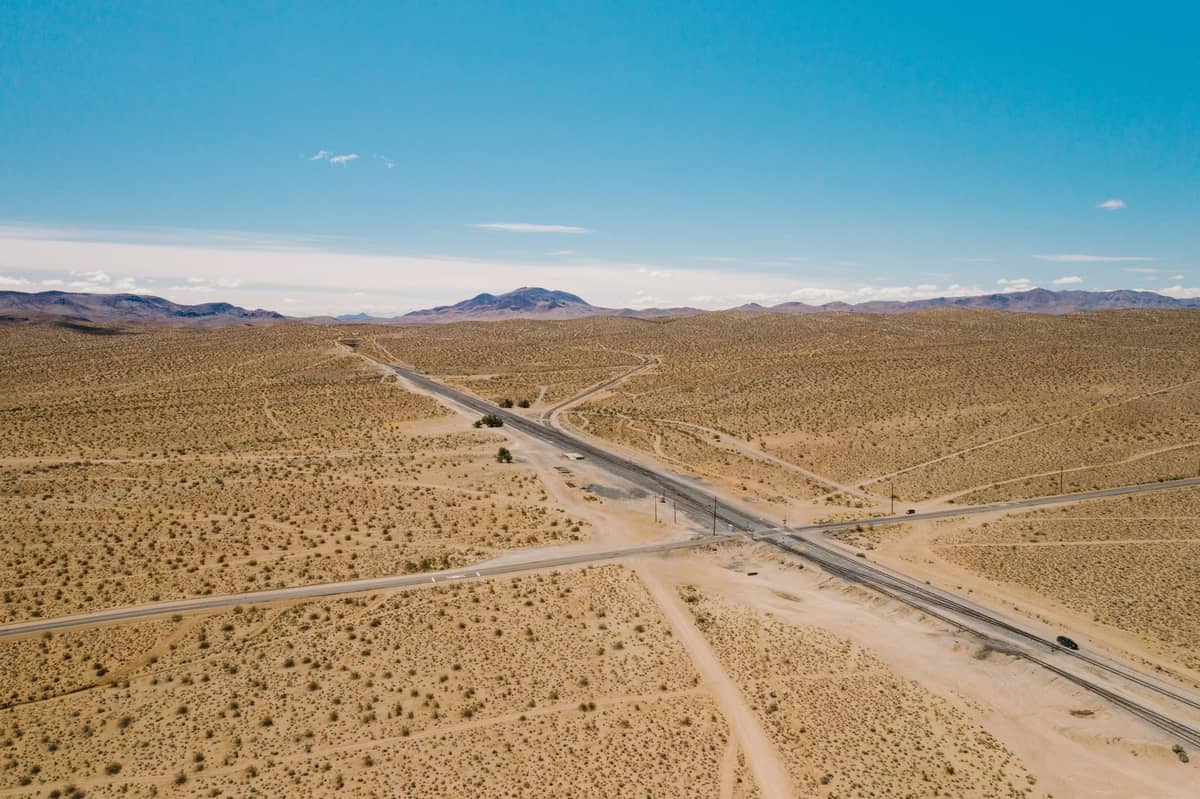
The fastest route between San Diego and Las Vegas is I-15 North, a straight desert highway that covers approximately 326 to 331 miles depending on your starting point in the city. Under normal highway conditions, plan on 4 hours 45 minutes to 5 hours of driving time. That estimate does not account for stops, construction delays, or the notorious Friday afternoon traffic that builds on the I-15 in San Diego's northern suburbs.
The drive itself is genuinely manageable as a same-day trip. You pass through Temecula wine country and the Inland Empire before hitting the Cajon Pass and then opening into the Mojave Desert. The scenery shifts dramatically once you cross into the high desert, and the Las Vegas strip appears out of nowhere after a long stretch of flat nothing. For first-timers, that approach is worth the drive alone.
⚠️ What to skip
Summer driving on this route is no joke. The I-15 passes through stretches of the Mojave where temperatures regularly exceed 105°F in July and August. Before leaving, check your coolant level, carry at least two liters of water per person, and know the locations of rest stops. Breakdowns in this corridor can turn dangerous quickly, and cell coverage is spotty between Barstow and Baker.
- Departure time matters Leaving San Diego before 7 AM avoids both city rush hour and the worst of the afternoon heat in summer. For Friday trips, leaving after 8 PM is smarter than fighting weekend traffic out of the city.
- Gas in Barstow, not Baker Fuel prices at the Baker, CA exits (the last major stop before the Nevada border) are consistently higher than in Barstow. Fill up in Barstow and you'll have enough to reach Las Vegas comfortably.
- Watch for CHP enforcement California Highway Patrol is active on the I-15 through San Bernardino County. The speed limit is 70 mph, and enforcement is consistent on this corridor, particularly on holiday weekends.
- Agricultural inspection is on the return California's agricultural inspection station on I-15 is southbound into California, not on the northbound drive from San Diego to Las Vegas. You will not stop there on the way to Nevada; if you drive back with produce, expect a checkpoint on the California side, and lines can back up on busy holiday weekends.
Flying: Fast in the Air, Less So on the Ground
San Diego International Airport (SAN) and Las Vegas Harry Reid International Airport (LAS) are connected by one of the busiest short-haul air corridors in the western United States. Nonstop flight time is approximately 1 hour 17 minutes to 1 hour 28 minutes depending on the carrier and winds. Southwest alone operates around 11 nonstop flights per day on weekdays, with earliest departures around 6:15 AM and last flights close to 11 PM. Alaska, Delta, Frontier, and Spirit also serve the route nonstop.
Here is the honest calculation most travel sites skip: door-to-door, flying rarely saves significant time compared to driving. You need to arrive at SAN at least 90 minutes before departure. The airport is about 3 miles from downtown, but ride-share pickup times and traffic add 20 to 40 minutes depending on where you're staying. On the Las Vegas end, Harry Reid International is close to the Strip, but luggage claim and ground transportation still add 30 to 45 minutes. For travelers staying near the I-15 corridor in San Diego, driving and flying often end up within 45 minutes of each other, total trip time.
✨ Pro tip
Flying makes the most sense if you're traveling solo without luggage, booking last-minute when gas and tolls add up, or traveling midweek when fares are lowest. For groups of three or more with bags who want flexibility on arrival time, the drive almost always works out cheaper and comparably fast door-to-door.
- Southwest Airlines Dominates this route with the highest frequency and a flexible no-change-fee policy. Good for spontaneous Vegas trips.
- Frontier and Spirit Lowest base fares but charge for carry-on bags and seat selection. Budget carefully before assuming these are the cheapest option.
- Alaska and Delta Fewer frequencies but earn miles on major loyalty programs, which adds value for frequent travelers.
Bus Travel: Cheapest Option, Longest Journey
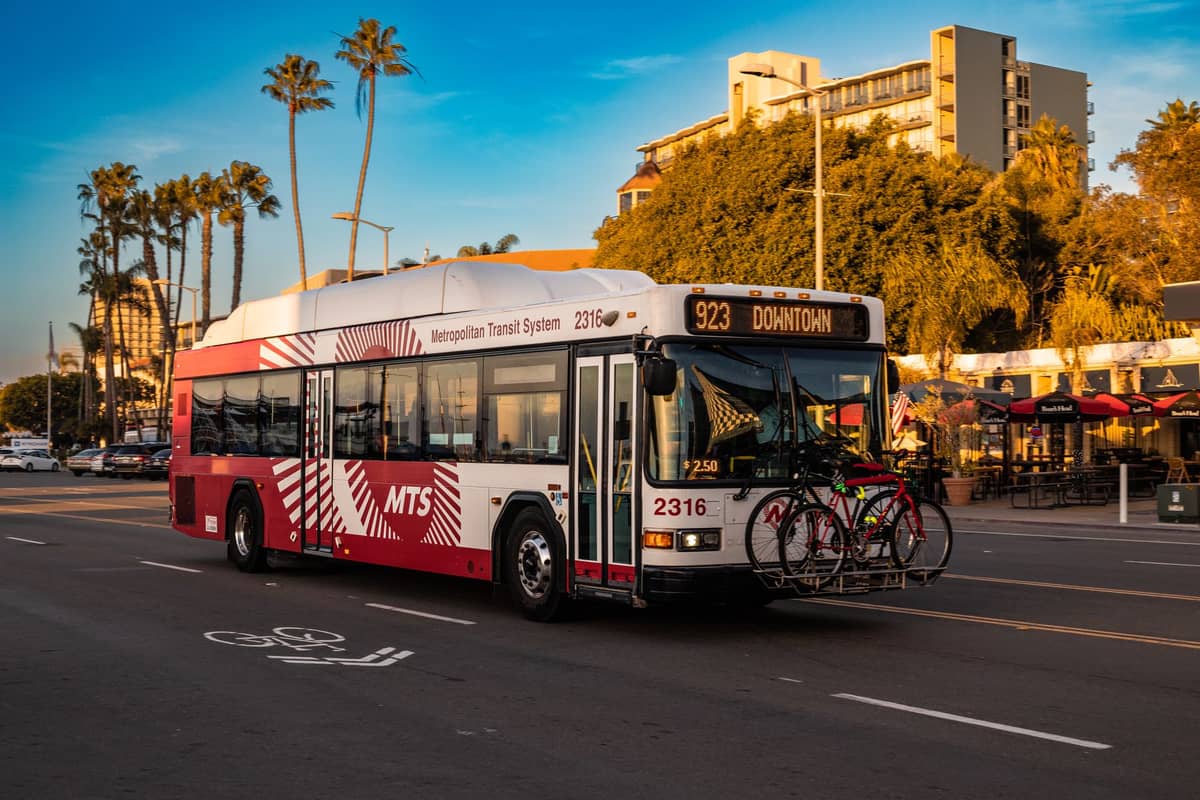
If cost is the primary concern and time is flexible, buses are the most economical way to make this trip. Greyhound, FlixBus, and several regional operators run daily services between San Diego and Las Vegas. Comparison platforms like Busbud and CheckMyBus aggregate across operators and typically show fares starting around $37 to $45 for advance bookings, with Greyhound listing tickets from approximately $49.96. Prices climb toward $90 to $110 on peak dates.
Journey times vary significantly by operator. Faster services advertise around 5 hours 30 minutes, while standard intercity coaches can take 9 hours 30 minutes with stops and layovers. Read the itinerary carefully before booking: some cheap tickets involve a transfer in Los Angeles, which adds hours and complexity. Direct services between downtown San Diego and Las Vegas are the ones worth paying slightly more for.
💡 Local tip
Book bus tickets at least a week in advance for Friday and Sunday departures, which are the most popular days on this route. Midweek buses often have significant availability at lower prices, sometimes under $40 for a direct seat.
Comparing the Options Side by Side
Every traveler's situation is different, so here is a practical breakdown to guide the decision. The right choice depends on group size, budget, departure flexibility, and what you actually value once you arrive in Las Vegas.
- Drive (I-15 North): Best for groups and road-trippers ~330 miles, 4h45m-5h, cost varies with gas and vehicle. Maximum flexibility on timing. Ideal for 3+ travelers splitting fuel. Works poorly on Friday afternoons and holiday weekends.
- Fly (SAN to LAS): Best for solo travelers and business trips ~1h25m flight, 4-5h door-to-door total. Fares vary widely by airline and date. Best when booked 2-3 weeks out on Southwest or Alaska. Poor value for groups with checked luggage.
- Bus (Greyhound / FlixBus): Best for budget-first solo travelers 5.5h to 9.5h depending on service. Fares from $37-$100. Comfortable enough for the trip but limited baggage space and fixed departure times. Direct services only; avoid LA-transfer itineraries.
Seasonal Timing and When to Avoid This Route
The San Diego to Las Vegas route sees its heaviest demand over Labor Day, Memorial Day, Fourth of July weekends, and New Year's Eve, when Las Vegas hotel prices spike and I-15 traffic can add two or more hours to the drive. If you're planning a Vegas trip around a major event or holiday, book transport and accommodation well in advance. For a broader picture of San Diego's seasonal patterns, the best time to visit San Diego guide covers climate and crowd cycles in detail.
Summer is both the busiest and the most physically demanding time to drive this corridor. Temperatures in the Mojave between Barstow and Las Vegas regularly hit 110°F or higher in July. The drive is absolutely doable, but it requires preparation. Spring (March to May) and fall (September to October) offer far more comfortable conditions for road-trippers, with temperatures in the 75 to 95°F range across the desert stretch.
Winter driving on I-15 carries its own risks. The Cajon Pass, which the I-15 crosses through the San Gabriel Mountains north of San Bernardino, can experience snow and ice between December and February. Chains may be required during winter storms. Check Caltrans road conditions before departing any time from November through March. If you'd rather explore San Diego in winter instead of making the Vegas run, the San Diego in winter guide has plenty of ideas for staying local.
Making a Road Trip of It: Stops Worth Considering
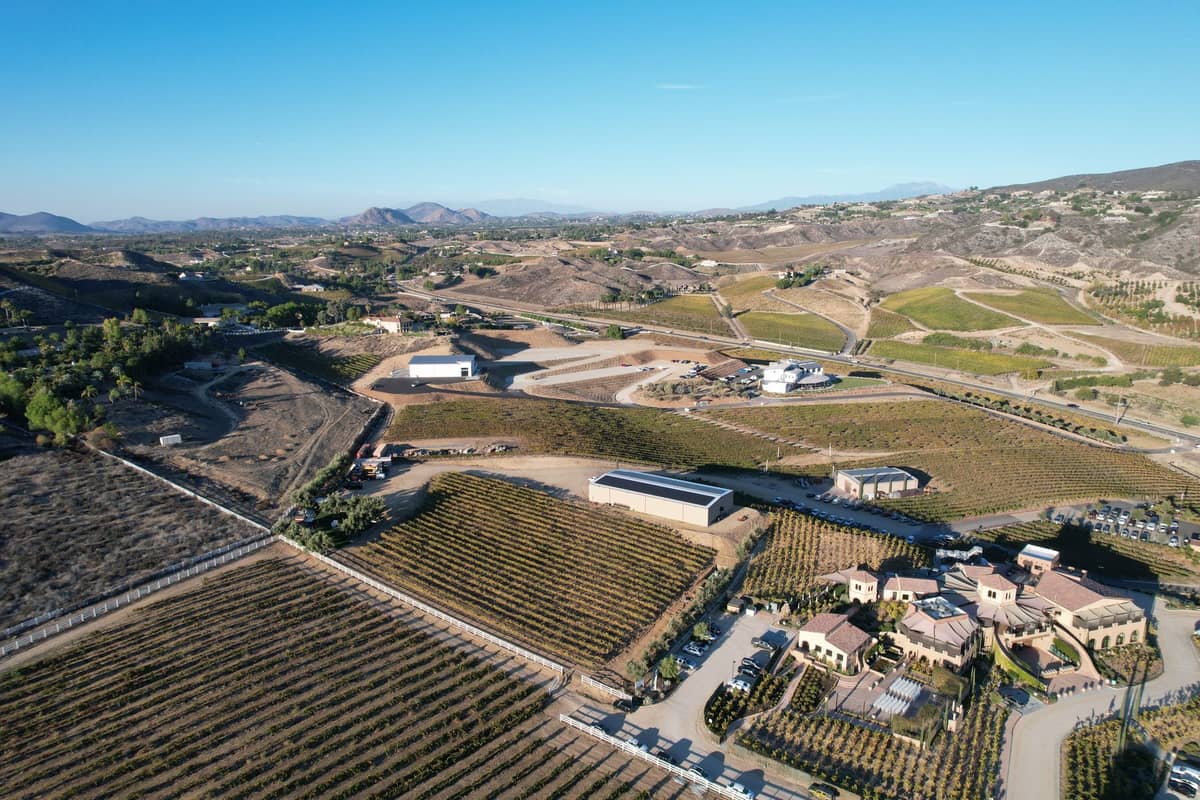
The I-15 corridor is mostly utilitarian, but a few detours are genuinely worth the extra time. Temecula, about 60 miles north of San Diego, has a compact wine country that makes sense for an overnight stop on the way up or back. Day trips from San Diego covers Temecula and other nearby destinations if you want to break the journey into something more interesting.
Baker, California is famous mainly for the World's Tallest Thermometer roadside attraction, which sounds more exciting than it is, but the Mad Greek Cafe has been a legitimate pit stop institution for decades and is worth a 20-minute break. Primm, Nevada, just across the state line, has a few casino resort options for travelers who want to break the drive and spend a night cheaply before arriving in Las Vegas proper.
For those who want to go off-route before heading to Vegas, the Anza-Borrego Desert State Park lies east of San Diego and offers a dramatically different desert experience, though it adds significant time to the route and requires a different approach to the I-15. It works better as a standalone trip than a Vegas detour.
FAQ
How long does it take to drive from San Diego to Las Vegas?
The drive via I-15 North covers approximately 326 to 331 miles and takes 4 hours 45 minutes to 5 hours under normal highway conditions. Add extra time for stops, and plan for 6 or more hours on busy Friday afternoons or holiday weekends when traffic leaving San Diego's northern suburbs is heavy.
Is it worth flying from San Diego to Las Vegas?
The flight itself is only about 1 hour 25 minutes, but door-to-door travel typically runs 4 to 5 hours once you factor in arriving at SAN early, security, and ground transportation at LAS. Flying makes the most sense for solo travelers, those booking last-minute, or anyone who doesn't want to drive back after a long Vegas weekend. For groups of three or more, the drive is usually faster door-to-door and significantly cheaper.
What is the cheapest way to get from San Diego to Las Vegas?
Bus travel is consistently the cheapest option, with fares from around $37 to $50 for advance bookings on services like FlixBus and Greyhound. Direct routes take about 5.5 hours; avoid itineraries with LA transfers, which can stretch the journey to 9 hours. Driving works out to a similar or lower cost per person for groups of three or more splitting fuel.
What is the best time to drive from San Diego to Las Vegas?
Early morning departures (before 7 AM) avoid San Diego rush hour and get you through the desert before peak afternoon heat in summer. Spring and fall offer the most comfortable driving conditions. Avoid Friday afternoon departures and holiday weekends, when the I-15 through San Diego's northern suburbs and the Cajon Pass can back up significantly. In winter, check Caltrans for Cajon Pass road conditions before leaving.
Can you take a direct bus from San Diego to Las Vegas?
Yes, several operators including Greyhound and FlixBus run direct buses between San Diego and Las Vegas daily. Journey times on direct services start around 5 hours 30 minutes. When comparing options on aggregator sites like Busbud or CheckMyBus, filter for direct routes only, as some cheap tickets involve a transfer in Los Angeles that can turn a 5-hour trip into a 9-hour ordeal.