Wulai Hot Springs & Waterfall: The Complete Visitor Guide
Wulai combines an 80-meter waterfall, naturally hot alkaline spring water, and an Atayal indigenous village into one of the most rewarding day trips from Taipei. The experience ranges from free riverside soaking to a cable-car ride above the forest canopy.
Quick Facts
- Location
- No. 16, Pubu Rd, Wulai District, New Taipei City 233, Taiwan
- Getting There
- MRT to Xindian Station (Green Line), then Bus 849 to Wulai
- Time Needed
- Half day (4–6 hours) to full day
- Cost
- Waterfall viewing platform: free. Cable car & Yun Hsien leisure park: approx. NT$300 full / NT$230 concession / NT$150 disability
- Best for
- Hot spring soakers, waterfall photography, nature walkers, Atayal culture seekers
- Official website
- www.wulai.ntpc.gov.tw/en
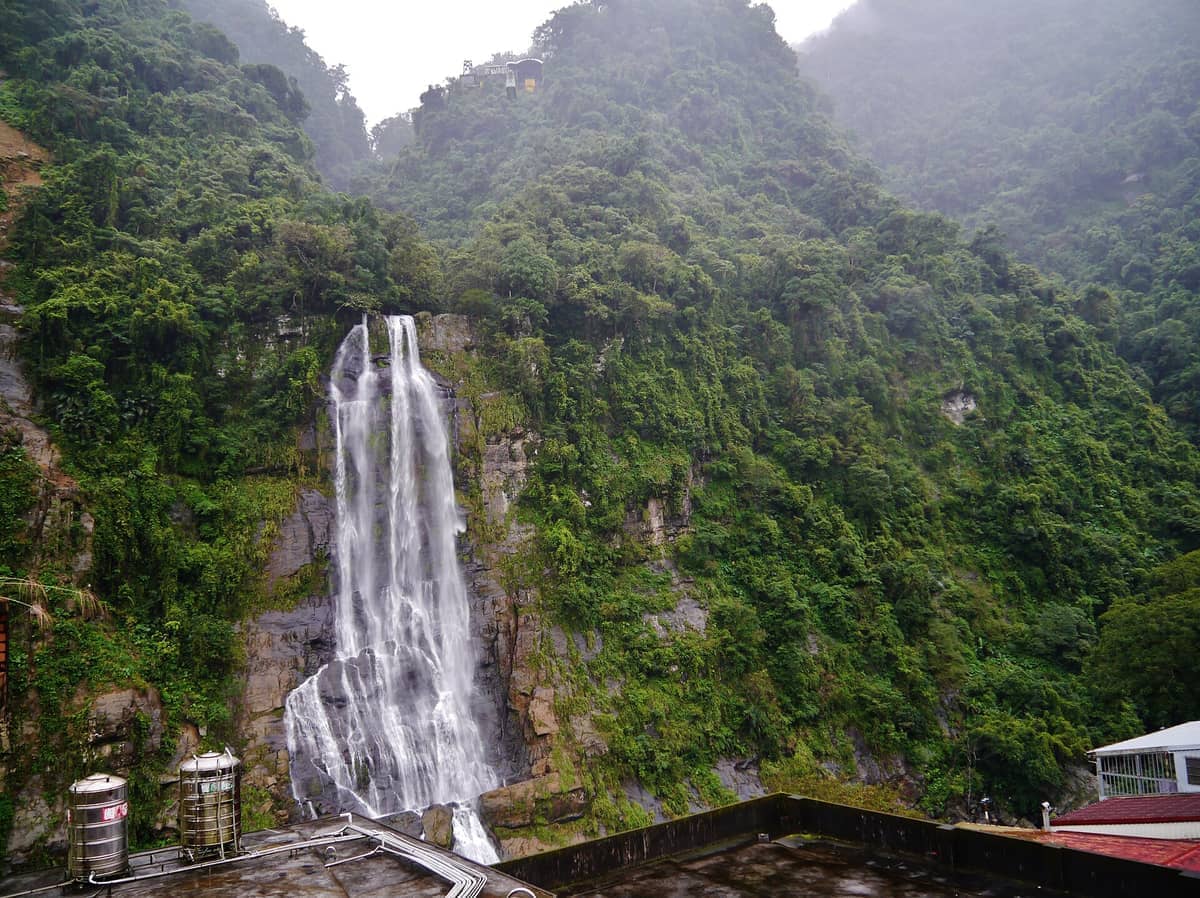
What Wulai Actually Is
Wulai Hot Springs and Wulai Waterfall sit in a forested mountain valley roughly 40 kilometers south of central Taipei, inside New Taipei City's Wulai District. The area is home to the Atayal people, one of Taiwan's recognized indigenous groups, and their cultural presence shapes everything from the food stalls along the main street to the name itself: 'Wulai' derives from an Atayal word meaning hot and dangerous, a reference to the geothermal springs that surface throughout the valley.
At its core, Wulai offers three distinct experiences in a compact area: free outdoor hot spring pools where the Nanshi River meets the hot spring runoff, a dramatic 80-meter waterfall at the end of Pubu Road, and a cable car that lifts visitors above the tree line to a small leisure park above the valley. You can do all three in half a day, or linger for a full afternoon if you book a private room soak at one of the bathhouse hotels on the main strip.
💡 Local tip
The outdoor soaking areas along the riverbank have historically been the most atmospheric part of the visit for many people, but formal public pools have been removed; any remaining river soaks are informal, free, and subject to closure or access restrictions. Bring a towel and a change of clothes, and check that your valuables are secured before wading in.
The Hot Springs: What the Water Actually Feels Like
Wulai's geothermal water is classified as weakly alkaline sodium bicarbonate water, sometimes described in spa literature as 'beauty water' because of its soft, slightly slippery feel against the skin. The water emerges from the ground at between 55 and 80 degrees Celsius, far too hot to enter directly. By the time it reaches the public outdoor pools and commercial bathhouses, it is cooled and mixed to a more bearable range, typically 40 to 42 degrees Celsius for soaking pools.
The free outdoor pools line the riverbank near the base of Wulai's pedestrian zone. These are open-air, communal, and genuinely scenic: the water is clear, the river runs beside you, and forested hillsides rise on both sides. On cooler autumn and winter mornings, the steam rising off the water creates a dense mist that drifts across the valley. In summer, the air is humid enough that soaking is less pleasant, though the water itself remains constant.
Private bathhouses and hotel spa facilities along Wulai Old Street and Pubu Road offer indoor rooms with personal tubs, usually requiring advance reservation. These are ideal if you prefer privacy over the communal outdoor experience, and many include views directly onto the river or surrounding forest. Prices vary by establishment and room type, so confirm rates directly with individual facilities.
For context on how Wulai compares to Taipei's other hot spring district, see the guide to Xinbeitou Hot Spring Area, which is closer to central Taipei and more developed but lacks the waterfall and indigenous cultural layer that makes Wulai distinctive.
The Waterfall: Scale, Approach, and Photography
Wulai Waterfall drops approximately 80 meters in a single, near-vertical curtain of white water into a rocky pool below. It is a genuinely large waterfall by the standards of the greater Taipei region, and the scale becomes apparent only when you see the trees dwarfed beside it. The falls are visible from a designated viewing platform at the end of Pubu Road, and admission to the viewing area is free.
The best light for photography falls in the morning hours, when the sun is not yet directly overhead and the mist from the falls catches the light at an angle. By midday, the contrast is harsh and the surrounding rock face loses detail. If you arrive in the afternoon, overcast days actually produce more even, usable light than clear sunny ones. Rainfall in the preceding days will significantly increase the volume of water, making the falls considerably more dramatic but also louder and more mist-heavy.
The walk from Wulai's main bus stop to the waterfall viewpoint takes about 15 to 20 minutes along Pubu Road, a paved path lined with food vendors selling Atayal-style grilled meats, mochi rice cakes, and wild boar sausages. The path is manageable for most visitors, though the final approach involves some uneven stone surfaces. The waterfall area is listed as open daily, with the surrounding cable-car park operating on set hours that vary by day and season; confirm current hours before planning a late afternoon visit.
⚠️ What to skip
After heavy rainfall, the Nanshi River can rise quickly and the outdoor hot spring pools may be closed or inaccessible for safety reasons. Check local conditions before making the trip, especially during the May-to-September wet season.
The Cable Car and the Atayal Cultural Layer
Adjacent to the waterfall, a cable car ascends the hillside to a small leisure park above. The ride itself is short but offers a clear aerial view of the waterfall from the side, which is one angle you cannot get from the ground-level platform. Tickets for the cable car and Yun Hsien leisure park are sold together; current listings show NT$300 for full price, NT$230 concession, and NT$150 for visitors with disabilities.
Wulai is one of the more accessible places near Taipei to encounter Atayal culture in a context that is not purely performative. The main street vendors are largely from or connected to the local Atayal community, and the ingredients they use, including millet, wild vegetables, mountain boar, and glutinous rice, reflect genuinely regional food traditions. The leisure park at the top of the cable car includes cultural exhibits and performance areas, though the quality and depth of these installations varies.
If indigenous culture and mountain landscapes are a priority for your Taipei visit, the broader Taipei hiking guide includes routes in the surrounding hills that pass through Atayal territory with fewer crowds than the main Wulai strip.
Getting There and Getting Around
The standard route from central Taipei is the MRT Green Line to Xindian Station, followed by the 849 bus directly to Wulai. The bus journey takes roughly 40 minutes and runs along a mountain road that narrows considerably toward the end, which gives first-time visitors a preview of the terrain. The entire journey from Taipei Main Station is typically under 90 minutes depending on connections and traffic.
Taxis and ride-hailing services can get you to Wulai from Xindian or central Taipei, though the mountain road and the relative remoteness of the area mean surge pricing applies at peak times. If you're traveling in a small group, a taxi split may not cost much more than the bus and saves time. Note that Uber availability in the Wulai area itself can be limited; confirm before relying on it for the return journey.
Within Wulai, everything of interest is reachable on foot from the main bus terminus. A small local scenic train (trolley) runs along part of Pubu Road toward the waterfall and is worth taking at least one way for the novelty, though it covers a distance walkable in under 20 minutes and costs around NT$50 one way. There are no cycling rentals in the immediate area.
Wulai makes a natural add-on to a broader New Taipei City day. The day trips from Taipei guide covers how to combine Wulai with other destinations in the surrounding mountains or along the north coast.
When to Visit and What to Expect by Season
Autumn and winter are the most rewarding seasons for a Wulai visit. From October through February, the air is cool enough to make hot spring soaking genuinely comfortable rather than oppressive, the crowds are thinner on weekdays, and occasional mountain fog gives the valley a quality of light that photographs exceptionally well. Taiwan's winter averages around 13 to 16 degrees Celsius in the Wulai mountains, cool enough to justify a long soak.
Spring is pleasant but can be foggy and drizzly. Summer brings the highest visitor numbers, especially on weekends when Taipei residents escape the city heat. The valley is greener and the waterfall is at full volume after seasonal rain, but the air temperature combined with the natural humidity makes the outdoor soaking pools less appealing, and the main street becomes crowded by late morning. If you visit in summer, arrive by 9am.
The typhoon season overlaps with late summer and early autumn. During typhoon warnings or in the days immediately following a significant storm, roads into Wulai may be closed and outdoor activities suspended. Always check conditions before traveling during this period.
For a broader look at timing your Taipei trip, the guide to the best time to visit Taipei breaks down each month's weather, crowds, and key events.
Who Will Get the Most Out of Wulai
Wulai works best for visitors who want to leave the city without a complicated logistics chain. The combination of free outdoor soaking, a photogenic waterfall, local food, and forest scenery all within a short radius of a single bus stop makes it unusually efficient as a half-day excursion. Families with older children handle the terrain well; the walk is not strenuous, and the food vendors and cable car add enough variety to hold attention.
Solo travelers and couples who book a private bathhouse room for an hour or two often find it among the more relaxing half-days available near Taipei, particularly if they time the visit for a weekday morning. The combination of natural water chemistry, forest backdrop, and genuine quiet is harder to find in the city proper.
Visitors who struggle with uneven terrain or steep gradients should note that while Pubu Road itself is paved, the areas around the waterfall base and some riverside pool access points involve stone steps and sloped surfaces. The cable car and viewing platform area is more accessible than the riverside pools. A compassionate ticket rate is available for visitors with disabilities, and the main road is generally passable with careful navigation, but the experience is not fully wheelchair accessible end-to-end.
Visitors expecting a polished, manicured resort experience should recalibrate. The outdoor pools are communal and natural, not sanitized spa facilities. The Wulai main strip is informal and food-market in character. That is part of its appeal, but if you need controlled temperature pools with changing rooms and lockers, book a private indoor bathhouse rather than planning to use only the outdoor river pools.
If a fully developed hot spring resort is more your speed, Taipei's hot springs guide covers the full range of options from Beitou's day-use public baths to Wulai's more rugged riverside setting.
Insider Tips
- Weekday mornings before 10am are significantly quieter than weekends. The outdoor river pools feel almost private before most tour buses and larger groups arrive later in the morning.
- The mochi stalls near the main bus stop sell freshly pounded glutinous rice filled with peanut or sesame paste. Buy it fresh, not pre-packaged from the souvenir shops further down the strip, where it is made hours in advance.
- The cable car offers the only side-angle view of the waterfall. If photography is important, ride it up rather than just viewing from the ground platform, where you are looking directly at the falls with no sense of the full canyon context.
- Bring your own towel and water shoes. Rental options exist at some facilities but availability varies, and water shoes make navigating the rocky areas around the outdoor pools considerably more comfortable.
- If you plan to soak at a private indoor bathhouse, call ahead to reserve a room. Weekend rooms at reputable facilities can be fully booked by early morning, especially in the October-to-February peak season.
Who Is Wulai Hot Springs & Waterfall For?
- Travelers wanting a genuine nature escape within 90 minutes of central Taipei
- Hot spring enthusiasts interested in free, outdoor alkaline spring pools rather than commercial spa setups
- Waterfall and landscape photographers looking for dramatic mountain scenery
- Visitors curious about Atayal indigenous culture and traditional mountain food
- Couples or solo travelers seeking a quiet weekday retreat from the city
Nearby Attractions
Combine your visit with:
- Bitou Cape Trail
The Bitou Cape Trail (鼻頭角步道) traces a narrow coastal ridge above the Pacific Ocean in Ruifang District, New Taipei City. Free to enter and roughly 3.5 km long, it rewards hikers with some of the most dramatic ocean scenery within striking distance of Taipei. Note that sections have been under reconstruction since 2020, so checking current trail status before visiting is essential.
- Houtong Cat Village
Houtong Cat Village is a retired mining settlement in New Taipei City's Ruifang District where a large resident cat population transformed a fading industrial town into one of Taiwan's most photographed day trips. The village is free to enter, reached by a scenic Taiwan Railways train ride from Taipei, and pairs well with the adjacent Houtong Coal Mine Ecological Park.
- Jinguashi Gold Museum Area
Set high in the mountains of Ruifang District, the Gold Museum in Jinguashi preserves an entire Japanese-era gold and copper mining complex. Expect underground tunnel walks, colonial architecture, a POW camp memorial, and sweeping Pacific coastline views, all within a single open-air park.
- Jiufen Old Street
Jiufen Old Street (Jishan Street) is a narrow, lantern-lit lane winding through a former gold-mining town above Taiwan's northeast coast. Free to enter and accessible by train and bus from Taipei, it rewards visitors who arrive early or stay for dusk, when the red lanterns glow against the mountain fog.