Jinguashi Gold Museum Area: Taiwan's Most Complete Mining Heritage Site
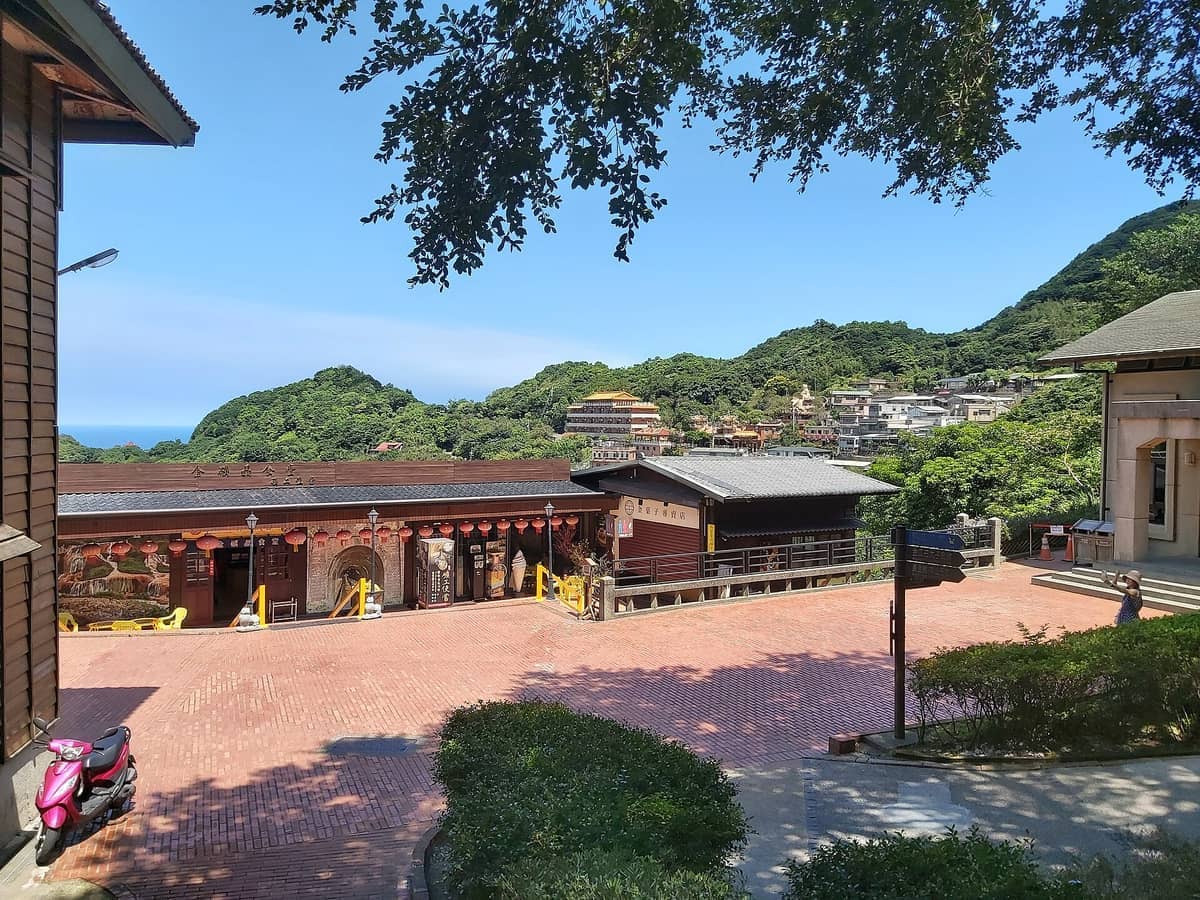
Set high in the mountains of Ruifang District, the Gold Museum in Jinguashi preserves an entire Japanese-era gold and copper mining complex. Expect underground tunnel walks, colonial architecture, a POW camp memorial, and sweeping Pacific coastline views, all within a single open-air park.
Quick Facts
- Location
- No. 8, Jinguang Rd., Ruifang District, New Taipei City 22450, Taiwan
- Getting There
- Take the train to Ruifang Station, then bus 788 to Jinguashi Gold Museum stop or Taiwan Tourist Shuttle 965 from central Taipei to Jiufen and Jinguashi
- Time Needed
- 2.5–4 hours for the full park; pair with Jiufen to fill a day
- Cost
- NT$80 general admission; some individual attractions within the park charge separately
- Best for
- History enthusiasts, architecture lovers, hikers, and anyone wanting to escape central Taipei
- Official website
- www.gep-en.ntpc.gov.tw
What Jinguashi Actually Is
The Gold Museum (金瓜石黃金博物館) is not a single building. It is an entire preserved mining settlement spread across steep hillsides overlooking the Pacific coast of northeastern Taiwan. The New Taipei City Government manages the site, which opened to the public in 2004, and has deliberately avoided turning it into a theme park. What you walk through instead feels closer to a working village that simply stopped one day and was never demolished.
The complex sits in Jinguashi, a name that most international visitors encounter only when researching Jiufen. That is a mistake worth correcting. While Jiufen has leaned into its atmospheric lantern-lit alleyways and tea houses, Jinguashi preserved something rawer: the infrastructure of extraction. The distinction matters for deciding which to prioritize. If you want nostalgia and noodles, go to Jiufen. If you want to understand how Taiwan was industrialized under Japanese colonial rule, come here first.
ℹ️ Good to know
Opening hours: Monday–Friday 09:30–17:00; Saturday, Sunday, and national holidays 09:30–18:00. The park closes on the first Monday of every month (unless that day is a public holiday, in which case the closure shifts), as well as on Chinese New Year’s Eve and Chinese New Year’s Day. Plan accordingly and check before travel.
The History Behind the Hillside
Gold was discovered in the Jinguashi area in 1893, during the final years of Qing Dynasty control. Within two years, Taiwan had passed to Japan following the First Sino-Japanese War, and the colonial administration quickly recognized the site's economic potential. Japan developed Jinguashi into one of Asia's most productive gold and copper mining operations, building not just shafts and processing facilities but an entire administrative town: Shinto shrines, company housing, a dedicated railway, and a Crown Prince Villa constructed for a planned royal visit.
During World War II, the site also housed a prisoner of war camp. Allied POWs, primarily British and Australian soldiers captured in Malaya and Singapore, were forced to work in the mines under brutal conditions. A reconstruction of the camp now forms one of the park's more sobering stops. It is not graphic, but it is honest, and it provides context that most mountain day-trips in Taiwan never attempt.
Mining operations continued after the Japanese period and wound down significantly by the late 20th century. Rather than redevelop the land, New Taipei City chose preservation, and the result is a heritage site with genuine physical evidence across multiple eras: Qing-era tunnels, Japanese colonial architecture, wartime infrastructure, and postwar industrial equipment.
Walking the Park: What You Will Actually See
Entering through the main gate on Jinguang Road, the path rises steadily. The air changes almost immediately: cooler, with a mineral edge and the smell of damp stone coming off the surrounding hillside. The terrain is dramatic in a way that photographs compress. The mountains rise directly behind the park, and on clear days the Pacific Ocean is visible to the northeast.
The Crown Prince Villa (太子賓館) is one of the first major structures you pass. It was built in 1922 for a planned visit by Crown Prince Hirohito that never materialized. The building is Japanese in style with formal garden elements, and its preservation is remarkably complete. It is visible from the path but not always open for interior access, so check current status on the official site.
Further into the complex, the Gold Ecological Park contains the main exhibition hall, the mine tunnel entrance, and the famous 220.3-kilogram gold brick display. The tunnel walk is one of the most memorable parts of the visit: cool, low-ceilinged, with audio and visual installations explaining the extraction process. It takes roughly 15–20 minutes and is accessible to most visitors, though those with claustrophobia should note the narrow passages.
The Shinto shrine ruins on the upper trail are often missed by visitors who turn back at the main buildings. The stone torii gates and stairways survive largely intact against a backdrop of cloud-covered peaks, and the walk up takes around 15–20 minutes from the main path. It is one of the better preserved examples of Japanese religious architecture in northern Taiwan. If you are interested in other temple and shrine heritage around Taipei, the Dalongdong Baoan Temple in Datong District offers a very different but equally serious look at religious architecture.
How the Experience Changes by Time of Day
Arriving at opening (09:30 on weekdays) gives you the park almost entirely to yourself for the first 45 minutes. The morning light from the east catches the weathered copper rooflines of the mining buildings and the stone faces of the hillside. If there is mist, which is common in this part of New Taipei City especially from October through April, the ruins take on a grey-green quality that no afternoon visit replicates.
By 11:00 on weekends, tour groups begin arriving from Taipei, and the mine tunnel queues lengthen noticeably. The main exhibition hall becomes loud. If you come on a Saturday, either arrive early or skip the tunnel until early afternoon when groups have moved on. The park is large enough that crowds are rarely overwhelming outside the three or four central buildings.
Late afternoon, in the hour before closing on weekdays, the park quiets again. The low sun rakes across the hillside at an angle that makes the corrugated metal and concrete mining structures look almost cinematic. Photographers who have timed the day around Jiufen first often find Jinguashi rushed at this point; it is worth reversing the order and coming here in the morning before crossing to Jiufen for the late afternoon and evening.
💡 Local tip
Reverse the usual tourist order: visit Jinguashi Gold Museum in the morning when it is quieter, then walk or take the short bus ride to Jiufen for the afternoon and evening. The two sites are only about 3 km apart, and this sequence gives you the best light at each.
Getting There from Taipei
The most straightforward route is by Taiwan Railways from Taipei Main Station or Songshan Station to Ruifang Station (roughly 40 minutes). From Ruifang, bus 788 continues to Jinguashi, stopping directly at the Gold Museum. The bus ride takes around 15–20 minutes and passes through the hills above the coast, with views opening up as you climb.
Driving is possible but parking near the park is limited and fills quickly on weekends. The road into Jinguashi is narrow in sections. If you are considering a self-drive day that also includes the north coast, the Taipei north coast day trip guide covers the full route with practical timing.
Many visitors pair Jinguashi with a day trip to Jiufen as part of a broader northeast Taiwan excursion. The Taipei to Jiufen day trip guide covers transit options and timing in detail, including how to combine both sites without feeling rushed.
Practical Details and What to Bring
Wear shoes with grip. The paths inside the park are paved but steep, and the stone steps to the shrine area and upper trails become slippery when wet. Rain is frequent in this part of New Taipei City year-round; a packable waterproof layer is genuinely useful, not just advisable.
The mine tunnel is cool year-round at roughly 15–18°C inside, which feels refreshing in summer but cold if you are already damp from rain. A light layer to put on before entering is worth carrying. There is a café and small food vendors near the main entrance, but the selection is limited; if you plan to spend a full half-day, eat before you arrive or budget time for the short bus ride into Jiufen for lunch.
Photography in the open-air areas is unrestricted and the site offers strong material: rusted equipment, stone staircases, forested mountain backgrounds, and the coastline in the distance. Interior restrictions vary by building. The Gold Museum area is one of the more photogenic heritage sites in northern Taiwan; if you are building a Taipei-area photography itinerary, the Taipei viewpoints guide lists additional elevated vantage points worth combining.
⚠️ What to skip
Accessibility: The park involves significant elevation changes and uneven stone paths. While the main exhibition buildings are generally accessible, the upper shrine trail and several historic structures are not. Visitors with limited mobility should focus on the lower park area around the main hall and tunnel entrance, which offers the majority of the key exhibits.
Honest Assessment: Who Should Skip This
If your primary interest in the Jiufen-Jinguashi area is the atmospheric tea houses and the visual backdrop associated with classic Taiwanese cinema, Jinguashi Gold Museum will feel dry by comparison. The site rewards curiosity about industrial and colonial history. Without that interest, the lack of food stalls, the uphill walking, and the absence of obvious entertainment can make it feel like a long way to travel for some buildings and a tunnel.
Travelers with young children should assess carefully. The tunnel walk is memorable for older kids, but the overall site involves sustained walking on steep terrain with limited rest spots. For family travel in Taipei more broadly, the Taipei with kids guide offers alternatives with more structured activities for younger ages.
Anyone visiting only for the gold brick photo opportunity (the NT$80 Gold Museum ticket covers this) will find it satisfying as a standalone goal, but will likely feel the site warrants more time than they planned. Budget at minimum two and a half hours if you intend to see more than the main exhibition hall.
Insider Tips
- The gold brick at the main exhibition hall weighs 220 kilograms and visitors can attempt to lift it through a secured case. The challenge is not the weight itself but the awkward grip angle; almost no one manages it, which makes for good photos regardless.
- The ruins of the Five-Pit Mine (五坑礦坑) area and the upper Shinto shrine are the least-visited sections of the park despite being the most visually striking. Most tour groups do not walk this far. Budget an extra 30 minutes and go.
- Bus 788 from Ruifang runs via Jiufen to Jinguashi, making it easy to hop between the two sites without backtracking to the train station. Keep your bus pass or change ready; the journey between the two stops is short.
- The first Monday of every month is the park's regular closure day. This detail is easy to miss when booking transport in advance. Double-check the date before committing to a non-refundable train ticket.
- The museum offers gold panning experiences (金沙體驗) for an additional fee (around NT$100). These sell out on weekend mornings. If this is a priority, arrive at 09:30 and book immediately on entry rather than exploring the park first.
Who Is Jinguashi Gold Museum Area For?
- History and heritage travelers who want colonial-era industrial context beyond temple visits
- Photography enthusiasts drawn to weathered architecture, mountain mist, and Pacific coastline backdrops
- Day-trippers from Taipei combining the site with Jiufen as a northeast New Taipei City loop
- Hikers who want a gentler trail component alongside cultural content rather than a purely outdoor day
- Adults and older teenagers with genuine curiosity about Taiwan's Japanese colonial period and wartime history
Nearby Attractions
Combine your visit with:
- Bitou Cape Trail
The Bitou Cape Trail (鼻頭角步道) traces a narrow coastal ridge above the Pacific Ocean in Ruifang District, New Taipei City. Free to enter and roughly 3.5 km long, it rewards hikers with some of the most dramatic ocean scenery within striking distance of Taipei. Note that sections have been under reconstruction since 2020, so checking current trail status before visiting is essential.
- Houtong Cat Village
Houtong Cat Village is a retired mining settlement in New Taipei City's Ruifang District where a large resident cat population transformed a fading industrial town into one of Taiwan's most photographed day trips. The village is free to enter, reached by a scenic Taiwan Railways train ride from Taipei, and pairs well with the adjacent Houtong Coal Mine Ecological Park.
- Jiufen Old Street
Jiufen Old Street (Jishan Street) is a narrow, lantern-lit lane winding through a former gold-mining town above Taiwan's northeast coast. Free to enter and accessible by train and bus from Taipei, it rewards visitors who arrive early or stay for dusk, when the red lanterns glow against the mountain fog.
- Pingxi Old Street
Pingxi Old Street is a narrow, railway-hugging lane in New Taipei City where Taiwan's sky lantern tradition comes to life. Built on the bones of a coal mining community, this free-admission street rewards visitors with lantern shops, traditional snacks, and mountain valley scenery that feels genuinely removed from the capital.