Son Tra Peninsula Beaches: Da Nang's Quiet Coastal Escape
The beaches of Son Tra Peninsula sit inside a protected nature reserve on the northeastern edge of Da Nang, roughly 10 km from the city center. Unlike the wide resort strips of My Khe, these coves are compact, largely undeveloped, and backed by dense jungle rather than hotel towers. Entry is free, and the water is generally clear outside of storm season.
Quick Facts
- Location
- Tho Quang Ward, Son Tra District, Da Nang (approx. 10 km northeast of city center)
- Getting There
- Motorbike or taxi via Hoang Sa Street and other coastal approach roads; no direct public bus to peninsula beaches
- Time Needed
- 2–4 hours for beaches alone; half-day if combining with Lady Buddha or Son Tra summit
- Cost
- Free entry to peninsula and beaches
- Best for
- Swimmers seeking calm water, photographers, couples, snorkelers, nature lovers
What Son Tra Peninsula Beaches Actually Are
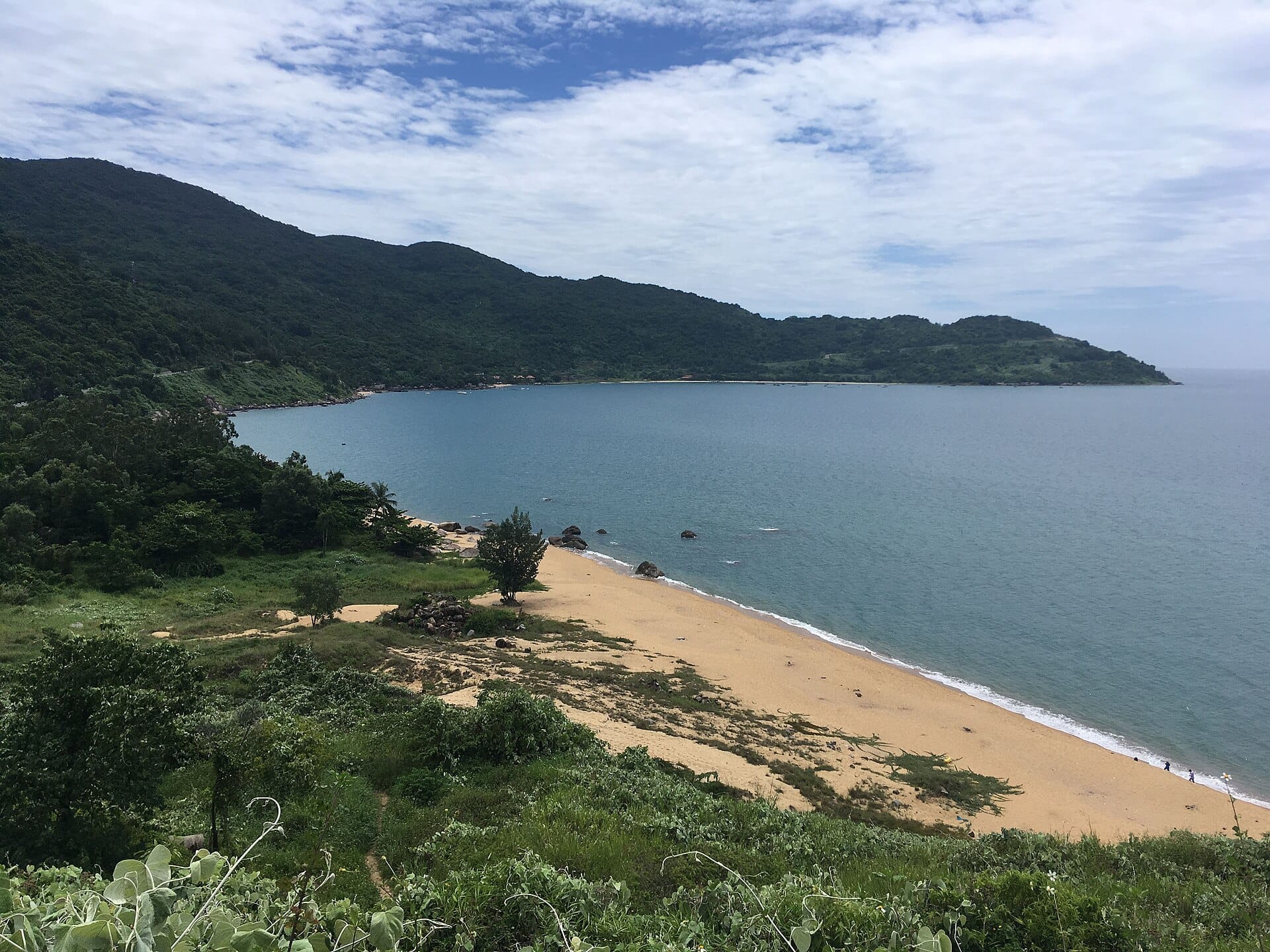
Son Tra Peninsula is a roughly 60 square kilometer forested headland that juts into the East Sea northeast of Da Nang. Its coastline holds several small beaches, not a single continuous strip, scattered along roads that wind through the reserve. The most commonly visited include Bai But (Butterfly Beach), Bai Nam, and Mui Nghe, each with its own character. Some are genuinely secluded. Others sit near resort properties. What connects them is the absence of the large-scale beach tourism infrastructure you find along My Khe or Non Nuoc.
These beaches are tucked into the Son Tra Nature Reserve, which also shelters one of Vietnam's most significant populations of the red-shanked douc langur, a primate found almost nowhere else in such numbers. The ecological sensitivity of the area has slowed resort development and kept the forested backdrop intact. For context on how these beaches fit into the broader landscape, the Son Tra Peninsula page covers the full range of what the reserve offers beyond the shoreline.
ℹ️ Good to know
Access to parts of Son Tra Peninsula passes through security gates. Carry your passport or a photo of it. Guards occasionally check ID, particularly for foreign visitors entering restricted forested sections.
The Beaches Themselves: What to Expect at Each
Bai But (Butterfly Beach)
Bai But is the most frequently mentioned beach on Son Tra and the one most visitors head to first. The name comes from the Vietnamese word for butterfly, and the cove has a sheltered shape that keeps waves modest on calm days. The sand is pale and reasonably fine, and the water color shifts from pale green near the shoreline to deeper blue within a short distance. On weekday mornings, you may have the beach almost entirely to yourself. Weekends draw more local families, particularly in the June to August dry season, but the cove never reaches the density of My Khe.
There is minimal infrastructure. Bring your own water and food. A few vendors may set up on busy days, but do not rely on finding refreshments here. The road down to Bai But is narrow and becomes steep. A motorbike handles it without difficulty; a car requires more caution on the bends.
Bai Nam and Mui Nghe
Bai Nam sits on the southern side of the peninsula and is closer to the resort infrastructure of the Son Tra coastline. The water here is generally calm and the beach receives some afternoon shade from the hillside above. Mui Nghe is less a beach than a rocky headland with a small sand section, more valued by photographers for its coastal framing than by swimmers looking for long stretches of sand. At low tide, the rocks around Mui Nghe expose shallow reef sections that reward careful exploration, though dedicated snorkeling is better at Bai But.
Tickets & tours
Live prices and dates from our booking partner. If you book, we may earn a commission at no extra cost to you.
Son Tra Peninsula snorkeling
From 15 €Instant confirmationPrivate transfer from Da Nang Airport to Intercontinental Hotel or hotel in Son Tra Peninsula or vice versa
From 30 €Instant confirmationFree cancellation4x4 tour from Hoi An to Marble Mountain and the Son Tra Peninsula
From 75 €Instant confirmationFree cancellationPrivate Transfer Hoi An City Centre to or from Son Tra Peninsula
From 34 €Instant confirmationFree cancellation
How the Experience Changes by Time of Day
Early mornings on Son Tra Peninsula beaches carry a specific quality: the jungle behind the sand is still making noise, a mix of bird calls and occasional langur movements through the canopy, while the water is glass-flat before the sea breeze picks up. Light arrives in stages as the sun clears the ridgeline, which means the coves are in partial shadow until mid-morning. This is the best window for photography and for swimming before the afternoon heat sets in.
By midday, the sun is direct and intense, particularly from May through August. Shade is limited on most of these beaches, unlike resort beaches with umbrella rentals. If you are visiting in peak summer, plan to arrive before 9 am or after 4 pm. The late afternoon light catches the water at a low angle and turns it a deeper shade of green-blue, which is particularly striking from the elevated road sections as you drive between coves.
Sunset from the western-facing sections of the peninsula road, above the beaches, can be exceptional. The sky over Da Nang city reflects off the Han River in the distance, and the silhouette of the Lady Buddha statue at Linh Ung Pagoda is visible against the western sky. Most visitors have left by this point, so the evening belongs almost entirely to local fishermen and the occasional motorbike rider enjoying the cooler air.
Getting There: Practical Logistics
A motorbike is the most practical way to reach and move between the peninsula beaches. The roads are narrow, well-surfaced in most sections, but include steep gradients and sharp curves that make a car awkward on some routes. Motorbike rentals are widely available in Da Nang for roughly 150,000 to 200,000 VND per day. If you are not comfortable riding, a motorbike taxi (xe om) or a private car with driver can handle the trip; negotiate the rate before departure, particularly if you want to stop at multiple beaches.
From the city center, take Vo Nguyen Giap Street north along the coast, then follow Hoang Sa Street as it curves toward the peninsula. The drive from downtown Da Nang takes roughly 20 to 30 minutes depending on traffic and your destination beach. This route also passes the southern end of My Khe Beach, so you can compare the two beach experiences on the same trip.
⚠️ What to skip
Some roads on Son Tra Peninsula are classified as restricted and close to the public without prior arrangement. Access policies can change. If you encounter a gate, do not attempt to bypass it. Ask the guard which beaches remain open to visitors.
Water Conditions and Swimming Safety
Son Tra Peninsula beaches are generally calmer than the open-ocean beaches south of the city, partly because the headland itself blocks swells from certain directions. During the dry season (April through August), the water is typically clear with good visibility, and swimming is comfortable. From September onward, the wet season brings rougher conditions, stronger currents, and reduced visibility. The period from October through December can bring typhoon-influenced weather, and some beaches become genuinely dangerous for swimming.
There are no lifeguards stationed at the peninsula's smaller beaches. This is not a beach with flags and rescue equipment. If you are swimming with children or less confident swimmers, stay in the shallower sections and check conditions before entering the water. For a broader understanding of seasonal conditions across Da Nang's coastline, the best time to visit Da Nang guide covers the weather patterns in detail.
What Else to Combine with a Peninsula Beach Visit
The beaches work best as part of a half-day loop around Son Tra. From Bai But, the road continues upward toward the Lady Buddha statue at Linh Ung Pagoda, one of Da Nang's most recognizable landmarks, which sits at a higher elevation on the peninsula with panoramic views over the city and coastline. Including this stop adds 45 minutes to an hour to your trip.
The peninsula summit, Son Tra Mountain, offers the highest vantage point on the peninsula and is worth the drive if you have time. Wildlife sightings of the red-shanked douc langur are most likely in the forested sections above 300 meters, particularly in the early morning. Bring binoculars if you have them.
If you want evening options after your beach visit, the Son Tra Night Market is a short drive from the peninsula entrance and opens in the early evening with local seafood and street food.
Who Should Reconsider This Destination
Son Tra Peninsula beaches are not the right choice for everyone. If you want beach chairs, cold drinks, sunshade rental, and easy access to restaurants, the resort stretch of My Khe or Non Nuoc Beach will serve you better. The peninsula beaches require more effort to reach and offer very little in the way of comfort infrastructure. Visitors who need accessible terrain should also note that the roads are steep and the paths to some beaches are uneven. There is no wheelchair access to most coves.
First-time visitors to Da Nang who only have one or two days may find it more efficient to spend beach time at My Khe, which is closer to the city center and easier to combine with other downtown attractions. Son Tra's beaches reward visitors who specifically want solitude, natural surroundings, and are willing to do a little navigation to find them.
Insider Tips
- Arrive at Bai But before 8:30 am on weekdays and you will likely have the beach to yourself for at least an hour. The light is softer, the water is calmer, and the jungle behind the sand is most active with birds and wildlife at this hour.
- The road between beaches on Son Tra Peninsula doubles as one of Da Nang's better scenic drives. Even if you only spend 30 minutes at each beach, the drive itself through the forested hillside is worth the trip.
- Pack out everything you bring in. The smaller beaches have no trash collection, and the environmental condition of the coves is directly affected by visitor behavior. A lightweight reusable bag takes up no space and makes a real difference.
- If the sea looks rough or the water is murky brown near the shoreline, do not swim. Runoff after heavy rain can affect water quality quickly, and visibility drops sharply in post-storm conditions.
- Fuel up your motorbike before entering the peninsula. There are no petrol stations inside the reserve. The nearest stations are along the main roads approaching the peninsula from the city side.
Who Is Son Tra Peninsula Beaches For?
- Travelers who prioritize quiet water over beach amenities
- Photographers looking for natural coastal scenes without resort clutter
- Couples wanting a scenic half-day escape from the city
- Nature enthusiasts combining a beach visit with wildlife spotting in the reserve
- Motorbike riders who enjoy combining a scenic coastal drive with a swim
Nearby Attractions
Other things to see while in Son Tra Peninsula:
- Lady Buddha Statue (Linh Ung Bai But Pagoda)
Standing 67 metres above the coastline of Son Tra Peninsula, the Lady Buddha statue at Linh Ung Bai But Pagoda is Da Nang's most recognisable landmark. The pagoda grounds are free to enter, beautifully maintained, and open daily from 06:00 to 21:00, making them one of the most accessible spiritual and scenic sites in central Vietnam.
- Son Tra Mountain & Ban Co Peak
Rising to 696 metres above the East Sea (South China Sea), Son Tra Mountain (Núi Sơn Trà) anchors the Son Tra Peninsula northeast of Da Nang. Its highest point, Ban Co Peak (Đỉnh Bàn Cờ), rewards the climb with sweeping coastal panoramas, dense tropical forest, and surprisingly close encounters with rare Red-shanked Douc langurs. Entry is free.
- Son Tra Night Market
Son Tra Night Market, known locally as Chợ Đêm Sơn Trà, is a free-entry pedestrian market spread across nearly 200 stalls on the east bank of the Han River, minutes from the Dragon Bridge. It runs nightly from around 5:30 PM and draws a mix of locals shopping for produce, tourists hunting for souvenirs, and visitors eating their way through Vietnamese street food. It is unpretentious, affordable, and genuinely lively after dark.
Planning a trip? Discover personalized activities with the Nomado app.