PortMiami: Everything You Need to Know Before You Cruise
PortMiami, officially the Cruise Capital of the World, handles over 8 million cruise passengers a year from its terminals on Dodge Island in Biscayne Bay. Whether you're embarking on a Caribbean voyage or simply watching massive ships ease past the Miami skyline, here's how to navigate it confidently.
Quick Facts
- Location
- 1015 North America Way, Miami, FL 33132 — on Dodge Island, across from Downtown Miami
- Getting There
- Metromover (College/Bayside station) plus taxi or rideshare to port entrance; Metrorail to Government Center, then transfer
- Time Needed
- 30–60 min for exterior viewing; 2–4 hours if embarking on a cruise or picking up passengers
- Cost
- Free to view from waterfront; cruise terminal parking from approx. USD $25/day long-term, $10/day short-term (verify current rates with PortMiami)
- Best for
- Cruise passengers, maritime photography, waterfront walks, spotters watching mega-ships navigate Biscayne Bay
- Official website
- www.miamidade.gov/portmiami/home.page
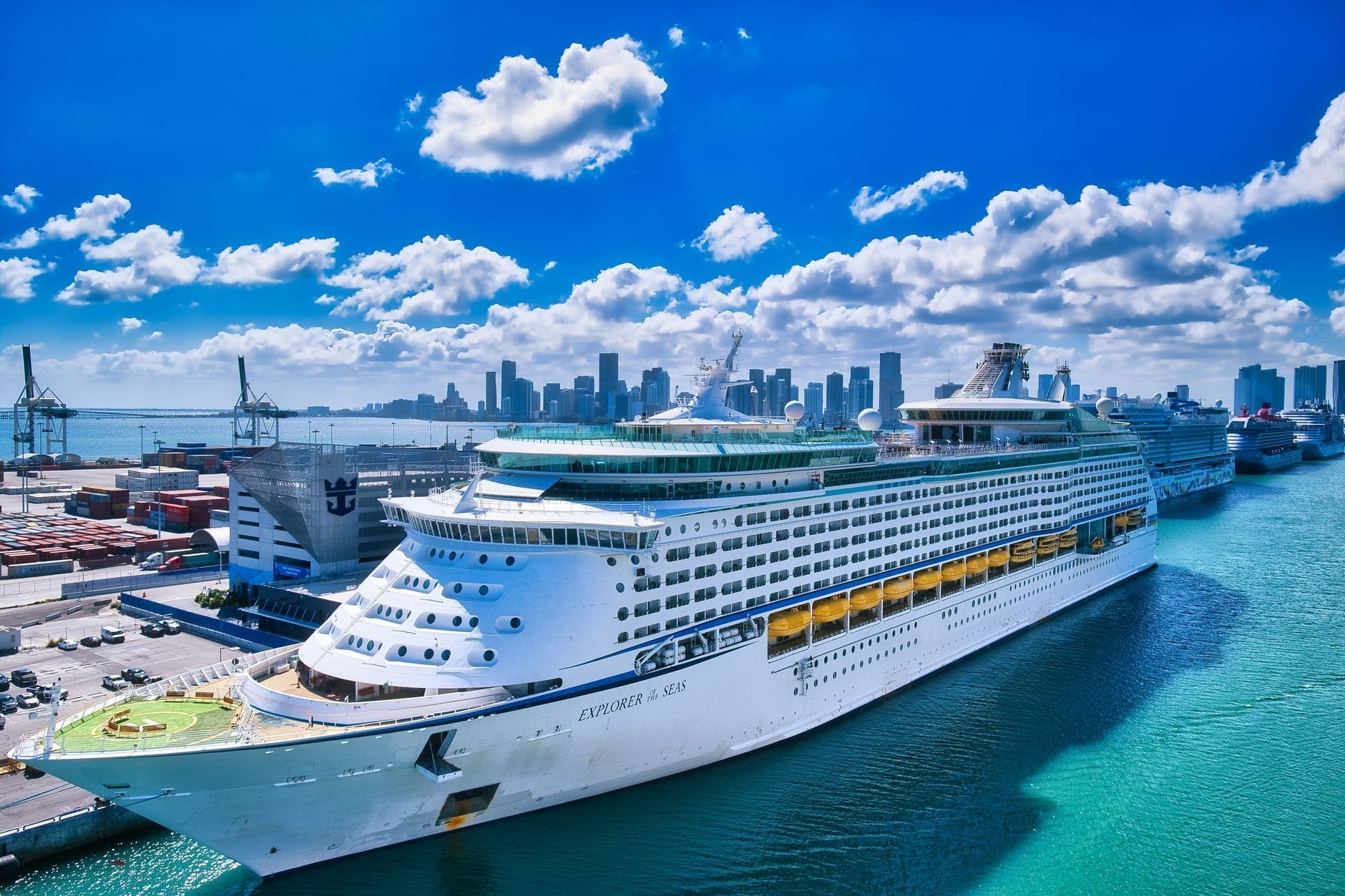
What Is PortMiami?
PortMiami is not a tourist attraction in the conventional sense. It is a fully operational seaport on Dodge Island, a man-made island in Biscayne Bay roughly a half-mile from Downtown Miami's shoreline. What makes it remarkable is sheer scale: in Fiscal Year 2024, the port processed 8,233,056 cruise passengers, a 13% increase over its own previous record, making it the busiest cruise port on the planet. It also handled 1,089,443 TEUs of containerized cargo, cementing its status as Florida's largest international container port by volume. Miami-Dade County markets it under two registered titles: the Cruise Capital of the World and the Cargo Gateway of the Americas.
For most travelers, PortMiami is simply where a Caribbean or Bahamas cruise begins and ends. But understanding what the port actually is, how it is laid out, and how to move through it efficiently can save hours of frustration on embarkation day.
ℹ️ Good to know
PortMiami operates 24 hours as a working seaport. Access to cruise terminals is controlled by security and tied directly to cruise schedules. You cannot simply walk into a terminal without a boarding pass or authorized reason.
The Port from the Outside: Waterfront Views and the Skyline
Even if you are not boarding a ship, PortMiami is worth understanding as a visual landmark. From Bayside Marketplace and the adjacent Bayfront Park, you get an unobstructed view of Dodge Island across the water. On busy embarkation mornings, typically Saturdays and Sundays, ships from Royal Caribbean, Carnival, Norwegian, MSC, and Celebrity stack up along the terminals in a line that stretches nearly the full width of the island. The scale is disorienting in the best way: vessels like Icon of the Seas or Wonder of the Seas rise fourteen to eighteen decks above the waterline, dwarfing the terminal buildings entirely.
For photographers, the best vantage point from the public side is along the Miami Riverwalk near the mouth of the Miami River, or from the observation area at Bayfront Park. Late afternoon light hits the ships from the west, casting long shadows across the water. On Sundays around 4–6 PM, you can watch arriving ships navigate the PortMiami Tunnel approach and the main channel, which is a slow, surprisingly graceful spectacle given how enormous these vessels are.
The PortMiami Tunnel, opened in 2014, rerouted port truck traffic away from Downtown Miami streets and directly connects I-395 to the island via an underwater bore. Before the tunnel existed, port traffic regularly snarled MacArthur Causeway. From a visitor standpoint, the tunnel matters because it is your primary route into the port by car or taxi.
Tickets & tours
Hand-picked options from our booking partner. Prices are indicative; availability and final rates are confirmed when you complete your booking.
Sport fishing tour in Miami
From 75 €Instant confirmationFree cancellationMiami Zoo tickets with transportation
From 153 €Instant confirmationFree cancellationEverglades airboat ride with Biscayne Bay boat tour and transportation
From 67 €Instant confirmationFree cancellationDouble Decker sightseeing bus tour of Miami
From 34 €Instant confirmationFree cancellation
Getting to PortMiami: Practical Routes
From Miami International Airport, the drive is roughly 8 miles. The standard route follows FL-836 East to I-395 East, then through the PortMiami Tunnel directly onto Dodge Island. In normal traffic this takes 20–30 minutes, but on Saturday mornings when thousands of passengers are embarking simultaneously, traffic on MacArthur Causeway and the tunnel approach can extend that to 45–60 minutes. Build in extra time.
From Fort Lauderdale-Hollywood International Airport (roughly 26 miles north), take I-95 South to Exit 2D for I-395 East, then follow MacArthur Causeway signs to the tunnel. Shared shuttles and private transfers between FLL and PortMiami are widely available; prices change seasonally so confirm directly with providers.
By public transit, the most practical approach combines the Metromover and a rideshare. Take the Metromover to the College/Bayside station, walk to Bayside Marketplace, and then use Uber or Lyft for the final leg onto Dodge Island. There is no direct Metrorail service into the port terminals themselves. Miami-Dade Transit's Metromover is free to ride and connects seamlessly to the Metrorail system at Government Center, which in turn links to Miami International Airport via the Orange Line. Confirm current fares on the Miami-Dade Transit website before travel.
⚠️ What to skip
Rideshare drop-off areas are designated at individual terminals and change based on port security protocols. Confirm your terminal letter with your cruise line before travel — arriving at the wrong terminal on a busy embarkation day means crossing significant distances on foot or waiting for a port shuttle.
Inside the Terminals: What to Expect on Embarkation Day
PortMiami has multiple cruise terminals, designated by letters (A, B, C, D, G, J and others), each assigned to specific cruise lines and ships. The terminals are modern, climate-controlled facilities with check-in desks, customs and border protection screening, baggage drop, and waiting areas. State-of-the-art is a phrase the port uses, and in this case it is not misleading: several terminals were built or renovated within the past decade specifically to handle the largest ships in the world.
The process on embarkation morning moves faster than most first-time cruisers expect, provided you arrive within your assigned boarding window. Luggage is dropped curbside and taken directly to the ship. Security screening resembles an airport but is generally quicker. Once through customs and check-in, a covered gangway leads you directly aboard. The whole process from car door to ship deck typically takes 30–60 minutes in the late morning. Arriving before your assigned window, however, creates congestion and longer waits.
On disembarkation mornings, the dynamic reverses. Ships are cleared by U.S. Customs and Border Protection before passengers can leave, which can push the earliest walkoffs past 7 or 7:30 AM. The terminal fills quickly as thousands of passengers collect bags and clear customs simultaneously. If you have an early flight out of MIA, communicate this to your cruise line and select self-assist disembarkation if available.
Parking at PortMiami
Parking garages are located at most major terminals, with lots labeled to correspond with the terminal letters. Long-term parking has been listed at approximately USD $25 per day for most garages; short-term at approximately USD $10. These figures are current as of the most recent available data but should be verified directly with PortMiami before your trip, as rates change. Oversized vehicles use Lot 2, and free shuttles circulate between parking areas and terminals, which is worth knowing if you park away from your specific terminal.
For a 7-night cruise, parking at the port will add roughly $175 to your total cost at the current long-term rate for most garages. Many travelers find that comparing this against a round-trip taxi or rideshare from home, plus the convenience of having a car on return, tips the calculation in favor of port parking. On very busy weekends, early arrival at the garage is advisable as lots fill.
💡 Local tip
Some hotels in the Downtown Miami and Brickell neighborhoods offer park-and-cruise packages: you stay the night before departure, the hotel holds your car for the duration of your cruise, and shuttle service to the port is included. This can be significantly cheaper than port parking for voyages longer than five days.
PortMiami in Context: Scale, History, and the Surrounding Area
The Port of Miami has operated in various forms since the early twentieth century, but the modern Dodge Island facility was developed through the 1960s and 1970s as the cruise industry expanded dramatically. The decision to concentrate cruise and cargo operations on a purpose-built island separated port traffic from downtown streets and allowed for the expansion that made Miami the dominant global cruise hub it is today.
The port sits within easy reach of Downtown Miami, and the area around its MacArthur Causeway approach includes Kaseya Center, Bayside Marketplace, and the Freedom Tower, which is one of Miami's most historically significant buildings. If you arrive a day early for your cruise, the surrounding downtown area offers a full day of exploration without needing a car.
For context on the broader Miami experience before or after your cruise, the 3-day Miami itinerary covers the neighborhoods closest to the port, including efficient routes for travelers with limited time between arrival and embarkation.
Weather and Timing Considerations
Miami's climate is tropical with a clear wet season (May through October) and a dry season (November through April). The cruise industry's high season aligns with the dry season, which is no coincidence: passengers arrive to warm, low-humidity weather and calm seas in the straits between Florida and the Bahamas. Summer cruises still operate in volume, but afternoon thunderstorms are common in Miami during those months, which can complicate embarkation logistics and slow down outdoor baggage handling.
Miami sits within the North Atlantic hurricane season zone (June 1 to November 30). Cruises departing during peak hurricane months (August to October) can be rerouted or delayed; cruise lines have protocols for this but it is worth reading your ticket contract and considering travel insurance. For a broader look at when to visit Miami itself, the best time to visit Miami guide breaks down each month by weather, crowds, and cost.
Who Should and Should Not Plan Around PortMiami
If you are not taking a cruise, there is limited reason to travel onto Dodge Island itself. The terminals are restricted to passengers and authorized personnel, and there are no public restaurants, shops, or observation areas within the port perimeter. The real interest for non-cruisers is the view from the downtown waterfront, which is genuinely impressive on a busy embarkation weekend but does not require crossing into the port.
Travelers interested in the maritime and cargo side of Miami should note that PortMiami does not offer public tours of its cargo operations. Those who want to explore Miami's waterfront more broadly will find more accessible and rewarding experiences along the Miami Riverwalk or at Bayside Marketplace, which sits directly across the water from the port.
Insider Tips
- Your terminal letter matters more than the port address. Search your cruise line's website for your specific terminal assignment before travel — GPS to '1015 North America Way' will get you to the island, but terminal signs inside the port direct you from there.
- Saturday is the heaviest embarkation day at PortMiami by a wide margin. If your cruise line offers a choice of departure dates and you want minimal port congestion, mid-week departures (Tuesday through Thursday) move noticeably faster through check-in.
- The PortMiami Tunnel is the fastest and most direct car route onto the island. MacArthur Causeway also connects to the port but feeds into a different entry point and is more vulnerable to backup from downtown traffic. When entering by rideshare, specify the tunnel approach to your driver.
- If you are picking up a disembarking passenger, avoid arriving before 8:30 AM. Ships take time to clear customs, and the short-term waiting area fills quickly with vehicles that arrived too early. A 9–10 AM arrival for a typical ship is usually better calibrated.
- For the best photographs of ships at the terminals, position yourself on the MacArthur Causeway pedestrian path (part of the bridge between Miami and Miami Beach) in the early morning. Ships are docked broadside to the causeway and the full length of a mega-ship is visible without obstruction.
Who Is PortMiami For?
- Cruise passengers departing on Caribbean, Bahamas, or transatlantic voyages
- Photography enthusiasts interested in capturing mega-ships against the Miami skyline
- Travelers with a pre-cruise overnight in Miami who want to scout logistics in advance
- Families coordinating multi-generational cruise departures who need to understand terminal layout and parking
- Maritime and shipping enthusiasts interested in observing one of the world's highest-volume cruise and cargo operations from the public waterfront
Nearby Attractions
Other things to see while in Downtown Miami:
- Bayfront Park
Bayfront Park is a free, 32-acre public park on the edge of Biscayne Bay in Downtown Miami, with roots going back to 1896. It offers open lawns, shaded waterfront paths, and sweeping bay views within steps of the Metromover — making it one of the most accessible green spaces in the city.
- Bayside Marketplace
Bayside Marketplace is an open-air shopping and entertainment complex on the edge of Biscayne Bay in Downtown Miami. Free to enter and easy to reach by public transit, it draws a mix of tourists, locals catching live music, and visitors boarding bay cruises. The setting does most of the work.
- Freedom Tower
Standing at 600 Biscayne Boulevard, Freedom Tower at Miami Dade College is one of downtown Miami's most architecturally striking and historically significant buildings. Built in 1925 as the Miami News headquarters, it later served as the federal Cuban Refugee Center, processing hundreds of thousands of Cuban exiles after 1962. Today it functions as a museum, gallery, and cultural institution — a rare place where architecture, immigration history, and civic identity converge in a single tower.
- HistoryMiami Museum
Founded in 1940 and recently rebranded from HistoryMiami Museum to Museum of Miami, this Smithsonian Affiliate in downtown Miami is dedicated to telling roughly 10,000 years of South Florida's layered past. From Tequesta settlements to Caribbean immigration waves, it's one of the major history institutions in the region.