Illinois Holocaust Museum & Education Center: Experience360 in Chicago
While its landmark Skokie building undergoes renovation, the Illinois Holocaust Museum & Education Center is operating Experience360, a panoramic immersive exhibition at 360 N State Street in Chicago's River North. It is a carefully constructed space where history commands full attention, and leaves visitors with something lasting.
Quick Facts
- Location
- 360 N State Street (at Kinzie), Chicago, IL 60654 — River North
- Getting There
- CTA State/Lake (multiple lines) or Grand (Red Line); short walk from either
- Time Needed
- 1.5 to 2.5 hours
- Cost
- Adults $15 / Seniors & Students $10 / Children 5–11 $8 / Under 5 free
- Best for
- Reflective travelers, history students, school groups, adults seeking meaningful cultural experiences
- Official website
- www.ilholocaustmuseum.org
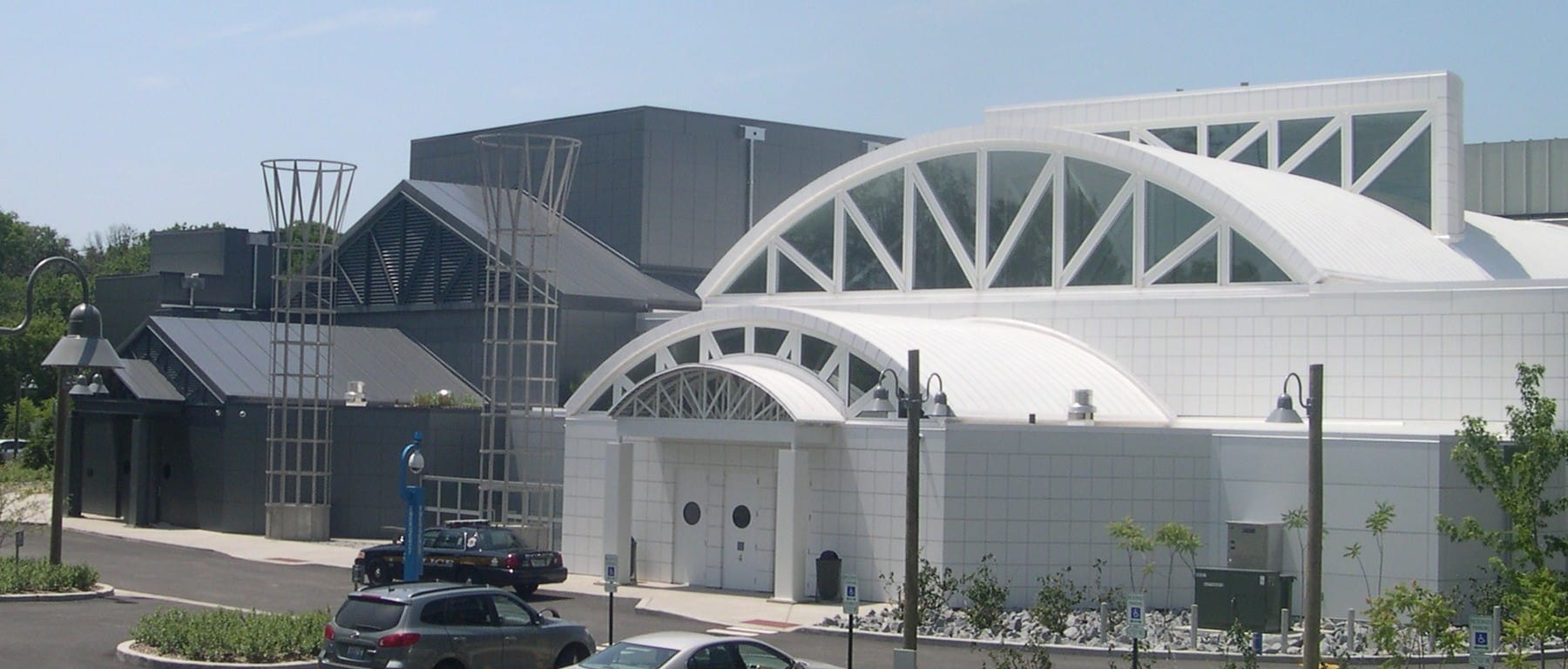
What Is the Illinois Holocaust Museum Right Now
The Illinois Holocaust Museum & Education Center has been a cornerstone of Holocaust memory in the United States since its Skokie building opened in 2009, the result of roughly thirty years of effort by survivor communities. That 65,000-square-foot facility, described by the museum as the second largest Holocaust museum in the country, is currently closed for renovations. In its place, the institution has launched Experience360: A Panoramic View Through History and Time, a satellite exhibition housed at 360 N State Street in Chicago's River North neighborhood.
This is not a stripped-down placeholder. Experience360 is a purpose-built immersive format that uses panoramic presentation to move visitors through historical events and their modern resonances. The format suits the subject: surrounded by imagery and testimony rather than standing in front of it, the experience shifts the viewer's relationship to the material in a way that a traditional gallery layout does not.
ℹ️ Good to know
Important: The main museum building is at 9603 Woods Drive in Skokie, IL, but is currently closed for renovations. The active visitor location is 360 N State Street, Chicago. Confirm current status at ilholocaustmuseum.org before visiting.
The Experience360 Format: What to Expect Inside
Panoramic museum formats position visitors at the center of a 360-degree visual environment, with projections that fill the peripheral field rather than asking you to stand before a fixed panel. The effect at Experience360 is disorienting in the right sense: history stops being a display case and starts feeling like a space you are inside. Testimonies, archival images, and documentary material surround you as a cohesive environment rather than a sequence of stops.
The exhibition does not shy from the weight of its subject. There is no ambient noise softening the content. The atmosphere inside is quiet and attentive, which shapes crowd behavior in a notable way: even visitors who arrive in large groups tend to move through the space in near-silence, reading carefully, pausing longer than they might in a traditional gallery. Budget at least 90 minutes to move through it properly, and allow more time if you are traveling with students or intend to engage with every layer of the content.
💡 Local tip
The exhibition addresses genocide and atrocity with directness. It is not recommended for children under 10 without adult preparation and guidance. Parents should review the museum's guidance on age-appropriate engagement before visiting with young children.
Tickets & tours
Hand-picked options from our booking partner. Prices are indicative; availability and final rates are confirmed when you complete your booking.
Go City | Chicago All-Inclusive Pass
From 127 €Instant confirmationFree cancellationiFLY Chicago Lincoln Park indoor skydiving experience
From 126 €Instant confirmationFree cancellationiFLY Chicago Rosemont indoor skydiving tickets
From 117 €Instant confirmationFree cancellationChicago lakefront neighbourhood bike tour
From 18 €Instant confirmationFree cancellation
Location and Getting There
360 N State Street sits in River North, one of Chicago's most accessible neighborhoods for visitors. The address places it close to the Chicago Architecture Center, the Merchandise Mart, and a dense cluster of restaurants and galleries. It is a workable addition to a broader River North afternoon rather than a detour to a remote location.
By CTA, the Red Line Grand station is one of the most direct approaches, roughly a five-minute walk. The State/Lake station (served by Brown, Orange, Green, Pink, and Purple Lines) is also within comfortable walking distance. By car, the museum provides validation only for the Greenway Parking Garage at 60 W Kinzie Street; do not assume validation at other nearby garages. Accessible parking is available through the same Greenway Garage. Visitors with specific accessibility accommodation needs are directed to call +1 847-967-4800 in advance.
Driving into River North from the expressway: take the Ohio Street Exit 50B from I-90/94. Lake Shore Drive is also a viable approach from the north or south. Rideshare drop-off on State Street is straightforward given the volume of vehicle traffic the area handles.
Hours, Tickets, and Planning Your Visit
Experience360 is open Wednesday through Sunday, 10:00 a.m. to 5:00 p.m. There is no noted seasonal variation in these hours, but the museum observes closures on major Jewish and American holidays, including Rosh HaShanah, Yom Kippur, New Year's Day, Thanksgiving, and Christmas. Several dates carry a 2:00 p.m. early-closure: these include Passover, Erev Rosh HaShanah, Erev Yom Kippur, and Christmas Eve. Check the museum's website for the current year's specific calendar before planning around a holiday period.
Admission for non-members: adults pay $15, seniors (65+) and students up to age 22 with valid ID pay $10, children aged 5 to 11 pay $8, and children under 5 enter free. Museum members receive free daily admission. The price point is reasonable for the format and content depth, and considerably lower than many Chicago museum admissions.
If you are planning a broader day of museum visits, it is worth reviewing the best museums in Chicago to see how Experience360 fits into a fuller itinerary. For those watching costs, it also pairs well with the free-admission options detailed in the free things to do in Chicago guide.
Why This Museum Exists Where It Does: The Skokie Context
Understanding why the Illinois Holocaust Museum matters requires a brief detour into the history of its original home. Skokie, Illinois became the site of one of the most significant First Amendment cases in U.S. legal history when a neo-Nazi group attempted to march through the village in the late 1970s. At that time, Skokie had a large population of Holocaust survivors, many of whom had settled in Chicago's northern suburbs after arriving in the United States in the postwar years. The museum grew directly from that confrontation: survivors and their families organized, and over the following three decades built an institution that now functions as one of the foremost Holocaust education centers in the country.
That origin story is not incidental to the experience. It means this museum was built by people with direct memory of the events it documents, which shapes the specificity and moral weight of its educational mission. The Chicago satellite at 360 N State Street carries that institutional identity, even in a different format and location.
Time of Day and Crowd Patterns
Midweek mornings between 10:00 a.m. and noon tend to be the quietest window. The immersive format benefits from lower crowd density: with fewer people in the space simultaneously, the panoramic environment functions more fully, and you can pause and return to content without the social pressure of moving a line along. Weekend afternoons, particularly Saturdays between noon and 3:00 p.m., draw a noticeably heavier attendance, including school and community groups.
The physical space at 360 N State is not a large building by museum standards, and the surrounding River North blocks are lively with foot traffic from tourists and office workers, especially during lunch hours. The contrast between the street outside and the interior is part of the experience: the brightness and noise of an active Chicago intersection drops away within a few steps of entering.
Who Will Get the Most From This Visit
Visitors who come with some baseline historical knowledge, whether from school, prior museum visits, or family history, will engage more deeply with the layered content. That said, the exhibition is designed to function as an introduction as well. It sits naturally alongside other culturally serious stops in Chicago: the Chicago History Museum addresses the city's own layered past, and the DuSable Black History Museum offers a parallel depth of engagement with American historical memory. For travelers building an itinerary around cultural substance rather than spectacle, these three institutions make a strong combination across different visits.
High school and college students, particularly those studying 20th-century history, political science, or human rights, will find the immersive format a more affecting mode of engagement than a documentary screening or textbook chapter. Teachers considering group visits should contact the museum directly to discuss age-appropriate programming and preparation materials.
Visitors primarily looking for scenic or leisurely outings, those seeking entertainment for young children, or anyone with limited capacity for emotionally demanding content should assess carefully before visiting. This is not the kind of museum you leave unchanged, and that is by design.
Insider Tips
- Book tickets online in advance, particularly for weekend visits. The satellite space is smaller than the Skokie building, and walk-in availability on busy days is not guaranteed.
- Plan your arrival for 10:00 a.m. on a weekday if at all possible. The quiet of the first hour of operation is well-matched to the tone of the content, and you will have more space to move through the panoramic environment without navigating around other visitors.
- The Greenway Parking Garage at 60 W Kinzie Street is the only garage the museum will validate for. If you drive, go directly there — validation at a nearby garage you choose independently will not be covered.
- The museum observes early 2:00 p.m. closures on several Jewish holidays and religious eve dates. If your visit falls near Passover, Rosh HaShanah, Yom Kippur, or Christmas Eve, confirm the day's closing time before you head over.
- Members of the Illinois Holocaust Museum receive free admission to Experience360 during regular public hours. If you are based in Chicago or plan to visit twice, a membership is worth calculating against the ticket cost.
Who Is Illinois Holocaust Museum & Education Center For?
- Adults and older teenagers seeking serious historical and cultural engagement
- Students of 20th-century history, political science, or human rights
- Travelers building an itinerary around Chicago's memory and cultural institutions
- Family members of Holocaust survivors or those with personal connection to the subject
- Educators looking for curriculum-connected group experiences in Chicago
Nearby Attractions
Combine your visit with:
- Bahá'í House of Worship
The Bahá'í House of Worship in Wilmette, Illinois, is one of the most architecturally singular buildings in North America. Free to enter, open daily, and reachable by CTA from downtown Chicago, it rewards visitors with a 135-foot lace-like dome, meditative silence, and an unusual kind of spiritual calm that transcends denomination.
- Brookfield Zoo Chicago
Brookfield Zoo Chicago is one of the largest and most historically significant zoos in the United States, covering 216 acres about 14 miles west of downtown. With more than 511 species, landmark indoor exhibits, and a genuine conservation mission, it rewards a full day of exploration. But it takes planning to get the most out of it.
- Chicago Air and Water Show
Every August, the Chicago Air and Water Show transforms the lakefront into a grandstand for one of the most spectacular free public events in the United States. Fighter jets, military demonstrations, and precision flying teams perform over Lake Michigan while hundreds of thousands of spectators line the shore from Fullerton to Oak Street.
- Chicago Botanic Garden
A living museum spread across 385 acres and nine islands north of Chicago, the Chicago Botanic Garden offers 27 gardens, four natural areas, and six miles of lake shoreline in Glencoe, Illinois. Whether you visit for a single seasonal bloom or spend a full day exploring Japanese landscapes and native prairies, this guide covers everything you need to plan a worthwhile trip.