Chinatown Street Food: Navigating Bangkok's Most Rewarding Night Eating
Yaowarat Road and its surrounding lanes form the spine of Bangkok's most intense street food district. From char-grilled seafood to century-old noodle shops, Chinatown rewards curious eaters who arrive hungry and unhurried.
Quick Facts
- Location
- Yaowarat Road, Samphanthawong, Bangkok
- Getting There
- MRT Hua Lamphong (10-min walk) or Chao Phraya Express Boat to Ratchawong Pier
- Time Needed
- 2 to 4 hours, longer if you graze slowly
- Cost
- Low to moderate — most dishes 50–200 THB per portion
- Best for
- Food lovers, night owls, cultural explorers
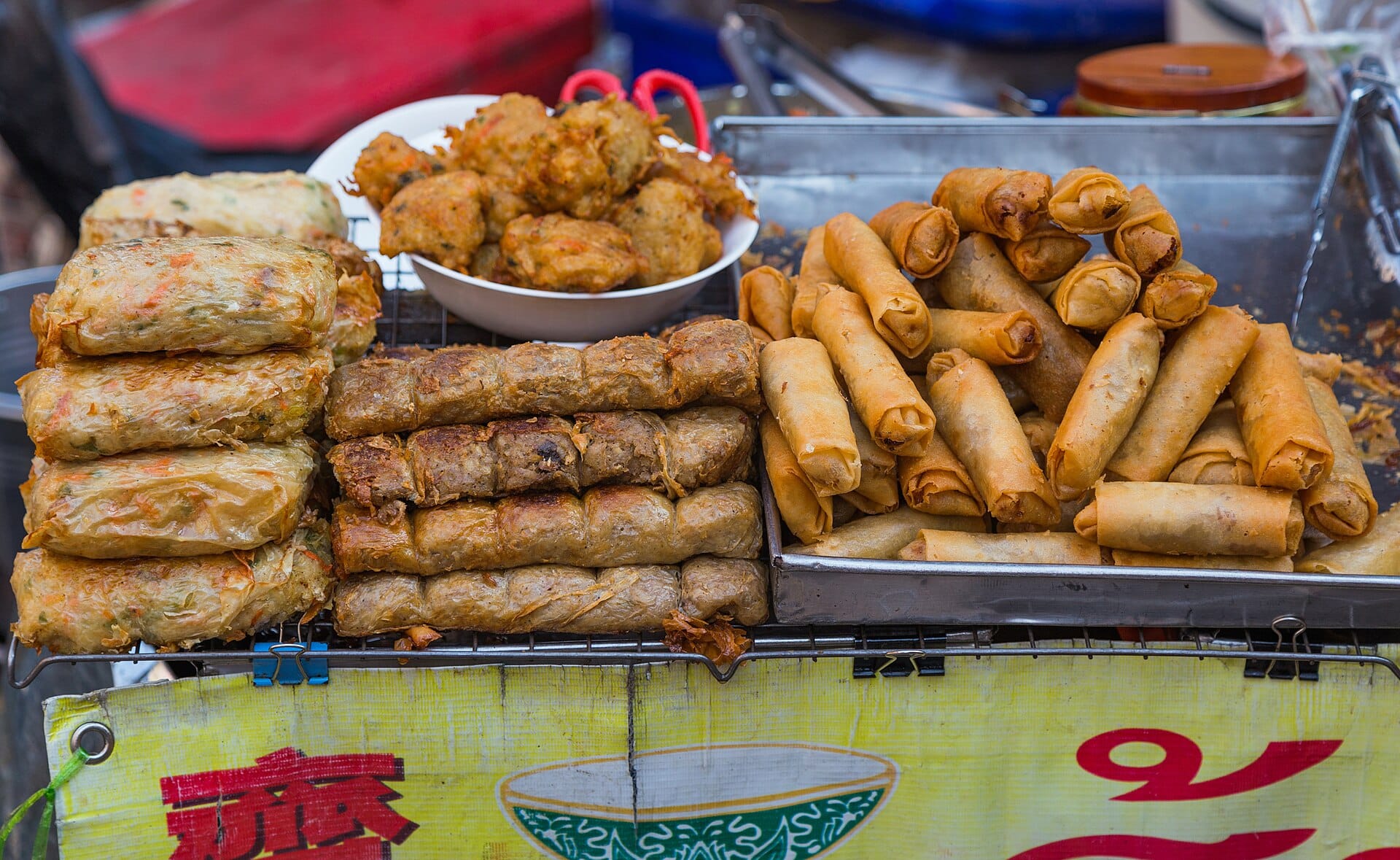
What Chinatown Street Food Actually Is
Chinatown street food in Bangkok is not a single market or venue. It is a district-wide eating culture concentrated along Yaowarat Road and the narrow lanes branching off it, including Soi Texas, Soi Phadung Dao, and the quieter back streets toward Talat Noi. Dozens of vendors, carts, and decades-old shophouses line these streets, serving a mix of Thai-Chinese dishes that evolved over generations of immigrant cooking.
The food here is not generic Bangkok street food. The Chinese-Teochew influence shows up in the broths, the preserved ingredients, and the cooking methods. You will find dishes almost impossible to locate in other parts of the city: braised goose, stewed offal over rice, fresh oyster omelettes fried on scorching iron pans, and grilled river prawns the length of your forearm.
💡 Local tip
Arrive on an empty stomach and plan to eat in small portions from multiple vendors rather than ordering large amounts from one place. Four to six stops across two hours is a realistic and satisfying pace.
The Yaowarat Experience by Time of Day
The street food scene here is almost entirely nocturnal. During daylight hours, Yaowarat Road is a commercial street dominated by gold shops, medicinal herb traders, and wholesale suppliers. The sidewalks are workable but unremarkable from a food perspective, with a handful of daytime noodle shops and dim sum parlours that cater to the local Chinese-Thai community.
From around 5:30 PM, the street begins its transformation. Vendors wheel out carts, folding tables appear on every available patch of pavement, and the smell of charcoal and hot oil starts to compete with the exhaust of the slow-moving traffic. By 7 PM the street is at full volume: neon signs from the gold shops cast yellow light over the crowds, the hiss of woks and the crack of shellfish being split open fill the air, and queues form in front of the most well-known stalls.
Peak hours run from 7 PM to 10 PM. If you have any tolerance for crowds, this is also the most atmospheric time to visit. After 10 PM the foot traffic thins, vendors begin to pack up in stages, and the experience becomes easier to navigate but less charged. Some vendors, particularly the late-night congee and noodle shops, continue past midnight and are popular with taxi drivers and market workers finishing their shifts.
⚠️ What to skip
Avoid visiting on Chinese New Year if you want to eat: most vendors close for several days. The street celebrations are spectacular, but food options are extremely limited during the main festival days.
Tickets & tours
Hand-picked options from our booking partner. Prices are indicative; availability and final rates are confirmed when you complete your booking.
Bangkok tuk-tuk night tour with Chinatown street food meal
From 28 €Instant confirmationFree cancellationChinatown Authentic Street Food Tour in Bangkok
From 34 €Instant confirmationFree cancellationBangkok night tuk-tuk guided tour with Chinatown street food tasting
From 8.500 €Instant confirmationFree cancellationGuided e-scooter night tour with local street food
From 33 €Instant confirmationFree cancellation
What to Eat: The Dishes That Define This District
The most photographed dish on Yaowarat is the oyster omelette, or hoi tod, cooked on massive round griddles slicked with lard. The exterior crisps into a lacy, slightly charred shell while the centre stays eggy and soft. It is served with a bright, vinegary sriracha and usually eaten standing or at a folding table in the middle of the pavement.
Pad thai here is different from the pad thai found in tourist areas. The noodles are thinner, the wok heat is higher, and the dish moves faster off the fire. Soi Phadung Dao, sometimes called Soi Texas by locals and older guidebooks, has two competing pad thai vendors who have faced each other across the lane for decades. Both are good; which one you prefer is a matter of personal taste and which side of the soi you end up on.
Seafood is the dominant category. Grilled river prawns, crab stir-fried with yellow curry powder, steamed fish in soy broth, and clams cooked with roasted chilli paste all appear regularly. Prices for seafood portions are higher than for noodle dishes but remain reasonable by any international comparison. Point at what you want and confirm the price before ordering if the menu is not visible.
For something slower and more historical, look for the braised duck and goose shops tucked into the shophouse interiors along Yaowarat Road. These are sit-down establishments that predate most of the street vendor culture and represent the Teochew tradition most directly. The same neighbourhood logic applies to the temples: Wat Mangkon Kamalawat, just a short walk from the main food strip, is the spiritual heart of the district and worth pausing at before or after eating.
Navigating the Streets: Layout and Movement
Yaowarat Road itself is roughly 1.2 kilometres from the Ratchawong intersection near the river to the Hua Lamphong end. Traffic is consistently heavy at night and the road is not pleasant to cross repeatedly. The real eating happens on the pavement flanking the road and in the perpendicular sois. Soi 11 and Soi 6 to the south, and the lanes heading toward the river, each have distinct vendor clusters worth exploring.
If you have extra time, the area around Talat Noi to the south of Yaowarat Road offers a quieter, older layer of the neighbourhood: riverfront lanes with faded Sino-Portuguese architecture, small shrines, and a few long-standing coffee shops that open early in the morning and close by afternoon.
Getting there by river is the most pleasant option in the evening. The Chao Phraya Express Boat stops at Ratchawong Pier, which deposits you directly at the edge of Chinatown with minimal walking. MRT Hua Lamphong is the most practical option if you are coming from the city centre, though the walk along Charoen Krung Road takes about ten minutes and passes some interesting shophouse architecture.
ℹ️ Good to know
Tuk-tuks and taxis will drop you on the edge of Yaowarat — the street itself is effectively impassable for vehicles during peak evening hours. Walking is the only way to eat here properly.
Cultural and Historical Context
Bangkok's Chinatown traces its origin to the late 18th century, when King Rama I relocated the existing Chinese trading community from the area near the Grand Palace to make room for the new royal district. The community settled along the Chao Phraya River in what is now Samphanthawong district, bringing their food culture, merchant traditions, and temple practices with them.
The Teochew dialect group became the dominant Chinese community in Bangkok, and their culinary preferences shaped what Chinatown food means in this city. Many of the families running stalls and shophouses today are third or fourth-generation descendants of those original settlers. This is a working neighbourhood that has been eating outdoors for over a century, not a food market created for tourism. It sits comfortably alongside the broader Chinatown Yaowarat district, which retains one of the highest concentrations of pre-war Chinese architecture still standing in Southeast Asia.
For context on how Bangkok's street food scene fits into the wider city, the Bangkok street food guide covers the major districts and dishes across the city, which helps clarify what makes Chinatown's version distinct from the offerings in Silom, the old town, or the areas around Chatuchak.
Photography, Accessibility, and Practical Notes
Chinatown at night is highly photogenic, particularly the compression of neon, food carts, and moving crowds. A wide-angle lens or a phone with decent low-light performance works well. Flash photography aimed at vendors while they are cooking is generally considered rude and will get you ignored or waved away. Shoot from the side and at eye level rather than hovering over food.
Accessibility is genuinely difficult here. Pavements are narrow, frequently blocked by tables and carts, and uneven throughout. There are no dedicated accessibility routes through the main vendor zone. Visitors with mobility aids or strollers will find the experience stressful and may not be able to reach many of the stalls.
Dress lightly. The combination of cooking heat, ambient temperature, and crowd density makes Chinatown significantly hotter than open areas of the city in the evening. Closed-toe shoes are advisable given the state of the pavements. Carry small-denomination banknotes; most vendors do not accept cards, and mobile payment apps are used inconsistently.
Travellers who dislike crowded, loud, and visually chaotic environments will find peak-hour Yaowarat overwhelming rather than exciting. If you prefer structured restaurant dining or need quiet surroundings, this particular eating experience is not a good fit, regardless of how good the food is.
Insider Tips
- Walk one full block along Yaowarat before committing to any vendor. The quality and pricing vary considerably, and a two-minute survey prevents you from sitting down at the most mediocre option near the main entrance.
- The lanes south of Yaowarat Road, particularly those leading toward the river, have a second tier of vendors that serves locals rather than visitors. Prices are lower and the atmosphere is calmer, though menus are often Thai-only.
- If you see a queue with mostly Thai or Chinese-Thai customers, join it without hesitation. Locals do not wait in line for average food.
- Bottled water and soft drinks are sold everywhere but are often priced higher at the food tables than at the convenience stores 100 metres away on the same street. Buy drinks before you sit down.
- The gold shop district closes earlier than the food vendors, but the illuminated signage stays on all evening. The best time to photograph the full visual effect of the neon and the street together is around 7:30 to 8 PM, when natural light has faded but crowds are still thick.
Who Is Chinatown Street Food For?
- Dedicated food travellers who want to eat Chinese-Thai dishes in an authentic working-neighbourhood context
- Night owls and travellers who are already exploring the old city temples in the afternoon and want a natural evening continuation
- Street photography enthusiasts willing to work within tight, active spaces
- Budget-conscious travellers who want genuinely high-quality food without restaurant prices
- Travellers curious about Bangkok's Chinese-Thai cultural history at ground level
Nearby Attractions
Other things to see while in Chinatown (Yaowarat):
- Talat Noi
Wedged between the Chao Phraya River and Chinatown's gold shops, Talat Noi is one of Bangkok's oldest surviving neighborhoods. Its layered streets hold Portuguese-influenced shrines, century-old mechanic workshops, and some of the city's most photogenic street art, all within a compact area most tourists walk straight past.
- Wat Mangkon Kamalawat
Wat Mangkon Kamalawat, known in Cantonese as Leng Buai Ia, is Bangkok's most important Chinese Mahayana Buddhist temple. Built in 1871 along Charoen Krung Road, it draws thousands of worshippers daily and reaches spiritual intensity during Chinese New Year. For visitors willing to engage with a genuinely active place of worship, it offers an experience unlike anything else in the city.
- Wat Traimit (Golden Buddha)
Wat Traimit in Bangkok's Chinatown houses the world's largest solid gold Buddha statue, a 5.5-tonne masterpiece of Sukhothai craftsmanship with a remarkable discovery story. The temple complex also holds a museum tracing the history of Bangkok's Chinese community, making it one of the most layered cultural stops in the city.
- Yaowarat Road
Yaowarat Road is the spine of Bangkok's Chinatown, a centuries-old commercial corridor lined with gold traders, roast duck shops, street food carts, and ornate Chinese shrines. It comes alive after dark when the neon signs ignite and the sidewalks fill with smoke from charcoal grills.