White Rabbit Gallery: Sydney's Most Surprising Free Art Experience
White Rabbit Gallery in Chippendale houses one of the world's most significant private collections of 21st-century Chinese contemporary art, and admission is entirely free. Spread across multiple floors of a converted building, each exhibition draws from a collection that spans painting, sculpture, textile, video, and installation work made after the year 2000.
Quick Facts
- Location
- 30 Balfour Street, Chippendale NSW 2008 (Sydney inner city)
- Getting There
- About a 10-minute walk from Central Station or Redfern Station; also accessible from Railway Square bus terminal
- Time Needed
- 1.5 to 2.5 hours depending on the current exhibition
- Cost
- Free admission
- Best for
- Art lovers, curious travellers, and anyone wanting a culturally substantial experience without spending money
- Official website
- whiterabbitcollection.org
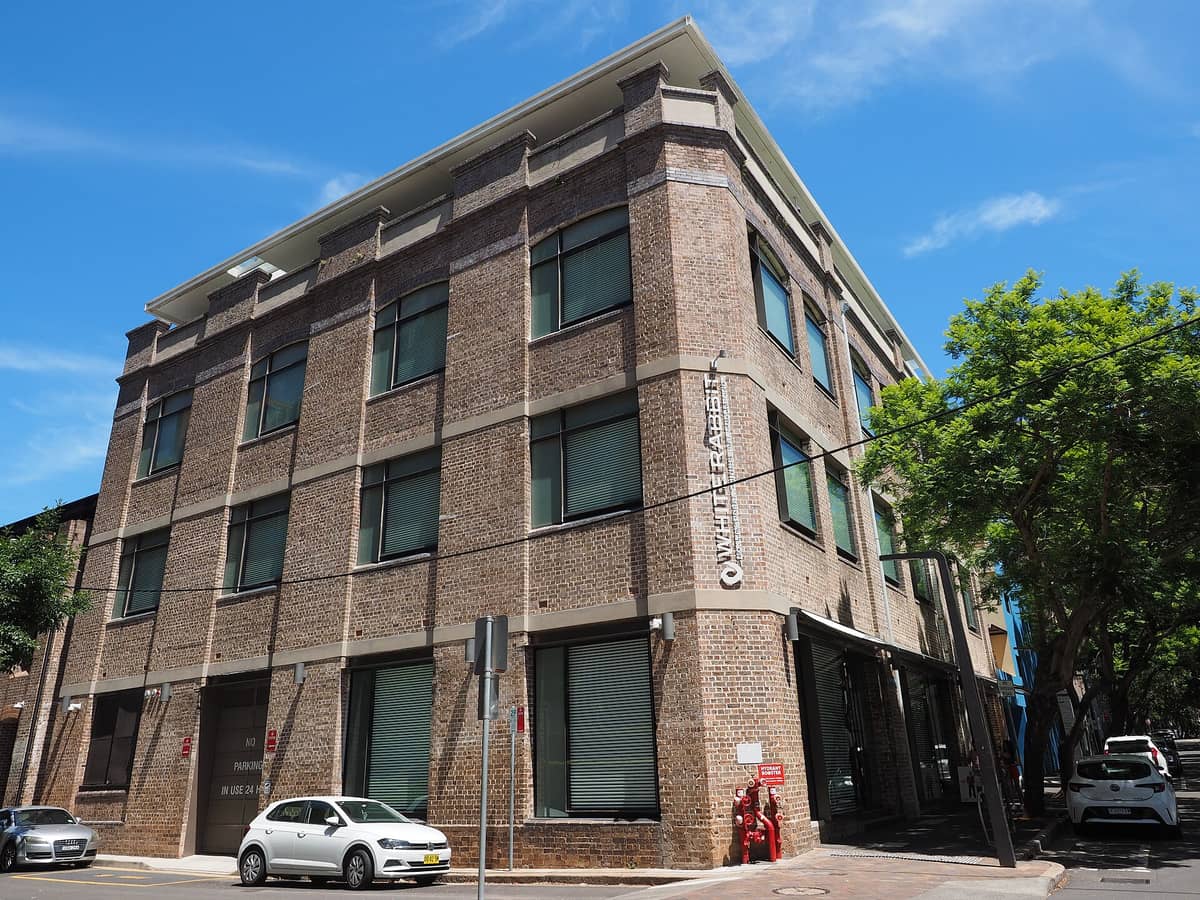
What White Rabbit Gallery Actually Is
White Rabbit Gallery is a private art institution in Chippendale that exhibits one of the largest collections of contemporary Chinese art in the world. Every work in the collection was made after the year 2000, which gives the programming a sharp curatorial focus: this is not a survey of Chinese art history, it is a live record of what artists working in or from China are doing right now. The collection was assembled by Judith Neilson and contains over 2,000 works, with exhibitions rotating to show different parts of it.
The building is a converted industrial space, and the architecture earns attention on its own terms. The interior is tall and open with exposed structural elements, and the floor plan across multiple levels gives curators room to stage immersive environments rather than just hang works on walls. Some exhibitions fill entire rooms with a single installation. Others create dense, layered sequences of smaller objects. The scale shifts constantly.
⚠️ What to skip
The gallery closes during installation periods, usually in May and November each year. Always check the official website before visiting, as the gallery will be entirely shut during these changeover windows.
Hours, Access, and Getting There
White Rabbit Gallery is open Wednesday through Sunday, 10 am to 5 pm, during active exhibition periods. There is no entry fee. The gallery sits at 30 Balfour Street, Chippendale, which places it at the southern edge of the inner city, within easy reach of several transport options.
From Central Station, the walk takes roughly 10 minutes heading west through the university precinct. From Redfern Station, the approach is slightly different in direction but comparable in time. The Railway Square bus terminal is also within walking distance. If you are coming from the Newtown and Inner West area, the gallery is one of the most culturally rewarding stops in the neighbourhood without requiring a train ride into the city.
The gallery explicitly advises against driving: there is no dedicated visitor parking, and street parking in Chippendale is metered and limited. Public transport or walking is strongly recommended. Wheelchair access is available at the Balfour Street entrance, an internal lift serves all floors, and an accessible bathroom is located on the ground floor. If you need a wheelchair, one can be borrowed by asking at reception.
Tickets & tours
Live prices and dates from our booking partner. If you book, we may earn a commission at no extra cost to you.
The Rocks historic walking tour
From 20 €Instant confirmationFree cancellationBeginner surf lesson at Bondi Beach
From 79 €Instant confirmationFree cancellationSydney whale-watching cruise with breakfast or lunch
From 62 €Instant confirmationFree cancellationBlue Mountains Waterfalls Full-Day Tour with Lunch and Dinner
From 171 €Instant confirmationFree cancellation
What a Visit Feels Like, Floor by Floor
You enter through a ground-floor space that functions as both reception and gallery. The staff are present but unobtrusive, and the atmosphere from the first moment is quieter than most public galleries in Sydney. There are no audio guides announced at the door, no queues, and no ticket transaction. You simply walk in.
The ground floor often features larger sculptural or textile works that can bear the weight of immediate, physical attention. Moving upstairs, the character of the space shifts. Upper levels tend to hold video work and installation pieces that ask for slower, more sustained engagement. The building's height and natural light change how work reads on each floor. On a clear morning, light from upper-level windows catches surfaces differently than it does in the afternoon, when the space settles into a softer, more enclosed quality.
The tea house at street level deserves a mention. It functions as a pause point within the visit, offering Chinese tea in a setting that feels continuous with the collection rather than bolted on as a commercial add-on. It is a genuinely good place to sit and process what you have seen before descending.
💡 Local tip
Photography is generally permitted throughout the gallery for personal use, but policies can vary by exhibition. Check signage when you enter, and avoid flash photography, which is rarely allowed near textile and paper works.
The Collection: Context and Significance
The post-2000 restriction that defines the White Rabbit collection is not arbitrary. The period since 2000 has seen Chinese contemporary art expand in visibility, market value, and critical ambition at a pace few institutions have kept up with. The White Rabbit collection tracks that expansion systematically, acquiring work in volume and depth across media, region, and generation. What you see in any given exhibition is a curated selection from thousands of works, which means the programming can be very specific without feeling thin.
For travellers interested in a broader view of Sydney's contemporary art landscape, White Rabbit sits in genuine contrast to the Museum of Contemporary Art Australia at Circular Quay, which draws from a global pool of contemporary practice. White Rabbit's geographic and temporal specificity is its strength: the collection functions almost as an ongoing document of a particular cultural moment.
The works range from intricate hand-embroidered textiles the size of a wall to single-channel video projections to monumental sculpture. Some pieces are confrontational in scale or subject matter. Others are precise and quiet. The curation generally builds coherent thematic arguments across a floor rather than presenting a survey, which rewards visitors who move slowly.
Best Times to Visit and Crowd Patterns
Weekday mornings, particularly Wednesday and Thursday, are consistently the quietest periods. By midday on weekends, the gallery draws a noticeably larger crowd, partly from university students, partly from art-conscious travellers staying in the inner city. The space is large enough that it rarely feels genuinely crowded, but if you want an experience close to having the installation rooms to yourself, arriving close to opening at 10 am on a weekday is the clearest path to that.
The gallery is indoors and climate-controlled, which makes it a sound choice on a very hot summer day or during one of Sydney's occasional heavy rain periods. It does not depend on weather in the way that outdoor attractions do, though the walk from Central Station is exposed, so a compact umbrella is worth having in autumn and winter.
If you are planning a broader inner-city day, White Rabbit pairs well with the surrounding Chippendale and Surry Hills precinct. The Surry Hills area has strong coffee options within a short walk, and the general character of the neighbourhood rewards wandering before or after the gallery.
Who Should Reconsider
White Rabbit Gallery is not an all-ages-all-interests attraction in the way that, say, a harbour walk or a wildlife park might be. Visitors seeking a traditional survey of Chinese art history, with chronological progression and explanatory panels, will find the programming disorienting. The collection begins at the year 2000 and assumes some appetite for engagement with contemporary practice, including work that does not resolve neatly or offer obvious interpretation.
Families with young children can visit, and the space is physically accessible, but the content is oriented toward adult and older teenage audiences. If you are travelling with children and want a family-configured art experience, the Australian Museum is a more structured alternative in the same general area of the city.
Visitors who find contemporary installation art frustrating rather than stimulating should go in with calibrated expectations. The gallery does not hedge toward accessibility at the expense of ambition, which is what makes it worth visiting for the right audience and less rewarding for others.
Insider Tips
- Check the gallery's website for the current exhibition title before you go. The programming is curated thematically, and knowing the exhibition's focus in advance helps you engage more quickly once inside.
- The tea house at street level serves Chinese tea and is worth pausing at mid-visit. It closes at the same time as the gallery, but earlier in the afternoon it tends to have available seating without a wait.
- If you plan to photograph the works, bring a camera body that performs well in mixed indoor lighting. The gallery uses a combination of natural light and artificial lighting that can make phone camera exposure difficult in some rooms.
- The gallery's installation periods, usually in May and November, mean the space is entirely closed, not just partially. A quick check of the official visit page saves a wasted trip across the inner city.
- Combine this visit with a walk through the surrounding Chippendale and Surry Hills streets. The neighbourhood has changed significantly in the past decade, and the architecture around the gallery reflects that transition in interesting ways.
Who Is White Rabbit Gallery For?
- Art lovers and cultural travellers wanting depth over breadth
- Budget-conscious visitors seeking a high-quality experience at no cost
- Anyone interested specifically in contemporary Chinese art and visual culture
- Photographers drawn to large-scale installation and textile work
- Travellers combining an inner-city day across Chippendale, Surry Hills, and Newtown
Nearby Attractions
Other things to see while in Newtown & the Inner West:
- Carriageworks
Carriageworks occupies a vast former railway workshop in Eveleigh, running contemporary art exhibitions, live performances, and one of Sydney's best weekly farmers markets. It is free to enter on most days, and the industrial architecture alone justifies the trip.
- Chau Chak Wing Museum
The Chau Chak Wing Museum brings together the University of Sydney's Nicholson, Macleay, and University Art collections in a single, purpose-built space on the Camperdown campus. Entry is free, the breadth of objects is genuinely surprising, and the experience sits well outside the usual tourist trail.
- Glebe Markets
Every Saturday from 10am to 4pm, the grounds of Glebe Public School fill with stalls selling vintage clothing, handmade jewellery, records, books, and street food. Free to enter and genuinely eclectic, Glebe Markets is one of Sydney's most enduring weekly rituals.
Planning a trip? Discover personalized activities with the Nomado app.