Parque Biológico de Gaia: The Wildlife Park Worth the Short Drive
Spreading across 35 hectares of agro-forestry landscape in Avintes, just outside Vila Nova de Gaia, the Parque Biológico de Gaia opened as an environmental education center in the 1980s. With admission starting at €1 and a signposted 3 km nature trail, it offers a low-cost, genuinely calm alternative to the crowds along the Douro riverfront.
Quick Facts
- Location
- Rua de Cunha, Avintes, Vila Nova de Gaia
- Getting There
- Best reached by car; check local transit planners for bus routes from Vila Nova de Gaia center
- Time Needed
- 2–3 hours
- Cost
- Adults €3 / Ages 7–17 €1 / Under 6 free / Family ticket (up to 6 entries) €7.50 — verify before visiting
- Best for
- Families with young children, birdwatchers, nature walkers, budget travelers
- Official website
- parquebiologico.pt
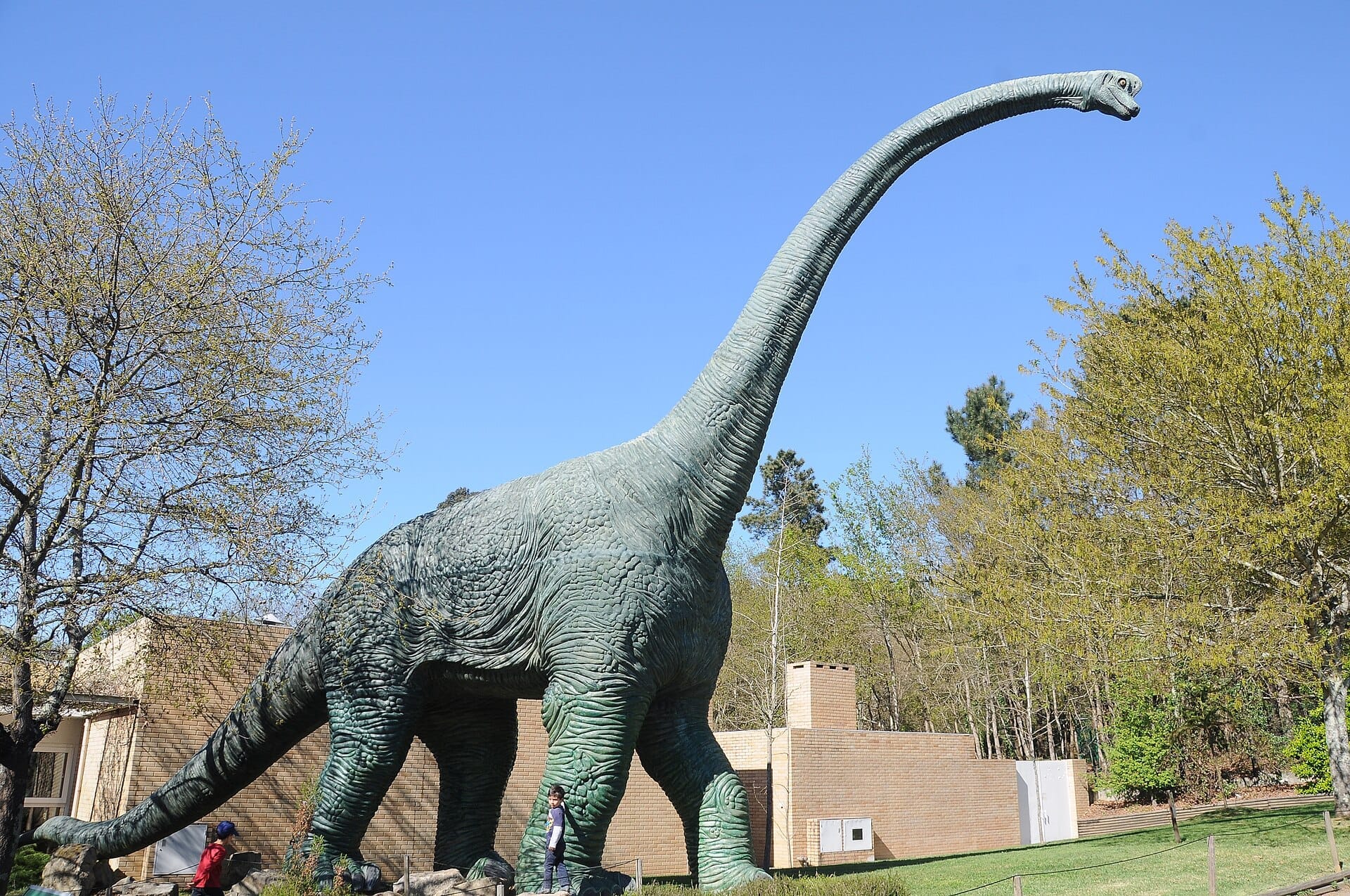
What the Parque Biológico de Gaia Actually Is
The Parque Biológico de Gaia, also known as the Biological Park of Vila Nova de Gaia, is a municipal nature and wildlife park created in the 1980s by the Vila Nova de Gaia council. Its founding purpose was environmental education, and that mission is still visible in how the park is designed: interpretive signage along the walking route, native-species enclosures rather than exotic-animal spectacle, and the overall sense that the landscape itself is the exhibit. It is not a zoo in the conventional sense. It sits closer to a nature reserve with managed animal habitats — a distinction that matters when setting expectations.
The park occupies roughly 35 hectares of agro-forestry terrain in Avintes, a quiet inland village in the municipality of Vila Nova de Gaia. That puts it about 10–15 minutes by car from the port wine lodges along the Gaia waterfront, but it feels considerably further removed. The landscape here is green, shaded, and genuinely rural in character. There are no tuk-tuks circling the entrance, no queue for tickets stretching down the street.
ℹ️ Good to know
Admission prices listed here (Adults €3, Ages 7–17 €1, Under 6 free, Family ticket €7.50) are sourced from recent visitor information but should be confirmed at parquebiologico.pt before your visit. Opening hours in summer run approximately 10:00–19:00 (April–September); verify exact seasonal schedules on the official site.
The 3 km Nature Trail: What You Will See
The main feature of the park is a signposted 3 km discovery route that winds through the wooded terrain, past animal enclosures, water features, and patches of native Portuguese flora. The trail is generally flat to gently undulating, though some sections involve uneven ground, so closed-toe shoes are a practical choice over sandals.
The animal population focuses on Iberian and European species: deer, wild boar, birds of prey, waterfowl, and small native mammals are common residents. Birdwatchers in particular find the park rewarding, with a mix of resident and seasonal species in a setting calm enough to allow extended observation. Early morning visits, before larger family groups arrive, offer quieter conditions along the trail.
The vegetation along the route shifts between dense canopy sections, open meadow edges, and wetland margins. In spring, the undergrowth is thick and loud with birdsong. By midsummer, the shaded stretches feel noticeably cooler than the exposed city streets of Porto or Gaia, which makes a midday visit here more comfortable than it would be at many open-air attractions. In autumn, the leaf color along the trail is a secondary draw.
Tickets & tours
Hand-picked options from our booking partner. Prices are indicative; availability and final rates are confirmed when you complete your booking.
Sunset cruise Gaia
From 25 €Instant confirmationFree cancellationRiver sightseeing from Gaia
From 18 €Instant confirmationFree cancellationDiscovery Game Porto's Vila Nova de Gaia views and Port wines
From 26 €Instant confirmationFree cancellationSerralves All-Access Pass
From 24 €Instant confirmationFree cancellation
Morning Versus Afternoon: When to Go
Weekday mornings are consistently the calmest time to visit. The park draws a significant share of its visitors from local school groups and weekend families. On Saturday and Sunday afternoons between June and August, the grounds can feel crowded near the main enclosures, while quieter sections of the trail further from the entrance remain relatively empty.
The hour after opening, around 10:00–11:00, is the best window for spotting wildlife activity before the warmth of the day reduces animal movement. If you are visiting primarily for the walking and the landscape rather than the animal enclosures, a late-afternoon visit in the shoulder season (May or September) offers pleasant light and noticeably fewer visitors. Avoid midday visits in July and August if you are sensitive to heat, as some sections of the trail have limited shade.
💡 Local tip
Bring water. There are no guarantees of refreshment facilities open throughout the day, and the trail takes 1.5 to 2 hours to complete at a relaxed pace. A small snack for children will also help maintain energy on the longer route sections.
Getting There: The Car Question
The most reliable way to reach the Parque Biológico de Gaia is by car. The address is Rua de Cunha, Avintes, and GPS navigation handles the approach straightforwardly. Parking is available near the entrance. The drive from the Vila Nova de Gaia waterfront takes roughly 10–15 minutes depending on traffic; from central Porto, allow 20–25 minutes.
For visitors without a car, the options are less convenient but workable. Ride-hailing apps including Uber and Bolt operate in the greater Porto area and can handle the route to Avintes, though availability in a rural village for the return journey is less predictable. Check the app before committing to that plan. For public transit options from Vila Nova de Gaia, the municipal website and local journey planners are the most reliable sources. This park is not directly served by the Porto Metro network, which covers the urban core of both Porto and Gaia. If you are planning your broader transport in the region, the guide to getting around Porto covers the metro, bus, and tram networks in detail.
Why It Was Built and Who It Serves
The park was created by the Vila Nova de Gaia Municipal Council in 1983 with a specific mandate: permanent environmental education. That context shapes the entire experience. The enclosures are designed to explain native ecosystems, not to display rare or exotic species for spectacle. Interpretive panels along the route describe habitat types, species relationships, and conservation concerns relevant to the Iberian Peninsula.
This makes the Parque Biológico de Gaia genuinely useful for families with children at school age, for whom the educational framing adds structure to a visit. It is less well suited to visitors expecting the scale or diversity of a major zoological garden. The animal collection is purposefully regional in scope. Manage expectations accordingly and the park delivers well on its own terms.
For families planning a broader Porto itinerary that balances outdoor time with the city's main attractions, the Porto with kids guide includes additional options across both Porto and Vila Nova de Gaia suited to different age groups.
Accessibility and Practical Details
Accessible-tourism resources describe the park as having adapted paths and accessibility features within its approximately 35-hectare managed area, though the nature of woodland terrain means some sections involve uneven surfaces. Visitors with mobility considerations should check the official site at parquebiologico.pt for current accessibility information, as conditions and available facilities are updated over time.
Photography conditions in the park are best in the first two hours after opening, when the light filters through the canopy before it reaches full overhead brightness. Animal enclosures are best photographed from the side angles offered by the path rather than from directly in front of fencing. Patience and quiet movement along the trail will yield far better results than approaching enclosures quickly.
The park sits well outside the riverfront concentration of attractions in Vila Nova de Gaia. If you are combining it with a day that also includes the port wine lodges or the views from the south bank of the Douro, note that the two areas require separate journeys. The Vila Nova de Gaia neighborhood guide outlines how the different parts of the municipality relate to each other geographically.
Who Should Consider Skipping It
If your time in Porto is limited to two or three days and your main interest is architecture, food, wine, and the Douro riverfront, the Parque Biológico de Gaia probably does not belong at the top of your list. The journey out to Avintes and back takes time that could otherwise be spent walking the historic center or crossing the Dom Luís I Bridge to the Gaia wine lodges.
It is also not a substitute for a proper nature reserve or a major city zoo if that is what you are seeking. The park is modest in scale and focused in scope. What it does well is provide a genuinely calm, affordable, and educational half-day for families with younger children, or for anyone visiting Porto for longer than a few days who wants to step away from the tourist core. If you are building a longer trip, the 3-day Porto itinerary can help you decide where a visit to the park fits relative to the city's other priorities.
Insider Tips
- Arrive within the first 30 minutes of opening, especially on weekdays. Animal activity is highest in the cooler morning air and school groups typically do not arrive until mid-morning.
- The family ticket covers up to 6 entries at €7.50 total, which makes it significantly cheaper than individual tickets for a group of four or more, even if your children are under the free-admission age of 6.
- If you are driving, program the GPS for Rua de Cunha, Avintes rather than just searching for the park name, as navigation apps sometimes direct visitors to the wrong entrance or approach road.
- The shaded sections of the trail in the deeper woodland are noticeably cooler than the open areas near the entrance. If you are visiting in summer, pace your walk to spend more time in those sections during peak heat.
- Ride-hailing for the return journey from Avintes to central Gaia or Porto can be slow to respond in this location. If you are not driving, consider booking a return pickup before you start your walk rather than requesting it when you finish.
Who Is Parque Biológico de Gaia For?
- Families with children aged 3–12 looking for a structured outdoor half-day at low cost
- Birdwatchers interested in Iberian species in a calm, low-disturbance setting
- Visitors on a longer trip (4+ days) who want a break from the urban tourist circuit
- Travelers visiting in summer who want a shaded, cooler alternative to open-air sightseeing
- Budget-conscious visitors: at €3 for adults, it is one of the most affordable full half-day attractions near Porto
Nearby Attractions
Other things to see while in Vila Nova de Gaia:
- Cais de Gaia Waterfront
Cais de Gaia is the riverside promenade of Vila Nova de Gaia, stretching along the south bank of the Douro directly opposite Porto's UNESCO-listed Ribeira quarter. Free to walk at any hour, it offers some of the most photogenic views of Porto's skyline, the Dom Luís I Bridge, and the traditional Rabelo boats. For first-time visitors and returning travelers alike, this waterfront rewards those who cross the river.
- Cálem Port Wine Cellars
Founded in 1859 and set directly on the Douro waterfront in Vila Nova de Gaia, Cálem is one of Porto's most recognizable port wine cellars. Guided tours take visitors through atmospheric barrel-lined galleries, covering the history and craft of port production, and end with a tasting. Here is what to expect before you go.
- Gaia Cable Car (Teleférico de Gaia)
The Teleférico de Gaia is a 562-metre cable car linking the Vila Nova de Gaia riverfront to the upper deck of the Dom Luís I Bridge. The ride lasts under four minutes, but the panoramic views across the Douro to Porto's old city make it one of the most photogenic short journeys in northern Portugal.
- Graham's Port Lodge
Graham's Port Lodge sits on a hill above the Douro in Vila Nova de Gaia, offering guided cellar tours through a beautifully restored 1890 lodge and tasting experiences that range from a straightforward introductory pour to a luxury vintage flight. It is one of the more polished port wine experiences on the Gaia side of the river, with serious production credentials to back it up.