Kids Plaza Osaka: Japan's Premier Hands-On Children's Museum
Kids Plaza Osaka, located in Kita-ku near the Umeda area, is Japan's first museum built specifically for children. Across multiple floors of interactive, play-based exhibits, it keeps kids engaged for hours while giving adults genuine insight into how children learn through experience. Whether you have a toddler or a curious ten-year-old, this is one of Osaka's most reliably rewarding family stops.
Quick Facts
- Location
- 2-1-7 Ogimachi, Kita-ku, Osaka 530-0025
- Getting There
- Ogimachi Station (Osaka Metro Sakaisuji Line, 1–3-min walk); Tenma Station (JR Osaka Loop Line, ~3-min walk)
- Time Needed
- 2 to 4 hours (longer with young children)
- Cost
- Adults ¥1,500 / Elementary & Junior High ¥800 / Ages 3–5 ¥500 / Under 3 free (verify before visiting)
- Best for
- Families with children aged 2–12, rainy-day visits, slow-travel parents
- Official website
- www.kidsplaza.or.jp
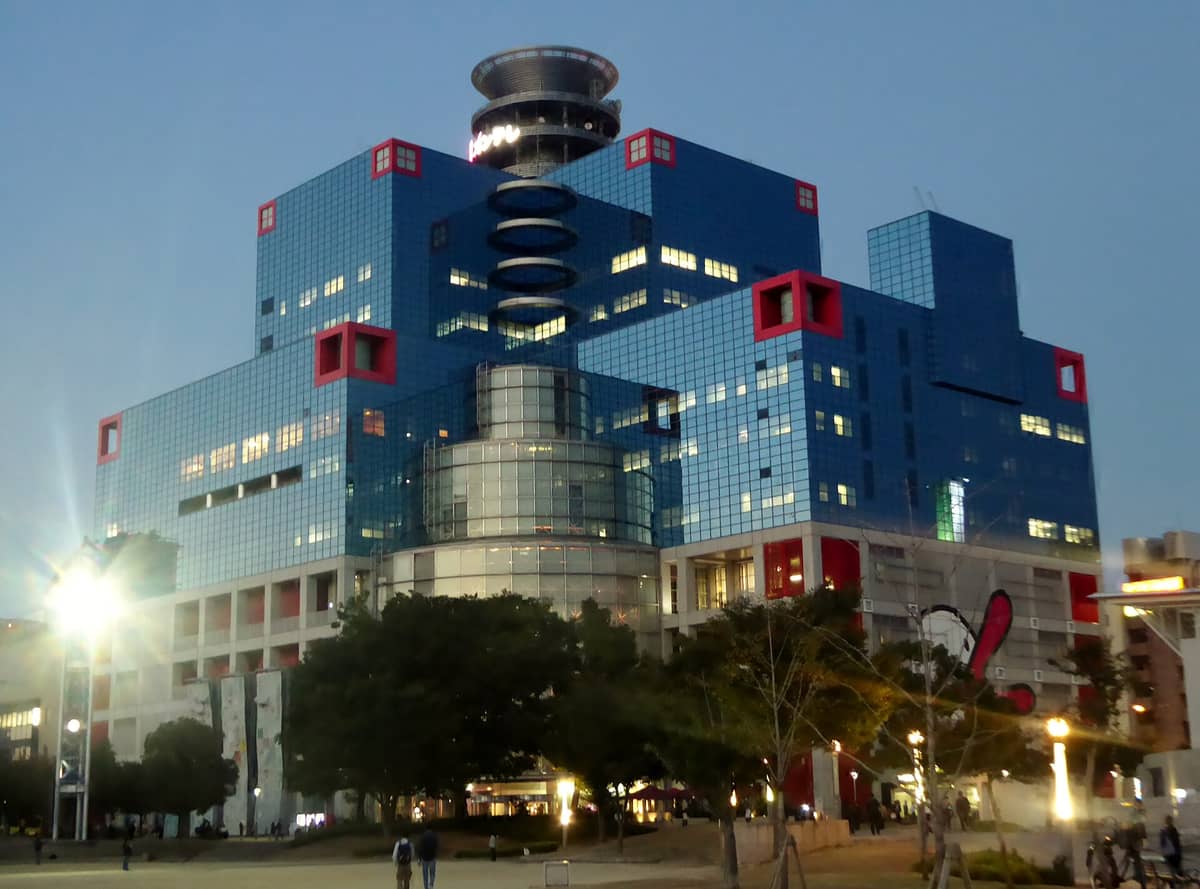
What Is Kids Plaza Osaka?
Kids Plaza Osaka holds a specific distinction in Japan: it is recognized as the country's first museum designed exclusively for children. Opened in Kita-ku's Ogimachi district, the facility was developed in cooperation with the Osaka 21st Century Association as part of a broader civic effort to create educational and cultural infrastructure for young people in Osaka. That mission is evident in the design — the building doesn't feel like a conventional museum. It feels like a place built from a child's-eye view of the world.
The exhibits span science, society, culture, and creative play, but they share a common method: almost everything can be touched, operated, or climbed. Children are not instructed to observe from a distance. They work pumps, crawl through tubes, role-play in themed rooms, and conduct simple experiments. Adults accompanying children often find themselves drawn in too.
The museum sits in northern Osaka, in a part of the city that feels calmer and more residential than the commercial density of Umeda just to the south. Ogimachi is a practical, unfussy neighborhood, and Kids Plaza fits comfortably within it — a serious facility for families rather than a tourist spectacle.
The Exhibits: What to Expect Floor by Floor
The museum's exhibits are spread across several floors, organized loosely by theme and age-appropriate challenge. On lower floors, younger children encounter sensory and motor-skill activities: water play areas, large building blocks, soft climbing structures, and role-play zones modeled on everyday settings like shops and hospitals. The sounds here are a reliable indicator of the crowd: high-pitched with excitement, the occasional crying protest when it's time to move on.
Upper floors tend to feature exhibits aimed at slightly older children, roughly seven and up, including science-oriented stations where kids explore basic principles of physics, electricity, and mechanics through direct interaction. Some areas include workshop-style activities with rotating schedules; these tend to fill quickly, and arriving early gives children the best chance to participate.
One of the most visually distinctive features is a multi-story climbing structure that winds through the building's interior, visible from multiple floors. Children can ascend through transparent tubes and crawl bridges while adults watch from below — a setup that neatly solves the problem of keeping younger visitors physically engaged while giving caregivers a moment to breathe.
💡 Local tip
Check the day's workshop schedule at the information desk when you arrive. Timed activity sessions book up fast, especially on weekends and school holidays. Picking one early ensures your child doesn't miss out.
Tickets & tours
Hand-picked options from our booking partner. Prices are indicative; availability and final rates are confirmed when you complete your booking.
Osaka local food tour in Dotonbori and Shinsekai
From 51 €Instant confirmationFree cancellationGuided day tour from Osaka to Nara Park, Arashiyama and Fushimi Inari
From 59 €Instant confirmationFree cancellationHimeji, Nara and Kobe full-day tour from Osaka
From 76 €Instant confirmationFree cancellationDay trip to Hiroshima and Miyajima by bullet train from Osaka
From 287 €Instant confirmationFree cancellation
How the Experience Changes by Time of Day
Opening time at 09:30 is the clearest window for a relaxed visit. Local families tend to arrive soon after doors open, but the building is large enough that the early crowd disperses across floors without creating bottlenecks. By 10:30 to 11:00, the popular hands-on zones begin to fill, and the water play area in particular draws a queue of toddlers whose parents have come armed with spare clothes.
Midday sees the museum at its most crowded, particularly on weekends and during Japanese school holidays, which include Golden Week in late April to early May, summer break in July and August, and the New Year period. The lunch window between roughly 12:00 and 13:00 is worth noting: some families leave to eat nearby, which briefly opens up space in the busier zones.
Afternoon visits from around 14:00 onward tend to be calmer. The last admission is at 16:15, and by 15:30 or so the crowds have begun to thin as families with very young children head home for nap time. If you're traveling without a rigid schedule, arriving in mid-afternoon on a weekday offers one of the most comfortable experiences.
⚠️ What to skip
The museum is closed on the 2nd and 3rd Mondays of each month (the following day if Monday is a national holiday), on the 4th Monday in August, and from December 28 through January 2. Additional temporary closures may occur, so always check the official calendar at kidsplaza.or.jp before your visit.
Practical Guide: Getting There, Tickets, and Logistics
The most direct approach is the Osaka Metro Sakaisuji Line to Ogimachi Station, which puts you about one to three minutes on foot from the entrance. Alternatively, Tenma Station on the JR Osaka Loop Line is a roughly three-minute walk. Both routes are manageable with a stroller, though the Metro option is slightly shorter if you are carrying a lot of gear.
If you're using the Osaka Metro for other sightseeing during the same day, the Osaka Amazing Pass may be worth reviewing for combined transport and admission discounts, depending on your broader itinerary.
Admission prices as of recent visitor reports: adults (age 16 and over) pay around ¥1,500; elementary and junior high school students pay ¥800; preschool children aged 3 to 5 pay ¥500; children under 3 enter free; and visitors aged 65 and over pay ¥700. These figures should be verified against the official website before your visit, as prices have been adjusted in the past and may change again. Six-month and annual passes are available for families who plan to visit multiple times.
The building is stroller-friendly with elevators connecting all floors. Nursing rooms and child-appropriate restrooms are part of the facility design, and rest areas are distributed throughout. For specific wheelchair accessibility needs, it is worth contacting the museum directly, as the detailed specifications are not fully covered in public visitor guides.
Photography and What to Bring
For parents who want to document the visit, the large interior climbing structure and the water play zones offer the most visually dynamic shots. Natural light enters through the building's upper sections, which helps in the mid-morning hours. By afternoon, the deeper exhibit areas rely more on artificial lighting, so a phone with decent low-light capability is worth having.
Practical packing note: bring a change of clothes for any child likely to enter the water play area. The play is genuinely wet — not damp, wet. Some families bring a small towel and a plastic bag for damp items. Comfortable, closed-toe shoes are sensible for children who will be climbing and running.
ℹ️ Good to know
A café or food area is available on-site, but options are limited. Consider eating beforehand or plan to visit a nearby café in Ogimachi or Tenma after your visit rather than relying on museum food for a full meal.
Cultural Context and Why It Matters
Japan's children's museum tradition draws from a philosophy that treats play as foundational to cognitive and social development, not as something separate from education. Kids Plaza Osaka was conceived within that framework, and the Osaka 21st Century Association's involvement reflects the city's long-standing investment in urban cultural infrastructure. The museum is not just a rainy-day destination — it represents a deliberate approach to early childhood engagement that has influenced similar facilities across Japan.
For families interested in Osaka's broader educational and cultural offerings for children, the city has a number of science and history institutions worth exploring. The Osaka Science Museum in Nakanoshima, for instance, targets slightly older children with a strong emphasis on astronomy and natural science, and it makes a natural pairing with a Kids Plaza visit if you're spending multiple days in the city.
Families visiting with a full day in the northern Osaka area might also consider the Osaka Museum of Housing and Living, which recreates a historic Osaka townscape in a way that older children often find surprisingly engaging, particularly if they've been building or role-playing at Kids Plaza earlier in the day.
Who Should Skip Kids Plaza Osaka
This is a children's museum in the fullest sense. Visitors without children will find limited reason to visit, and adults traveling solo or as couples looking for cultural or historical depth will be better served elsewhere in Osaka. The museum is designed around the pace and interests of young children, and the noise level, which is consistently high, reflects that.
If you're traveling without kids but want to explore Osaka's museum scene, the best museums in Osaka guide covers options across a range of interests, from fine art to local history to science.
Families with children over twelve may also find that the exhibits skew younger than expected. Teenagers in particular are unlikely to find the role-play and climbing zones compelling, though science-focused workshops on the upper floors hold broader appeal.
Insider Tips
- The timed workshops on upper floors often have signups starting at opening. Head directly to the information desk when you arrive and book your child into any workshop session before exploring the rest of the museum — you can organize your visit around that time slot.
- The water play area is genuinely immersive. Pack a dedicated dry bag with a full change of clothes and a small towel. Parents who don't are usually the ones wringing out socks in the restroom.
- Weekday mornings during the Japanese school term are significantly calmer than weekends or holiday periods. If your schedule allows any flexibility, a Tuesday or Wednesday morning visit offers a noticeably different experience from a Saturday.
- Annual and six-month passes represent strong value if you're based in Osaka or plan to return. Even a second visit within the same Osaka trip would make the pass worth considering for adult tickets specifically.
- The museum's position near Ogimachi Park means you can extend a visit outdoors afterward. The park is small but useful for children who need to run off energy after hours of structured play inside.
Who Is Kids Plaza Osaka For?
- Families with children between ages 2 and 10
- Parents looking for a full half-day or full-day indoor activity
- Rainy days when outdoor Osaka sightseeing isn't practical
- Families on a second visit to Osaka who want child-specific depth rather than general tourism
- Caregivers traveling with mixed-age children: the multi-floor layout accommodates toddlers and early schoolers simultaneously
Nearby Attractions
Other things to see while in Umeda (Kita):
- Osaka Museum of Housing and Living
The Osaka Museum of Housing and Living (大阪くらしの今昔館) reconstructs full-scale streets and merchant homes from the late Edo period, letting visitors walk through and enter period-accurate interiors. Located on the 8th floor of the Osaka Municipal Housing Information Center in Kita-ku, it offers one of the most tactile history experiences in the city at a modest admission price.
- Osaka Tenmangu Shrine
Founded in 949 CE and dedicated to the Shinto deity of scholarship, Osaka Tenmangu Shrine is a centuries-old and culturally significant shrine in western Japan. Free to enter and just minutes from Minamimorimachi Station, it offers a genuine window into Osaka's spiritual and festive life — most famously as the stage for Tenjin Matsuri, held every July.
- Tenjinbashisuji Shopping Street
Tenjinbashisuji Shopping Street (天神橋筋商店街) runs 2.6 kilometres through Osaka's Kita Ward, connecting hundreds of shops, restaurants, and everyday businesses under a continuous covered arcade. Rooted in Edo-period merchant culture, it remains one of the city's most authentic commercial corridors and a practical alternative to tourist-facing shopping districts.
- Umeda Sky Building
The Umeda Sky Building is one of Osaka's most architecturally distinctive structures, connecting two towers at 173 meters via a circular open-air observatory. Whether you visit at noon for clear skyline views or at sunset when the city shifts from gold to neon, the Kuchu Teien (Floating Garden) Observatory delivers an experience that earns its place on a short itinerary.