Bloedel Conservatory: Vancouver's Tropical Dome Above the City
Perched at the highest point in Vancouver inside Queen Elizabeth Park, the Bloedel Conservatory is a triodetic-domed greenhouse sheltering over 500 plant species and more than 100 free-flying exotic birds year-round. It rewards visitors with warmth, color, and birdsong regardless of what the weather is doing outside.
Quick Facts
- Location
- 4600 Cambie St, Queen Elizabeth Park, Vancouver, BC (highest land point in the city, approximately 125 m / 410 ft above sea level)
- Getting There
- Canada Line SkyTrain to King Edward Station, then a 10–12 min uphill walk through Queen Elizabeth Park
- Time Needed
- 45–90 minutes inside the dome; allow extra time to explore the surrounding park
- Cost
- Adults approx. CAD 8.30; concessions approx. CAD 5.80; children (5–12) approx. CAD 4.15. Verify current prices at vandusengarden.org before visiting.
- Best for
- Rainy-day escapes, bird enthusiasts, families with young children, photography
- Official website
- vandusengarden.org/explore/bloedel-conservatory
About the Bloedel Conservatory
The Bloedel Conservatory is a large domed greenhouse built using a triodetic space-frame structure, a related space-frame design technique that uses short aluminum struts connected at central hubs to form a self-supporting dome without interior columns. When it opened on December 6, 1969, it was recognized as the first large triodetic-dome conservatory in Canada and remains the country’s largest single-structure conservatory. The dome rises over a lush indoor landscape of tropical and subtropical plants organized into distinct climate zones, all of it enclosed in panels of plexiglass that filter natural light.
The philanthropist Prentice Bloedel funded a major portion of the CAD 1.4 million construction cost through the Bloedel Foundation, contributing CAD 1.25 million. That donation also covered the Henry Moore sculpture that stands on the plaza outside the dome's entrance. The conservatory was built as a civic amenity at a time when Queen Elizabeth Park was being developed as a major public green space, and it has functioned continuously since opening, operated today in conjunction with VanDusen Botanical Garden.
Queen Elizabeth Park itself is worth factoring into your visit. The surrounding gardens offer manicured grounds and, on clear days, panoramic views across Vancouver toward the North Shore mountains. For more context on how the conservatory fits into Vancouver's broader green space landscape, the botanical gardens guide for Vancouver covers the full picture.
Inside the Dome: Plants, Birds, and the Sensory Experience
Stepping through the entrance doors, the temperature difference is immediate, especially during Vancouver's cool, grey winters. The air inside is noticeably warm and humid, carrying the faint sweet-green scent of tropical vegetation. The dome maintains stable conditions year-round to support over 500 plant species and varieties, including palms, orchids, cacti, and subtropical flowering plants arranged across a compact but dense interior path.
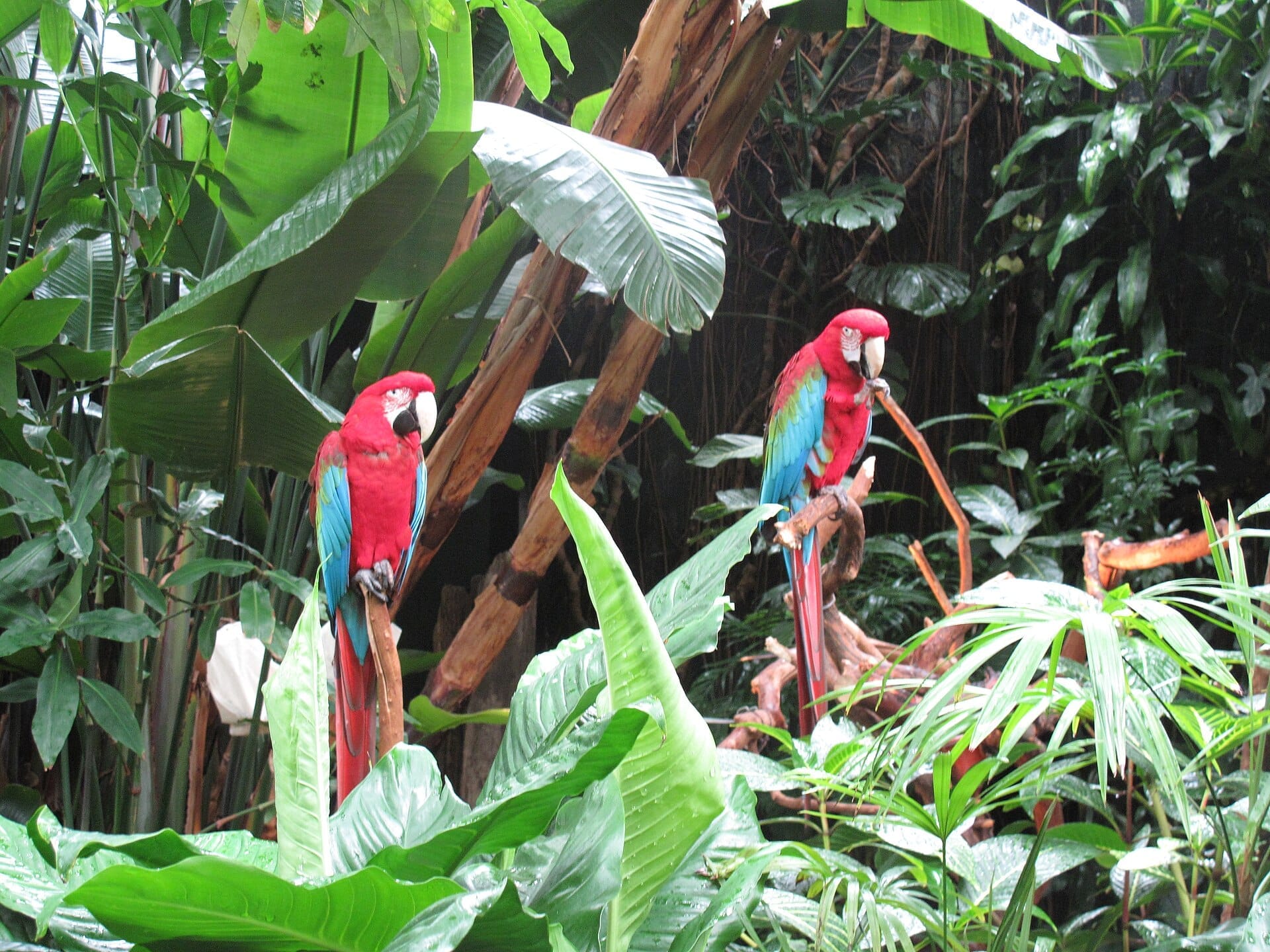
The birds are the detail that surprises most first-time visitors. More than 100 free-flying exotic birds inhabit the dome, and they move through the space at close range. Macaws, parrots, and smaller tropical species may land nearby or call from just above your head. The soundscape inside is genuinely unusual for Vancouver: a layered mix of tropical birdsong, the low hum of climate systems, and the occasional rustle of wings. Children tend to react with immediate excitement, but the space works equally well for adults who want to slow down and observe.
💡 Local tip
Wear a light layer you can easily remove. The conservatory interior is kept warm and humid regardless of the season, and many visitors find they overheat quickly if dressed for Vancouver's cooler outdoor temperatures.
The pathway through the conservatory is paved and loops through the different planting zones. It is compact enough that you can walk it in under 30 minutes at a normal pace, but the point is not speed. Take your time around the bird perches and the larger flowering specimens if you want to get real value from the visit. Photography works well here because of the natural overhead light through the plexiglass panels, though direct midday light on overcast days tends to be softer and more even than bright sunny afternoons, which can create harsh contrasts between lit and shadowed zones.
Tickets & tours
Hand-picked options from our booking partner. Prices are indicative; availability and final rates are confirmed when you complete your booking.
Grouse Mountain and Capilano Suspension Bridge Park tour
From 252 €Instant confirmationFree cancellationVancouver Art Gallery Tickets
From 19 €Instant confirmationFree cancellationVancouver Stanley Park cycling tour
From 56 €Instant confirmationFree cancellationWhistler, Shannon Falls and Sky Gondola tour from Vancouver
From 135 €Instant confirmationFree cancellation
How the Experience Changes by Time of Day and Season
The conservatory is open year-round with seasonal hours, running from 10:00 and extending to 19:00 during peak summer months. Arriving shortly after opening on a weekday morning means you are likely to have sections of the dome nearly to yourself. The birds are often most active in the first hour or two of the day, moving between perches and interacting with the environment in ways that become less frequent as the space fills with visitors.
On rainy winter days, the conservatory draws a noticeably different crowd: families with young children, couples looking for warmth, and visitors who are simply tired of grey skies. The contrast between the tropical interior and the cold rain visible through the dome panels is one of the more quietly striking aspects of the experience in November or December. Summer visits feel lighter and quicker, with more school groups and tourist traffic in the afternoons.
Vancouver's weather plays a direct role in how much the conservatory appeals on any given day. Understanding the city's seasonal patterns matters when planning your visit. The Vancouver weather guide breaks down what to expect month by month.
ℹ️ Good to know
Seasonal hours vary significantly. The conservatory closes as early as 16:00 in winter months and stays open until 19:00 in summer. Always confirm current hours at vandusengarden.org before you go, as hours are subject to change.
Getting There: Transit, Driving, and the Walk Through the Park
The most practical public transit option is the Canada Line SkyTrain to King Edward Station. From the station, the conservatory is roughly a 10 to 12 minute walk, but the route involves a steady uphill climb through Queen Elizabeth Park. The path is well-maintained and passes through attractive garden areas, making it a pleasant approach in good weather. In rain or cold, the climb is less comfortable, and some visitors find it more demanding than expected, particularly anyone with mobility limitations or strollers.
By car, the park is approximately 15 minutes from downtown via the Cambie Street Bridge. Parking lots are available within Queen Elizabeth Park, though a short additional walk to the dome is required. Ride-hailing apps including Uber and Lyft operate in Vancouver and can drop you closer to the park entrance, which reduces the uphill walking distance. The conservatory address for navigation is 4600 Cambie Street, Vancouver.
⚠️ What to skip
The uphill path from King Edward Station can be genuinely steep in sections. Visitors using wheelchairs, pushing strollers, or with limited mobility should check the conservatory's official site for accessibility details before planning the walk from transit.
Is it worth your time?
At roughly CAD 8 for an adult ticket, the Bloedel Conservatory is not expensive, and for what it delivers, the price is fair. The experience is genuinely distinctive: there is nowhere else in Vancouver where you can stand inside a tropical ecosystem with free-flying macaws overhead while snow sits on the mountains visible through the glass. For visitors on a tight itinerary focused on iconic outdoor Vancouver experiences, this attraction may feel like a side trip. But for families with children, anyone visiting during rainy season, or travelers interested in architecture and horticulture, the conservatory earns its place in a day's plans.
Who might want to skip it: travelers who have limited time and are prioritizing Vancouver's major outdoor attractions, people who are uncomfortable in warm, humid enclosed spaces, or anyone expecting a large-scale botanical garden experience. The dome is compact. The journey there, if you are relying on transit, involves more walking than many visitors expect. And the admission fee, while modest, adds up for larger groups when combined with other paid activities on the same day.
If you are building a full day around the Cambie corridor and south Vancouver, combining the conservatory with a visit to VanDusen Botanical Garden nearby makes strong logistical sense. The two attractions are operated together and offer a complementary outdoor-indoor pairing.
Photography Inside the Dome
The conservatory is one of the more rewarding photography spots in Vancouver for anyone interested in close-up plant or bird subjects. Natural light filters through the dome panels throughout the day, and because the space is enclosed, wind and weather do not affect your shots. The birds are approachable enough that telephoto lenses are not required, though a fast lens helps with the variable light levels in shadier planting zones.
Overcast days actually produce softer, more even light inside the dome than full sun, which can create blown-out highlights near the plexiglass panels. If you are visiting specifically for photography, an early weekday arrival in late spring or autumn offers good interior light and fewer people in your frame. Flash photography should be avoided around the birds.
For travelers assembling a broader Vancouver photography itinerary, the best viewpoints in Vancouver guide covers the panoramic city and mountain views available from the Queen Elizabeth Park hilltop just outside the dome, which are free to access.
Insider Tips
- The plaza immediately outside the conservatory entrance offers one of the best unobstructed views of the Vancouver skyline and North Shore mountains in the city. On clear days, spend a few minutes outside before going in, since the view is free and often overlooked by visitors heading straight to the ticket desk.
- The birds inside the dome are free-flying and occasionally land on visitors, particularly if you stand still near the larger perches. If you have young children who may be startled, keep this in mind. If you want the birds to approach, slow down and stay quiet near the feeding stations.
- Tickets can be purchased online through the VanDusen Botanical Garden website, and online booking sometimes includes a small discount. Buying in advance also saves time at the door, particularly on busy weekend afternoons.
- The Henry Moore sculpture on the plaza outside the dome is worth a close look. It was part of the original 1969 gift from Prentice Bloedel and is a significant public artwork that most visitors walk past without noticing.
- If you are visiting in winter and want to maximize the warmth-contrast effect, arrive on a cold, grey morning rather than a clear day. The sensation of stepping from near-freezing Pacific drizzle into tropical heat and birdsong is much more dramatic than arriving on a mild summer afternoon.
Who Is Bloedel Conservatory For?
- Families with children under 12 who respond to free-flying birds and colorful tropical plants
- Visitors to Vancouver during the rainy season (October to March) who want an engaging indoor experience
- Architecture and design enthusiasts interested in the 1969 triodetic dome structure
- Bird photographers and plant enthusiasts looking for close-access subjects in natural light
- Travelers combining multiple south Vancouver attractions into a single day along the Cambie corridor
Nearby Attractions
Other things to see while in Mount Pleasant & Main Street:
- Playland Amusement Park
Playland at the PNE is Vancouver's beloved seasonal amusement park, operating at Hastings Park in its current Playland form since the late 1950s. With dozens of rides ranging from toddler-friendly carousels to serious thrill machines, it draws families and ride enthusiasts from across the Lower Mainland every summer.
- Queen Elizabeth Park
Perched atop Little Mountain, the highest point in the City of Vancouver, Queen Elizabeth Park combines manicured gardens, open lawns, and former quarry pits transformed into stunning sunken gardens. Entry to the park is free, and the panoramic views of the downtown skyline backed by the North Shore mountains are among the most photographed in the city.
- Science World
Science World, operated by the ASTC Science World Society at 1455 Quebec Street, is Vancouver's hands-on science centre housed inside a 47-metre-high geodesic dome that has been a fixture of the city's skyline since Expo 86. From interactive exhibits and live science demonstrations to an OMNIMAX theatre, it draws curious minds of all ages and rewards visitors who arrive with a plan.