Bal Harbour Shops: The Complete Guide to Miami's Most Refined Shopping Destination
Opened in 1965 and still family-owned, Bal Harbour Shops is one of the most storied open-air luxury malls in the United States. Set on Collins Avenue in the village of Bal Harbour, just north of Miami Beach, its 100-plus boutiques, lush tropical landscaping, and oceanside calm make it a shopping experience unlike any other in South Florida.
Quick Facts
- Location
- 9700 Collins Avenue, Bal Harbour, FL 33154 — in the village of Bal Harbour just north of Miami Beach
- Getting There
- Miami-Dade Metrobus routes along Collins Avenue; most visitors arrive by car or rideshare
- Time Needed
- 2 to 4 hours for browsing; half-day if dining
- Cost
- Free to enter; individual store and restaurant prices vary
- Best for
- Luxury shoppers, fashion enthusiasts, architecture admirers, and anyone who enjoys upscale people-watching
- Official website
- www.balharbourshops.com
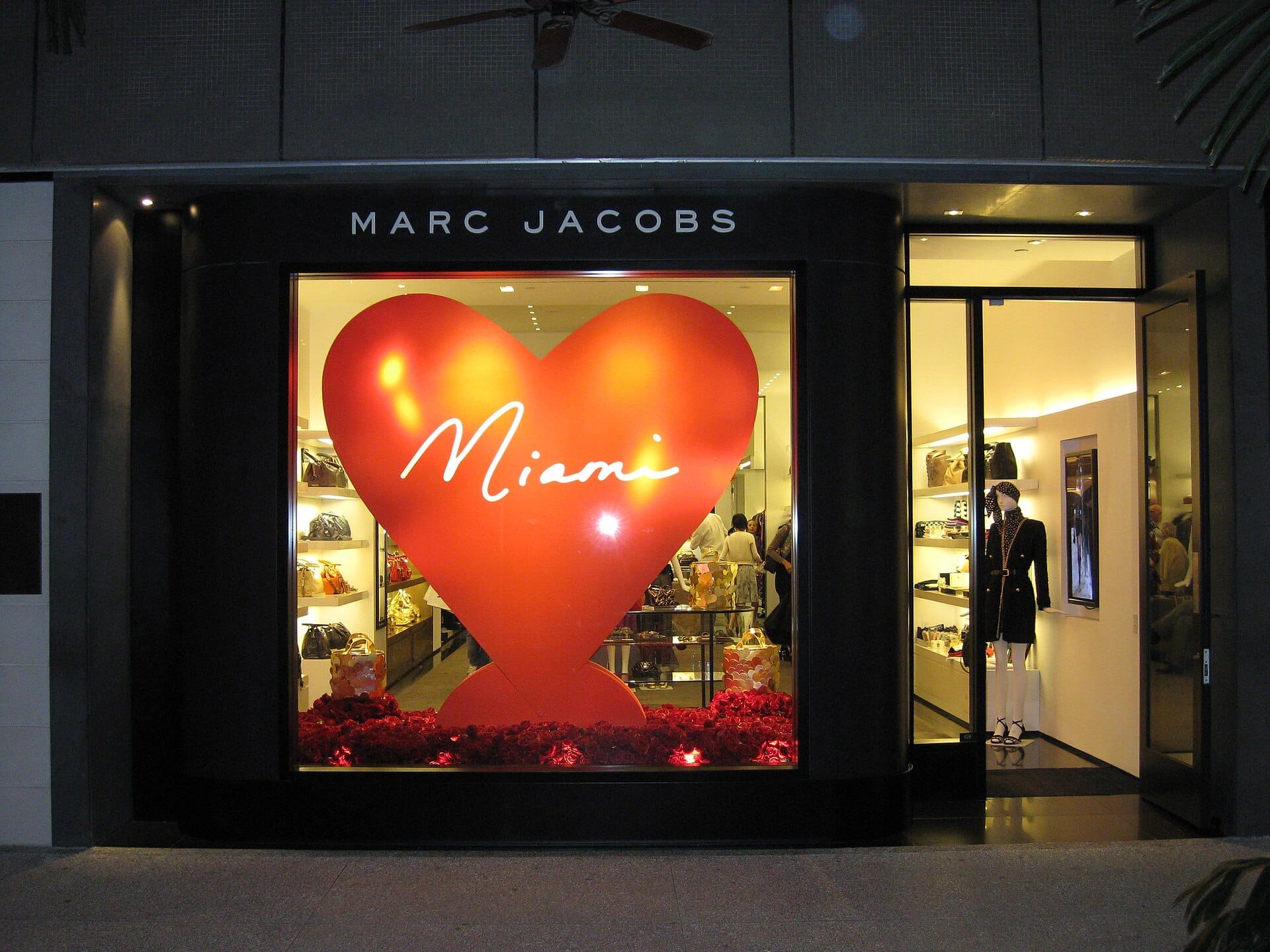
What Bal Harbour Shops Actually Is
Bal Harbour Shops is not a typical American mall. Opened in 1965 and developed by Stanley Whitman, the center has remained under Whitman family ownership and management ever since — an unusual arrangement in an era of corporate real estate consolidation that has directly shaped its character. The result is approximately 500,000 square feet of open-air retail spread across three levels, anchored by Neiman Marcus and Saks Fifth Avenue, and filled with over 100 luxury boutiques representing the world's most recognized fashion and jewelry houses.
The setting is part of what separates it from competitors. Bal Harbour Village occupies the northernmost sliver of the barrier island just north of the city of Miami Beach, positioned between the Atlantic Ocean and Biscayne Bay. The mall sits within that narrow strip, and the landscaping reflects it: mature tropical trees create genuine shade canopies over the central walkways, with the hum of fountains audible throughout the day. It reads more like a Mediterranean courtyard than a retail complex.
ℹ️ Good to know
Entry to the shopping center is free. There is no admission charge of any kind. All costs come from individual stores, restaurants, and services within the mall.
The Experience: What You'll See, Hear, and Feel
Walking into Bal Harbour Shops from Collins Avenue, the first thing you notice is the temperature drop. The tall palm canopy and continuous fountain features lower the ambient temperature noticeably compared with the open sidewalk — a small but real luxury in Miami's climate. The main promenade is wide, surfaced in polished stone, and lined on both sides with storefronts whose window displays are changed with the same care you'd expect from a flagship location on Fifth Avenue or Rodeo Drive.
The sound environment is low-key by shopping center standards. There is no piped-in pop music competing with conversations. What you hear instead is water moving through the fountain channels, the occasional announcement from a boutique, and the multilingual chatter of a genuinely international crowd. On any given weekday you are likely to hear Spanish, Portuguese, French, and Russian being spoken within a short stretch of the main walkway, reflecting both Miami's Latin American connections and its status as a destination for European and South American visitors.
The three-level layout is navigated by escalators and elevators. The ground level holds most of the major anchor entrances and flagship boutiques. Upper levels feel slightly quieter and are where you'll find some of the smaller specialty stores. The open-air design means each level offers sightlines to the courtyard below, and natural light reaches the lower areas even in the middle of the day.
Tickets & tours
Hand-picked options from our booking partner. Prices are indicative; availability and final rates are confirmed when you complete your booking.
Everglades admission ticket with airboat ride and wildlife show
From 24 €Instant confirmationFree cancellationKey West day trip with glass bottom boat ride
From 110 €Instant confirmationFree cancellationEverglades airboat ride with Biscayne Bay boat tour and transportation
From 67 €Instant confirmationFree cancellationGrand Bahama tour with optional Pig Beach visit
From 309 €Instant confirmationFree cancellation
Morning, Afternoon, and Evening: How the Crowd Changes
Most stores open around 10:00 daily, though individual hours can vary and some may open later on Sundays, and the first hour is reliably the quietest. Serious shoppers who want personal attention from boutique staff and uncrowded fitting rooms often arrive at opening. The light in the covered walkways is pleasant in the morning, cooler than later in the day, and the outdoor seating areas at the restaurant terraces are shaded.
By midday, particularly on weekends between November and April when Miami's tourist season peaks, the main promenade fills considerably. The weekend lunch crowd at the dining terrace overlooking the fountains can make tables scarce without a reservation. This is the period with the best people-watching — the mix of locals in resort wear, international visitors dressed more formally for shopping, and the occasional recognizable face from the worlds of sports, entertainment, or finance reflects the social texture of the venue.
Late afternoons on weekdays are a reliable middle ground: the morning rush has cleared, school groups and early tourists have moved on, and the light softens as it comes through the tree canopy. This is also when the outdoor terraces become genuinely comfortable. Many boutiques close around 20:00–21:00, with earlier closing times on Sundays, but exact hours differ by tenant, so evenings are a legitimate window — stores are open, the lighting is atmospheric, and the crowds thin from their midday peaks.
💡 Local tip
Hours listed are general guidelines. Individual store hours, holiday schedules, and seasonal variations can differ. Confirm directly with the mall or specific boutiques before planning a timed visit.
History and Significance: Why This Mall Matters
When Stanley Whitman opened Bal Harbour Shops in 1965, the concept of an open-air luxury shopping center was not an established format. The surrounding Bal Harbour Village was a small, exclusive residential enclave, and the mall was built to serve a clientele that expected the kind of attention and curation found in European boutique districts rather than American retail strips. The decision to concentrate only top-tier tenants, reject discount or mid-market retailers entirely, and maintain the outdoor courtyard format was unusual — and commercially risky at the time.
Over the following decades, Bal Harbour Shops became one of the highest-grossing retail centers per square foot in the United States, a metric that retail analysts have cited repeatedly when discussing the premium shopping market. The Whitman family's continued ownership has allowed the center to resist the kind of tenant churn and format dilution that has affected many U.S. malls since the 1990s. The tenant roster has evolved, but the positioning has not.
For a broader look at Miami's luxury retail landscape, the Miami Design District to the south offers a contrasting take on high-end shopping, with a more gallery-oriented, street-level format and a different architectural identity.
Getting There: Practical Directions
Bal Harbour Shops sits at 9700 Collins Avenue (also known as A1A), the main north-south coastal road that runs the length of Miami Beach. By car, common approaches from central Miami include the Broad Causeway directly to Bal Harbour or the Julia Tuttle Causeway to Miami Beach, then north on Collins Avenue. Parking is available in the mall's own structure, though on busy weekend afternoons during peak season it can fill — arriving before noon improves your odds considerably.
Miami-Dade Metrobus routes operate along Collins Avenue, connecting the area to South Beach and points south. Rideshare drop-off is well-established at the center's entrances. The location is not walkable from most Miami tourist bases — South Beach is roughly 8 to 9 miles south — so most visitors arrive by car or rideshare rather than on foot.
If you are navigating South Florida's transport options more broadly, the getting around Miami guide covers Metrobus, rideshare logistics, and driving tips in detail.
⚠️ What to skip
Bal Harbour Village itself is a small municipality with limited street parking near the mall. Rely on the mall's own parking structure rather than looking for street spots on Collins Avenue.
Shopping, Dining, and What to Actually Do Here
The tenant list reads as a near-complete index of global luxury fashion: flagship-style stores from major French and Italian fashion houses, multiple fine jewelry boutiques, high-end watch retailers, and the two anchor department stores. For shoppers with specific brands in mind, the store directory on the official website is the most reliable way to check current tenants before visiting, as the roster does evolve.
Dining options sit primarily on the ground level and extend onto an outdoor terrace. The food is several notches above standard mall fare — the restaurant selection skews toward sit-down service rather than fast casual, with prices and dress expectations to match. The outdoor terrace seating, positioned around the central water features, is genuinely pleasant on a dry winter afternoon when Miami's climate is at its most agreeable.
For those combining a Bal Harbour visit with broader Miami Beach exploration, the Miami shopping guide maps out the different retail zones across the city, from the Design District to Lincoln Road Mall in South Beach.
Photography, Accessibility, and Practical Notes
The open-air design and tropical landscaping make Bal Harbour Shops more photogenic than a conventional enclosed mall. The interplay of natural light through the palm canopy, the reflective surfaces of the fountain channels, and the clean architectural lines of the boutique facades give photographers something to work with throughout the day. Morning light reaches the lower level walkways at a flattering angle before midday sun becomes harsh. Individual stores may have policies about photography inside their spaces, so it is worth asking before pointing a camera at a display.
The center operates on three floors with escalators and elevators connecting levels, making it navigable for visitors with mobility considerations. For specific accessibility services, parking arrangements, or wheelchair assistance, contacting the mall's management directly via the official website is the most reliable approach, as policies and services can change. The open-air layout also means that in Miami's summer months — June through September — the humidity and heat are unmediated by air conditioning in the common areas, which can make extended outdoor browsing uncomfortable.
Planning your visit around Miami's seasonal climate is worth thinking through carefully. The best time to visit Miami guide breaks down the tradeoffs between the dry, cooler winter season and the quieter but hotter summer months.
Who Will Love This, and Who Should Skip It
Bal Harbour Shops delivers a consistent, well-curated experience for anyone with a genuine interest in luxury retail. The combination of an attractive outdoor setting, a serious tenant roster, and an unusually civilized atmosphere by shopping center standards makes it one of the better places in South Florida to shop for high-end goods. The people-watching alone, on a busy winter Saturday, justifies the trip for those who find that kind of social spectacle interesting.
It is not for everyone. Travelers on a tight budget will find no value in window-shopping at boutiques where entry-level prices run into the hundreds of dollars, and the dining is similarly priced. Those seeking local character, street-level art, or Miami's Cuban-American cultural side will find nothing of that here — the experience is deliberately international and upscale. Families with young children will find the environment manageable but not designed with them in mind.
Budget-conscious travelers looking for free or low-cost Miami experiences will find better options in the free things to do in Miami guide. For a different kind of high-end Miami neighborhood, Miami's luxury travel guide covers the full spectrum of premium experiences across the city.
Insider Tips
- Weekday mornings between 10:00 and 12:00 are the least crowded window. Boutique staff have more time for one-on-one service, and the parking structure is straightforward to navigate.
- The outdoor dining terrace books up on weekend lunches during peak season (November through April). If you plan to eat there, either reserve ahead or arrive before 12:30.
- Bal Harbour Shops occasionally hosts temporary pop-up installations and fashion events, particularly around Art Basel Miami Beach in December. Check the official website's events section before your visit if timing coincides.
- The mall sits a short drive from Haulover Beach Park to the north — pairing a morning at the beach with an afternoon at the shops is a practical way to combine both without backtracking.
- Dress codes are not enforced at the mall itself, but individual boutiques are staffed for a clientele that dresses to shop. Beachwear with wet swimsuits is uncommon inside the stores, even given the proximity to the ocean.
Who Is Bal Harbour Shops For?
- Luxury shoppers seeking a curated, non-generic retail environment with major international fashion houses in one location
- Fashion and architecture enthusiasts interested in how a single-family ownership model has shaped a distinctive retail format over six decades
- Visitors combining a Miami Beach stay with a half-day of serious shopping during the November-to-April dry season
- International travelers already familiar with luxury shopping districts in Paris, Milan, or New York who want to compare the Miami version
- Anyone who appreciates upscale people-watching in a setting that reflects Miami's international, multilingual character
Nearby Attractions
Other things to see while in Mid-Beach & North Beach:
- Haulover Beach Park
A 177-acre public park straddling the Atlantic Ocean and Biscayne Bay, Haulover Beach Park is one of Miami's most diverse and well-equipped beaches. Known for its relaxed atmosphere, wide sandy shores, and a designated clothing-optional section, it draws everyone from families to kite flyers to serious anglers — all within 25 minutes of downtown.
- Miami Beach Boardwalk
The Miami Beach Boardwalk, now officially known as the Beachwalk, is a free, ADA-accessible oceanfront promenade stretching roughly 7 miles along the Atlantic coast. Completed in its current form in June 2022, it connects South Pointe Park in the south to North Beach and the Surfside border, passing through some of Miami Beach's most scenic and people-watching-rich terrain.