Best Time to Visit Phu Quoc: Seasons, Weather and What to Expect
Phu Quoc has two distinct seasons: a dry season from November to April, which offers the most reliable conditions for beaches and water activities, and a rainy season from May to October, which brings fewer crowds and lower prices but less predictable weather and sometimes rough seas.

Tickets & tours
Live prices and dates from our booking partner. If you book, we may earn a commission at no extra cost to you.
TL;DR
- November to April is the dry season: calm seas, clear water, and consistent sunshine. This is the best time for beaches and all water activities.
- December to February is peak season: the most reliable weather, but also the highest prices and most crowds. Book well ahead.
- May to October is the rainy season: rough west-coast seas, afternoon downpours, and significantly cheaper accommodation. Still viable if beaches aren't your main focus.
- November and March are the sweet spots: dry-season quality with meaningfully less crowd pressure than December–February.
- The national park, east coast fishing villages, and cultural sites work well year-round, see the things to do guide for what holds up in any season.
The Two-Season Pattern
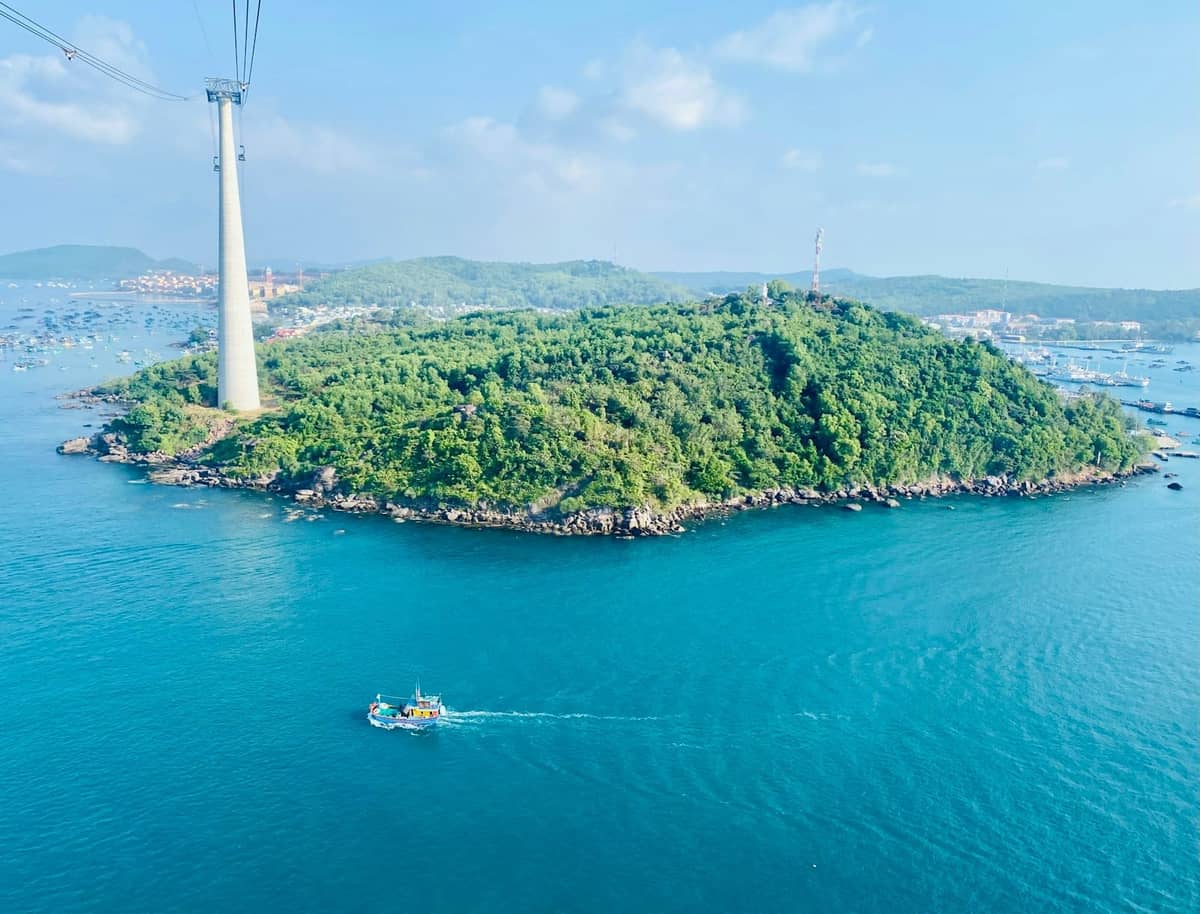
Phu Quoc sits in the Gulf of Thailand with a clear, two-season tropical climate. The dry season runs from November through April; the wet season runs from May through October. This isn't a subtle distinction: the two periods feel meaningfully different in terms of sea conditions, visibility, beach quality, crowd density, and price. Understanding which season suits your priorities is the most useful thing you can do before booking.
The island's west coast where most of the beaches, resorts, and tourist infrastructure sit, including Long Beach is fully exposed to the southwest monsoon, making conditions here strongly seasonal. The calmer east coast, anchored by Ham Ninh Fishing Village, is partially sheltered by the island's central ridge and behaves differently. Worth knowing if you're planning a mixed itinerary.
- Dry Season (Nov–Apr) Calm seas, clear water, consistent sunshine. Best for beaches, snorkelling, island-hopping, and west-coast water activities. Peak prices, peak crowds. Book well ahead for December–January.
- Rainy Season (May–Oct) Afternoon and evening downpours, rough west-coast seas (especially July–September). Significantly cheaper accommodation and flights. Good for national park, east coast, and cultural sites. Jellyfish more common on beaches.
Dry Season: November to April

November: The Transition Month
November is when conditions reliably improve after the wet season. Early in the month there can still be residual showers, but by mid-to-late November the skies are typically clear, the seas calm, and water visibility is good. It's the start of the season rather than the peak, which means prices haven't yet climbed to their December–February heights and the beaches are noticeably less crowded. For travelers who want proper dry-season conditions without the peak-season premium, November is often the best value window on the calendar.
December, January, February: Peak Season
This is Phu Quoc at its most consistently reliable. Daytime temperatures sit in the 27–30°C range, humidity is low, rainfall is minimal, and the sea is calm and clear: ideal conditions for swimming, snorkelling, island-hopping, and beach days. Sunlight hours are long, and the water on the west coast is generally flat enough for boat trips and dive operations to run without disruption.
These months are also the most expensive and most crowded. International arrivals peak in December and January. Late January and early February bring Tết — the Vietnamese Lunar New Year — which generates a sharp surge in domestic tourism. During the Tết window specifically, accommodation prices spike, the Phu Quoc Night Market becomes exceptionally busy, and flights tighten significantly. If your visit overlaps with Tết, book accommodation and flights further in advance than usual.
💡 Local tip
For the best combination of good conditions and manageable crowds, arrive after the Tết surge clears, typically mid to late February. Prices ease, the weather is still excellent, and the island is noticeably quieter than December or early January.
March and April: Late Dry Season
March is an underrated month. The sea remains calm, skies are reliable, and the post-peak decline in arrivals means popular spots like Sao Beach have more room. Accommodation rates begin to fall from their December–February highs. The main trade-off is rising temperatures: daytime highs push toward 32–33°C by late March, making midday beach time uncomfortable. Early mornings and late afternoons are the practical windows.
April is the transitional month at the other end of the dry season. It can still be sunny and beach-worthy, particularly early in the month, but afternoon storms become more frequent and the sea's predictability begins to erode. It's workable if pricing and flexibility matter more than certainty, just know that April weather has more variance than January.
Rainy Season: May to October
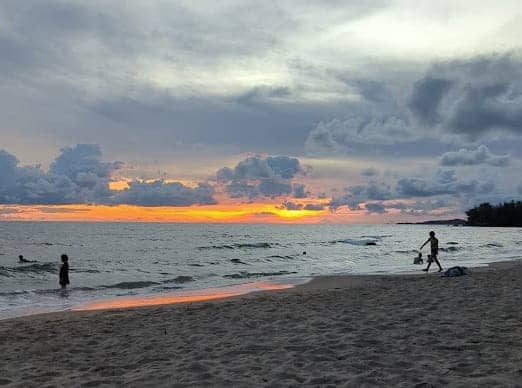
May and June: Early Wet Season
May marks the arrival of the southwest monsoon over the Gulf of Thailand. The change is gradual, May still has significant dry spells and mornings often stay clear. The wet-season pattern is typically afternoon or evening downpours rather than all-day grey skies. That said, the sea on the west coast starts becoming rougher and less clear from May onward, which affects swimming and any water-based activities.
June deepens the pattern. Rainfall becomes more consistent and heavier. West-coast sea conditions are no longer reliable for snorkelling or boat trips. However, the interior, including Phu Quoc National Park, is genuinely lush and atmospheric during the wet season, with waterfalls running high and the forest at its most alive. The island is much quieter, and accommodation rates can be substantially lower than in peak season.
July to September: The Wettest Period
July, August, and September bring the most consistent and heaviest rainfall. September is typically the wettest month. During this period, seas on the west coast are rough enough that operators routinely cancel or suspend boat tours, and the Hon Thom Cable Car crossing can be affected by strong winds. Jellyfish become more frequent in the shallower beach areas. West-coast beaches accumulate litter from storms and the visual quality of the water drops significantly.
⚠️ What to skip
If beach quality and water activities are central to your trip, avoid July–September on Phu Quoc's west coast. The practical beach experience during this period is genuinely poor on the main Long Beach and resort strips.
The upside is real, however. The national park is at its most spectacular, waterfalls run at full flow, the forest is dense, and trekking is cooler than in the dry season (if muddier). Prices for accommodation and flights drop significantly. The island's markets, fishing villages, and cultural sites function regardless of season.
ℹ️ Good to know
The rainy season is a viable option for travelers whose primary interest is Phu Quoc's culture, food, and nature rather than beaches. The Night Market, the prison museum, national park trails, and east-coast fishing villages all hold up well in any weather.
October: The Turning Point
October is a genuine transition month. Rainfall begins to decrease from September's peak, and by late October conditions are improving noticeably: skies open up, the sea starts settling. It's not a reliable beach month yet, but for travelers with flexibility who want the island at a low price point as conditions improve, late October into early November can work well. Book with weather flexibility and manage expectations for beach days.
Which Month Is Actually the Best?
If you can choose freely, November and March are the two months that consistently offer the best combination of weather quality, manageable crowd levels, and reasonable prices. November delivers the start of the season without the December peak premium; March gives you late-season quality without the post-Christmas rush. Both months offer reliably calm seas, clear water, and comfortable beach days at meaningfully lower cost than December–February.
December and January deliver the best weather but the highest prices and most concentrated crowds. February is excellent if you avoid the Tết spike. April works if budget and flexibility matter more than certainty. The wet season months (particularly July–September) should only be chosen deliberately, knowing what they involve.
Events and Festivals Worth Knowing

Tết (Vietnamese Lunar New Year) is the single most impactful event for Phu Quoc visitors. It falls in late January or February depending on the lunar calendar, and brings a significant surge in domestic Vietnamese tourism to the island, one of the country's preferred domestic destinations for the holiday. Accommodation prices rise sharply in the week before and during Tết. If you're visiting this time of year, either book very early or plan around it. Tết itself is also a genuinely interesting period if you're based in Duong Dong: the street decorations, the local celebrations, and the festive atmosphere add a cultural layer you won't get in the quiet dry season.
- Tết (Vietnamese Lunar New Year) Late January or February (date shifts annually). Major domestic tourism surge, highest prices of the year, book far ahead.
- Christmas and New Year (Dec 25–Jan 1) International arrivals peak. Resorts and beach clubs host events. Accommodation prices at annual high. Book 2–3 months ahead.
- Phu Quoc Discovery Festival Occasional annual festival celebrating the island's culture, seafood, and music. Dates vary, check locally before visiting.
How the Season Affects Each Type of Activity
Beach and west-coast water activities — swimming on Long Beach, snorkelling around the An Thoi archipelago, boat trips, and days on Sao Beach — are almost entirely dry-season pursuits (November–April). Calm, clear conditions are needed and only reliably available in this window.
Phu Quoc National Park is usable year-round but peaks visually during and just after the wet season when vegetation is dense and water features are full. Trekking is muddier in wet season so the right footwear matters. The Suoi Tranh waterfall is most impressive October–November when water levels are highest.
Cultural sites (Phu Quoc Prison, Dinh Cau Temple, the Night Market) are fully seasonal-independent. Rain doesn't affect your ability to visit these places, and the quieter wet-season visitor numbers can make experiences like the prison museum more reflective and less rushed.
💡 Local tip
Budget travelers who aren't primarily here for beach activities should seriously consider October or early November: you get the tail end of wet-season prices with conditions improving daily, and the island is at its quietest just as it starts becoming good again.
West Coast vs East Coast: Does the Season Affect Both?
The east coast of Phu Quoc, accessible via the cross-island road through the national park, ending at Ham Ninh, sits on the windward side of the island during the southwest monsoon, but the central ridge provides partial shelter. East-coast sea conditions don't become a reliable swimming option in the wet season either, but they're often calmer than the fully exposed west. The atmosphere there — working fishing village, floating crab restaurants, wooden pier — remains interesting regardless of season.
This is useful to know if you're visiting outside the dry season and want to plan a day that doesn't rely on west-coast beach conditions. The cross-island road through the national park is scenic in any season, and the east coast offers a genuinely different character from the resort strip.
FAQ
What is the best month to visit Phu Quoc?
November, December, February, and March offer the most reliable combination of calm seas, clear water, and comfortable temperatures. January is technically peak season with the best conditions, but it's also the most expensive and crowded. November and March stand out as sweet spots: dry-season quality with meaningfully lower prices and fewer crowds than the December–January window.
Is Phu Quoc worth visiting during the rainy season?
Yes, if your trip isn't primarily about beaches and water activities. The rainy season (May–October) brings cheaper accommodation and flights, a less-crowded island, lush national park conditions, and cultural sites that function fully regardless of weather. July–September is the most challenging period with the roughest seas and heaviest rainfall. Approach these months with adjusted expectations for west-coast beaches.
When is it too rough for boat trips and snorkelling?
West-coast boat trips and snorkelling become unreliable from May onward as the southwest monsoon arrives. July, August, and September are the most affected months, operators frequently cancel trips during this period. Conditions start improving from October, and by mid-November the sea is typically calm enough for all water activities to resume reliably.
When does jellyfish season occur on Phu Quoc?
Jellyfish are more commonly reported on Phu Quoc's beaches during the wet season, particularly June through September, when warmer water and weather patterns bring them closer to shore on the west coast. The dry season (November–April) sees significantly fewer jellyfish encounters. If you're sensitive to this, plan your beach swimming for the dry season and check locally if visiting May–October.
Does the rainy season affect the whole island equally?
No. The southwest monsoon most strongly affects Phu Quoc's west coast: Long Beach, Ong Lang Beach, and most of the resort strip. The east coast (Ham Ninh side) and the interior national park are partially sheltered by the island's central ridge. The cultural and commercial areas of Duong Dong town function normally in all seasons. If you're visiting in the wet season, building east-coast and national park days into your itinerary gives you reliable good-weather alternatives.
Tickets & tours
Live prices and dates from our booking partner. If you book, we may earn a commission at no extra cost to you.
Planning a trip? Discover personalized activities with the Nomado app.