Zurich Zoo (Zoo Zürich): The Complete Visitor Guide
Opened in 1929 on the wooded slopes of the Zürichberg, Zoo Zürich is one of Switzerland's well-known zoological attractions. Home to the extraordinary Masoala Rainforest pavilion and a wide range of habitats, it rewards both families and solo visitors who come prepared.
Quick Facts
- Location
- Zürichbergstrasse 221, 8044 Zürich
- Getting There
- Tram 6 or 5 (Sundays) to stop 'Zoo'
- Time Needed
- 3–5 hours for a thorough visit
- Cost
- CHF 32 adults / CHF 18 children (6–12) / Free under 6
- Best for
- Families, nature enthusiasts, rainy-day visits
- Official website
- www.zoo.ch
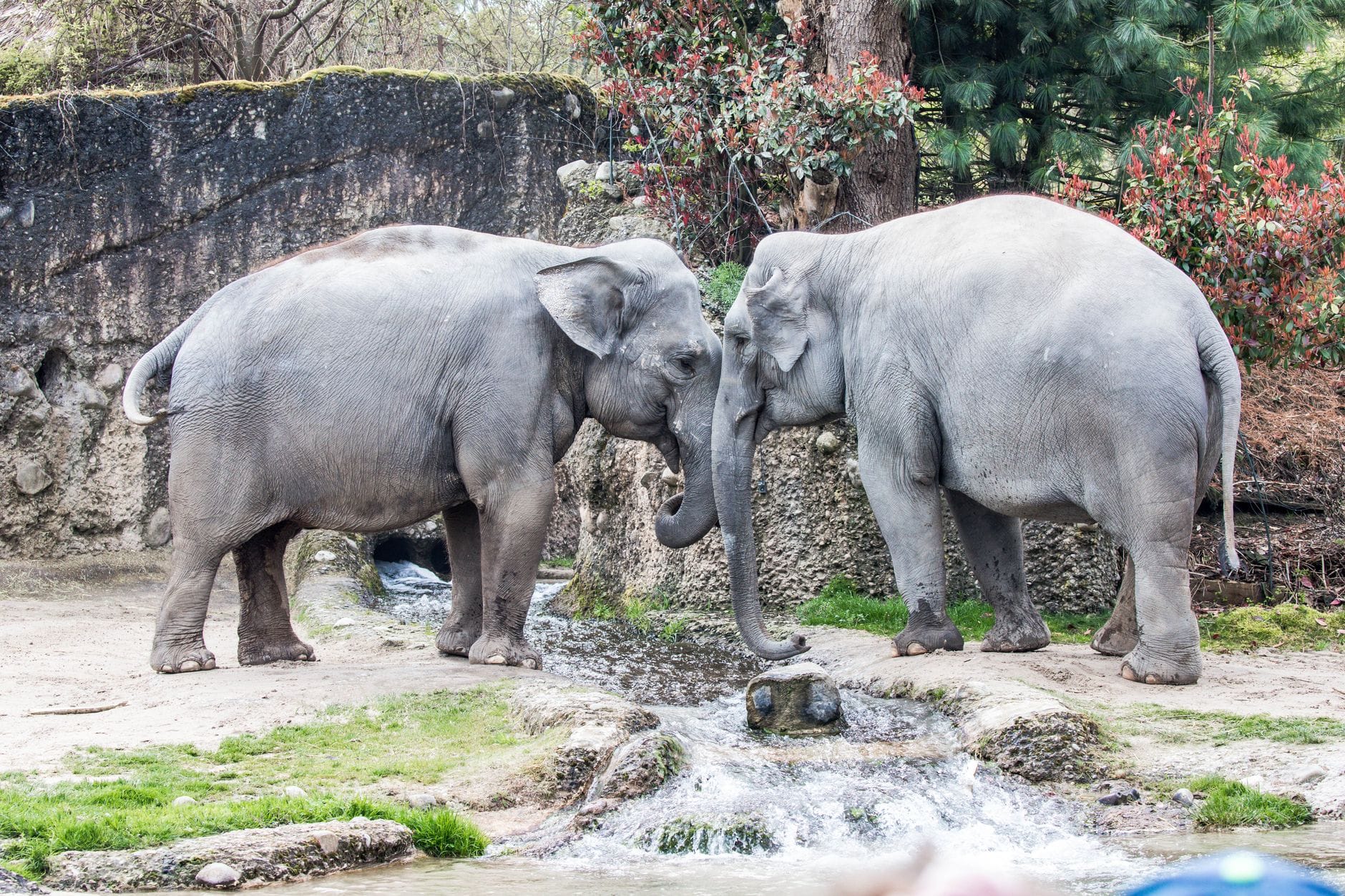
What Zoo Zürich Actually Is
Zoo Zürich, officially the Zürich Zoological Garden (Zoologischer Garten Zürich), opened on 7 September 1929 and is one of the country’s longstanding zoological gardens. It sits on a sizeable area of forested hillside on the Zürichberg, and that terrain is part of the experience: paths wind up and down through genuine woodland, so expect real inclines rather than a flat park circuit.
What separates Zoo Zürich from a generic city zoo is the quality of its habitat design. The landmark example is the Masoala Rainforest, a vast glass-domed pavilion recreating a slice of Madagascar's eastern rainforest. It opened in 2003 and is considered one of the larger zoo greenhouse structures in Europe. Inside, free-flying birds, lemurs, and chameleons share space with dense tropical vegetation at genuine humidity levels, giving it a sensory intensity that few zoo enclosures anywhere in the world match.
💡 Local tip
The Masoala Rainforest opens one hour later than the main zoo gates: 10:00 instead of 09:00. If you want to start there, plan your arrival accordingly.
Getting There: Transit Is the Right Choice
The zoo sits at Zürichbergstrasse 221, and parking near the site is limited, with hillside access roads that can get congested on busy weekends.
The simplest route is tram 6, which runs daily and stops directly at "Zoo" on the ZVV network; on Sundays, tram 5 also serves the same stop. From Zurich city centre, the tram ride takes around 15–20 minutes, and you emerge essentially at the main entrance. For more context on getting around the city efficiently, the getting around Zurich guide covers the full tram and S-Bahn network.
Two secondary options exist for the Masoala entrance specifically. Bus 751 stops at "Zoo/Forrenweid", from where it is roughly a 10-minute walk to the Masoala pavilion. The Dolderbahn funicular (line 25) reaches "Bergstation Dolder", from where a 20-minute walk through the Zürichberg forest brings you to the Masoala entrance. That approach through the trees is genuinely pleasant, though it adds time and requires comfortable footwear.
⚠️ What to skip
The zoo grounds involve significant elevation changes with sloped paths and steps. Pushchairs can navigate most areas, but some sections require detours on alternate routes. Check the zoo's visitor accessibility information before arriving with mobility equipment.
Tickets & tours
Live prices and dates from our booking partner. If you book, we may earn a commission at no extra cost to you.
Mount Titlis snow fun for first-time skiers from Zurich
From 212 €Instant confirmationFree cancellationSwiss ski experience from Zurich
From 321 €Instant confirmationFree cancellationBest intro tour of Zurich with a local
From 116 €Instant confirmationFree cancellationZurich Old Town guided walking tour
From 27 €Instant confirmationFree cancellation
Opening Hours and Ticket Prices
Zoo Zürich is open 365 days a year with no annual closure, including public holidays. Hours shift with the seasons:
- March–October: Zoo gates 09:00–18:00, Masoala Rainforest 10:00–18:00
- November–February: Zoo gates 09:00–17:00, Masoala Rainforest 10:00–17:00
Admission as of the most recent verified pricing: adults (18+) pay CHF 32. Children aged 6–12 pay CHF 18 individually, or CHF 15.30 per child for groups of 10 or more. Young people aged 13–17 in a group of 10 or more pay CHF 23.40. Children under 6 enter free. These figures should be confirmed on the official ticket page at zoo.ch before your visit, as prices can change seasonally.
At CHF 32 per adult, the zoo is one of the pricier attractions in the city. If you are watching your budget, it is worth checking whether your visit qualifies for any discounts. For a broader look at managing costs in the city, see the Zurich on a budget guide, which covers where entry fees and transit costs add up fast.
How the Visit Actually Unfolds
The main entrance leads into an open-terrain section that includes large mammal and primate habitats. In the morning, before 10:30, the zoo has noticeably thinner crowds. Animals tend to be more active during cooler morning hours, particularly big cats and primates, which often retreat to shade or indoor shelter by early afternoon in summer. The sounds in the morning are also different: bird calls carry across the hillside, and the background noise of the city feels distant.
By midday, especially on weekends and school holidays from late June through August, foot traffic becomes dense on the main path circuits. Narrow sections around popular enclosures can feel crowded, and queues form at the catering points. If you are visiting with children and want to avoid the worst of this, aim to arrive at opening time and move toward the Masoala Rainforest by late morning before the midday rush arrives there.
The Masoala Rainforest pavilion operates independently from the rest of the zoo in terms of atmosphere. Inside, the humidity is immediate and persistent, fogging up camera lenses within seconds of entry. Vegetation is dense enough that the structural elements of the dome largely disappear from view. Animals are not in enclosures in the conventional sense: the space is large enough that spotting a chameleon on a branch requires patience and a slow pace. This is not a passive experience.
In colder months, the Masoala Rainforest becomes particularly attractive because the contrast between Zurich's grey winter exterior and the warm, tropical interior is extreme. This makes it one of the more effective winter-day activities the city offers. For other cold-weather options, the Zurich in December guide covers the full range.
Photography, Weather, and What to Wear
Outdoor enclosures are generally well-lit on sunny mornings, but many of the covered and forested areas are dim. A fast lens or a camera body that handles low light well makes a real difference inside the Masoala pavilion. As mentioned, lens fogging is unavoidable on entry to the rainforest dome. Keep a clean cloth accessible and allow a minute for optics to adjust before shooting.
Weather affects the outdoor zoo experience considerably. On rainy days, many animals retreat to indoor sections that are not always visible to visitors. Light rain makes the paths slippery in places, given the hillside terrain. That said, a light-rain weekday visit in spring or autumn has its own rewards: the zoo is quieter, the greenery looks good in soft light, and the Masoala pavilion is especially warm and appealing as a contrast. Bring a waterproof layer and shoes with grip.
In summer heat, carry water. The zoo's terrain means you will be walking uphill and downhill for extended periods. There are catering points, but on busy days lines are long. Bringing snacks, particularly for children, reduces friction significantly.
Who Should Skip This, and Who Should Not
Visitors with limited mobility face real challenges here. The hillside layout means inclines are unavoidable, and while accessible routes exist on most of the grounds, a full visit to all areas including the Masoala entrance from the Dolderbahn side is not practical without significant walking capacity. The main tram entrance is flatter for initial access, but the internal paths still rise and fall throughout the site. Contact the zoo directly before visiting if this is a concern.
For travellers on a very tight schedule, spending two to three hours here means you can cover the main highlights but will feel rushed. The zoo is not a quick stop. If your Zurich itinerary is already packed, it competes for time with other major attractions.
For families, Zoo Zürich is one of the strongest options in the city, particularly when travelling with children under 12. It handles the combination of physical engagement, learning content, and interest variation better than most alternatives. If you are building a broader family itinerary, the Zurich with kids guide covers complementary options across the city.
Solo travellers and adults without children who enjoy natural history, habitat ecology, or wildlife observation will find the zoo genuinely rewarding, especially the Masoala pavilion. Those looking primarily for urban culture, architecture, or culinary experiences will probably find the time better spent elsewhere in the city.
Insider Tips
- Arrive at 09:00 when the gates open and head directly to the large mammal areas before the crowds arrive. Animals are most active in the first 90 minutes after opening, particularly in cooler weather.
- The Masoala Rainforest is worth at least 45 minutes on its own. Go slowly and look at eye level and upward into the canopy, not just at ground level. Most first-time visitors miss half the animals by walking too quickly.
- On cold or rainy weekdays in November through February, the zoo is significantly quieter and the Masoala pavilion is at its most atmospheric. This is genuinely one of the better times to visit if you can manage the shorter closing hour of 17:00.
- ZVV day passes cover tram 6 to the zoo and are often the most cost-effective transit option if you are making multiple stops across the city that day. Buy them at the station rather than on the tram.
- The zoo has multiple catering points but they become congested by noon on busy days. Either eat before 11:30 or plan to eat after 14:00 to avoid the worst queues.
Who Is Zurich Zoo For?
- Families with children aged 3–12 who need a full half-day of structured, engaging outdoor activity
- Nature and wildlife enthusiasts who appreciate habitat-focused zoo design over traditional enclosures
- Winter visitors looking for a warm, immersive experience inside the Masoala Rainforest on a cold day
- Travellers with a slower pace who want to spend a full morning or afternoon away from the urban centre
- Photography hobbyists interested in animal and tropical vegetation subjects in varied lighting conditions
Nearby Attractions
Combine your visit with:
- Museum Rietberg
Set in a parkland villa complex on the western shore of Lake Zurich, Museum Rietberg houses one of Europe's most significant collections of non-European art. From Indian temple sculpture to African ceremonial objects and East Asian painting, the museum rewards careful visitors with extraordinary depth. Founded in 1952 and substantially expanded underground, it is a serious art institution that deserves far more attention than it typically receives from first-time visitors to Zurich.
- Uetliberg Summit & Observation Tower
Uetliberg is Zurich's own mountain, rising to 869 metres at the city's western edge and reachable in under 30 minutes from the main station. A free summit viewpoint and a 72-metre steel observation tower deliver some of the clearest panoramas over Lake Zurich and the Alps you'll find without leaving the city limits.
Planning a trip? Discover personalized activities with the Nomado app.