Sakıp Sabancı Museum: Art, Ottoman Legacy, and Bosphorus Views in Emirgan
Housed in a 1925 waterfront mansion in Emirgan, the Sakıp Sabancı Museum blends Ottoman calligraphy collections with rotating international exhibitions. The Bosphorus setting alone makes the visit feel unlike any urban gallery — this is one of Istanbul's most seriously curated art experiences.
Quick Facts
- Location
- Sakıp Sabancı Cd. No:42, Emirgan, Sarıyer, Istanbul
- Getting There
- Bus or minibus to Emirgan stop from Beşiktaş or Taksim; taxi recommended for convenience
- Time Needed
- 2 to 3 hours
- Cost
- Approx. 300 TRY general admission (verify current price before visiting)
- Best for
- Art lovers, history enthusiasts, Bosphorus scenery, photography
- Official website
- www.sakipsabancimuzesi.org
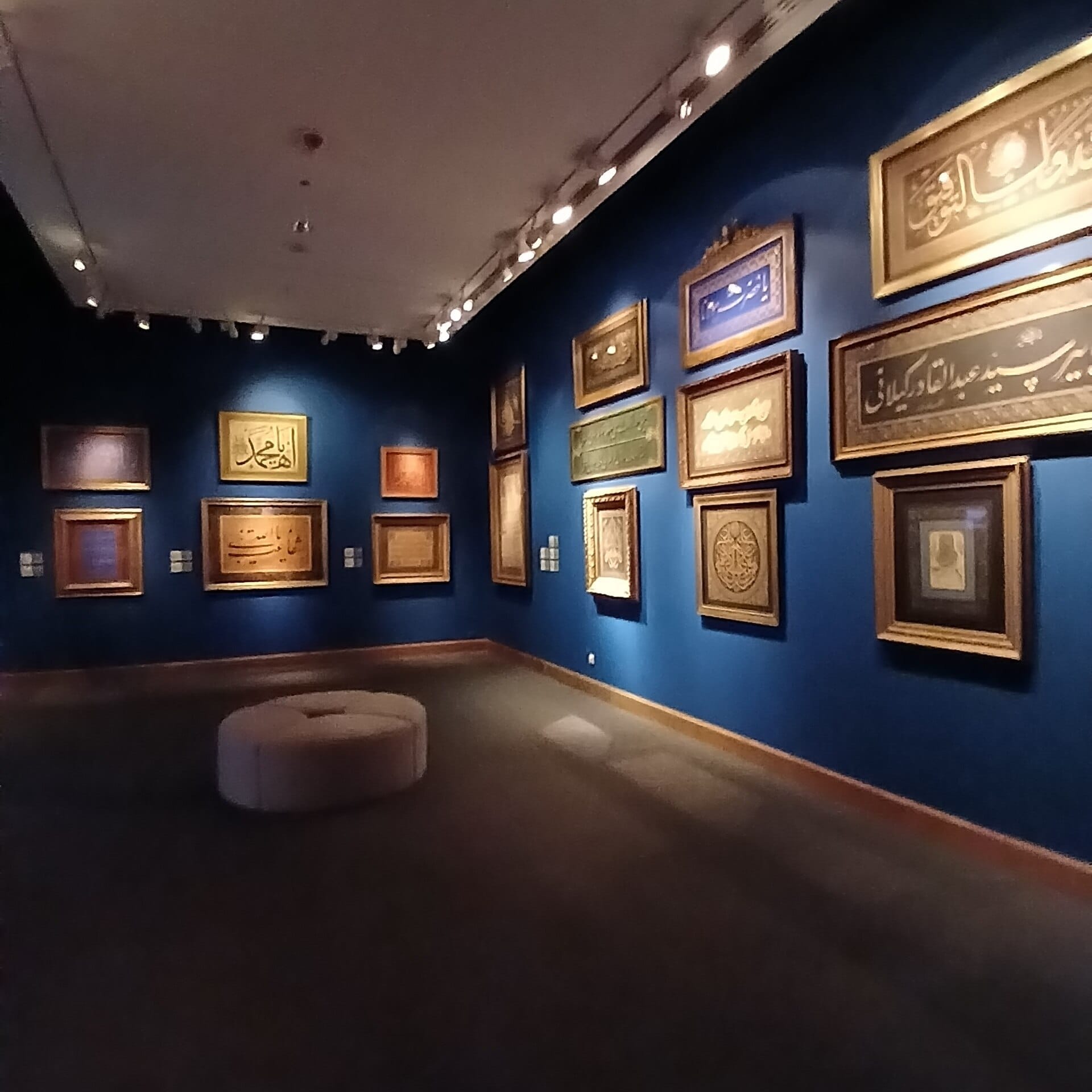
What Is the Sakıp Sabancı Museum?
The Sakıp Sabancı Museum — officially the Sabancı University Sakıp Sabancı Museum — sits on a narrow stretch of the European Bosphorus shoreline in Emirgan, one of the oldest and quietest settlements along the strait. It opened to the public in 2002 after the Sabancı family donated their private mansion, its grounds, and a substantial art collection to Sabancı University in 1998. The result is something unusual: a fully functioning contemporary art institution inside a historic yalı-style complex, where you can stand in front of a 16th-century Ottoman calligraphy panel and look out the window at tankers moving slowly up the Bosphorus.
The museum's core building, the Atlı Köşk (Horse Mansion), dates from the late 1920s. For decades it served as the Sabancı family's private residence on the water. The estate has been expanded over time with a dedicated exhibition wing capable of hosting large-scale international loans — a fact that distinguishes the Sakıp Sabancı Museum from many of Istanbul's smaller private collections.
ℹ️ Good to know
The museum is closed on Mondays. Opening hours are Tuesday through Sunday, 10:00 to 18:00. Hours may shift during special exhibitions, so check the official website before your visit.
The Permanent Collection: Ottoman Calligraphy and Fine Art
The permanent holdings are built around two pillars. The first is one of Turkey's most important private collections of Ottoman calligraphy and manuscripts, assembled over generations by the Sabancı family. Visitors encounter Qurans, imperial firmans, and calligraphic panels spanning several centuries of the Ottoman tradition. The works are displayed in period rooms within the Atlı Köşk, where ornate interiors provide context without overwhelming the objects — the building itself was designed to be lived in, and that domestic quality makes the calligraphy feel personal rather than archival.
The second pillar is a collection of 19th and early 20th-century Turkish painting, covering the transition from Ottoman court aesthetics toward Western-influenced realism and impressionism. Artists such as Osman Hamdi Bey, Halil Paşa, and Şeker Ahmet Paşa are represented, giving visitors a coherent picture of a period in Turkish art history that rarely gets international exposure. For anyone interested in how Ottoman culture absorbed and reinterpreted European artistic influences, this floor of the Atlı Köşk is substantive.
If you plan to visit Istanbul's other major art institutions during your trip, the Sakıp Sabancı Museum pairs naturally with Istanbul Modern, which focuses on contemporary Turkish art and also has a strong Bosphorus-adjacent setting in Karaköy.
Tickets & tours
Hand-picked options from our booking partner. Prices are indicative; availability and final rates are confirmed when you complete your booking.
Bosphorus sunset cruise on luxury yacht with guide
From 55 €Free cancellationIstanbul and Bosphorus cruise on private boat - half day afternoon tour
From 40 €Instant confirmationFree cancellationWhirling Dervishes live show and exhibition
From 29 €Instant confirmationBasilica Cistern fast-track entry ticket and optional audio guide
From 34 €Instant confirmation
Temporary Exhibitions: Istanbul's Most Ambitious Art Venue
The museum's reputation outside Turkey rests largely on its rotating exhibitions, which have included major retrospectives of Picasso, Rodin, Monet, and Dali — loans that would be at home in any European capital. The dedicated exhibition wing, added to complement the historic mansion, provides the climate control and space required to handle internationally significant works. Checking what is on during your visit is not optional: the temporary show can be the reason to visit, or it can be closed between exhibitions, changing the experience considerably.
These shows tend to attract significant local audiences, particularly on weekends. If a major international exhibition is running, Saturday afternoons will be crowded. The mansion's permanent rooms remain accessible during temporary exhibitions, but the entrance queue and the noise level in the main hall will reflect the show's popularity.
💡 Local tip
Check the museum's website a few days before your visit to see what is currently showing. Major international exhibitions sell out or require timed entry — book online if possible.
The Setting: Emirgan and the Bosphorus Waterfront
Emirgan is not a neighborhood that most visitors to Istanbul discover on a first trip, and that is part of what makes the museum worthwhile beyond the art itself. The shoreline here feels residential: fish restaurants with outdoor tables, small tea gardens, plane trees that have been growing since the Ottoman period. The museum gardens slope gently down toward the water, and in the late afternoon the light on the Bosphorus is particularly striking — the strait is broad at this point, with the Asian shore visible in soft focus across the water.
Emirgan is also adjacent to Emirgan Park, one of Istanbul's largest and most historically significant green spaces. The park is famous for its tulip displays in April and remains a pleasant destination year-round. Combining the museum with a walk through the park is a natural half-day itinerary on the upper Bosphorus.
In the morning, before the day's visitors arrive, the museum gardens are quiet enough that you can hear boats on the water. The café inside the complex opens early and serves a reasonable Turkish breakfast. This is not a detail buried in travel blogs — the waterfront terrace on a clear spring morning is genuinely one of the better places to sit in Istanbul.
How to Get There
Emirgan sits roughly 12 to 14 kilometers north of Taksim along the European Bosphorus road (Bosphorus Coastal Road / Rumeli Hisarı direction). There is no metro station within convenient walking distance of the museum. The most practical options are: a taxi or ride-hailing app directly to the museum address (Sakıp Sabancı Cd. No:42, Sarıyer), which takes 20 to 35 minutes from Taksim depending on traffic; or bus routes that run along the Bosphorus from Beşiktaş and stop in Emirgan, from which the museum is a short walk.
Traffic on the Bosphorus coastal road can back up significantly on weekend afternoons, especially in summer. If you are combining the museum with other stops further north along the Bosphorus, plan your timing around midday rather than the late afternoon return. The Istanbulkart works on the bus routes, making public transit an economical option.
For context on navigating the upper Bosphorus more broadly, including the villages and landmarks between Beşiktaş and the Black Sea, the Bosphorus cruise guide covers ferry and road access to this stretch of the European shore.
Photography, Timing, and Weather Considerations
The exterior of the Atlı Köşk photographs well in morning light, when the white facade reflects off the water. Afternoon light moves behind the building. Inside the permanent collection rooms, photography policies vary and tripods are generally not permitted — verify current rules at the entrance. The temporary exhibition wing usually applies stricter no-photography rules when international loans are on display.
Rainy days are not a deterrent here: the museum is predominantly indoor, and the mansion's interior rooms feel warmer and more atmospheric when the Bosphorus is grey and overcast. Winter visits (December to February) mean smaller crowds and the full permanent collection without competition from tour groups. Summer visits (June to August) offer the garden and terrace at their best, but be prepared for larger crowds if an international exhibition is running.
⚠️ What to skip
The museum is closed on Mondays. Many visitors arriving from the Emirgan park side are not aware of this — confirm your visiting day before making the trip up the Bosphorus.
Who Might Not Enjoy This Visit
Travelers primarily interested in Istanbul's Byzantine or Ottoman architectural heritage may find the Sakıp Sabancı Museum tangential to their main interests. The Ottoman calligraphy collection is substantial, but visitors expecting an experience similar to Topkapı Palace or the Archaeological Museums will find the scope here narrower and the atmosphere more gallery-like than historical. The museum is also not particularly suited to very young children unless a specific family exhibition is running.
If your focus is Istanbul's Islamic architectural heritage rather than its art collections, the best mosques guide and the Süleymaniye Mosque are more directly relevant.
Insider Tips
- The museum café's outdoor terrace faces the Bosphorus and is open to non-ticketed visitors during some periods — confirm at the entrance if you want to use the café without paying full admission.
- Combine the visit with a walk through Emirgan Park immediately to the north: the park's network of walking paths, tea gardens, and waterfront views extends the morning into a satisfying half-day on the upper Bosphorus.
- Tuesdays and Wednesday mornings see the lightest visitor numbers. Weekend afternoons during major exhibitions can feel congested in the main hall.
- The permanent collection rooms in the Atlı Köşk are often undervisited even when the temporary exhibition is busy — give yourself time in the mansion itself rather than moving straight to the newer wing.
- If you are visiting in April, the Emirgan Park tulip festival runs concurrently with the spring season — the museum, the park, and the Bosphorus views combine into one of Istanbul's most photographically rewarding half-days of the year.
Who Is Sakıp Sabancı Museum For?
- Art and design travelers who want serious curation beyond the city's historic monuments
- Anyone interested in Ottoman manuscript culture and the history of Turkish painting
- Visitors seeking a quieter, residential Bosphorus experience away from the tourist-heavy waterfront
- Travelers planning a full day on the European Bosphorus, combining the museum with Emirgan Park and nearby villages
- Photography enthusiasts interested in Bosphorus light, garden settings, and historic architecture
Nearby Attractions
Other things to see while in Bosphorus Villages:
- Anadolu Kavağı & Yoros Castle
At the far northern tip of the Bosphorus, where the strait meets the Black Sea, a medieval Byzantine fortress watches over a sleepy fishing village. Yoros Castle is free to enter, rarely crowded, and rewards the uphill walk with one of the most dramatic panoramas in all of Istanbul.
- Arnavutköy
Arnavutköy is a historic neighbourhood on Istanbul's European Bosphorus shore, sitting between Ortaköy and Bebek in the Beşiktaş district. Its wooden Ottoman yalıs, cobblestone backstreets, and working waterfront make it one of the city's most atmospheric places to walk, eat seafood, and slow down.
- Bebek Waterfront
Bebek Waterfront stretches along one of the Bosphorus's most photogenic bays on Istanbul's European shore. Free to enter, open around the clock, and flanked by waterside cafes and 19th-century architecture, it offers a side of Istanbul that belongs to the city's residents as much as its visitors.
- Borusan Contemporary
Borusan Contemporary transforms the historic Perili Köşk mansion in Rumelihisarı into one of Istanbul's most distinctive art spaces. Housed inside Borusan Holding's headquarters, the collection spans video art, digital installations, and works by major Turkish and international contemporary artists.