Port Vell & Maremagnum: Barcelona's Old Port, Honestly Assessed
Port Vell is Barcelona's historic inner harbor, rebuilt for the 1992 Olympics into a waterfront promenade with the Maremagnum shopping and dining complex at its heart. Free to enter and open late, it works best as an evening stroll rather than a destination in itself.
Quick Facts
- Location
- Moll d'Espanya, 5, 08039 Barcelona (Barceloneta/Port Vell)
- Getting There
- Metro L3 Drassanes or L4 Barceloneta; buses 19, 40; 10-min walk from La Rambla via Rambla de Mar bridge
- Time Needed
- 1–2 hours for a casual visit; longer if dining
- Cost
- Free to enter the area and Maremagnum mall; paid public toilets at entrance (first floor free)
- Best for
- Evening waterfront walks, casual dining, families with kids, rainy-day shopping
- Official website
- www.maremagnum.es/en/
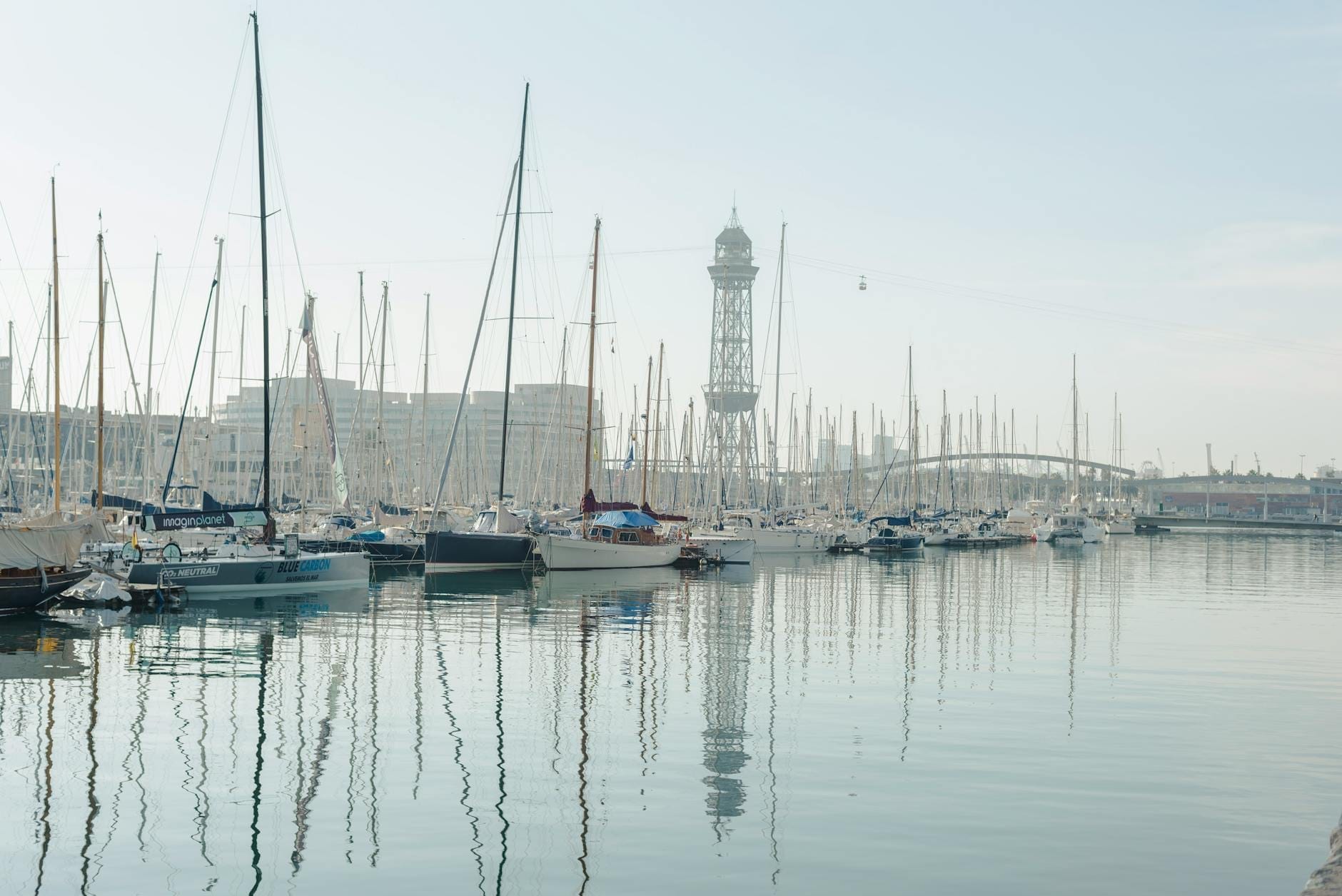
What Port Vell Actually Is
Port Vell, which translates from Catalan as 'Old Port', is the innermost section of Barcelona's vast port complex, sitting at the foot of La Rambla where the city literally meets the sea. For most of the 20th century it was a working industrial dock, largely off-limits to ordinary Barcelonins. The transformation began in 1981 with the opening of the Moll de la Fusta promenade, but the real overhaul came in preparation for the 1992 Summer Olympics, which used the harbor for sailing events and forced a rethinking of Barcelona's entire relationship with its waterfront.
Today Port Vell is a pedestrianized marina lined with luxury yachts, flanked by the Maremagnum complex on one side and the IMAX cinema and Barcelona Aquarium on the other. The Rambla de Mar, a undulating wooden footbridge that swings open periodically to let tall-masted boats through, connects the end of Las Ramblas boulevard to the artificial island of Moll d'Espanya where Maremagnum sits. It is a genuinely pleasant place to be in the late afternoon and evening. It is not, however, a place of deep cultural significance, and travelers who arrive expecting an 'authentic' working port will need to recalibrate.
ℹ️ Good to know
Honest assessment: Port Vell is not Barcelona's most essential attraction. Its real value is as a connector between the city center and the seafront, and as an evening destination when the harbor lights reflect off still water. Daytime visits in peak summer can feel crowded and commercially thin.
The Rambla de Mar: Getting There Is Half the Experience
The walk from the bottom of Las Ramblas to Port Vell crosses the Rambla de Mar, a wooden pontoon bridge with a distinctive wave-shaped profile. The bridge opens to allow boat traffic, so if you arrive and find it swung sideways, simply wait a few minutes. The crossing itself takes under five minutes and offers the first clear sightlines across the inner harbor, with the Columbus Monument (Mirador de Colom) rising behind you and the Barceloneta peninsula stretching to your left.
The bridge's wooden planks give slightly underfoot and smell faintly of salt and treated timber on warm days. In the morning, before the crowds thicken, the harbor is quiet enough that you can hear the gentle knock of boat hulls against their moorings. If you are planning a broader waterfront day, this walk pairs naturally with exploring the Barceloneta neighborhood or continuing south along the promenade toward the city beaches.
Tickets & tours
Live prices and dates from our booking partner. If you book, we may earn a commission at no extra cost to you.
Sunset Sailing Experience with Spanish Tapas and Premium Open Bar
From 69 €Instant confirmationFree cancellationVermouth time and sailing experience in Barcelona
From 36 €Instant confirmationFree cancellationBarcelona sunset sailing experience with live Spanish guitar
From 91 €Instant confirmationFree cancellationSpanish Tapas and Premium Open Bar with Sailing Experience
From 59 €Instant confirmationFree cancellation
Maremagnum: Shopping Mall or Something More?
Maremagnum opened in the mid-1990s on the artificial island of Moll d'Espanya, built into the old dock basin. The building itself is a low-slung, glass-and-steel structure that does not try to compete architecturally with Barcelona's more celebrated buildings. It functions primarily as a shopping mall, with a mix of mid-range Spanish and international retail chains across two floors, and a ground-floor strip of restaurants and bars with terrace seating that overlooks the marina.
Maremagnum is open every day of the year, including public holidays when most of Barcelona's other shops are closed. This makes it disproportionately useful on Christmas Day or Easter Sunday when visitors find the rest of the city shut. The mall opens at 10am and the restaurants operate until 1am, which gives the complex a functional role in the evening economy that goes beyond retail. The terraces fill up properly after 8pm when locals and tourists mix over seafood and cold drinks with unobstructed harbor views.
💡 Local tip
If you are visiting Barcelona on a public holiday and need somewhere open for lunch or shopping, Maremagnum is one of the few reliable options in the city center. Plan accordingly.
How the Experience Changes Through the Day
Morning (9am–12pm)
Early morning at Port Vell belongs to joggers from Barceloneta, dog walkers, and the occasional crew member hosing down the deck of a moored yacht. The Maremagnum terraces are empty, the water is often calm enough to produce mirror-clear reflections of the surrounding buildings, and the light comes in low and gold from the east over the sea. This is the best time for photography: no harsh shadows, no crowds in the foreground, and the Columbus Monument glowing behind you.
Afternoon (12pm–6pm)
Summer afternoons bring significant crowds across the footbridge, particularly on weekends. Tour groups funnel through en route to the Aquarium or Barceloneta beach. The open plaza in front of Maremagnum can feel exposed and hot between noon and 4pm with limited shade. If you arrive during these hours in July or August, head straight to the Maremagnum interior where air conditioning makes browsing genuinely comfortable, or sit at a shaded terrace table and order something cold.
Evening (6pm–Late)
This is when Port Vell earns its place on an itinerary. As the heat drops and the sky shifts through orange and violet before full dark, the harbor promenade becomes one of the more agreeable places in Barcelona to simply walk and be. The Maremagnum restaurant terraces fill with diners, the yacht lights flicker on across the marina, and the crowds thin to a more comfortable level. On clear nights, the reflection of the city in the water and the distant glow of the Barceloneta lighthouse create a scene that requires no particular effort to appreciate.
Historical Context: Why This Place Exists
Barcelona's transformation of its waterfront is one of the most frequently cited examples of Olympic legacy urbanism in Europe. Before 1992, the stretch of coast from La Barceloneta to the Besòs river was dominated by industrial rail yards, factories, and deteriorating dockland infrastructure that cut the city off from the sea. The decision to stage sailing events at Port Vell and beach volleyball at Barceloneta gave city planners the political leverage and the budget to demolish the rail barrier and reconnect the urban grid to the Mediterranean for the first time in over a century.
Port Vell as it stands is a direct product of that investment. The Moll de la Fusta had already opened in 1981 as a tentative first step, but the 1992 games accelerated the complete redevelopment of the inner harbor. The same wave of investment rebuilt the Barceloneta waterfront and created the Vila Olímpica residential district further along the coast. Understanding this history helps make sense of why Port Vell feels planned and purpose-built: because it largely is.
Practical Walkthrough: What to Do Here
Cross the Rambla de Mar footbridge from the bottom of Las Ramblas. Walk to the left along the water's edge of Moll d'Espanya for views back toward the city and the Columbus Monument. Enter Maremagnum for a look around or to use the facilities. If the Barcelona Aquarium is on your list, the entrance is within the same complex and suits families with children well. The IMAX cinema is also here for rain emergencies.
For a longer waterfront walk, continue past the marina along the Passeig de Joan de Borbó into Barceloneta itself, where the density of seafood restaurants increases and the atmosphere becomes noticeably more neighborhood-oriented. Alternatively, the Mirador de Colom at the base of Las Ramblas offers a lift to an observation platform with panoramic views over the entire port area and is worth ten minutes of your time before or after visiting Port Vell.
Travelers with more time in Barcelona might use Port Vell as an anchor point for a broader waterfront afternoon, pairing it with a swim at Barceloneta beach or an evening meal in the surrounding neighborhood before heading back into the city via the Gothic Quarter.
⚠️ What to skip
Pickpocketing is reported in the Port Vell area, particularly on the Rambla de Mar footbridge during peak hours. Keep bags zipped and in front of you. Do not leave belongings unattended on terrace chairs.
Photography Tips and Accessibility
The best photography positions at Port Vell are from the outer edges of Moll d'Espanya looking back toward the city: you get the Columbus Monument, the end of Las Ramblas, and the old Drassanes shipyard building all in a single frame. A wide-angle lens or phone camera works well here. At night, a tripod or a steady surface is useful for capturing the long exposures that make harbor reflections sing.
The wooden pontoon surfaces of the Rambla de Mar and the Moll d'Espanya terraces are flat and walkable, though the gaps between planks may be an issue for certain wheelchair configurations or narrow wheels. The Maremagnum interior has lifts between floors. Visitors with significant mobility needs should note that the footbridge crossing itself is the main potential obstacle; the alternative is a longer route around the marina perimeter on paved surfaces.
Insider Tips
- The Rambla de Mar footbridge opens periodically to allow boat traffic. If it is swung out when you arrive, wait two to five minutes rather than backtracking. It is worth seeing it in motion.
- Maremagnum is open every day including Christmas and Easter Sunday, which is unusual for Barcelona. If you are visiting on a public holiday and need shops or restaurants, this is one of the few reliable options near the city center.
- For the clearest harbor reflections in photos, come on a weekday morning before 9am when wind is minimal and boat traffic has not yet disturbed the water surface.
- The first-floor public toilets inside Maremagnum are free. The paid facilities at the mall entrance charge around €1. Most visitors do not know about the free option.
- If you are eating in the area, the restaurants on the Passeig de Joan de Borbó in Barceloneta generally offer better value and more locally-oriented menus than the Maremagnum terraces, which skew toward tourist pricing.
Who Is Port Vell & Maremagnum For?
- Evening strollers who want harbor atmosphere without committing to a full attraction
- Families with young children visiting the Barcelona Aquarium in the same complex
- Visitors in Barcelona on public holidays when most other shops are closed
- Photographers looking for golden-hour and blue-hour harbor shots with the Columbus Monument in frame
- Travelers using it as a starting point for a longer coastal walk toward Barceloneta beach
Nearby Attractions
Other things to see while in Barceloneta & the Waterfront:
- Barcelona Aquarium
L'Aquàrium de Barcelona occupies the Port Vell waterfront and holds one of Europe's most impressive collections of Mediterranean marine life. With 35 tanks, 11,000 animals across 451 species, and an 80-metre underwater tunnel through a 3.7-million-litre oceanarium, it offers a genuinely immersive experience. The key is knowing when to arrive and what to prioritise.
- Barceloneta Beach
Platja de la Barceloneta is Barcelona's closest and most frequented beach, stretching over 1,100 metres along the Mediterranean coast. Free to access year-round, it combines city convenience with genuine sea air, public art, and a beach culture that runs from early morning swimmers to late-night volleyballers.
- Mirador de Colom
Standing at the foot of Las Ramblas where the city meets the sea, the Mirador de Colom lifts visitors 60 metres above street level inside a 19th-century iron column. The viewing platform offers a rare low-altitude panorama that takes in the port, the Gothic Quarter rooftops, and the Eixample grid in a single sweep.
Planning a trip? Discover personalized activities with the Nomado app.