Museum of the Moving Image: Astoria's Unmissable Deep Dive into Film and Television
The Museum of the Moving Image in Astoria, Queens is the only museum in the United States dedicated to the art, history, technology, and social impact of film, television, and digital media. Housed on the grounds of the historic Kaufman Astoria Studios, it rewards curious visitors with hands-on exhibits, rare artifacts, and serious film screenings — not a theme park experience, but a genuinely substantive cultural institution.
Quick Facts
- Location
- 36-01 35th Ave., Astoria, Queens, NY 11106
- Getting There
- M/R subway to Steinway St; N/W subway to 36th Ave; multiple MTA bus routes serve the area — verify current routes with the MTA before travel
- Time Needed
- 2 to 3 hours minimum; add time for screenings
- Cost
- Paid admission; discounts available for students, seniors, and children — check official site for current prices
- Best for
- Film enthusiasts, design fans, curious families, media professionals
- Official website
- movingimage.us
What the Museum of the Moving Image Actually Is
The Museum of the Moving Image, known informally as MoMI, is the only institution in the United States whose entire mission is dedicated to the art, technology, and social impact of film, television, and digital media. That description sounds broad, but the museum earns it. This is not a collection of movie posters and Hollywood memorabilia. It is a serious, carefully curated space that covers the full range of moving image culture, from early cinema technology to contemporary video games and streaming platforms.
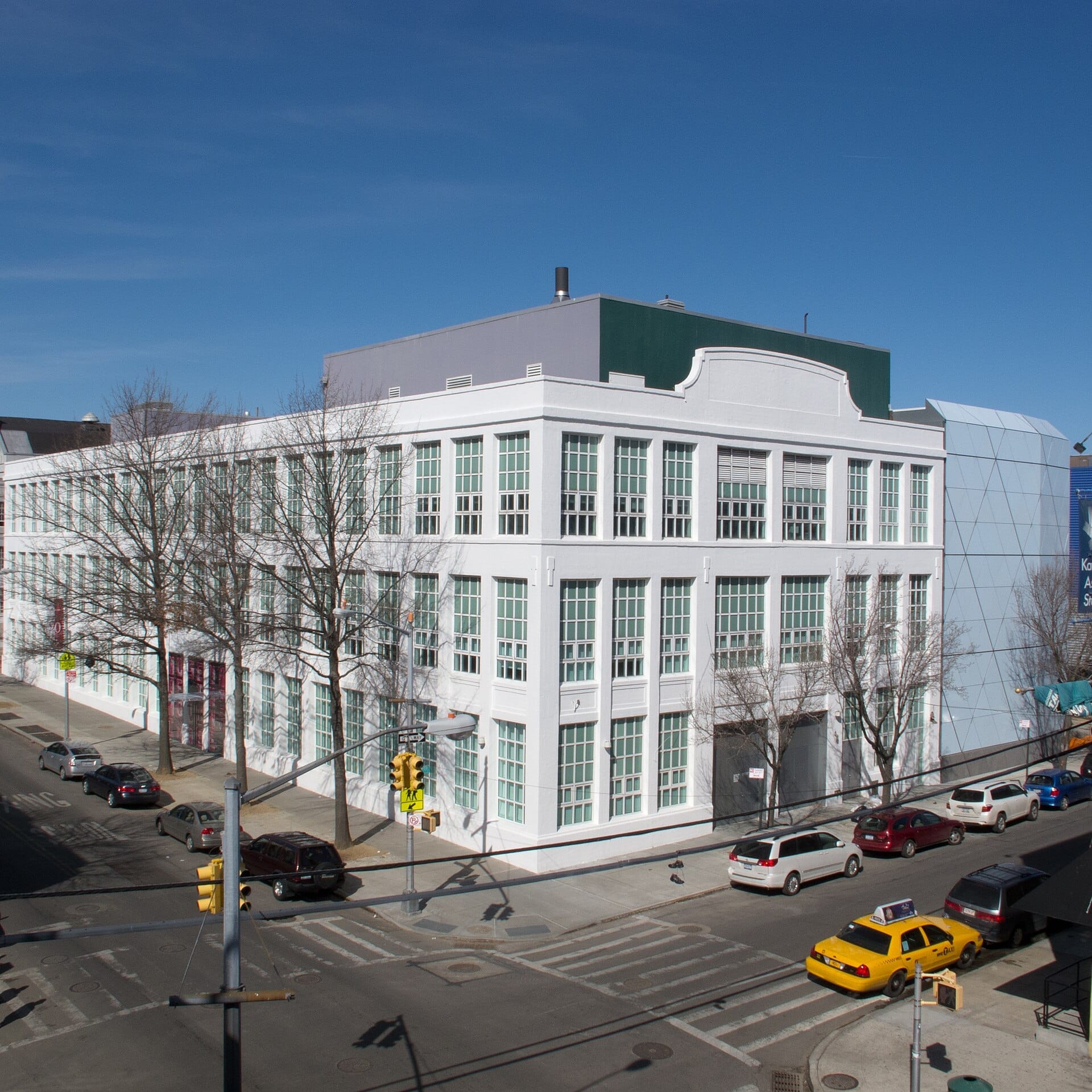
The museum sits on the grounds of Kaufman Astoria Studios, one of the oldest working film studios in the country and historically significant as the site where Paramount Pictures produced films in the 1920s. That context matters. You are not visiting a freestanding cultural outpost. You are visiting a working part of New York City's film ecosystem, and that history permeates the building.
MoMI originally opened in 1988 as the American Museum of the Moving Image. Its landmark permanent exhibition, "Behind the Screen," was unveiled in 1996 and designed by architect Ali Höcek. The museum underwent a significant expansion and renovation completed in 2011, which added new gallery space and transformed it into the facility visitors experience today. For anyone building a broader itinerary around New York City's cultural institutions, the best museums in New York City guide puts MoMI in context alongside the city's other major collections.
ℹ️ Good to know
MoMI is open Thursday through Sunday. Hours vary and may shift for special events — always confirm on the official website before your visit.
Behind the Screen: The Permanent Collection
The core of any visit is the permanent exhibition called "Behind the Screen," which occupies multiple levels and covers the full lifecycle of a moving image work, from the earliest projection technologies to contemporary digital production. The exhibition does not flatter visitors. It assumes you are genuinely curious and treats that curiosity with depth.
The collection includes more than 130,000 artifacts: costumes, production equipment, fan merchandise, posters, animation cels, and technical apparatus from throughout film and television history. What makes the display unusual is how it integrates objects with explanatory context. A vintage editing table is not just displayed behind glass. Its function within the production process is explained in a way that reframes how you think about the films you have already seen.
Interactive stations are threaded throughout the galleries, and these are genuinely engaging rather than token gestures toward hands-on learning. Visitors can experiment with dubbing, add sound effects to a scene, or manipulate animation frames. Families with older children (roughly ages 8 and up) tend to spend a long time at these stations. Younger children may find the content too conceptually dense to hold their attention across the full exhibition, though the interactive elements help.
Tickets & tours
Hand-picked options from our booking partner. Prices are indicative; availability and final rates are confirmed when you complete your booking.
Statue of Liberty, Ellis Island, and Brooklyn Bridge Happy Hour Cruise
From 49 €Instant confirmationFree cancellationSpirit of New York Dinner Cruise
From 161 €Instant confirmationFree cancellationNew York City Highlights bike tour
From 70 €Instant confirmationFree cancellationNew York Statue of Liberty and Ellis Island tour by ferry
From 55 €Instant confirmation
The Tut's Fever Movie Palace and Screening Programs
Within the museum is Tut's Fever Movie Palace, a recreation of a vintage movie theater complete with period-appropriate decor and a deliberately kitschy, lovingly assembled aesthetic. The name and visual style reference the Egyptian Revival architecture that was fashionable in early cinema design, and the theater functions as a working screening room as much as an exhibit in itself.
MoMI programs a serious film series that runs throughout the year, covering retrospectives, international cinema, documentary work, and contemporary releases. These screenings are not add-ons to the museum experience. For many regular visitors, they are the primary reason to come. The programming is curated with genuine critical seriousness and often focuses on directors, movements, or themes that do not get wide theatrical distribution in New York.
If your visit coincides with a scheduled screening, check the calendar in advance. A ticket to the museum often includes the screening, but policies vary. The combination of the exhibition and a film in Tut's Fever can easily stretch a visit to four or five hours, and that is time well spent.
The Physical Experience: What You Notice on the Ground
The building itself is worth a moment of attention. The 2011 expansion added a striking facade of translucent blue tiles that glow differently depending on the light, bright and almost aquatic in midday sun, cooler and more understated in the late afternoon. The entrance area is spacious, with good natural light, and the museum does not feel crowded even on busy weekend afternoons.
Inside, the galleries are carefully climate-controlled, which matters for the preservation of film and photographic materials on display. The lighting in the exhibition spaces is deliberately low in some areas, especially near screens and projection equipment, so your eyes adjust as you move through. The overall effect is immersive rather than clinical, closer to the experience of being in a cinema than of being in a conventional gallery.
There is a cafe on site and a well-stocked museum shop. The shop, unusually, is worth browsing. It stocks film-related books, design objects, and memorabilia with curatorial judgment rather than the generic gift-shop approach. Weekend mornings are the quietest time to visit, before tour groups and family outings arrive around midday.
💡 Local tip
Arrive at opening time on a Thursday or Friday for the most relaxed experience. Weekend afternoons are noticeably busier, particularly when a popular screening is scheduled.
Getting to Astoria: Transit and Neighborhood Context
Astoria is accessible from Midtown Manhattan in about 20 to 25 minutes by subway. The M and R lines stop at Steinway Street, and the N and W lines stop at 36th Avenue, both within a reasonable walk of the museum. Astoria itself is a neighborhood worth spending extra time in. It has one of the most diverse restaurant corridors in Queens, with Greek, Egyptian, and South Asian options all within a few blocks. The Astoria and Long Island City neighborhood has become a destination in its own right over the past decade, and combining a museum visit with a meal or a walk through the area makes for a well-rounded half-day or full-day outing.
Drivers should note that street parking in Astoria is possible but competitive on weekends. If you are coming by car, allow extra time. The museum is fully wheelchair accessible, and the subway stations in the immediate vicinity have elevator access, though this should be confirmed with the MTA before travel as service can change.
For visitors combining MoMI with other Queens attractions, MoMA PS1 is located in nearby Long Island City and represents a natural pairing for a day focused on contemporary culture and media.
Honest Assessment: Who Will Love It and Who Should Look Elsewhere
MoMI is genuinely excellent for people who care about film and media history, or who want to understand how movies and television are actually made. The depth of the collection and the quality of the programming set it apart from most museum experiences in New York City. It is also a strong option for older children and teenagers who have an interest in technology, storytelling, or design.
It is not the right choice for visitors looking for a quick cultural stop on a packed sightseeing itinerary. The exhibition rewards slow attention, not a forty-minute walkthrough. Travelers who are visiting New York for the first time and prioritizing iconic attractions may find the outer-borough trip a commitment that does not fit their schedule. There is nothing wrong with that assessment. This museum is for people who specifically want what it offers, and for those people, it delivers at a high level.
First-time visitors to New York City focused on core Manhattan sightseeing might benefit from the first-time visitor guide to New York City before deciding how to allocate their time across the boroughs.
⚠️ What to skip
The museum is only open Thursday through Sunday. If you are visiting mid-week, plan accordingly. Do not arrive without checking current hours on the official website, as holiday schedules and special events can affect access.
Insider Tips
- Check the film screening calendar before you buy tickets. Many admission tickets include access to scheduled screenings, and a curated retrospective program adds significant value to the visit at no extra cost.
- The museum shop is particularly strong on cinema-related books and design publications. It is smaller than the shops at major Manhattan museums but more focused and worth 15 minutes of browsing.
- Combine your visit with a meal in Astoria rather than eating at the museum cafe alone. The neighborhood around Steinway Street has one of the most concentrated stretches of international restaurants in New York City, and the area is genuinely undervisited by tourists.
- Thursday evenings tend to draw a more adult, film-literate crowd, especially when screenings are scheduled. The atmosphere is noticeably different from busy weekend family visits, and the galleries are calmer.
- If you are traveling with children who are interested in animation or game design specifically, tell staff at the entrance. There are targeted programs and interactive stations aimed at younger visitors, and staff can help orient you toward the most relevant sections efficiently.
Who Is Museum of the Moving Image For?
- Film and television enthusiasts who want historical depth and critical context, not just memorabilia
- Design and media professionals interested in the technical history of moving image production
- Families with older children (8 and up) who enjoy interactive, hands-on learning experiences
- Independent travelers building an itinerary around Queens culture and neighborhood exploration
- Cinephiles who want access to serious repertory film screenings in an unusual venue
Nearby Attractions
Other things to see while in Astoria & Long Island City:
- Gantry Plaza State Park
Gantry Plaza State Park sits on the East River waterfront in Long Island City, Queens, offering some of the most dramatic unobstructed views of the Midtown Manhattan skyline in the city. Spread across roughly 12 acres on the site of a former industrial dockyard, the park combines landscaped lawns, jutting piers, and a pair of restored 1920s rail gantries into a space that feels genuinely rewarding at any hour. Admission is free.
- MoMA PS1
MoMA PS1 occupies a converted 19th-century public school in Long Island City, Queens, and has been one of New York City's most adventurous contemporary art institutions since 1971. Admission is currently free, the programming is consistently challenging, and the trip from Midtown takes under 15 minutes by subway.