Fremantle Prison: Inside Western Australia's Most Formidable Convict Site
Fremantle Prison is one of Australia's most significant convict-era landmarks, a UNESCO World Heritage Site that operated as a place of incarceration for almost 140 years, closing in 1991. Whether you join the daytime cell-block tour or descend into the underground tunnels, the scale and weight of this place stays with you long after you leave.
Quick Facts
- Location
- 1 The Terrace, Fremantle WA 6160 (Whadjuk Noongar Country)
- Getting There
- Fremantle train station is nearby; check the official visitor page for current parking information
- Time Needed
- 1.5–3 hours depending on tour chosen
- Cost
- Gatehouse free; tours from A$15 child / A$25 adult (prices valid to June 2027)
- Best for
- History lovers, architecture fans, anyone curious about colonial-era Australia
- Official website
- fremantleprison.com.au
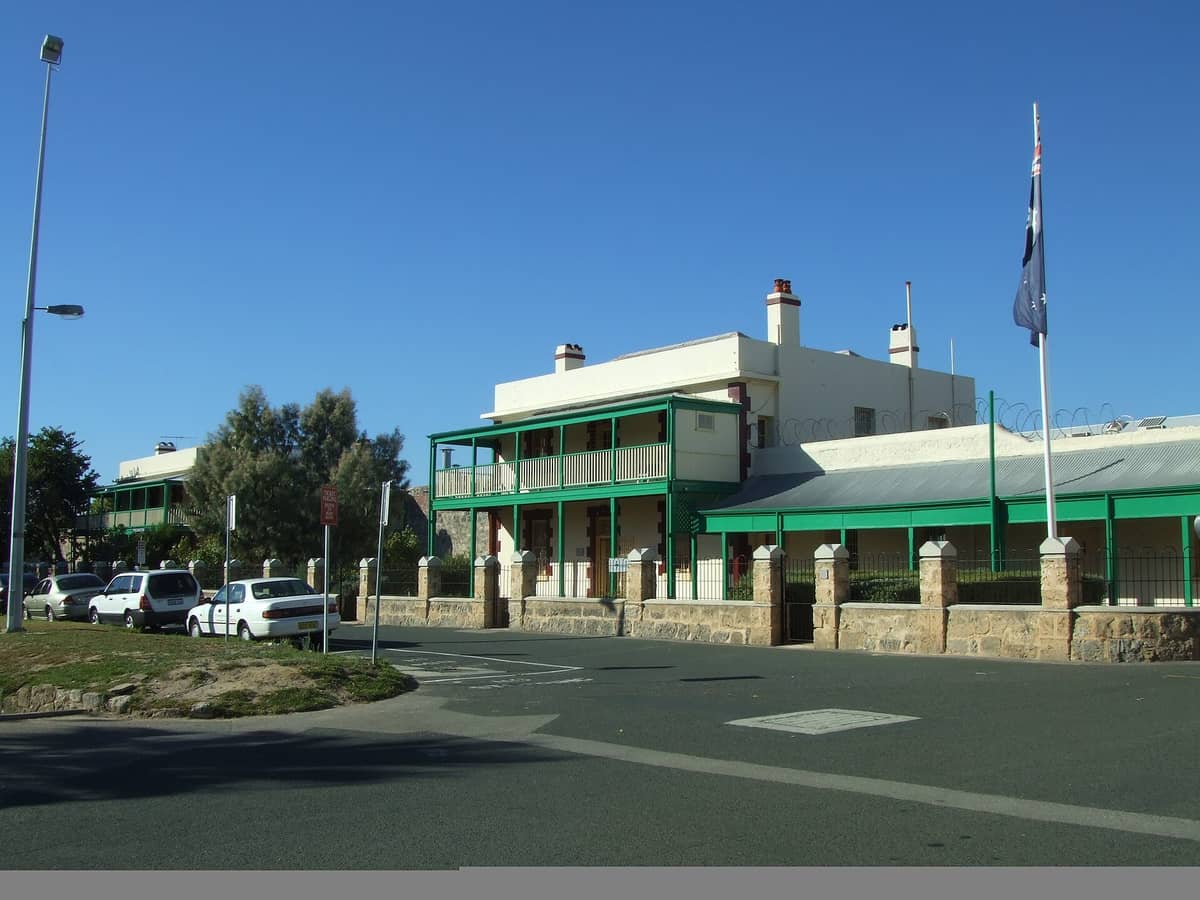
What Fremantle Prison Actually Is
Fremantle Prison is a fully intact convict-built penitentiary that operated continuously from 1855 to 1991, making it one of the longest-running prisons in Australian history. The Main Cell Block, built in two stages between 1852 and 1857, is a mass of locally quarried limestone that still radiates institutional severity. It sits on Whadjuk Noongar Country in the heart of Fremantle, and its presence dominates the surrounding streetscape in a way that photographs undersell.
In 2010, Fremantle Prison was inscribed on the UNESCO World Heritage List as part of the Australian Convict Sites group, recognising it as an outstanding example of the British Empire's large-scale use of convict labour. Construction began in 1852, with convict labourers quarrying and laying the same limestone you walk past today. It closed as a working prison in 1991 and opened to the public as a heritage attraction in 1992.
ℹ️ Good to know
The Gatehouse complex (including the Visitor Centre, Convict Depot and Gift Shop) is free to enter and open daily 9:00 am–5:00 pm, closed Good Friday and Christmas Day. The Prison Gallery and Café are currently closed for renovations. All access beyond the Gatehouse requires a guided tour ticket.
The Tours: What Each One Delivers
Fremantle Prison organises its visitor experience almost entirely around guided tours, which is not a gimmick: the site's locked doors, upper galleries, and underground infrastructure genuinely cannot be understood without context. Each tour has a different emphasis and atmosphere, so choosing the right one matters.
Convict Prison Tour (standard daytime tour)
The Convict Prison Tour is the entry-level option and the right choice for first-time visitors. It covers the main cell block, the punishment cells, the gallows where the last execution in Western Australia took place in 1964, and several thematic exhibition spaces. The pace is measured, guides are knowledgeable, and the cell-block scale hits you in a way you don't fully anticipate from outside. Standard adult pricing is A$25; concession and group rates apply at A$22; children pay A$15, with a family pass at A$73. Prices are listed as valid through 30 June 2027.
Tunnels Tour
This tour descends into the convict-built limestone tunnels beneath the prison, using a vertical ladder system to explore the underground passages. It requires more physical agility and involves low ceilings; it is not suitable for those with claustrophobia or mobility limitations. It runs at a premium price above the standard tour. Check the official site for departure times and availability, as it books out.
⚠️ What to skip
The Tunnels Tour is not wheelchair accessible. Upper cell-block levels are also inaccessible by wheelchair, though the galleries, shop, café, grounds and Commissariat basement (via lift) can all be reached. Two wheelchairs are available to borrow on-site, subject to availability.
Torchlight and Paranormal Tours
Evening tours run on selected dates and are marketed toward those interested in the prison's darker history. The Torchlight Tour covers the same physical spaces as the daytime tour but in near-darkness with a handheld torch, which does change the sensory experience considerably. Paranormal tours lean further into ghost-hunting territory and suit a particular audience. Neither of these should be the primary reason to visit if your interest is history rather than entertainment.
Tickets & tours
Live prices and dates from our booking partner. If you book, we may earn a commission at no extra cost to you.
Perth and Fremantle Guided Tour and Swan River Cruise
From 110 €Instant confirmationFree cancellationPerth and Fremantle Tour in German with Hotel Pickup
From 84 €Instant confirmationFree cancellationPerth, Fremantle, Rottnest Island, and Swan River Guided Tour
From 166 €Instant confirmationFree cancellationPerth and Fremantle Guided Tour with Hotel Pickup
From 84 €Instant confirmationFree cancellation
What the Experience Actually Feels Like
Walking through the main cell block for the first time is disorienting in a specific way. The corridor is long enough that you cannot see the far end clearly when you enter. The cells are small, around 1.8 by 2.7 metres, and the limestone walls carry over 130 years of markings, paint layers, and moisture. The smell is particular: old stone, residual damp, and the faint industrial staleness of a building that housed thousands of people over more than a century.
Morning visits, roughly between 9:30 and 11:00 am, tend to draw smaller groups and give you more time with guides. By early afternoon, especially on weekends and during school holiday periods, tour groups can be larger and the cell block becomes noticeably busier. If you're visiting as a photographer, morning light enters the upper cell-block windows at an angle that illuminates the landings well; by midday that contrast flattens.
The punishment cell area, sometimes called the 'dark cells', is one of the more affecting parts of the tour regardless of season or crowd size. These were isolation cells with no natural light. The guides typically spend time here discussing solitary confinement practices over different eras, and the shift in atmosphere from the main wing is palpable.
Historical and Cultural Context
Fremantle Prison was built between 1852 and 1859, primarily by convicts transported from Britain as part of the penal colony system. Western Australia received convict transportation from 1850 to address the colony’s need for labour. The prison was the most significant structure they built.
Over its 136 years of operation, the prison held transported convicts, colonial-era prisoners, prisoners of war during World War II, and eventually state-sentenced criminals under the modern Western Australian corrections system. It has been the site of multiple riots, escapes, and executions. The last hanging in Western Australia, that of Eric Edgar Cooke in 1964, took place here. The site sits within the Fremantle area listed on the State Heritage register, and its World Heritage inscription places it alongside other Australian convict sites in Tasmania, New South Wales, and Norfolk Island.
The prison is central to understanding Fremantle as a city. The port town's character, its working-class history and its relationship with authority, is bound up with this building. If you're spending more than half a day in the area, see theFremantle Markets and the WA Maritime Museum on the same day to get a more complete picture of the port city's layers.
Getting There and Practical Planning
The prison's address is 1 The Terrace, Fremantle. Fremantle train station is the nearest station; check the Transperth journey planner for current public-transport details.
If you're driving, check the official visitor page for current parking information. Check the Transperth journey planner before you go, particularly for weekend and public holiday timetables. For broader advice on getting around Perth, thegetting around Perth guide covers Transperth routes and practical transport options.
💡 Local tip
Book your chosen tour online before you arrive, especially for the Tunnels Tour or any evening session. Daytime standard tours are more likely to have walk-up availability, but pre-booking means you choose your departure time rather than waiting for the next available slot.
There's no significant dress code, but comfortable shoes matter: the cell block floors are hard stone, and the tunnels require footwear that can handle moisture. In summer, the limestone walls retain heat from midday onward; bring water. In winter, the interior is noticeably cooler than outside, so a light layer is useful.
Who Should Reconsider
If you're visiting Fremantle on a short stop, say two to three hours in the city as part of a day trip from Perth, the prison tour will consume most of that time. That's a reasonable trade-off if history is your priority, but not if you want to cover the waterfront, markets, and cafe strip. The standard daytime prison tour runs around 90 minutes; accounting for arrival, queuing, and time in the free gatehouse area, budget closer to two hours.
Families with children under six or seven may find the subject matter handled by guides too adult in tone, though the building itself is engaging to younger visitors at a sensory level. The evening and paranormal tours are not recommended for children. People with significant claustrophobia should skip the Tunnels Tour specifically; the standard cell-block tour does not carry the same concern.
For a broader sense of what else Fremantle holds before you commit your afternoon to the prison, the Fremantle day trip guide outlines how to sequence the city's main sites.
Photography Notes
The cell block photographs well in the early part of the day when light angles down through the upper windows. A wide-angle lens captures the corridor scale better than a phone camera at normal focal length, though modern phone cameras handle the low-light interior reasonably well if you stay steady. Flash is not permitted on tours. The exterior limestone walls and gate photograph cleanly in overcast conditions, which soften the harsh contrast you get in direct midday sun.
The grounds visible from the gatehouse, including the original perimeter wall and the yard areas, are worth spending time in before or after your tour. These are accessible without a tour ticket during gatehouse opening hours.
Insider Tips
- The standard daytime prison tour departs multiple times daily; the first departure of the day typically has the smallest group size and the most time for questions with your guide.
- The free Gatehouse area includes the Visitor Centre and Convict Depot; check the official site for current exhibition access before planning a visit.
- If you're deciding between the standard tour and the Tunnels Tour, consider that the tunnels are a separate, additional experience rather than a replacement. Some visitors do both on the same day.
- The on-site café is currently closed for renovations; Fremantle's High Street and South Terrace cafe strip, a few minutes' walk away, offers alternatives if you want a meal.
- Evening Torchlight Tour tickets sell out weeks ahead on popular dates, particularly in school holidays and around winter when the sessions start earlier. Book well in advance if that's your goal.
Who Is Fremantle Prison For?
- History and heritage travellers who want depth over spectacle
- Architecture and built-environment enthusiasts interested in colonial-era limestone construction
- Travellers exploring Fremantle for a full day and looking for an anchor attraction
- Adults and older teenagers with a genuine interest in Australian social and penal history
- Photographers working on Australian heritage or documentary projects
Nearby Attractions
Other things to see while in Fremantle:
- Bathers Beach
Tucked against Fremantle's heritage-listed West End, Bathers Beach is a 300-metre stretch of white sand where the Indian Ocean meets one of Australia's most storied port cities. Free to enter, easy to reach, and genuinely useful for a salt-aired half-day break — but it rewards those who understand its rhythms.
- Fremantle Arts Centre
Housed in one of Western Australia's most striking Gothic heritage buildings, Walyalup Fremantle Arts Centre is a working arts hub with free gallery admission, a courtyard café, craft studios, and a well-regarded live music program. It's a rare place where serious cultural programming meets an accessible, unhurried atmosphere.
- Fremantle Fishing Boat Harbour
Fremantle Fishing Boat Harbour is a working maritime precinct on Mews Road that doubles as one of Perth's most enjoyable spots to eat fish and chips by the water. Active trawlers, resident pelicans, and a string of seafood restaurants make it a practical and atmospheric stop when exploring Fremantle.
- Fremantle Markets
Occupying a restored 1897 heritage hall in the heart of Fremantle, the Fremantle Markets run every Friday through Sunday with free entry. More than 170 stalls sell fresh produce, handmade crafts, street food, vintage clothing, and artisan goods under one ornate roof.
Planning a trip? Discover personalized activities with the Nomado app.