Phu Quoc Island Hopping Guide: The An Thoi Archipelago
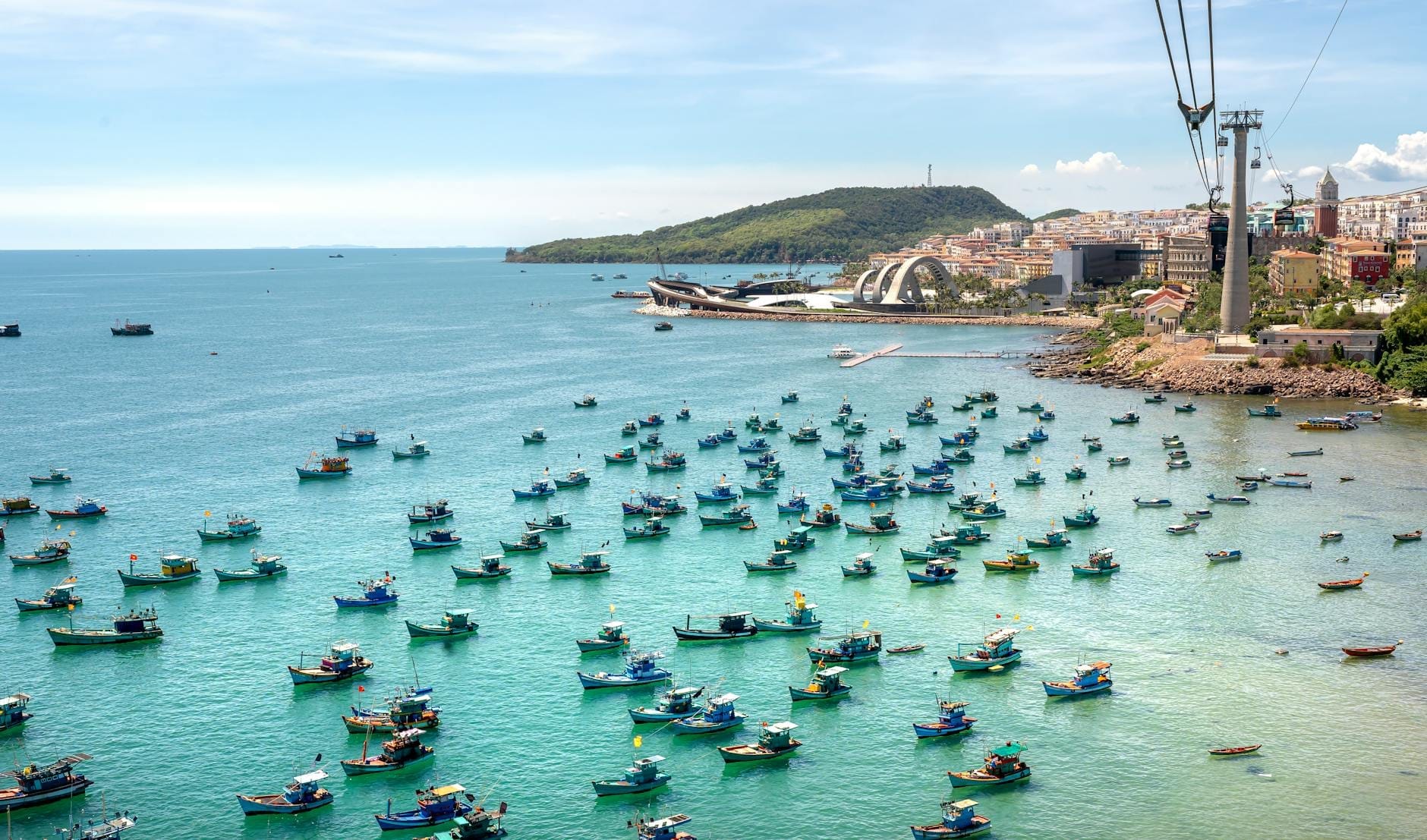
The An Thoi archipelago sits south of Phu Quoc and contains around 20 small islands in the Gulf of Thailand. Day tours depart from An Thoi pier and visit several islands for snorkeling, swimming, and lunch. This guide covers what to expect, how to choose a tour, and the best conditions for going.
Tickets & tours
Live prices and dates from our booking partner. If you book, we may earn a commission at no extra cost to you.
TL;DR
- Island hopping trips depart from An Thoi pier in the south of Phu Quoc and visit several small islands in the An Thoi archipelago.
- The most visited stops are Gam Ghi (coral reefs and snorkeling), May Rut (white sand beach), and Fingernail Island (Hon Mong Tay).
- Group tours are significantly cheaper than private speedboat charters. Both are available from An Thoi.
- This is a dry-season activity. Wet-season sea conditions make the trip uncomfortable or impossible, and operators regularly cancel departures in rough weather.
- Snorkeling conditions vary by site and season. Coral coverage exists but is not pristine reef. Adjust expectations accordingly.
The An Thoi Archipelago
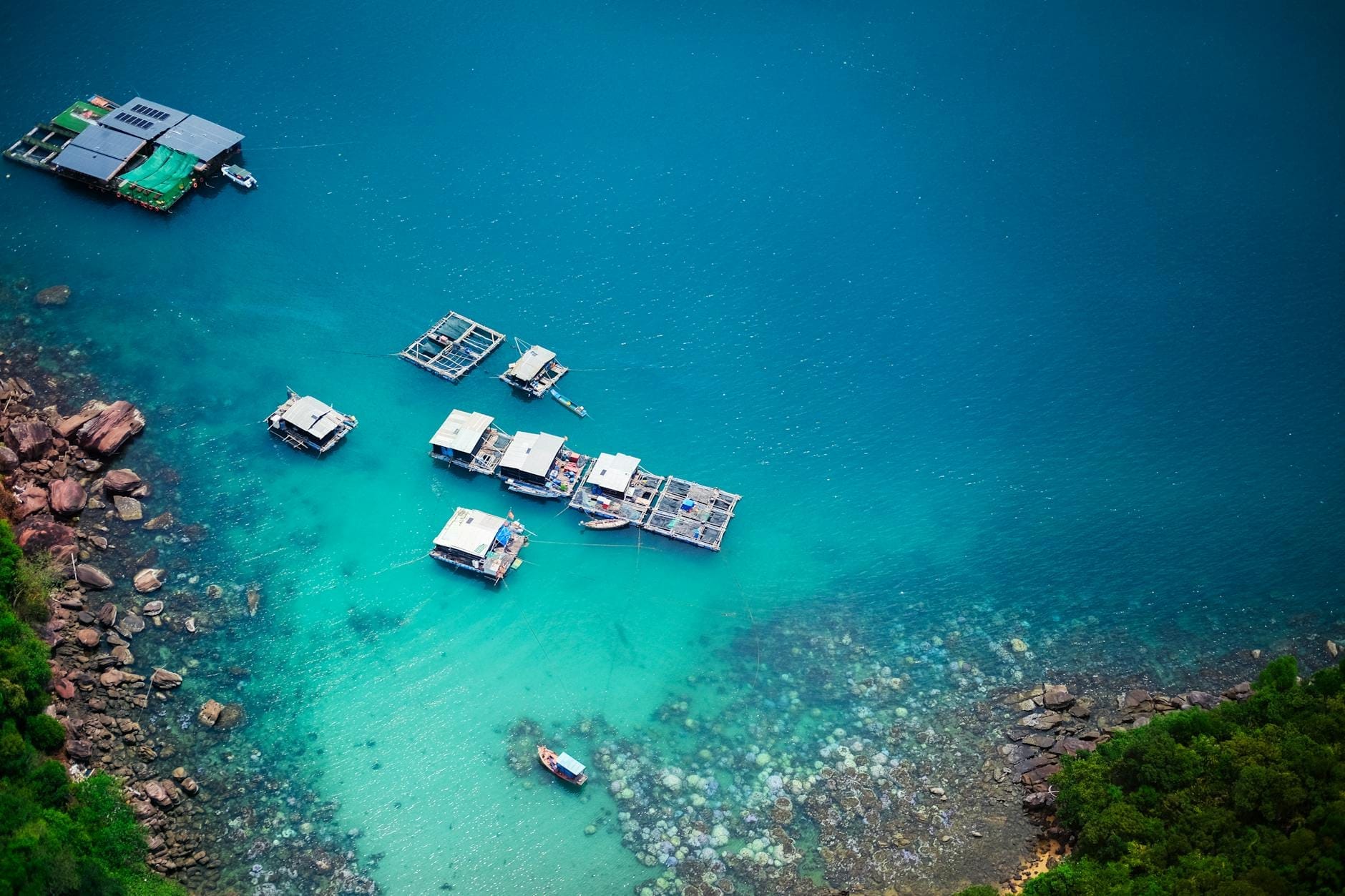
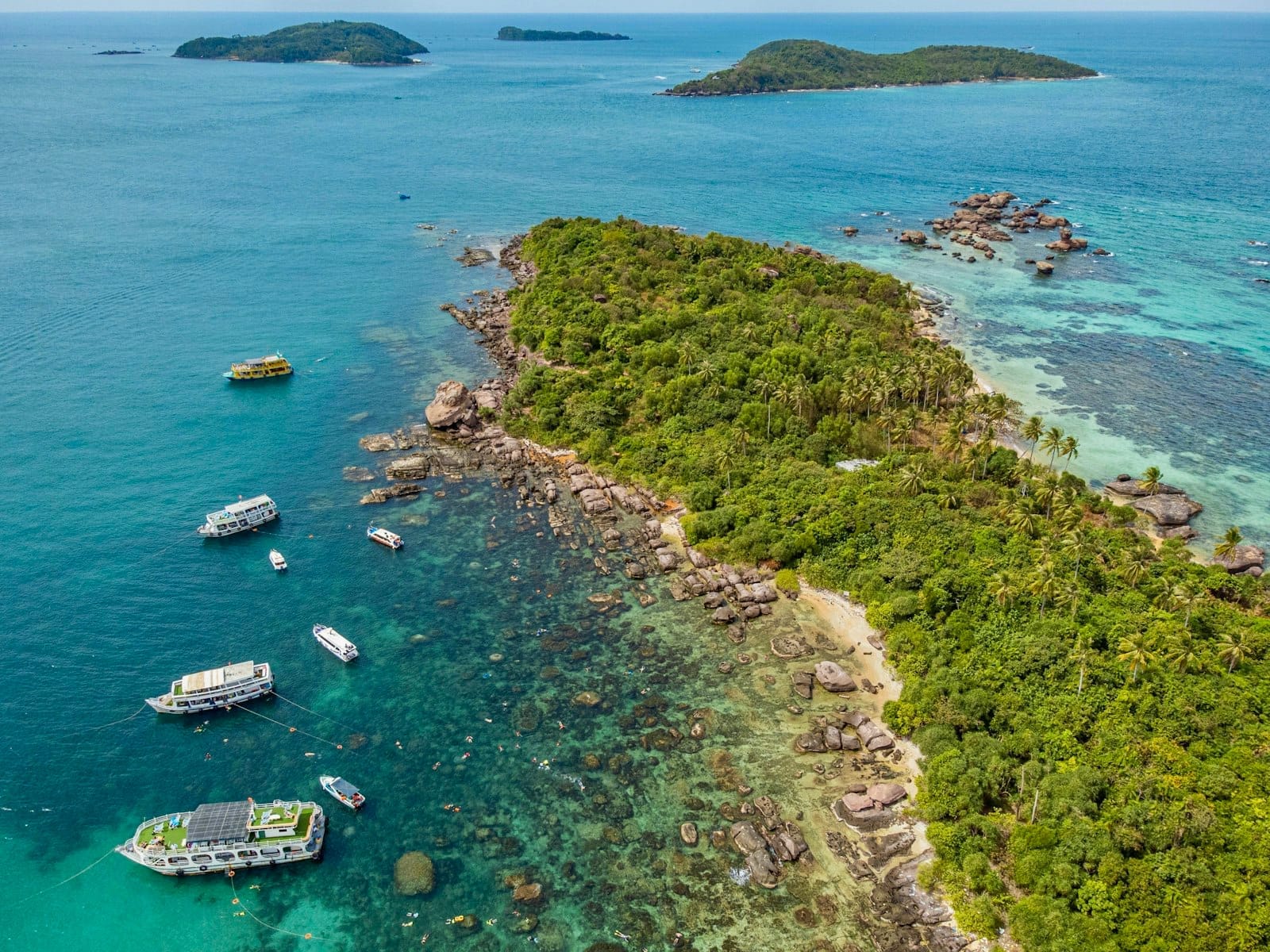
The An Thoi archipelago is a group of roughly 20 small islands scattered in the Gulf of Thailand south of Phu Quoc's southern tip. Most are uninhabited or home to small fishing communities. The islands range from rocky outcrops with forested interiors to flat sandy spits with clear shallow water around them. The nearest are within a few kilometres of the mainland coast; the furthest are a longer boat ride out. Day tours from An Thoi pier typically visit three or four islands in a single day, combining snorkeling stops with a beach break and lunch.
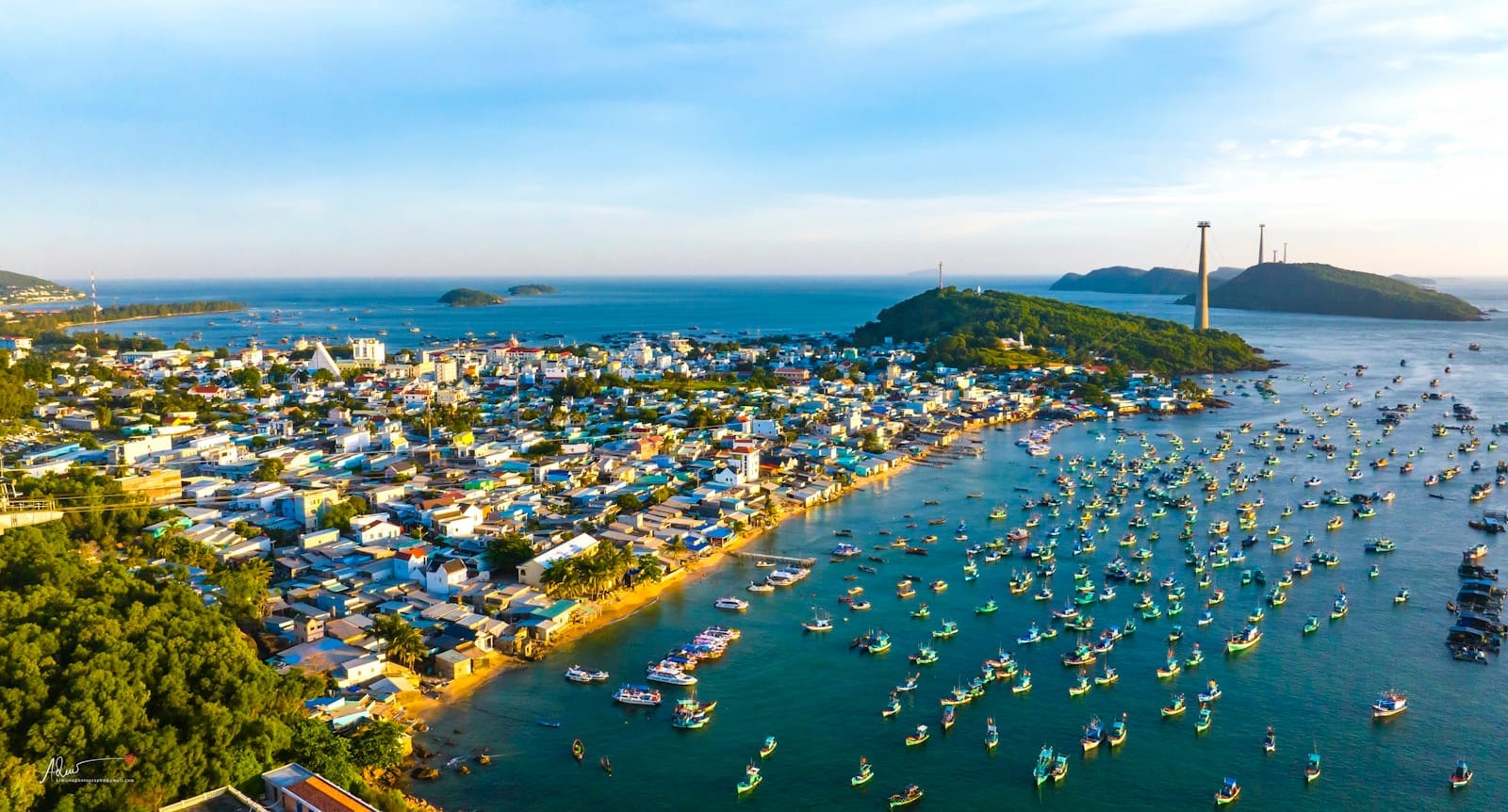
An Thoi itself is a small fishing port near the southern tip of Phu Quoc. Getting there from Duong Dong takes roughly 30-40 minutes by motorbike or taxi. Tours almost always include hotel pickup from the Long Beach and Duong Dong areas, so most visitors don't need to make their way to the pier independently. The Hon Thom Cable Car also crosses from the An Thoi area to Hon Thom island, which is one of the larger islands in the archipelago. The cable car offers a different perspective on the same geography.
The Main Islands
- Gam Ghi Island (Hon Gam Ghi) The most common snorkeling stop. Shallow coral reef areas around the island with reef fish and reasonable visibility in dry season. Not untouched reef, but the most accessible underwater experience on any tour.
- May Rut Island (Hon May Rut) Known for white sand beaches and calm shallow water. A typical lunch and swimming stop. The beach is small but photogenic and has shade.
- Fingernail Island (Hon Mong Tay) Named for its narrow curved shape. Popular photo stop with shallow clear water. The sandspit at low tide is a highlight. Facilities are minimal.
- Vang Island (Hon Vang) One of the quieter stops on some tour itineraries. A fishing-village island with a small beach and a different atmosphere from the resort-style stops.
- Hon Thom Island The largest island in the archipelago and the destination for the cable car. Aquatopia Water Park is here. Some boat tours stop at Hon Thom; others focus on the smaller outer islands.
Group Tours vs Private Speedboat
Group tours are the default option and available from most hotels and tour operators in Duong Dong and Long Beach. They depart in the morning, visit three to four islands, include a cooked lunch on board or at an island, and return by late afternoon. Groups are typically large (20-30 people on a wooden junk-style boat), which means the snorkeling stops can feel crowded and rushed. The trade-off is price: group tours are priced accessibly.
Private speedboat charters cost significantly more but offer a different experience. Smaller groups, more flexible itineraries, faster travel between islands, and the ability to linger at spots you like rather than following a fixed schedule. If you are traveling as a group of four or more, the per-person cost of a private charter becomes more reasonable relative to the group tour price. Check with operators in An Thoi or through your hotel.
💡 Local tip
On group tours, position yourself near the bow of the boat for snorkeling entries and exits. The back of the boat gets crowded fast. If you know you want to be in the water as much as possible, ask the operator at the start of the day how many snorkeling stops are planned and how long each one lasts.
What to Expect on the Day
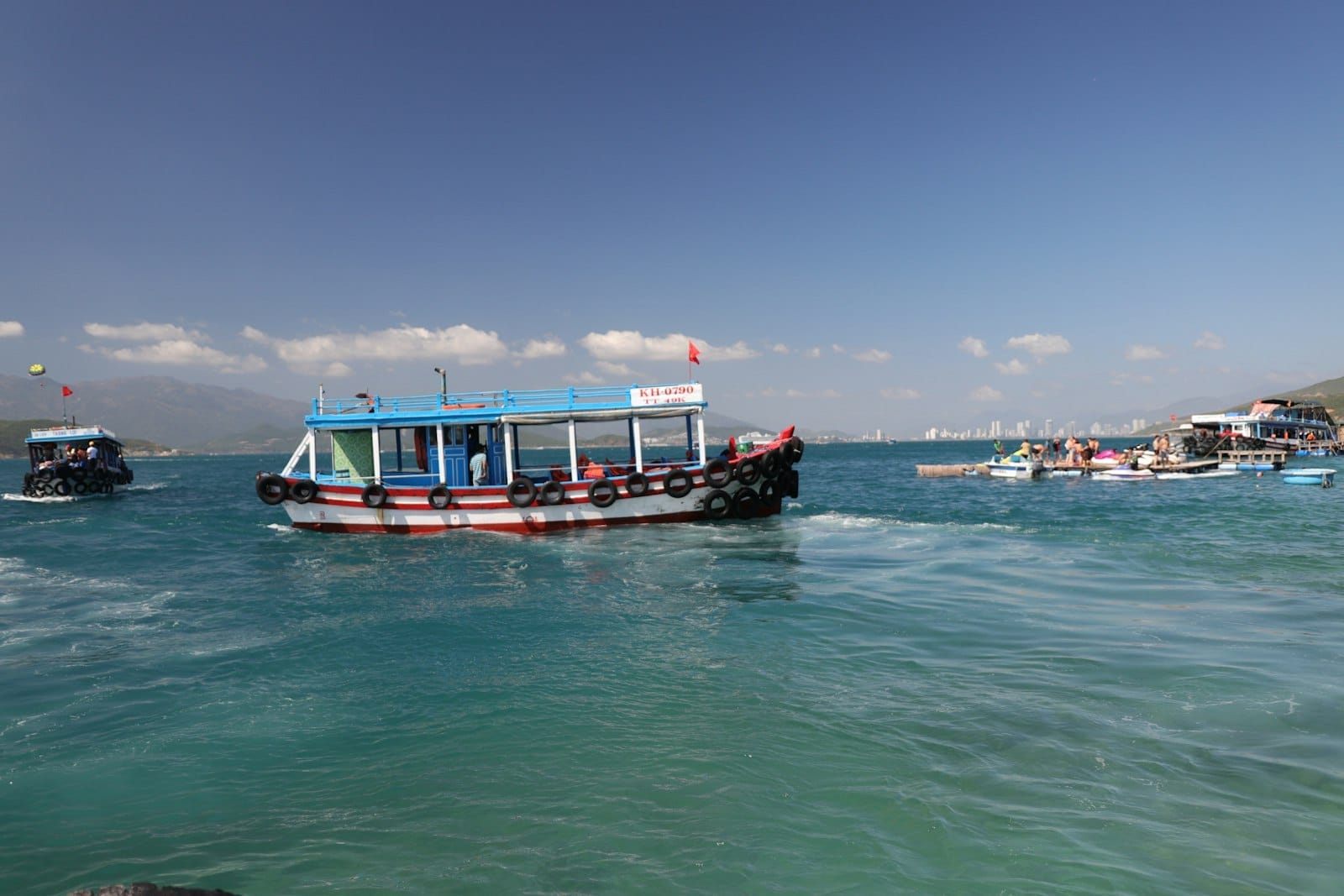
Tours typically leave between 7:30am and 9am. The boat crosses from An Thoi to the first snorkeling stop, usually Gam Ghi or a similar coral site. Snorkeling equipment is provided, though quality varies. The reef at most stops is not exceptional by global standards, but the shallow, clear conditions in dry season do allow close observation of reef fish, sea urchins, and occasional starfish. After the first snorkeling stop, the boat moves to a second island for swimming and then to a lunch stop. Lunch is included in most group tour prices and typically consists of Vietnamese rice dishes with seafood. The afternoon usually includes one more swimming or beach stop before the return to An Thoi.
Some operators include squid fishing off the boat in the late afternoon as an add-on or a standard part of the day. Optional water sports (jet skiing, parasailing, flyboarding) are offered by some operators at extra cost at specific stops. You are never obligated to purchase these.
Snorkeling Conditions
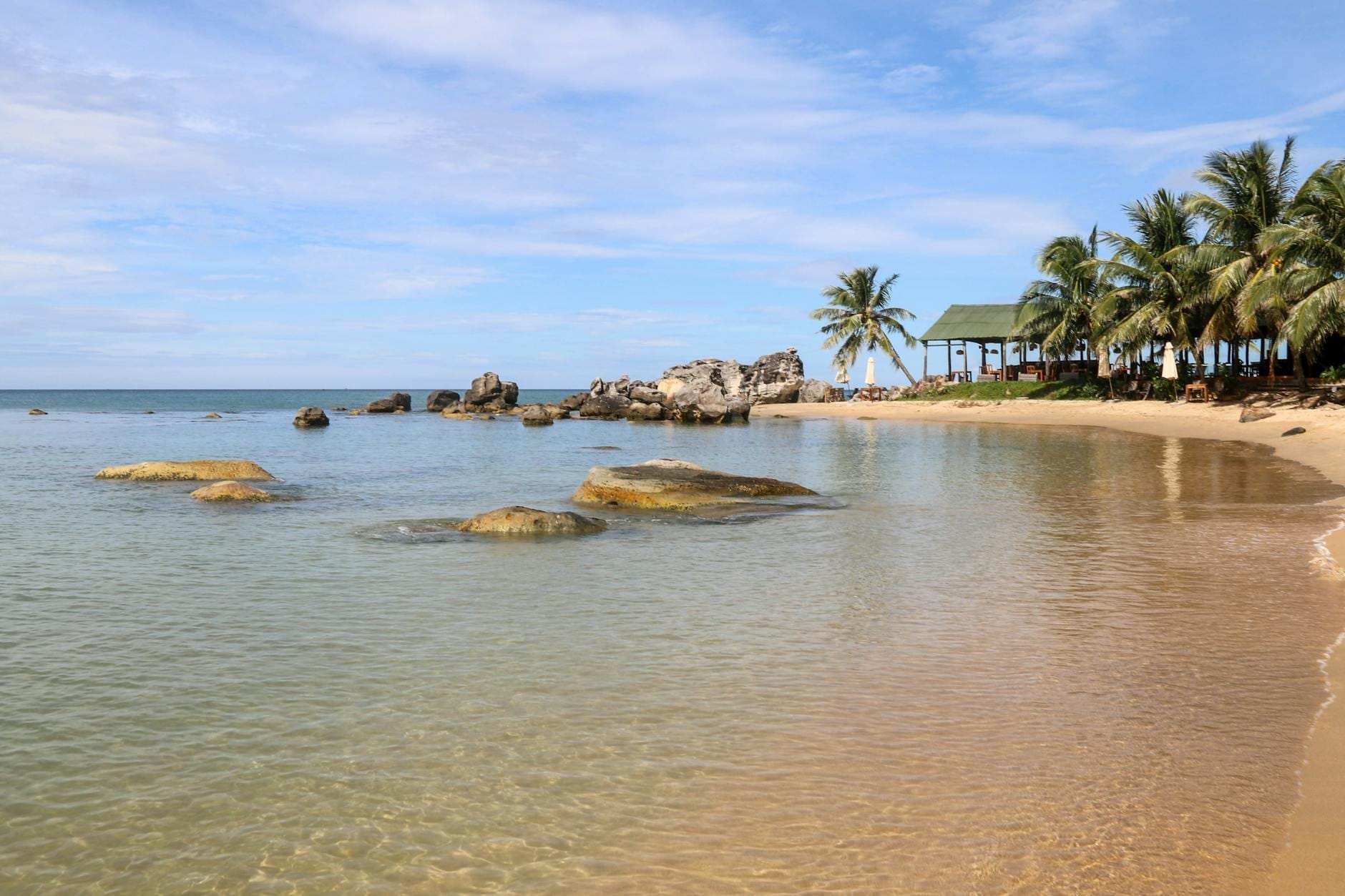
The snorkeling around the An Thoi islands is honest, not spectacular. The corals have been affected by decades of anchor damage, fishing, and fluctuating water temperatures. What remains is a patchwork of living reef, rocks, and seagrass rather than a pristine barrier reef. Fish populations are present and visible, including reef fish common across the Gulf of Thailand (parrotfish, wrasse, triggerfish). In clear dry-season conditions with good light, a snorkeling stop at Gam Ghi or similar sites is genuinely enjoyable. Visitors expecting Caribbean-grade coral should adjust their expectations.
The best underwater visibility occurs between November and March. From April onward, water clarity declines and plankton blooms can reduce visibility further. During the wet season, conditions are frequently poor and some stops are too rough to enter the water safely.
When to Go
Island hopping is a dry-season activity. The tour operates most reliably between November and April when seas are calm, visibility is good, and operators run daily departures. From May onward, the southwest monsoon brings progressively rougher conditions in the Gulf of Thailand, and operators frequently cancel or modify tours in choppy conditions. July through September is the most unpredictable period and the highest risk for cancellations. If you're visiting in the shoulder months of October or late April, check conditions and operator availability before booking.
⚠️ What to skip
Sea conditions in the Gulf of Thailand during the wet season can be rough enough to make the boat crossing genuinely uncomfortable. If you are prone to seasickness or traveling with young children, avoid booking island hopping tours outside the November to April dry season window.
FAQ
How do I book an island hopping tour?
Most hotels and guesthouses on Phu Quoc can arrange a group tour directly. You can also book through tour operators on Long Beach or in Duong Dong. Online booking through platforms like Klook or Viator is available for comparison pricing. Group tours generally do not require much advance booking outside peak season, but booking a day ahead is sensible. Private charters benefit from a few days' notice.
Is snorkeling equipment provided on the tours?
Yes. Basic mask, snorkel, and fins are included on most group tours. The quality of the equipment varies between operators. If you have your own snorkel and mask you are comfortable with, bring it. Own fins are worth bringing if you plan to spend significant time in the water.
Can non-swimmers join island hopping tours?
Yes. Most boats have life vests available and the snorkeling stops are in shallow water close to the boat. Non-swimmers can enjoy the boat journey, the island stops, and the lunch without entering the water. Inform the guide at the start of the day.
What is included in the price of a group tour?
Standard group tour inclusions are: boat transport, snorkeling equipment, a guide or crew, and lunch. Hotel pickup and drop-off from the main tourist areas is often included but worth confirming. Not included are: drinks beyond water, optional water sports, tips, and entry to any ticketed areas. Read the booking details carefully before paying.
Is the island hopping trip worth it?
For visitors who want a full-day experience on the water combining snorkeling, a beach stop, and a seafood lunch, yes. It is one of the more enjoyable structured day trips available on the island. Visitors expecting world-class snorkeling or pristine deserted islands may be disappointed. The experience is good for what it is: a relaxed day out on a relatively calm sea with some time underwater.
Tickets & tours
Live prices and dates from our booking partner. If you book, we may earn a commission at no extra cost to you.
Planning a trip? Discover personalized activities with the Nomado app.