Leiper's Fork Village: The Rural Escape Worth the Drive from Nashville
About 30 miles southwest of Nashville, Leiper's Fork is a National Register historic district in Williamson County that trades neon signs for front-porch music and horse pastures. Free to explore, it rewards slow walkers and anyone tired of downtown's noise.
Quick Facts
- Location
- Leiper's Fork, Williamson County, TN 37064 — about 30 miles southwest of downtown Nashville
- Getting There
- Car only: I-65 South to TN-96 West, then TN-46 South / Old Hillsboro Road. Also accessible via the Natchez Trace Parkway. No public transit serves the village.
- Time Needed
- 2 to 4 hours for the village core; half-day if you add the Natchez Trace or a meal
- Cost
- Free to enter and walk around. Individual shops, galleries, and distillery tours charge their own fees.
- Best for
- Day-trippers, history buffs, art browsers, anyone wanting quiet Tennessee countryside
- Official website
- visitfranklin.com/communities/leipers-fork
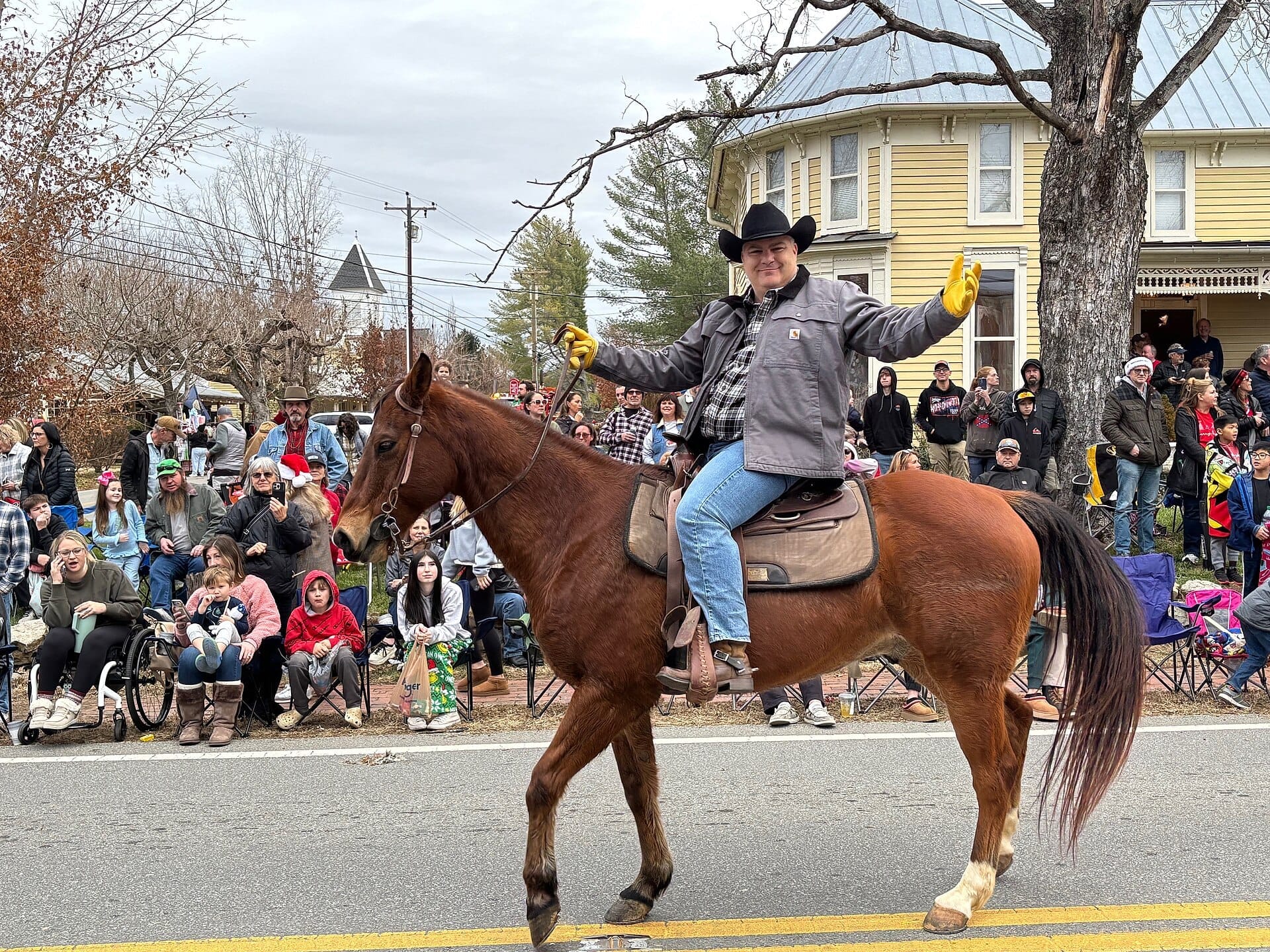
What Leiper's Fork Actually Is
Leiper's Fork is an unincorporated rural village in Williamson County, Tennessee, listed on the National Register of Historic Places as the Leiper's Fork Historic District. The district covers about 1,100 acres (450 hectares) of countryside that includes a compact main-street village core, surrounding farm fields, and creek-fed hollows. It is not a theme park, a managed attraction, or a ticketed destination. It is simply a real community that has retained its 19th-century structure while quietly accumulating galleries, a distillery, a few restaurants, and a reputation for spontaneous front-porch music sessions.
That distinction matters before you make the 30-mile drive from Nashville. There is no visitor center at the entrance, no parking attendant, no official map handed to you at a gate. What there is: a short stretch of road lined with old wooden storefronts, a general store that has served the community for generations, a handful of art galleries representing working regional artists, and enough elbow room to hear yourself think. The pace here is set by the locals, not by tourism schedules.
💡 Local tip
Many businesses in Leiper's Fork are closed on Mondays and Tuesdays. A Saturday visit gives you the widest range of open galleries and the best chance of catching informal live music outside local establishments. Always check individual business hours before driving out.
The Drive Out and What You Pass
The most direct route from Nashville takes you down I-65 South, exits near Franklin, then follows TN-96 West before dropping south on TN-46 (also called Leiper's Creek Road). The final stretch along TN-46 is itself worth noting: cedar-post fences, horse farms, and a gentle rolling landscape that signals you've left the metro area entirely. The transition from suburb to countryside happens faster than most visitors expect.
Alternatively, if you're already planning to drive the Natchez Trace Parkway, Leiper's Fork sits directly on the route. The Parkway entrance near milepost 428 drops you practically into the village, and combining both into a single outing is the most satisfying way to experience the region's landscape. The Parkway prohibits commercial vehicles and has no roadside advertising, which makes the approach genuinely quiet.
Plan about 45 minutes each way from downtown Nashville by car under normal traffic conditions. Weekend mornings tend to flow smoothly. Friday afternoons and Sunday return trips can back up through Franklin, so factor in extra time if you're heading back during those windows.
Tickets & tours
Live prices and dates from our booking partner. If you book, we may earn a commission at no extra cost to you.
Old Town trolley tour of Nashville
From 54 €Instant confirmationFree cancellationHatch Show Print guided tour
From 21 €Instant confirmationFree cancellationDowntown walking tour of Nashville
From 21 €Instant confirmationFree cancellationNashville Downtown Underground Donut Tour
From 46 €Instant confirmationFree cancellation
The Village Core: What You'll Actually See
The commercial heart of Leiper's Fork occupies only a few hundred meters along Leiper's Creek Road. The buildings are low, mostly wood-framed, and worn in the honest way of structures that have been maintained rather than restored for aesthetics. On a Saturday morning the light comes in at a low angle through the tree canopy, and the main road smells faintly of damp cedar and whatever the bakery cases at the nearest café have going. Foot traffic is light enough that you can stand in the middle of the road and photograph the storefronts without inconveniencing anyone.
The galleries here are the real draw for many visitors. Several represent painters and sculptors who live in Williamson County, and the work tends toward landscapes, equestrian subjects, and figurative pieces rather than the decorative tourist art common near Broadway in Nashville. Owners are often present and willing to talk about the work at length. Even if you have no intention of buying anything, browsing these spaces gives you a clearer picture of what rural Middle Tennessee looks like to the people who live in it.
Leiper's Fork Distillery is one of the more structured stops in the village, offering tours of its small-batch production facility. Hours and tour pricing change seasonally, so confirm directly with the distillery before visiting. It is a working operation in a repurposed historic building, not a large-format tourism complex, and the atmosphere reflects that.
If a distillery tour sounds appealing, it pairs logically with a broader interest in Tennessee spirits. Nashville proper has several options covered in the Nashville distillery tour guide for context on how the regional scene fits together.
How the Village Changes by Time of Day
Early morning, before 9:00 AM, Leiper's Fork is almost entirely quiet. The few residents out are walking dogs or tending livestock. If you arrive this early, you can walk the length of the village core in about 10 minutes and see it before any crowds arrive. The light on the old storefronts is good for photography at this hour, particularly on the western-facing facades in morning shade.
Mid-morning through early afternoon on weekends is when the village is most alive. Galleries open around 10:00 AM, the restaurants fill for lunch, and informal musical performances sometimes happen on outdoor porches or in small venues. This is the most social window, and also the most crowded, though 'crowded' here means a few dozen visitors rather than hundreds.
By late afternoon on Sundays, the village winds down quickly. Some galleries close by 4:00 or 5:00 PM. If you want a meal and a proper look at the galleries, arriving by 11:00 AM on a Saturday gives you enough time without feeling rushed. Weekday visits offer solitude but may find most businesses closed.
Historical and Cultural Context
Williamson County's rural communities developed along creek drainages and old trace routes in the late 18th and early 19th centuries. Leiper's Fork grew as a farming settlement in this pattern, and its National Register designation reflects the degree to which its physical character has survived without major modern intrusion. The surrounding countryside retains working farms, and the connection between the land and the community is not decorative history — it is ongoing.
The village's relationship to music is informal but consistent. It has attracted musicians, songwriters, and artists from Nashville who wanted more space and quiet without leaving the region entirely. This dynamic is not unique to Leiper's Fork — the broader Williamson County area around Franklin's historic downtown also reflects a pattern of creative people settling in the counties surrounding Nashville while remaining tied to the city's music industry.
The Natchez Trace itself, the historic pathway that runs directly through this part of Williamson County, adds deeper historical layering. The Trace was used by Native Americans for centuries before European settlers traveled it, and later became a major route for boatmen returning north after floating goods down the Cumberland and Mississippi rivers. Walking a short segment near Leiper's Fork puts you on ground with far more history than the village storefronts alone suggest.
Practical Walkthrough and What to Bring
Wear comfortable walking shoes. The main street is paved, but if you extend your walk to any of the surrounding paths or want to explore near the creek, the terrain gets uneven quickly. In summer, temperatures in Middle Tennessee regularly reach the high 80s to low 90s Fahrenheit (around 30-32°C), and there is limited shade on the main road. A water bottle is worth bringing, particularly if you arrive before the cafés open.
There is roadside parking along Leiper's Creek Road and small informal lots near the main cluster of businesses. On busy Saturday mornings parking fills faster than you might expect, but the overflow is manageable and walking distances are short. There are no parking fees.
If you're planning a broader day out that includes Leiper's Fork as one stop, the day trips from Nashville guide covers how to combine this area with other nearby destinations in Williamson County, including historic sites farther south.
Photography is unrestricted in public spaces. The storefronts, weathered signage, and surrounding farm landscapes photograph well in soft morning or late-afternoon light. Midday sun in summer creates flat, harsh light that flattens the texture of the wooden buildings. If photography is a priority, plan your arrival accordingly.
⚠️ What to skip
Leiper's Fork has no public restrooms managed by a central authority. Facilities are available at individual businesses only, and only if you are a customer. Plan accordingly, especially if visiting with children.
Who Should Skip This, and Why
Leiper's Fork is genuinely not for everyone, and it is worth being clear about that before you spend an hour in the car. If you are looking for a full day of structured programming, ticketed tours, or the kind of density of attractions that downtown Nashville offers, you will find the village underwhelming. There are only a handful of businesses, and the experience is largely self-directed.
Visitors with limited mobility should note that the village has no centrally managed accessibility infrastructure. Sidewalks are intermittent, some gallery entrances have steps, and the surrounding countryside is not wheelchair-accessible. Individual businesses vary in what they can accommodate, and it is worth calling ahead before making the trip.
Children who need constant engagement may find the pace slow. The village works best for older kids with an interest in art, history, or the outdoors, particularly if you combine it with a short walk on the Natchez Trace. For families primarily interested in structured activities, the adventure options closer to Nashville are likely a better fit.
Insider Tips
- The small general store near the village core has been a community anchor for locals for decades. It is worth stopping in even briefly: the selection is limited but the conversations are not, and locals are genuinely good sources of information about what else is worth seeing that day.
- If you hear music coming from anywhere in the village, walk toward it. Impromptu performances at Leiper's Fork range from solo acoustic sets to small group sessions, and they tend to be informal enough that standing nearby and listening is entirely welcome.
- The stretch of Natchez Trace Parkway closest to the village has several pull-off points for short walks and historical markers. Bring decent walking shoes even if your primary plan is just the village itself — the Trace is too close to skip.
- Autumn (late September through November) is the most visually rewarding season here. The surrounding hardwood forests color well, the heat has broken, and the farm landscapes look their best. Combine with the context in the Nashville October travel guide for broader planning.
- Cell signal in parts of the village and along the Natchez Trace can be weak or absent. Download any maps or directions you need before leaving the Nashville metro area.
Who Is Historic Leiper's Fork Village For?
- Day-trippers from Nashville wanting a genuine change of scenery without a long drive
- Art browsers interested in regional painters and sculptors working in traditional and contemporary styles
- History and heritage travelers combining Leiper's Fork with the Natchez Trace and Williamson County's Civil War sites
- Couples looking for a low-key, unhurried half-day outing away from downtown crowds
- Photographers drawn to rural architecture, farm landscapes, and soft natural light
Nearby Attractions
Combine your visit with:
- Arrington Vineyards
Arrington Vineyards is a working winery set on 95 acres of rolling Tennessee countryside about 25 miles south of Nashville. With 16 acres of estate vines, five tasting rooms, and a calendar full of live music events, it offers a genuinely relaxed alternative to the city's usual attractions.
- Carnton
Built in 1826 and thrust into Civil War history on a single November night in 1864, Carnton in Franklin, Tennessee stands as one of the most significant and sobering historic sites near Nashville. The mansion served as the principal Confederate field hospital after the Battle of Franklin, and four Confederate generals killed in action were laid on its back porch. Today it operates as a museum alongside the McGavock Confederate Cemetery, one of the largest privately owned Confederate cemeteries in the United States.
- Downtown Franklin Historic District
About 21 miles south of Nashville, the Downtown Franklin Historic District packs genuine 19th-century architecture, Civil War history, and an independently owned Main Street into a walkable few blocks. Entry is free, the streets are open all day, and it rewards slower travelers who actually stop to look up.
- GEODIS Park
Opened in May 2022, GEODIS Park is one of the largest soccer-specific stadiums in the United States, seating over 30,000 fans. Home to Nashville SC and a growing concert calendar, it brings serious sports infrastructure to a city better known for music.
Planning a trip? Discover personalized activities with the Nomado app.