Western Market: Architettura Edoardiana e Banchi di Tessuti a Sheung Wan
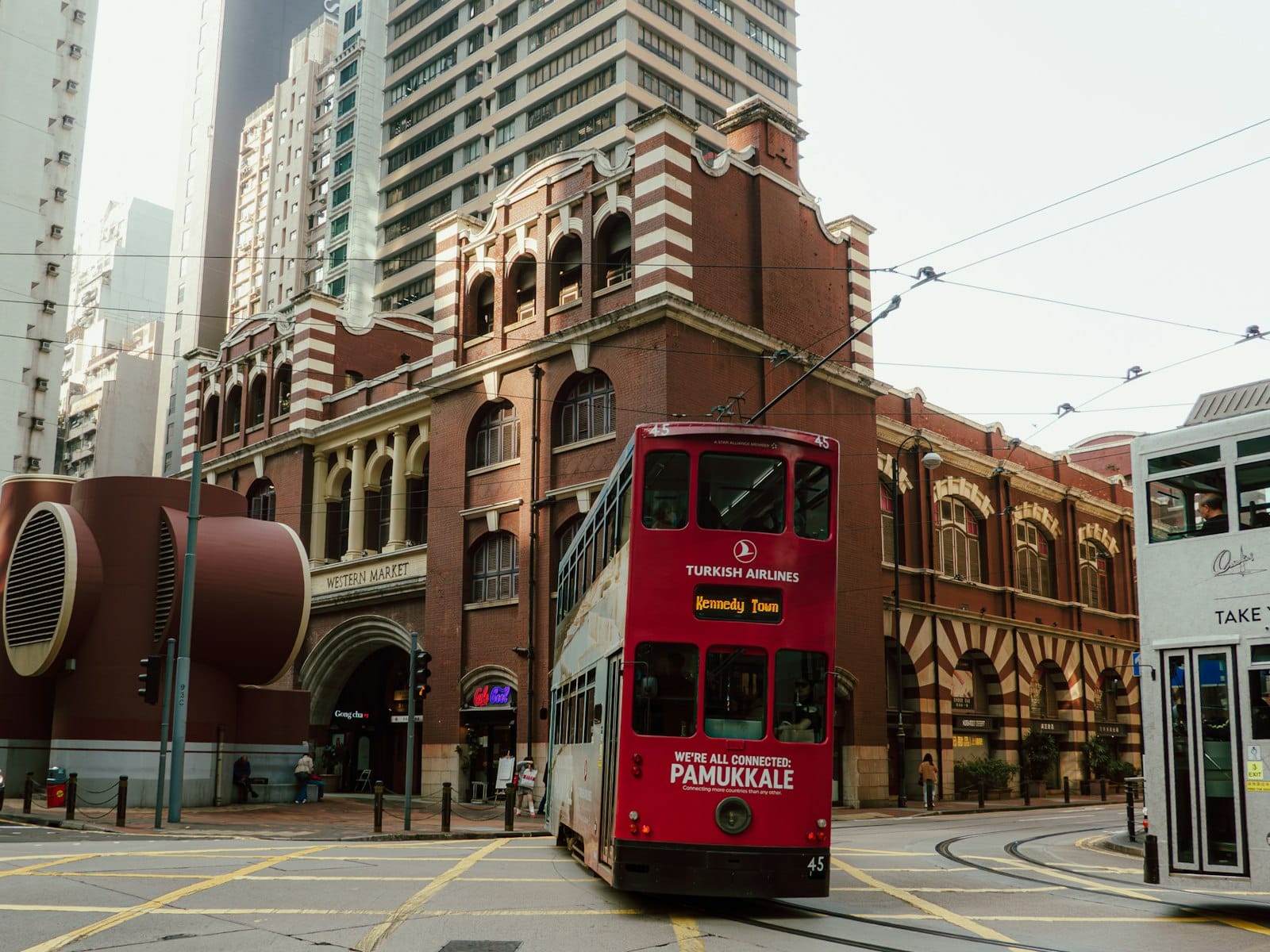
Il Western Market occupa un edificio edoardiano in mattoni rossi all'estremità occidentale di Central dove i tram sferragliano su Des Voeux Road. Costruito nel 1906 come mercato alimentare, questo monumento dichiarato ospita ora mercanti di tessuti, un negozio di modelli di autobus e catene di dolci hongkonghesi nel suo guscio coloniale preservato.
Informazioni rapide
- Posizione
- 323 Des Voeux Road Central, Sheung Wan, Hong Kong
- Come arrivare
- Sheung Wan MTR Station (Uscita A2), 5 min. a piedi
- Tempo necessario
- 30-45 minuti
- Costo
- Ingresso gratuito (costi shopping variabili)
- Ideale per
- Appassionati di architettura, soste rapide al patrimonio
Panoramica
Il Western Market occupa un edificio edoardiano in mattoni rossi all'estremità occidentale di Central dove i tram sferragliano su Des Voeux Road. Costruito nel 1906 come mercato alimentare, questo monumento dichiarato ospita ora mercanti di tessuti, un negozio di modelli di autobus e catene di dolci hongkonghesi.
L'edificio si sviluppa su quattro piani su una pianta compatta. Il piano terra ospita Honeymoon Dessert, un negozio di modelli KMB e alcune bancarelle di souvenir. Il primo piano concentra i mercanti di tessuti che vendono rotoli di seta, cotone e materiali per abiti da sposa. Il secondo piano è per lo più vuoto. L'architettura è l'attrazione principale: torri angolari in mattoni a strisce, finestre ad arco e colonne in ghisa interne.
Prevedete 30-45 minuti a meno che non facciate shopping serio di tessuti. Ingresso gratuito. L'edificio dista cinque minuti a piedi dalla MTR Sheung Wan (Uscita A2), sulla linea del tram. Non è un'attrazione di destinazione ma funziona come sosta architettonica rapida.
Il Western Market ha senso se state già esplorando e volete una breve deviazione patrimoniale. Abbinatelo con il Man Mo Temple o le bancarelle di antiquariato lungo Hollywood Road per una passeggiata più lunga attraverso gli strati più antichi di Hong Kong.
Com'è il Western Market?
L'esterno si legge chiaramente dall'altro lato di Des Voeux Road: mattoni rossi disposti in corsi alternati con fasce in pietra bianca sulle torri angolari. Le torri ancorano ogni angolo e salgono di un piano extra, conferendo al blocco la sua silhouette distintiva.
All'interno, il piano terra si apre su un atrio centrale con negozi disposti lungo il perimetro. Colonne in ghisa sostengono i piani superiori. La luce naturale filtra dalle finestre poste in alto nelle pareti. Il pavimento è piastrellato, le pareti dipinte di bianco e l'atmosfera generale è pulita ma utilitaria. La ristrutturazione del 1991 ha eliminato l'infrastruttura originale del mercato, quindi ciò che resta è la struttura architettonica senza l'atmosfera storica.
Il primo piano è più tranquillo, con negozi di tessuti allineati su entrambi i lati di un corridoio centrale. Rotoli di materiale si impilano dal pavimento al soffitto. I negozianti siedono dietro i banconi, alcuni lavorano sull'inventario, altri aspettano clienti. Lo spazio sembra più funzionale che suggestivo, illuminato da lampade fluorescenti piuttosto che da accessori d'epoca.
All'interno, il piano terra si apre su un atrio centrale con negozi disposti lungo il perimetro. Colonne in ghisa sostengono i piani superiori. La luce naturale filtra dalle finestre alte. Il primo piano è più tranquillo, con negozi di tessuti che fiancheggiano un corridoio centrale.
Biglietti e visite guidate
Prezzi e date in tempo reale dal nostro partner di prenotazione. Se prenoti, potremmo ricevere una commissione senza costi aggiuntivi per te.
Hong Kong audio guide with TravelMate app
Da 8 €Conferma immediataHong Kong Tour with Peak Tram, harbour cruise and dim sum dinner
Da 85 €Conferma immediataCancellazione gratuitaHong Kong night tour with Peak Tram and Symphony of Lights
Da 63 €Conferma immediataCancellazione gratuitaLantau Cable Car and Big Buddha Guided Tour with Lunch in Hong Kong
Da 85 €Conferma immediataCancellazione gratuita
Cosa Potete Fare al Western Market?
Visita per l'architettura
La maggior parte dei visitatori viene per un rapido passaggio architettonico. L'edificio è fotogenico dall'esterno, specialmente se vi posizionate dall'altra parte della strada vicino alla fermata del tram per catturare l'intera facciata. All'interno, l'atrio e le colonne in ghisa offrono interesse visivo, anche se lo spazio sembra più un centro commerciale datato che un monumento storico.
La luce del mattino dalle finestre esposte a est crea condizioni interne migliori per la fotografia. Il tardo pomeriggio offre una luce esterna più calda sui mattoni. L'edificio non è mai abbastanza affollato da ostacolare il movimento o gli scatti.
Esplora i negozi di tessuti al primo piano
Se sei interessato a tessuti o progetti di cucito, i commercianti del primo piano offrono una gamma di tessuti: seta, cotone, lino, sintetici e materiali speciali come tessuto ricamato per abiti da sposa. I prezzi variano molto a seconda della qualità. La maggior parte dei negozianti parla abbastanza inglese per discutere di materiali e prezzi.
Negozi di tessuti al primo piano: seta, cotone, lino, sintetici e materiali speciali come tessuti per abiti da sposa. I negozianti parlano abbastanza inglese per discutere materiali e prezzi. Non è un mercato economico – la qualità è generalmente buona.
Visita il negozio di modellini di autobus KMB
Negozio modelli autobus KMB al piano terra: modelli in scala di autobus hongkonghesi. Prezzi tra HK$100 e HK$500. Per appassionati di trasporti o collezionisti.
Per gli appassionati di trasporti o i collezionisti in cerca di souvenir specifici di Hong Kong, questo è uno dei pochi punti dedicati. Lo stock ruota in base alla disponibilità.
Gustare un Dessert da Honeymoon Dessert
Honeymoon Dessert è il punto di riferimento del piano terra con i suoi dolci a base di mango e le tradizionali zuppe dolci di Hong Kong. È una catena, non un'esclusiva del Western Market, ma comodo se vuoi fare una pausa. Aspettati una coda nei fine settimana e nelle prime ore serali. I prezzi sono in linea con le altre catene di dessert di Hong Kong.
Quando Visitare?
Mattine infrasettimanali tra le 10 e mezzogiorno: traffico più leggero. Fine settimana portano più turisti e locali. Tardo pomeriggio tra le 15 e le 17: luce esterna più morbida per fotografia. L'edificio chiude alle 19.
I fine settimana portano più turisti e residenti, in particolare il sabato. Le code da Honeymoon Dessert si allungano nei pomeriggi del weekend, congestionando il piano terra. Se visitate solo per l'architettura e non avete intenzione di fare acquisti o mangiare, l'orario del fine settimana conta meno.
Il tardo pomeriggio tra le 15:00 e le 17:00 offre una luce esterna più morbida per la fotografia, anche se i negozi potrebbero stare chiudendo. L'edificio chiude alle 19:00 ogni giorno, dandovi una finestra temporale più stretta rispetto a molte attrazioni di Hong Kong.
Il meteo non influisce significativamente sulla visita dato che siete principalmente al coperto, ma i giorni di pioggia vedono un traffico pedonale interno leggermente maggiore per le persone che si riparano lungo le linee del tram.
Come Arrivare
La stazione MTR Sheung Wan (Uscita A2) vi porta a cinque minuti a piedi. Uscite su Des Voeux Road Central e camminate verso ovest. L'edificio si trova sul lato nord della strada al numero 323. Cercate la facciata in mattoni rossi e i binari del tram che passano direttamente davanti.
Se camminate da Central, dirigetevi verso ovest lungo Des Voeux Road per circa dieci minuti. Il percorso è pianeggiante e ben illuminato, attraversando isolati commerciali prima di raggiungere il Western Market.
I tram fermano direttamente davanti all'edificio sulla linea verso ovest di Des Voeux Road. Salite su qualsiasi tram diretto a ovest da Central e scendete alla fermata Western Market. Il tragitto dura meno di dieci minuti a seconda del traffico e del numero di fermate.
Diverse linee di autobus (1, 5B, 10, 18, 23) fermano a uno o due isolati di distanza. Controllate le mappe dei percorsi se vi collegate da altri quartieri di Hong Kong.
Errori Comuni
- Aspettarsi l'atmosfera di un mercato umido tradizionale. Il Western Market è stato ristrutturato come complesso commerciale nel 1991. È pulito, climatizzato e orientato al retail. Se volete il caos autentico dei mercati di Hong Kong, visitate Graham Street Market o Bowrington Road Market.
- Venire specificamente per lo shopping. La selezione di negozi è limitata e orientata al tessuto e all'artigianato. Non è una destinazione di shopping principale. Visitatelo per l'architettura e come tappa lungo una passeggiata a Sheung Wan.
Come Si Inserisce in un Percorso a Sheung Wan?
Il Western Market funziona meglio come una tappa in una più ampia passeggiata storica a Sheung Wan. Partite da , su Hollywood Road (costruita nel 1847, circa 15 minuti a est a piedi), scendete attraverso le gallerie di antiquariato e arte lungo Upper Lascar Row, poi continuate verso ovest fino al Western Market. Da lì potete proseguire verso i negozi di pesce essiccato su Des Voeux Road West o tornare verso Central attraverso la zona di Possession Street.
Questo percorso copre circa 2-3 chilometri e richiede da 90 minuti a due ore a seconda di quanto vi soffermate in ogni tappa. Il terreno è gestibile, con alcuni tratti in salita tra Hollywood Road e il livello del lungomare.
In alternativa, combinate il Western Market con i punti di riferimento coloniali di Central: l'ex Stazione di Polizia Centrale (Tai Kwun), il Flagstaff House Museum of Tea Ware e il vecchio edificio della Corte Suprema. Questo vi mantiene nel corridoio Central-Sheung Wan e offre varietà architettonica. Per un contesto più ampio sui siti storici di Hong Kong, consultate .
Chi Dovrebbe Visitare / Saltare
Il Western Market è adatto ai viaggiatori che apprezzano l'architettura coloniale e desiderano una rapida deviazione storica senza impegnare molto tempo. Se vi state già muovendo per Sheung Wan o seguendo la linea del tram verso ovest da Central, è comodo. I fotografi che cercano architettura meno fotografata di Hong Kong troveranno qui angolazioni diverse dalle foto dei grattacieli.
Acquirenti di tessuti, sarti e chiunque cerchi materiali per progetti di cucito troverà valore pratico al primo piano. La selezione è buona e i negozianti sono competenti.
Visitare: chi apprezza l'architettura coloniale e vuole una deviazione patrimoniale rapida; acquirenti di tessuti; appassionati di trasporti per il negozio modelli KMB. Saltare: chi ha solo 1-2 giorni e privilegia attrazioni iconiche; chi cerca energia vivace da mercato (meglio Graham Street o Bowrington Road).
Chi Dovrebbe Evitare Questa Visita?
Se siete a Hong Kong solo per uno o due giorni e date priorità alle attrazioni iconiche, il Western Market non è in classifica. Victoria Peak, Star Ferry, la passeggiata di Tsim Sha Tsui e il Temple Street Night Market offrono esperienze più distintive di Hong Kong.
I viaggiatori che cercano un'energia di mercato vibrante dovrebbero dirigersi verso Graham Street, Bowrington Road o i mercati all'aperto di Mong Kok. Il Western Market è calmo, ordinato e un po' sterile rispetto ai mercati umidi operativi di Hong Kong.
Se non vi sentite a vostro agio con edifici vecchi che risultano più funzionali che suggestivi, gli interni ristrutturati potrebbero deludervi. L'architettura è preservata ma lo spazio non evoca molto carattere storico al di là della struttura esterna.
Consigli da insider
- Fotografate la facciata dall'altra parte di Des Voeux Road vicino alla fermata del tram per catturare la composizione completa dell'edificio con le torri angolari a strisce.
- I negozi di tessuti al primo piano sono più tranquilli nelle mattine infrasettimanali prima delle 11, dandovi migliore accesso per parlare con i mercanti.
- Il negozio modelli autobus KMB al piano terra è uno dei pochi posti a Hong Kong che vende modelli dettagliati in scala degli autobus pubblici locali.
- Combinate con passeggiata antiquaria su Hollywood Road: salite dal Western Market a Upper Lascar Row, poi est verso il Man Mo Temple.
- Se Honeymoon Dessert ha coda, camminate cinque minuti verso ovest su Des Voeux Road per trovare posti dolci più tranquilli.
A chi è adatto Western Market?
- Soste architettoniche rapide
- Fotografia edifici coloniali
- Shopping tessuti e stoffe
- Collezionisti di memorabilia dei trasporti
- Passeggiate patrimoniali a Sheung Wan
Attrazioni nelle vicinanze
Altre cose da vedere a Sheung Wan:
- Man Mo Temple
Il Man Mo Temple occupa un lotto stretto su Hollywood Road dove spirali d'incenso giganti pendono dal soffitto e i fedeli bruciano offerte agli dèi della letteratura e della guerra. Costruito tra il 1847 e il 1862 da mercanti cinesi, questo monumento dichiarato sopravvive come l'interno di tempio più fotografato di Hong Kong. Il fumo è denso, lo spazio è piccolo, e i gruppi turistici si alternano costantemente.
- Upper Lascar Row (Cat Street)
Upper Lascar Row, conosciuta dai locali come Cat Street, è uno stretto vicolo pedonale a Sheung Wan costellato di bancarelle e negozi che vendono antiquariato, curiosità vintage, cimeli dell'era maoista, pezzi in giada e oggetti da collezione di ogni tipo. Premia chi cammina lentamente e guarda con occhio curioso, molto più che il turista di passaggio.
Stai pianificando un viaggio? Scopri attività personalizzate con l' app Nomado.