Phu Quoc Prison: A Memorial to the Island's Wartime History
Phu Quoc Prison, also called the Coconut Tree Prison, is a national heritage site in the south of the island near An Thoi. Built by the French and expanded during the Vietnam War, it held tens of thousands of prisoners and is now a museum with preserved compounds, tiger cages, and exhibits documenting the conditions inside. Entry is free.
Quick Facts
- Location
- An Thoi commune, southern Phu Quoc — near the Hon Thom Cable Car departure area
- Getting There
- Taxi or Grab from Duong Dong (~30–40 min south); motorbike via the main coastal road
- Time Needed
- 1–2 hours; the site is emotionally demanding and benefits from a measured pace
- Cost
- Free entry; tips for on-site guides are customary if you take one
- Best for
- Travelers interested in Vietnam War history, colonial history, and Southeast Asian human rights
Historical Background
Phu Quoc Prison was built by French colonial authorities in the early 1950s and used to hold Vietnamese political prisoners during the final years of the First Indochina War. When the conflict transitioned and South Vietnam was established under the 1954 Geneva Accords, the facility passed to South Vietnamese administration. After the Gulf of Tonkin Resolution in 1964 and the escalating U.S. military involvement, the prison was expanded significantly and became one of the largest detention centres for captured revolutionary soldiers in the south of the country.
Between 1967 and 1973, estimates suggest the prison held between 32,000 and 40,000 prisoners at various points — numbers that far exceeded the facility's intended capacity. Conditions were documented as severe: overcrowding, disease, malnutrition, and systematic physical abuse. Contemporary records, survivor testimony, and the exhibits at the museum suggest that approximately 4,000 prisoners died at the site during this period. The prison was closed following the Paris Peace Accords in 1973 and the subsequent prisoner exchange program.
The Tiger Cages
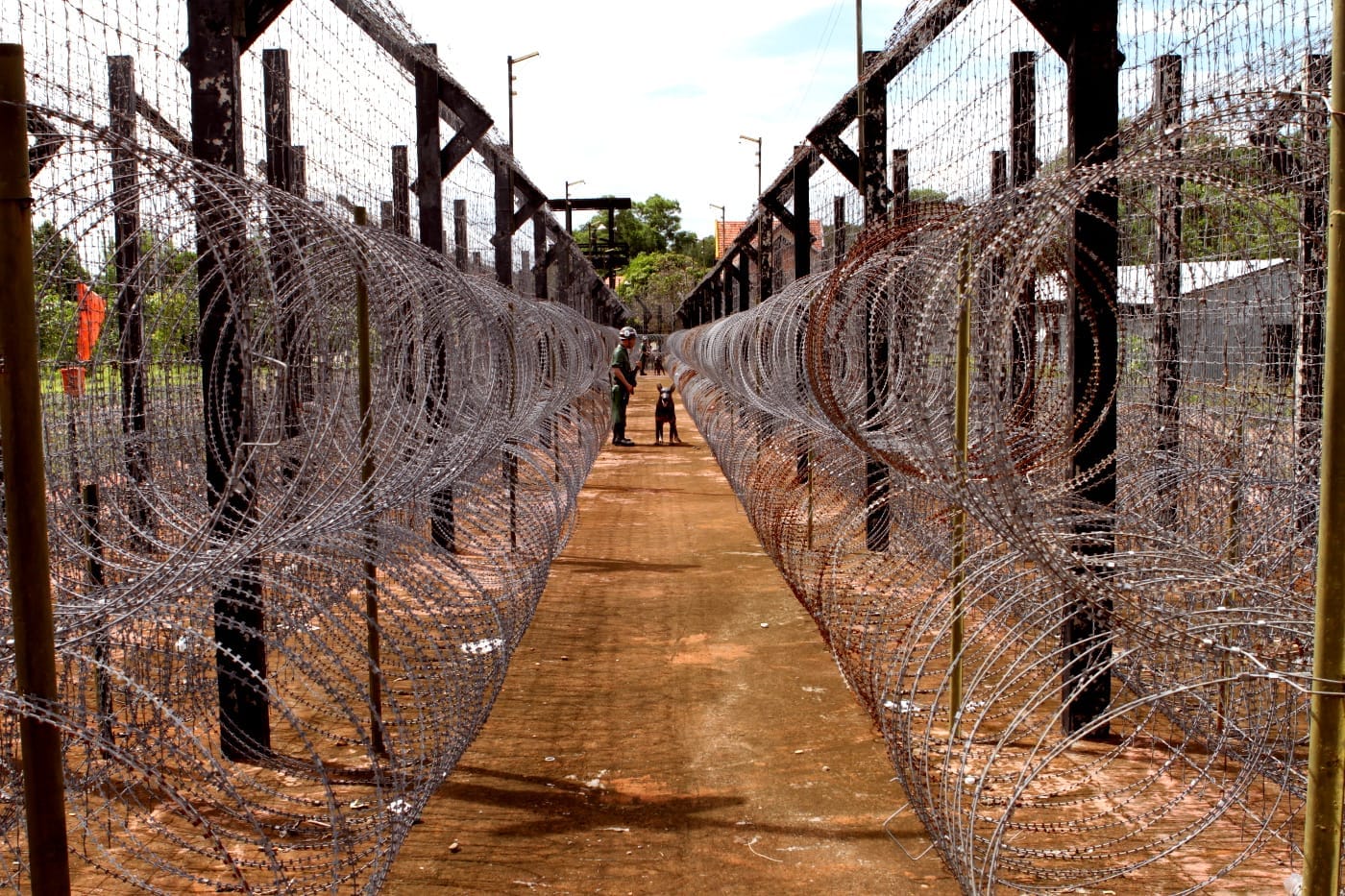
The tiger cages — small barbed-wire enclosures roughly the size of a large wardrobe — are the most widely documented element of the prison and the exhibit that most visitors find most disturbing. Prisoners were confined in these structures, exposed to the sun during the day and cold at night, with minimal movement possible. The name came from their resemblance to animal enclosures; similar structures were documented at other South Vietnamese detention facilities and were the subject of significant international attention and condemnation when photographs emerged in the early 1970s.
The site preserves a number of these structures in their original locations within the compound. Wax figure dioramas throughout the museum depict specific documented practices — nailing, electric shock, water submersion, forced posture — in graphic and realistic detail. The museum's approach is unflinching; it makes no attempt to sanitize what it documents. This is appropriate to the subject matter, but worth knowing before you arrive.
ℹ️ Good to know
The prison site is a national heritage site and a memorial, not a theme park attraction. Visitors are expected to conduct themselves accordingly. Photography is permitted but the tone of the place warrants restraint.
Tickets & tours
Live prices and dates from our booking partner. If you book, we may earn a commission at no extra cost to you.
Phu Quoc Island southern discovery tour with lunch
From 125 €Instant confirmationFree cancellationPrivate transfer between Phu Quoc Airport and Duong Dong Town
From 12 €Instant confirmationFree cancellationPhu Quoc 4 islands speedboat tour with cable car ride and lunch
From 62 €Instant confirmationFree cancellationGuided tour of Phu Quoc Island with visit to a local distillery
From 26 €Instant confirmationFree cancellation
What the Museum Holds Today
Beyond the tiger cages and torture exhibits, the museum contains a prisoner graveyard, a memorial statue, display cases holding original artifacts recovered from the site — handmade tools, improvised communication devices, hand-written letters and poetry including messages written in blood by prisoners — and photographic documentation of the facility at various points during its operation. Some of these documents came from prisoners themselves; others were captured from administrative records or contributed by survivors after 1975.
The complex covers nearly 40 hectares and is organized into numbered zones that correspond to different phases of the prison's operation and different inmate populations. A single circuit of the main exhibits takes about 90 minutes at a considered pace. The full site can take longer, particularly if you're reading the exhibit text carefully or engaging with a guide.
Visiting the Site
Entry to the museum is free. On-site guides who speak Vietnamese and varying levels of English are available and can significantly improve the visit — a tip is customary if you use one. The site operates during morning and afternoon sessions with a midday break; verify current hours locally before visiting, as the site has occasionally closed temporarily for maintenance and restoration work. It is most practical to combine a visit here with other stops in the southern part of the island. The departure area for the Hon Thom Cable Car is nearby, and Sao Beach is within a short drive.
Who Should Consider Carefully
The graphic nature of the exhibits makes this site inappropriate for young children. Those who find wax-figure recreations of violence disturbing should consider whether they want to see this category of exhibit before visiting. The site documents real atrocities, and it does so with explicit intent. This is the correct approach for a memorial of this kind, but it produces a different experience from a conventional museum. That said, Phu Quoc Prison is one of the more significant historical sites in the south of Vietnam, and visitors with an interest in the history of the conflict will find it genuinely illuminating.
Insider Tips
- A guided walkthrough adds real context that the exhibits alone don't provide. On-site volunteer guides often speak serviceable English and can explain the sequence of events — which areas were built first, how conditions changed over time, and what specific exhibits represent — in a way that transforms a walk-around into something you'll actually remember.
- The site is emotionally heavy. Wax figure exhibits depicting torture are realistic and graphic. If you're visiting with children, assess the content carefully beforehand; the museum does not soften what it documents.
- The prison is most practically combined with the southern part of the island. The Hon Thom Cable Car and Sao Beach are both within 15–20 minutes of the same area. A morning at the prison and an afternoon at Sao Beach or the cable car makes a full southern day-trip from Duong Dong.
- Mornings are slightly cooler for walking the open-air sections of the compound. The exhibits that are most graphic are indoors with shade. Wear comfortable shoes — the ground is uneven in parts and the circuit is longer than it looks on the map.
- Check current opening hours locally before visiting, as the site has occasionally closed temporarily for maintenance. Arrive during one of the two daily sessions (morning and afternoon, with a midday break) to ensure access.
Who Is Phu Quoc Prison For?
- Travelers with a genuine interest in the Vietnam War and its specific operations in the south of the country, including the treatment of prisoners
- Anyone interested in French colonial history in Vietnam and how colonial infrastructure was repurposed during the conflict
- Visitors who want a significant historical counterweight to the beach-and-resort orientation of most of Phu Quoc's tourism
- Travelers combining the southern part of the island into a day-trip that also includes the Hon Thom Cable Car or Sao Beach
- Those who have visited similar sites — the War Remnants Museum in Ho Chi Minh City, the Cu Chi Tunnels, Hoa Lo Prison — and want to complete a fuller understanding of wartime Vietnam
Nearby Attractions
Other things to see while in An Thoi:
- Hon Thom Cable Car
The Hon Thom cable car runs from the An Thoi area in southern Phu Quoc across the sea to Hon Thom island, covering nearly 8 kilometres in about 15 minutes. It holds a Guinness World Record as the world's longest non-stop three-cable gondola. The views across the An Thoi archipelago are the main draw; Hon Thom island has a water park and beaches on the other end.
- Sao Beach
Sao Beach, on Phu Quoc's southeastern tip, delivers the kind of white-sand, turquoise-water scenery that looks almost too good to be true. The reality lives up to the images, but timing and expectations matter. Here's what you actually need to know before making the trip.
- Sunset Town
Sunset Town is Sun Group's Mediterranean-inspired development at the southwestern tip of Phu Quoc, adjacent to the Hon Thom Cable Car departure station. It reproduces elements of Amalfi, Santorini, and Venice in a purpose-built coastal complex, with evening shows, a 75-metre clock tower, the Kiss Bridge, and a clear view across the sea for sunset.
Planning a trip? Discover personalized activities with the Nomado app.