Kelly Park at Rock Springs: Orlando's Best Natural Float Trip
Kelly Park at Rock Springs is one of Orange County's most popular natural swimming and tubing destinations, where a spring-fed run pushes clear, cool water through a forested corridor near Apopka. It's the kind of place that makes you forget theme parks exist – and it fills up fast.
Quick Facts
- Location
- 400 E Kelly Park Rd, Apopka, FL 32712 – approx. 30–40 min northwest of downtown Orlando
- Getting There
- Car essential; take FL-429 or US-441 north toward Apopka, then follow E Kelly Park Rd. No public transit serves the park.
- Time Needed
- 3–5 hours minimum; full-day visits are common, especially on weekends
- Cost
- From $5 per vehicle (current official pricing on ocfl.net; effective August 11, 2026)
- Best for
- Families, nature lovers, heat-relief seekers, and anyone wanting a break from Orlando's commercial attractions
- Official website
- www.ocfl.net/cultureparks/parks.aspx?d=22&m=dtlvw
What Kelly Park at Rock Springs Actually Is
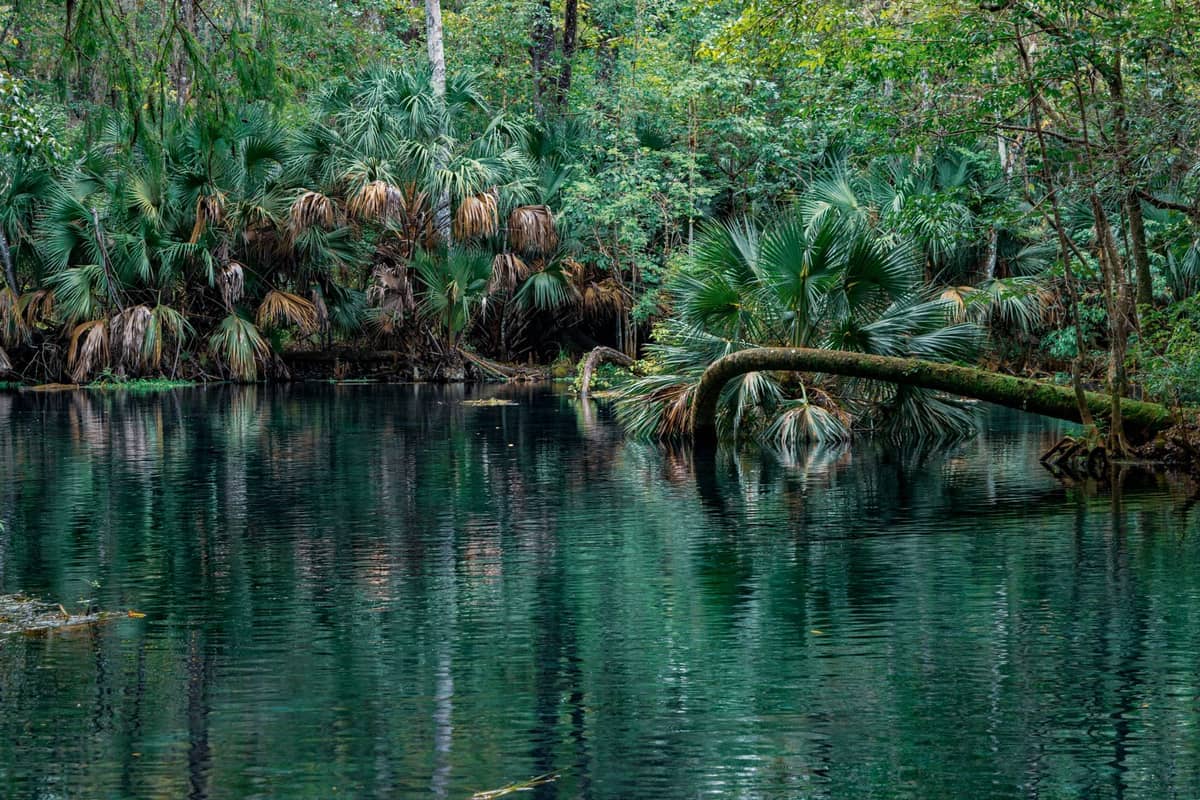
Kelly Park at Rock Springs is a county-operated natural park in Apopka, Florida, built around one of the state's most accessible spring runs. The spring itself pushes water up from the Florida aquifer at a steady 68°F (20°C) year-round, feeding a shallow, crystal-clear stream that winds roughly three-quarters of a mile through subtropical forest before reaching the park's swimming area. Visitors float it on inner tubes, wade it, or simply swim in the spring pool at the head of the run.
This is not a water park. There are no wave machines, no lifeguard towers every ten feet, and no souvenir shops selling overpriced sunscreen. What you get instead is moving spring water over a sandy limestone bottom, the sound of birds and rustling oak canopy overhead, and water so transparent you can watch small fish dart between your feet. For a metro area dominated by manufactured experiences, that distinction matters.
⚠️ What to skip
Kelly Park reaches vehicle capacity on warm weekend mornings and can close to new arrivals early. Arrive before 8:30 a.m. on Saturdays and Sundays, or visit on a weekday. Call ahead to check capacity status before making the drive.
The Float: What the Tubing Run Is Like
The tubing run at Rock Springs is the park's centerpiece. The current is gentle enough for small children but strong enough to carry you along without paddling, moving at a comfortable pace through a corridor of cypress, oak, and fern. The run takes roughly 25–30 minutes at the water's natural pace, though many visitors stop, drift backward, and loop it two or three times in a row.
The spring head – the point where water boils up from underground – sits at the north end of the swim area. Standing here on a hot July afternoon, the temperature contrast between the 68°F spring water and the air is startling in the best way. The water feels cold at first, then perfect. Visibility is typically several feet, giving the run an almost aquarium-like clarity on calm mornings before afternoon wind picks up and ripples the surface.
Tubes can be rented inside the park for a modest fee, or you can bring your own. Bringing your own tube or float is worth it if you plan to stay all day, particularly on busy days when rental stock can be limited. Water shoes are strongly recommended – the bottom is mostly sand and smooth limestone, but there are occasional rough patches near tree roots and rocks along the banks.
💡 Local tip
Pack a mesh bag or waterproof dry sack. There are no lockers nearby, and you'll want a way to carry your keys, phone, and sunscreen while floating without risking them getting wet.
Tickets & tours
Hand-picked options from our booking partner. Prices are indicative; availability and final rates are confirmed when you complete your booking.
Rock Springs river tubing and Apopka Wildlife Trail with hotel pickup
From 93 €Instant confirmationFree cancellationManatees swimming and snorkelling experience by boat from Orlando
From 85 €Instant confirmationFree cancellationPirates Cove Adventure Mini Golf
From 18 €Instant confirmationFree cancellationWild Florida 1-hour airbot adventure with transportation
From 107 €Instant confirmationFree cancellation
Time of Day: How the Experience Shifts
Early morning is when the park earns its best version of itself. The light filters low through the tree canopy, the water surface is smooth, and the crowd hasn't arrived yet. You can hear the spring clearly – a low gurgling at the head – and the surrounding forest sounds like it belongs to you. Wading birds sometimes stand motionless in the shallows near the far bank.
By midday on weekends, the swim area becomes genuinely crowded. Families cluster around the spring head, tubes create a loose queue at the entry point, and the noise level climbs significantly. For solo travelers or couples looking for a meditative experience, this window is less appealing. That said, the water stays just as clear, the current keeps moving, and the tree canopy provides enough shade along most of the run to make the heat manageable.
Weekday afternoons in spring and fall strike a useful balance – light enough crowds to feel relaxed, warm enough air to make the cool water genuinely refreshing rather than just cold. The park's summer closing time of 8:00 p.m. means late-afternoon visits in the longer daylight months are a viable option.
The Park Beyond the Spring: Camping, Picnicking, and Trails
Kelly Park covers considerably more ground than the spring run. The park includes picnic pavilions and a campground that accepts overnight reservations. Camping fees differ for Orange County residents and non-residents, with reduced rates available for seniors; reservations are required and should be made well in advance for spring and summer weekends.
There are walking trails through the surrounding oak hammock and floodplain forest that receive far fewer visitors than the spring area. Expect uneven ground and occasional muddy sections after rain, but they offer a quiet counterpoint to the spring's activity. The forest itself is ecologically interesting – the transition zone between sandhill upland and spring-fed wetland supports a notably diverse mix of plant and bird species.
If Kelly Park's camping fills up or you want to extend your time in Central Florida's natural springs corridor, the broader region has several comparable options worth considering. Wekiwa Springs State Park sits about 20 minutes southeast and offers a larger trail network alongside its spring swimming area. For a fuller picture of the region's spring options, the Orlando natural springs guide covers the key sites with comparative detail.
Practical Logistics: Getting There and What to Bring
A car is essential. Kelly Park sits at 400 E Kelly Park Rd, Apopka, FL 32712, roughly 30–40 minutes northwest of downtown Orlando. The most common routes use FL-429 (a toll road) or US-441 north before turning onto local roads toward E Kelly Park Road. GPS navigation handles this well, but be aware that cell signal can drop on the final approach to the park. Download the map offline before you leave.
Parking costs $5 per vehicle as of the August 2026 fee update (buses are $10). Verify current pricing at the Orange County Parks website before visiting, as fees have been updated before and can change again. There are no on-site ATMs.
Pets are not permitted in Kelly Park, with the exception of ADA service animals. This is a firm rule, not a suggestion, and the park enforces it. Plan accordingly if you were thinking of bringing a dog.
- Bring food and drinks – there is no food concession inside the park
- Sunscreen (water-resistant; reapply frequently)
- Water shoes or old sneakers for the spring run
- A tube or float if you want to avoid rental lines
- Towels and a change of clothes
- Cash as backup, though card acceptance may vary at the gate
- A dry bag or waterproof case for your phone and keys
ℹ️ Good to know
Park hours: open daily from 8:00 a.m. Closing time is 8:00 p.m. in summer and 6:00 p.m. in winter. The swim area closes one hour before the park closes.
Who Should Reconsider This Trip
Kelly Park is genuinely excellent at what it does, but it has real limitations. If you're visiting during peak summer weekends without an early-morning plan, there's a meaningful chance you'll drive roughly 30–40 minutes and be turned away at the gate due to capacity limits. This is not a small inconvenience – it's a legitimate risk that catches visitors off guard.
Travelers with limited mobility should know that reaching the spring run involves unpaved paths and uneven terrain. The park is not set up for wheelchair access to the water itself. The experience also depends heavily on weather: after heavy rain, the spring can experience some visual clarity reduction, though it typically recovers quickly. Thunderstorms force everyone out of the water, and Florida summer afternoons produce them with predictable regularity.
If your main priority is a structured, fully managed day out with shade structures, food vendors, and lifeguards, the spring run isn't designed for that. Orlando's purpose-built water parks, including Aquatica Orlando and Disney's Typhoon Lagoon, offer that experience. Kelly Park is for people who want the water without the infrastructure.
Photography and the Visual Experience
The spring head photographs exceptionally well in the early morning, when low-angle light catches the boil of water rising from the limestone vent and the clarity of the water makes the sandy bottom glow pale green. A polarizing filter (or the polarizer setting on smartphone camera apps) cuts surface glare dramatically and allows the underwater textures to come through in still photos.
The forested sections of the run are darker and more atmospheric, particularly where the cypress knees emerge from the water's edge and overhanging branches create a tunnel effect. These sections photograph better under overcast light than in direct sun, which creates harsh contrast. If you're visiting primarily to shoot the environment, overcast winter mornings – roughly November through February – tend to produce the most visually interesting conditions.
Insider Tips
- Check the park's capacity status before driving out. Orange County Parks posts updates on busy days, and the park can reach capacity early on warm weekend mornings. The effort to verify this beforehand is worth it.
- Bring your own tube rather than relying on rentals. On-site rental stock runs low on busy days, and having your own means you can stay in the water as long as you want without tracking down a return.
- The upstream end of the run near the spring head is the coldest section. If you want the full thermal shock of the 68°F water, start here and let the current carry you downstream where it gradually warms slightly in the sun.
- Weekday visits between Tuesday and Thursday during school-year months are reliably quieter. The difference in crowd density compared to a summer Saturday is dramatic – almost a different park.
- Camping at Kelly Park puts you inside the park at sunrise, before day visitors arrive. This is one of the few ways to experience the spring head in near-total quiet. Reserve campsites weeks in advance for spring and summer weekends.
Who Is Kelly Park at Rock Springs For?
- Families with children who want a genuine nature experience rather than another commercial attraction
- Adults escaping the heat of an Orlando summer without spending $100+ on theme park tickets
- Campers who want a base close to both nature and Orlando's day-trip options
- Nature photographers targeting Florida spring ecosystems and woodland habitats
- Visitors with a full week in Central Florida who want to balance theme parks with something genuinely different
Nearby Attractions
Combine your visit with:
- Blue Spring State Park
Blue Spring State Park in Orange City, Florida, is one of the state's most ecologically significant natural areas, drawing visitors year-round for manatee watching, swimming, tubing, and hiking. Located about 45 minutes from Orlando, it offers a genuine encounter with Florida's natural heritage that no theme park can replicate.
- Bok Tower Gardens
Bok Tower Gardens is a National Historic Landmark near Lake Wales, Florida, where a 205-foot Gothic and Art Deco carillon tower rises above one of the highest points on the Florida peninsula. Open since 1929, the sanctuary offers 250 acres of landscaped gardens, ancient oaks, and twice-daily bell concerts that carry across the surrounding pine scrub. It is one of the most genuinely peaceful places within day-trip distance of Orlando.
- Busch Gardens Tampa Bay
Busch Gardens Tampa Bay combines some of Florida's most intense roller coasters with one of North America's largest zoological collections. Located in north Tampa, it sits about 84 miles southwest of Orlando, making it a serious but rewarding day trip from the theme park capital of the world.
- Cocoa Beach
Cocoa Beach is Orlando's most accessible Atlantic beach, roughly an hour east on the Space Coast. It combines classic Florida surf culture with genuine rocket-launch proximity, free beach access, and a relaxed pace that stands apart from theme park crowds.