Tempio Tin Hau Causeway Bay: Santuario dei Marinai del 1747
Il Tempio Tin Hau si trova in una stradina stretta a Causeway Bay dove i fedeli bruciano incenso per la dea del mare di Hong Kong. Costruito nel 1747 da pescatori Hakka, questo piccolo tempio custodisce una campana della dinastia Qing e decorazioni sul tetto elaborate. È un luogo di culto attivo, non un'attrazione turistica – cinque minuti dal Victoria Park.
Informazioni rapide
- Posizione
- 10 Tin Hau Temple Road, Causeway Bay
- Come arrivare
- Tin Hau Station (Uscita A3), 5 min. a piedi
- Tempo necessario
- 20-30 minuti
- Costo
- Ingresso gratuito
- Ideale per
- Soste culturali rapide, architettura templare
Panoramica
Il Tempio Tin Hau si trova in una stradina stretta a Causeway Bay dove i fedeli bruciano incenso per la dea del mare di Hong Kong. Con origini risalenti al 1747, costruito da pescatori Hakka, questo piccolo tempio custodisce una campana della dinastia Qing e decorazioni sul tetto elaborate. È un luogo di culto attivo, non un'attrazione turistica – cinque minuti dal Victoria Park.
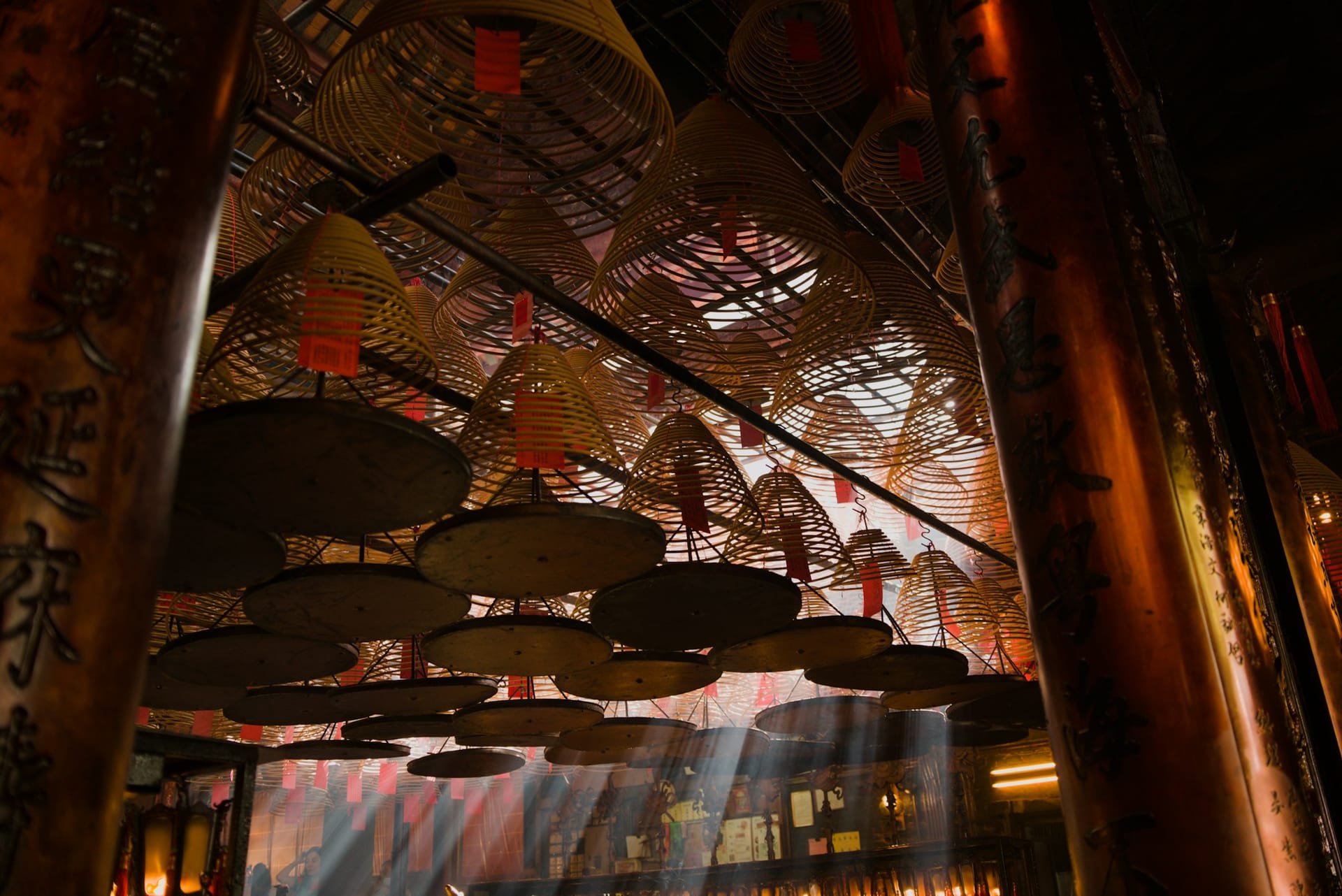
Il tempio è composto da due sale principali con camere laterali. L'altare centrale custodisce la statua di Tin Hau circondata da spirali d'incenso appese al soffitto. I locali vengono quotidianamente a pregare, accendere incenso e fare offerte. L'atmosfera è tranquilla eccetto durante la festa di compleanno della dea in primavera (terzo mese del calendario lunare, tipicamente aprile o maggio).
Prevedete 20-30 minuti. Ingresso gratuito. Orari ca. 7-17 tutti i giorni. Il tempio è a cinque minuti a piedi dalla MTR Tin Hau (Uscita A3).
Il Tempio Tin Hau funziona se state già esplorando Causeway Bay o il e volete una breve deviazione culturale. Non è un tempio di destinazione come Wong Tai Sin o Man Mo. Il valore storico è legittimo (origini del 1747 verificate dalla campana), ma la scala è modesta.
Cosa C'è Dentro il Tempio Tin Hau?
La sala anteriore è centrata sull'altare di Tin Hau con la sua statua fiancheggiata da figure attendenti. I fedeli depongono frutta, fiori e incenso come offerte. Grandi spirali d'incenso pendono dal soffitto, bruciando lentamente per giorni o settimane.
La sala laterale custodisce la campana del 1747, il manufatto più antico del tempio. Bronzo fuso con caratteri cinesi che segnano la data e i nomi dei donatori. Le decorazioni sul tetto mostrano tradizionali ceramiche in stile Lingnan: figure, animali e scene dalla mitologia cinese in cocci smaltati.
Le decorazioni del tetto mostrano ceramiche tradizionali in stile Lingnan: figure, animali e scene della mitologia cinese realizzate in frammenti smaltati. Queste opere "taglia e incolla" utilizzano pezzi di ceramica rotta assemblati in sculture a rilievo. Il tempo e le intemperie hanno sbiadito alcuni colori ma la maestria artigianale resta visibile dal cortile.
Tavole di pietra e targhe di legno rivestono le pareti con calligrafia che onora i donatori e documenta i restauri del tempio. La maggior parte del testo è in cinese classico senza traduzione inglese. I dettagli architettonici interessano più agli specialisti che ai visitatori occasionali.
Il tempio resta funzionale, non musealizzato. I fedeli vengono durante tutto il giorno, anche se le mattine vedono un traffico maggiore. I visitatori sono benvenuti ma secondari rispetto all'uso religioso. Non interrompere le preghiere e non bloccare l'accesso all'altare.
Biglietti e visite guidate
Prezzi e date in tempo reale dal nostro partner di prenotazione. Se prenoti, potremmo ricevere una commissione senza costi aggiuntivi per te.
Guided tour of Hong Kong's heritage with tram ride and food tasting
Da 85 €Conferma immediataCancellazione gratuitaHong Kong audio guide with TravelMate app
Da 8 €Conferma immediataHong Kong Tour with Peak Tram, harbour cruise and dim sum dinner
Da 85 €Conferma immediataCancellazione gratuitaHong Kong night tour with Peak Tram and Symphony of Lights
Da 63 €Conferma immediataCancellazione gratuita
Chi Era Tin Hau?
Tin Hau (anche Mazu in dialetto Fujian) è la dea cinese del mare che protegge pescatori e marinai. Hong Kong ha oltre 70 templi Tin Hau perché il territorio era storicamente una comunità di pescatori. La sua festa di compleanno porta danze del leone, spettacoli d'opera e processioni.
Hong Kong ha oltre 70 templi di Tin Hau perché il territorio era storicamente una comunità di pescatori. Causeway Bay stessa si trovava sul lungomare nel XVIII secolo prima che i lavori di bonifica spostassero la costa verso est. Il tempio originariamente sorgeva vicino alla spiaggia da cui partivano le barche da pesca.
Il clan Hakka che costruì questo tempio proveniva dalla provincia del Guangdong e dipendeva dalla pesca. Costruirono il tempio per assicurare passaggi sicuri e buone catture. La moderna Hong Kong ha meno pescatori, ma Tin Hau resta culturalmente significativa come divinità patrona non ufficiale di Hong Kong.
La festa del suo compleanno attira folle. Danze del leone, spettacoli d'opera e processioni riempiono la strada fuori dal tempio. Se siete a Hong Kong tra fine aprile e inizio maggio, controllate il calendario lunare per la data esatta (23° giorno del terzo mese lunare).
Quando Visitare?
Mattine infrasettimanali 8-10: traffico costante di fedeli ma folla gestibile. Evitate le ore di pranzo (12-14). Tardi pomeriggi 15-17: condizioni più tranquille. La festa di compleanno di Tin Hau trasforma l'area – l'atmosfera più suggestiva ma anche più affollata.
Evita l'ora di pranzo (dalle 12 alle 14) quando gli impiegati degli edifici vicini si fermano brevemente, creando una congestione temporanea. Il tardo pomeriggio tra le 15 e le 17 offre condizioni più tranquille poiché il flusso quotidiano di fedeli diminuisce.
Il primo e il quindicesimo giorno di ogni mese lunare portano un maggior numero di fedeli poiché questi sono i giorni tradizionali di preghiera. Il tempio resta accessibile ma aspettati più fumo d'incenso e uno spazio altare più pieno.
La festa del compleanno di Tin Hau trasforma l'area. La celebrazione si estende per diversi giorni intorno al 23° giorno del terzo mese lunare. Bancarelle, spettacoli e decorazioni riempiono Tin Hau Temple Road. Questo è il momento più suggestivo per visitare ma anche il più affollato. Arrivate al mattino presto per vedere i preparativi prima che arrivino le folle di punta.
La pioggia non influisce significativamente sulla visita dato che il tempio è coperto. L'umidità estiva rende il fumo dell'incenso più pesante. Le mattine invernali offrono l'aria più limpida e le condizioni di visita più confortevoli.
Come Arrivare
La stazione MTR Tin Hau (Uscita A1 o A3) sulla Island Line vi porta a cinque minuti a piedi. Uscite su Tin Hau Temple Road e camminate verso est. Superate torri residenziali su entrambi i lati. Il tempio appare sulla vostra sinistra al numero 10, segnalato da pilastri rossi e un piccolo piazzale antistante.
Dal quartiere commerciale di Causeway Bay, camminate verso est lungo Causeway Bay Road o Electric Road per circa 15 minuti. Questo percorso vi porta attraverso una zona di transizione dalla densità commerciale ai quartieri residenziali, mostrando quanto rapidamente il carattere di Hong Kong cambia.
Diverse linee di autobus fermano vicino al Victoria Park: 2, 8, 19, 81, 102. Scendete alle fermate lungo Causeway Bay Road o Tin Hau Temple Road e camminate i pochi minuti rimanenti. Il tempio si trova appena a est dell'angolo nord-orientale del parco.
Se combinate questa visita con il Victoria Park, entrate nel parco dal lato ovest vicino alla stazione Causeway Bay e attraversatelo fino all'uscita est. Il Tempio di Tin Hau è a cinque minuti dal bordo orientale del parco.
Errori Comuni
- Aspettarsi un grande complesso templare. Questo tempio non è paragonabile ai grandi complessi religiosi della Cina continentale. La sala principale si visita in cinque minuti. Consideratelo una breve sosta, non l'attrazione principale della giornata.
- Visitare aspettandosi mostre museali. Questo è un tempio attivo, non un sito patrimonio con pannelli esplicativi. La campana del 1747 e le decorazioni del tetto sono significative, ma non ampiamente descritte. Portatevi delle conoscenze di base o accettate l'esperienza così com'è.
- Fotografare i fedeli senza permesso. Chiedete prima di fotografare persone in preghiera. L'interno è spesso troppo buio per foto senza flash, e il flash è inappropriato. Le foto esterne dell'architettura non sono un problema. Quelle interne richiedono giudizio e discrezione.
- Indossare abbigliamento inappropriato. Coprite spalle e ginocchia. Non si tratta di una regola rigida come in alcuni templi della Cina continentale, ma un abbigliamento troppo casual da spiaggia è irrispettoso. I fedeli qui si vestono in modo conservativo e il vostro aspetto si nota.
- Confondere questo con altri templi di Tin Hau. Hong Kong conta oltre 70 templi dedicati a Tin Hau. Questo è quello di Causeway Bay, costruito nel 1747. Templi diversi hanno storie e dimensioni diverse. Non date per scontato che le esperienze siano trasferibili.
Come Si Inserisce in un Percorso a Causeway Bay?
Il Tempio di Tin Hau funziona come aggiunta culturale mattutina prima dello shopping. Iniziate al tempio verso le 8:00 quando apre, trascorrete 20-30 minuti, poi camminate verso ovest attraverso , fino al cuore commerciale di Causeway Bay. Questo approccio separa il tempo culturale tranquillo dall'energia commerciale di Times Square e Hysan Place.
In alternativa, usate il tempio come tappa di tardo pomeriggio dopo lo shopping. Esplorate i centri commerciali di Causeway Bay durante il giorno, poi camminate verso est fino al Tempio di Tin Hau verso le 16:00 per un finale più tranquillo prima di cena. Diversi buoni ristoranti operano lungo Tin Hau Temple Road e Electric Road. Per un contesto più ampio sulla zona, consultate .
Se alloggiate in hotel a Causeway Bay, il tempio offre una rapida destinazione per la passeggiata mattutina. Uscite dall'hotel alle 7:30, camminate fino al tempio, trascorrete 30 minuti, poi tornate per la colazione. Questa routine dà struttura alle prime ore prima che i negozi aprano.
Chi Dovrebbe Visitare / Saltare
I viaggiatori interessati alle pratiche religiose e all'architettura dei templi di Hong Kong troveranno valore qui. La campana del 1747, le decorazioni del tetto in stile Lingnan e il culto attivo creano un'istantanea autentica della religione popolare cinese senza sovrapposizioni commerciali.
I fotografi che cercano scatti suggestivi beneficiano del fumo dell'incenso, delle spirali appese e della composizione del cortile. La luce mattutina funziona meglio. Il tempio non è fotogenico nel senso dello spettacolo Instagram ma offre interesse documentaristico.
I visitatori che alloggiano a Causeway Bay con orari flessibili possono facilmente includere questa come deviazione di 30 minuti. La vicinanza al Victoria Park e alle principali zone commerciali lo rende comodo senza richiedere tempo di spostamento dedicato.
Gli appassionati di storia interessati al patrimonio marittimo di Hong Kong e ai modelli di insediamento Hakka apprezzeranno la storia del tempio e i manufatti conservati della dinastia Qing.
Chi Dovrebbe Evitare Questa Visita?
I visitatori alla prima esperienza a Hong Kong con tempo limitato dovrebbero dare priorità a Victoria Peak, la passeggiata di Tsim Sha Tsui e il Temple Street Night Market rispetto al Tempio di Tin Hau. Quelle attrazioni principali offrono esperienze più distintive di Hong Kong.
I viaggiatori che cercano grandi complessi templari con ampi terreni dovrebbero visitare il Tempio di Wong Tai Sin o il Tempio di Man Mo. Quelli offrono una scala maggiore, decorazioni più elaborate e un'infrastruttura per visitatori più sviluppata.
Se non vi sentite a vostro agio in spazi religiosi attivi dove la vostra presenza è incidentale rispetto al culto in corso, questo tempio risulterà imbarazzante. Lo spazio dà priorità ai fedeli, non ai turisti, e non c'è separazione tra aree religiose e per visitatori.
Le famiglie con bambini piccoli potrebbero trovare lo spazio ridotto e l'atmosfera silenziosa limitanti. Non c'è spazio per i bambini per muoversi, e il fumo dell'incenso può disturbare i sistemi respiratori sensibili.
Consigli da insider
- Trovate la campana di bronzo del 1747 nella sala laterale sinistra. La maggior parte dei visitatori la perde, ma è il manufatto più antico del tempio.
- Visitate alle 7-8 quando il tempio apre per la migliore luce naturale sulle decorazioni del tetto e meno persone nel cortile.
- Controllate il calendario lunare se siete a Hong Kong in aprile o maggio. Il compleanno di Tin Hau porta danze del leone e spettacoli d'opera.
- Combinate con le sessioni mattutine di tai chi al Victoria Park (6-8). Attraversate prima il parco, poi continuate al tempio.
- Rispettate che questo è un tempio attivo, non un museo. I fedeli hanno la priorità.
A chi è adatto Tempio Tin Hau?
- Deviazioni culturali rapide
- Appassionati di architettura templare
- Storia marittima di Hong Kong
- Passeggiate mattutine a Causeway Bay
- Fotografi in cerca di atmosfera
Attrazioni nelle vicinanze
Altre cose da vedere a Causeway Bay:
- Victoria Park
Il Victoria Park si estende su 19 ettari a Causeway Bay dove i locali praticano tai chi all'alba, giocano a tennis sui campi pubblici e fanno jogging intorno ai prati. Aperto nel 1957 su terreno bonificato, è il parco più grande dell'Isola di Hong Kong. Spazio verde funzionale, non parco paesaggistico – circondato da grattacieli e strade trafficate.
- Piscina del Victoria Park
La Piscina del Victoria Park si trova accanto al parco principale di Causeway Bay in un edificio con facciata in vetro aperto nel 2013. Due piscine coperte riscaldate funzionano tutto l'anno: una vasca agonistica da 50 metri e una vasca multiuso con piattaforme per i tuffi. Questa è la struttura comunale di Hong Kong per nuotatori seri, non un parco acquatico.
Stai pianificando un viaggio? Scopri attività personalizzate con l' app Nomado.